Quick Answer
To choose the right linen blanket for every season, focus on weight and layering. For warmer months, opt for a lightweight linen blanket that breathes well, like the Sale White Lightweight Linen Blanket. For winter, layer a linen blanket with a duvet or quilted coverlet for added warmth without bulk.
Linen blankets are a versatile addition to any bedding collection, offering breathability and comfort that adapts to changing temperatures. Whether you're looking for a summer coverlet or a winter layer, understanding the key features of linen can help you make the right choice. This guide will walk you through the essential factors to consider, from weight and weave to care and styling.
With the right linen blanket, you can enjoy a comfortable sleep environment year-round. We'll explore how linen's natural properties make it ideal for both warm and cool seasons, and provide practical tips for selecting the perfect blanket for your needs.
Understanding Linen Blanket Weights
Linen blankets come in various weights, which significantly affect their suitability for different seasons. Lightweight linen blankets, often made from two layers of fabric, are perfect for warmer months as they provide coverage without trapping heat. They are breathable and allow air circulation, keeping you cool and comfortable.
For cooler seasons, you might prefer a heavier linen blanket or one with additional filling. However, linen's natural insulating properties mean that even a lightweight blanket can provide warmth when layered. Consider the climate you live in and your personal temperature preferences when choosing the weight.
- Lightweight linen blankets are ideal for summer or as a base layer.
- Heavier linen blankets or those with fill are better for winter or for those who sleep cold.
- Consider layering multiple lightweight blankets for adjustable warmth.
Breathability and Temperature Regulation
One of linen's standout features is its breathability. Linen fibers naturally wick moisture away from the body, helping to regulate temperature and keep you dry. This makes linen blankets an excellent choice for hot sleepers or those who experience night sweats.
In winter, linen's breathability also prevents overheating when layered under a duvet, ensuring you stay warm without feeling stuffy. The key is to choose a blanket that complements your existing bedding and allows for air flow while providing insulation.
- Linen's moisture-wicking properties keep you dry and comfortable.
- Breathable fabric allows heat to escape, preventing overheating.
- Layering a linen blanket with a duvet provides warmth without excess heat.
Layering for Different Seasons
Layering is a smart strategy to adapt your linen blanket to changing seasons. During summer, a single lightweight linen blanket can serve as your primary covering. As temperatures drop, you can add a quilted coverlet or duvet on top for extra warmth.
The versatility of linen allows you to adjust your bedding without needing multiple blankets. By investing in a quality linen blanket and a few complementary pieces, you can create a comfortable sleep environment all year round.
- Use a lightweight linen blanket alone in summer.
- Add a quilted coverlet or duvet for cooler months.
- Remove layers as temperatures rise to maintain comfort.
Care and Durability
Linen blankets are known for their durability and become softer with each wash. Proper care is essential to maintain their quality and extend their lifespan. Most linen blankets are machine washable, but it's important to follow the care instructions to avoid damage.
To keep your linen blanket in top condition, wash it in cold water on a gentle cycle and tumble dry on low or line dry. Avoid using harsh detergents or bleach, as these can weaken the fibers. With proper care, a linen blanket can last for many years, making it a worthwhile investment.
- Machine wash on a gentle cycle with cold water.
- Tumble dry on low or line dry to prevent shrinkage.
- Avoid bleach and fabric softeners to preserve fabric integrity.
Decision Rules for Choosing a Linen Blanket
- Consider the climate: If you live in a warm climate or tend to sleep hot, choose a lightweight linen blanket. For colder regions, opt for a heavier option or plan to layer. Match the blanket weight to your local climate and personal sleep temperature.
- Evaluate the material: Look for 100% linen blankets without synthetic fillings. Two-layer linen construction provides breathability and comfort without added bulk. Pure linen blankets offer the best breathability and temperature regulation.
- Think about versatility: A lightweight linen blanket can be used year-round by layering with other bedding. This saves money and storage space. Choose a versatile blanket that can adapt to different seasons with layering.
Product Facts to Consider
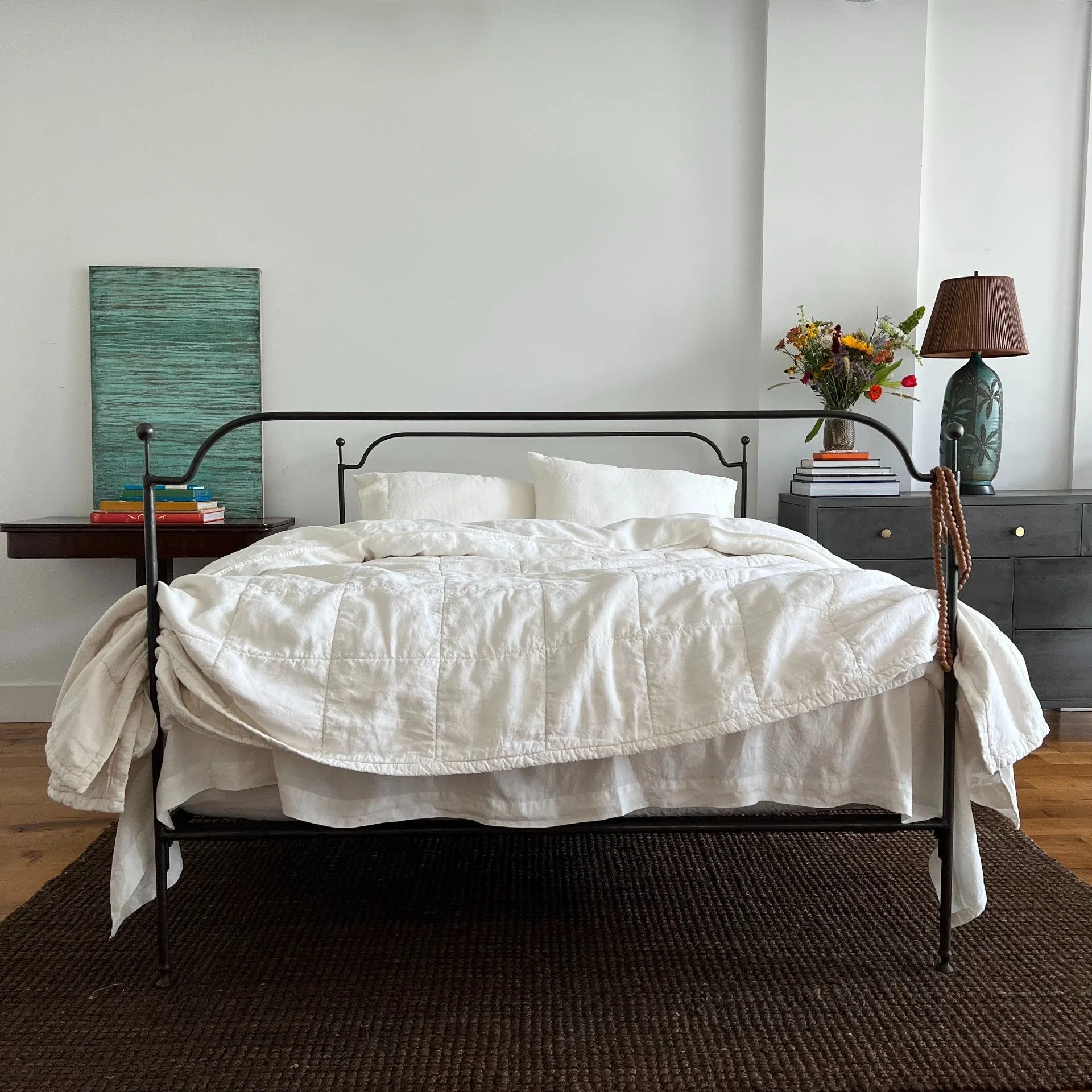
- Sale White Lightweight Linen Blanket: Made from two layers of linen only, without cotton or wool filling. Breathable and just the right weight for warmer months or climates. Eco-friendly, made from recovered fabric. This blanket is ideal for summer use, offering breathability and a lightweight feel while being environmentally conscious.
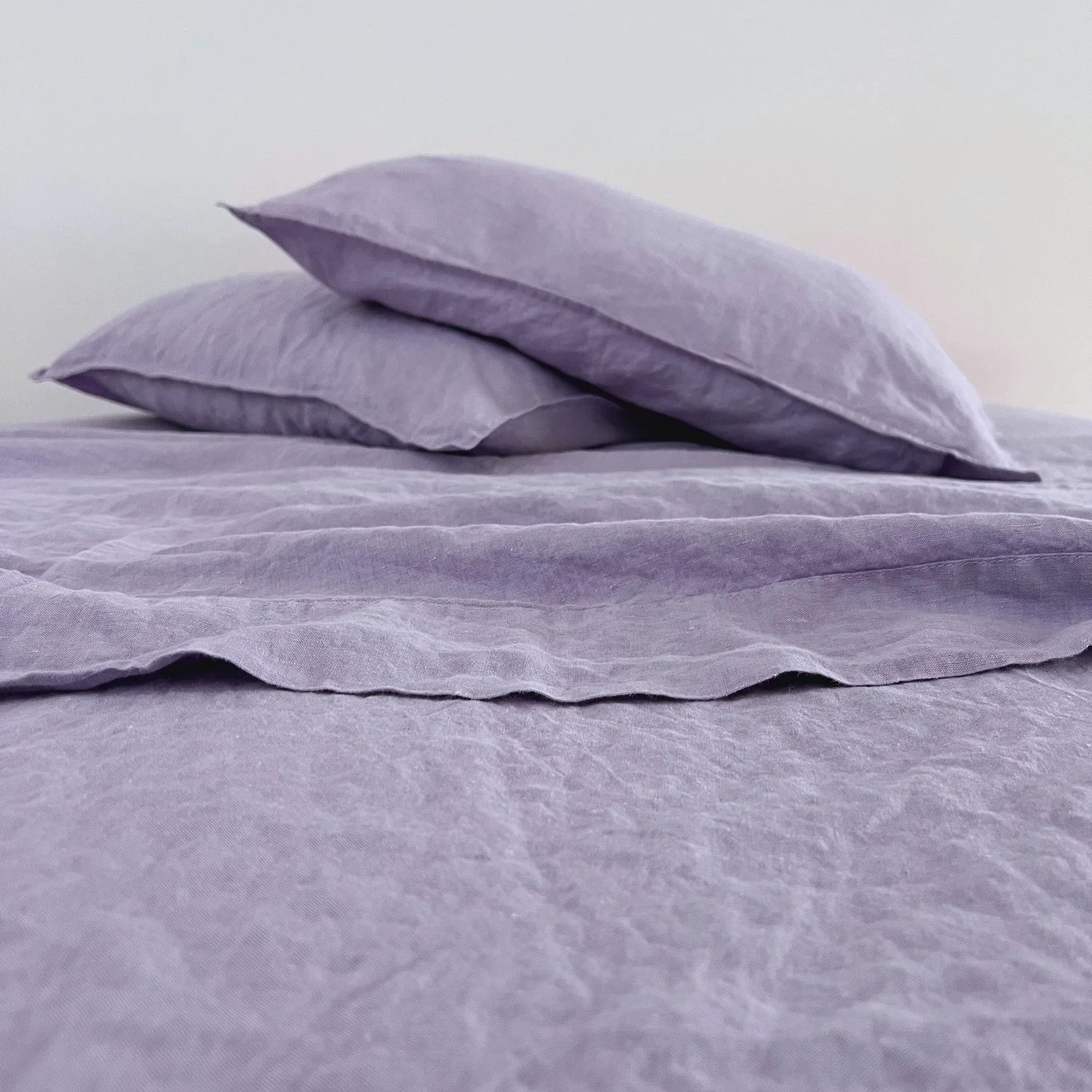
- Thistle Lightweight Linen Blanket: Similar to the Sale White version, this blanket is also made from two layers of linen, breathable, and suitable for warmer months. It is eco-friendly, made from recovered fabric. Available in a Thistle color, this option adds a touch of style while providing the same comfort and breathability for summer.
Best For vs. Not For
Best For
- Summer use or warm climates where breathability is key
- Those who prefer a lightweight, non-bulky covering
Not For
- Extreme winter conditions without additional layering
- Those who prefer heavy, thick blankets for a cozy feel
Choosing the right linen blanket is about balancing weight, breathability, and versatility. By understanding your climate and personal preferences, you can select a blanket that works year-round. Explore the Sale White Lightweight Linen Blanket for a breathable, eco-friendly option that's perfect for summer and layering.