Quick answer
Choose long johns by matching fabric, weight, and fit to your activity and conditions. Merino long johns are a strong default for winter because they regulate temperature, resist odor, and stay comfortable across stop-and-go days. If you run hot or ski hard, look for a lighter, stretchier pair; if you stand still in deep cold, choose a warmer, denser fabric.
Long johns are the layer closest to your skin, so they set the tone for every winter day outdoors. Get them right and you stay dry, warm, and mobile. Get them wrong and you will feel clammy before lunch, no matter how good your jacket is.
This guide gives you concrete decision rules instead of vague advice. You will learn how to match fabric and weight to your activity, how to judge fit, and which trade-offs matter when you are shopping for warm base layer pants.
Start with fabric: merino vs synthetic
Merino wool is the easiest starting point for winter long johns. It manages moisture, feels warm even when slightly damp, and naturally resists odor, so you can wear it multiple days on a trip. It is also softer and less noisy than many synthetics. The trade-off is that fine merino can be less durable under heavy abrasion and usually costs more.
Synthetics dry faster and handle high-sweat activities like skiing or running well, but they can hold odor and feel cooler when wet. A blend can give you the best of both: merino for warmth and odor control, plus a cellulosic fiber like Tencel for structure and improved moisture transport.
- Pick merino or a merino blend for cold, low-to-moderate sweat days and multi-day wear.
- Pick a synthetic or synthetic blend for high-output skiing, running, or wet, mild conditions.
- Avoid cotton: it holds moisture and loses insulation when damp.
Match weight to activity and temperature
Long johns come in light, mid, and heavy weights. Lightweight pairs suit high-output skiing, uphill skinning, or mild winter days, and they layer under slim pants without bulk. Midweight is the most versatile for resort skiing, snowshoeing, and everyday cold. Heavyweight is for standing still, deep cold, or low activity.
If you run hot, size down in warmth rather than up. A lighter pair that stays dry will keep you warmer than a heavy pair that traps sweat. If you are mostly stationary, choose more insulation and accept a bit more bulk.
- Lightweight: high-output days and mild cold.
- Midweight: the default for most winter skiing and outdoor use.
- Heavyweight: deep cold, low activity, or extra insulation under shell pants.
Fit rules that prevent cold spots
Long johns should sit close to the skin without compressing. Compression restricts blood flow and makes you colder, while loose fabric bunches and creates gaps. Look for a snug waist that stays put without digging in, a gusseted crotch for freedom of movement, and flat seams that will not rub under a harness or pack belt.
Length matters too. The hem should reach your socks without riding up when you bend or ski. If you are between sizes, choose the size that fits your hips and thighs comfortably; a slightly looser leg is better than a waist that cuts in.
- Snug, not tight: you should be able to squat and move freely.
- Check for a gusseted crotch and flatlock seams if you ski or climb.
- Match hem length to your socks so there is no gap at the ankle.
Features worth paying for
A functioning fly is convenient for men, but not essential. What matters more is a waistband that stays flat under a harness or pack, and fabric that stretches with you. If you wear long johns under slim ski pants, look for low-bulk seams and a smooth surface that will not catch.
For multi-day trips, odor resistance is a real feature. Merino naturally resists odor, which means you can pack fewer pairs. If you sweat heavily, a quick-drying synthetic may be more practical even if it needs more frequent washing.
- Flat, wide waistbands reduce pressure points under a pack.
- Gusseted crotch improves range of motion.
- Odor-resistant fabrics let you pack lighter for trips.
Care that keeps them performing
Wash long johns inside out in cool water and avoid fabric softener, which coats fibers and reduces moisture management. Merino can be washed less often if you air it out between uses. Always check the care label, and treat stains promptly to avoid repeated hot washes.
If you also wear wool sweaters, the same care principles apply: gentle cycles, low heat, and no harsh detergents. For more detail, see our guide on how to wash wool sweaters so they last for years.
- Wash cool and inside out to protect fibers and seams.
- Skip fabric softener and bleach.
- Air dry or tumble low to prevent shrinkage.
Decision rules for buying long johns
- If you ski hard and sweat a lot: Choose lightweight or midweight merino-blend or synthetic long johns that dry fast. Avoid heavy fabrics that trap moisture. Prioritize moisture transport over maximum warmth.
- If you stand still in deep cold: Choose a heavier, denser fabric with more insulation. Merino or a stretch fleece will keep you warm when you are not generating heat. Prioritize insulation and wind resistance.
- If you want one pair for everything: Pick midweight merino or a merino blend. It handles resort skiing, snowshoeing, and everyday cold without overheating. Midweight merino is the most versatile default.
- If you are between sizes: Size up if your thighs or hips feel compressed. A slightly looser leg is better than a waistband that digs in. Fit should be snug, not restrictive.
- If you pack for multi-day trips: Choose odor-resistant merino so you can rewear a pair. Bring one spare for wet days. Fewer, better pairs beat a stack of cheap ones.
Product facts that illustrate the choices
- M's Alto Half Zip: Made in Sweden from Woolly Treemerino, a warm, stretchy, lightweight blend of merino wool and Tencel Lyocell. The Tencel adds structure and improved moisture transport, while merino provides warmth and natural odor resistance. This blend is a good reference for what to look for in a winter base layer: warmth, stretch, and moisture management without bulk. If you like this fabric concept, look for similar merino-blend long johns.
- M's Outright Pants: Made with Polartec Power Stretch Pro Light, a stretchy fleece that warms well and moves moisture away from the skin. Designed for layering in really cold conditions. Shows how a stretch fleece can work as a warm mid or base layer when it is very cold. Useful if you want more warmth than a thin merino long john but still need mobility.
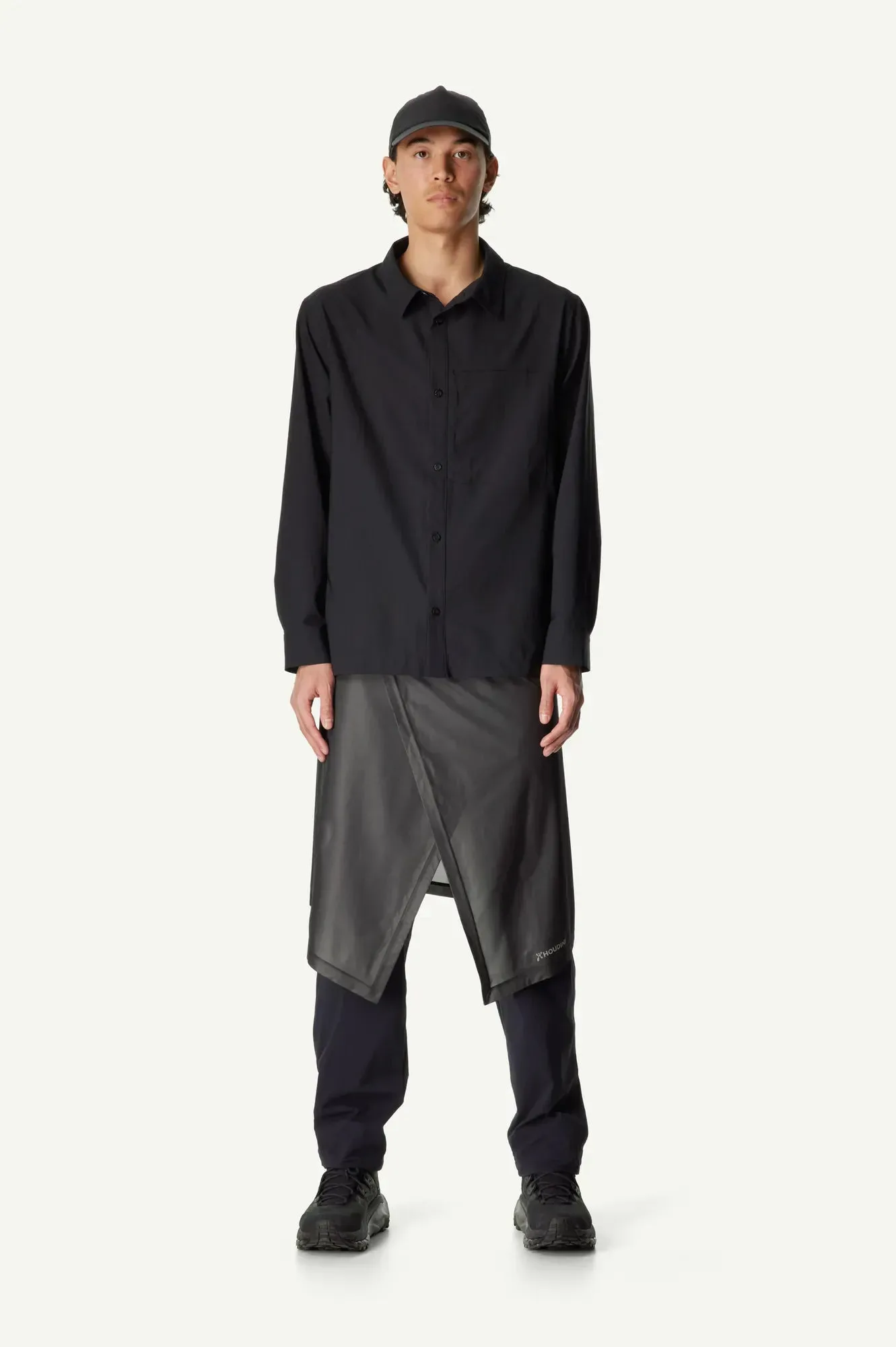
- The Orange Square: An ultraminimalist, waterproof unisex shell skirt in one size, made from the ultralight Emergency 3L fabric. Designed as a wrap skirt to put on and take off easily for unexpected weather. Illustrates that some winter layering problems are solved with smart shells rather than heavier base layers. If your legs get cold from wind and wet snow, a shell skirt can add protection without bulk.
Who these recommendations are for
Best for
- Skiers and snowboarders who need a warm base layer that manages sweat
- Winter hikers, snowshoers, and anyone active outdoors in the cold
- Travelers who want packable, odor-resistant long johns for multi-day trips
Not for
- People who only need light warmth for mild weather, who can choose lighter tights or shorts
- Anyone looking for cotton long johns, which stay wet and cold
- Those who prefer a loose, baggy fit for casual wear, since long johns are designed to sit close to the skin
Choose long johns by matching fabric and weight to how much you sweat and how cold you get. Merino or a merino blend is the most versatile starting point for winter layering, and a snug, unrestricted fit keeps you warm without bulk. With the right pair, you will stay comfortable from the first lift to the last run.