Quick Answer
For a magnetic power bank, prioritize compatibility with your phone's magnetic alignment, choose a capacity that matches your daily usage, and ensure your case is magnetic-friendly. For Samsung, look for models with a built-in magnet or use a magnetic case; for iPhone, check MagSafe compatibility. A 10,000mAh power bank is a balanced choice for most users.
Magnetic power banks are a convenient way to top up your phone without cables. But with so many options, it's easy to pick one that doesn't align with your device or case. This guide breaks down the key decision points so you can choose a magnetic power bank that actually works for your iPhone or Samsung.
We'll cover compatibility, capacity, charging speed, and case fit. You'll also learn how to match the power bank to your existing phone case, including options like the A17 Aramid Fiber Case with a 360° magnetic stand.
Compatibility: iPhone MagSafe vs. Samsung Magnetic
Apple's MagSafe standard uses a built-in magnet array on the back of iPhones (12 and newer). This ensures a secure attachment and proper alignment for wireless charging. For iPhone users, any magnetic power bank labeled 'MagSafe-compatible' will work, but the strength of the magnet matters. Look for power banks with at least 10N of magnetic force to keep a secure hold, especially if you use a case.
Samsung Galaxy phones (S20 and newer) support Qi wireless charging but don't have built-in magnets. To use a magnetic power bank, you have two options: use a magnetic case that adds the magnets, or choose a power bank that includes a magnet ring or has a built-in magnet that aligns with the phone's charging coil. Some power banks come with a separate adhesive magnet ring for non-MagSafe phones.
Check the alignment: the power bank's charging coil must align with your phone's coil. For Samsung, this is often not centered, so look for power banks with adjustable or universal alignment. A magnetic case helps by positioning the phone correctly.
- Verify your phone's model supports Qi wireless charging.
- For Samsung, consider a magnetic case to add magnet alignment.
- Check if the power bank includes a magnet ring for non-MagSafe phones.
Capacity: How Many mAh Do You Really Need?
Magnetic power banks come in capacities from 5,000mAh to 10,000mAh and higher. A 5,000mAh bank can charge a typical iPhone once or a Samsung phone about 70%. It's slim and lightweight, perfect for a quick top-up during the day. However, if you're traveling or use your phone heavily, you'll want more juice.
A 10,000mAh magnetic power bank is the sweet spot for most users. It can fully charge most phones twice, and it still fits in a pocket or bag. Some models are thicker, but they offer a good balance between portability and power. For heavy users or long trips, consider a 20,000mAh bank, but expect a bulkier design.
Consider your phone's battery size. The iPhone 17 Pro Max has a larger battery than the standard iPhone 17, so you may need more capacity. Samsung's Galaxy S24 Ultra also has a large battery. Check your phone's mAh rating to estimate how many charges you'll get.
- For everyday use, a 5,000mAh bank is enough for a single top-up.
- For travel or heavy use, choose 10,000mAh or more.
- Match capacity to your phone's battery size for realistic expectations.
Charging Speed: Wired vs. Wireless Output
Wireless charging is convenient but slower than wired. Most magnetic power banks offer 7.5W for iPhone and 10W or 15W for Samsung and other Qi devices. However, 15W is only available if the power bank supports the Qi2 standard, which is newer. Check if your phone supports fast wireless charging and if the power bank matches.
Wired output is faster: many magnetic power banks have a USB-C port that delivers up to 20W or 30W. This is useful when you need a quick charge and can use a cable. Some power banks allow simultaneous wired and wireless charging, so you can charge your phone and an accessory like AirPods at the same time.
Be aware that wireless charging generates heat, which can slow charging and affect battery health. Some power banks have cooling features, but they are rare. If you're concerned, use wired charging when possible.
- Check the wireless output wattage (7.5W, 10W, 15W).
- Look for a USB-C port for fast wired charging.
- Understand that wireless charging generates heat; remove thick cases if overheating occurs.
Case Fit: Does Your Case Interfere?
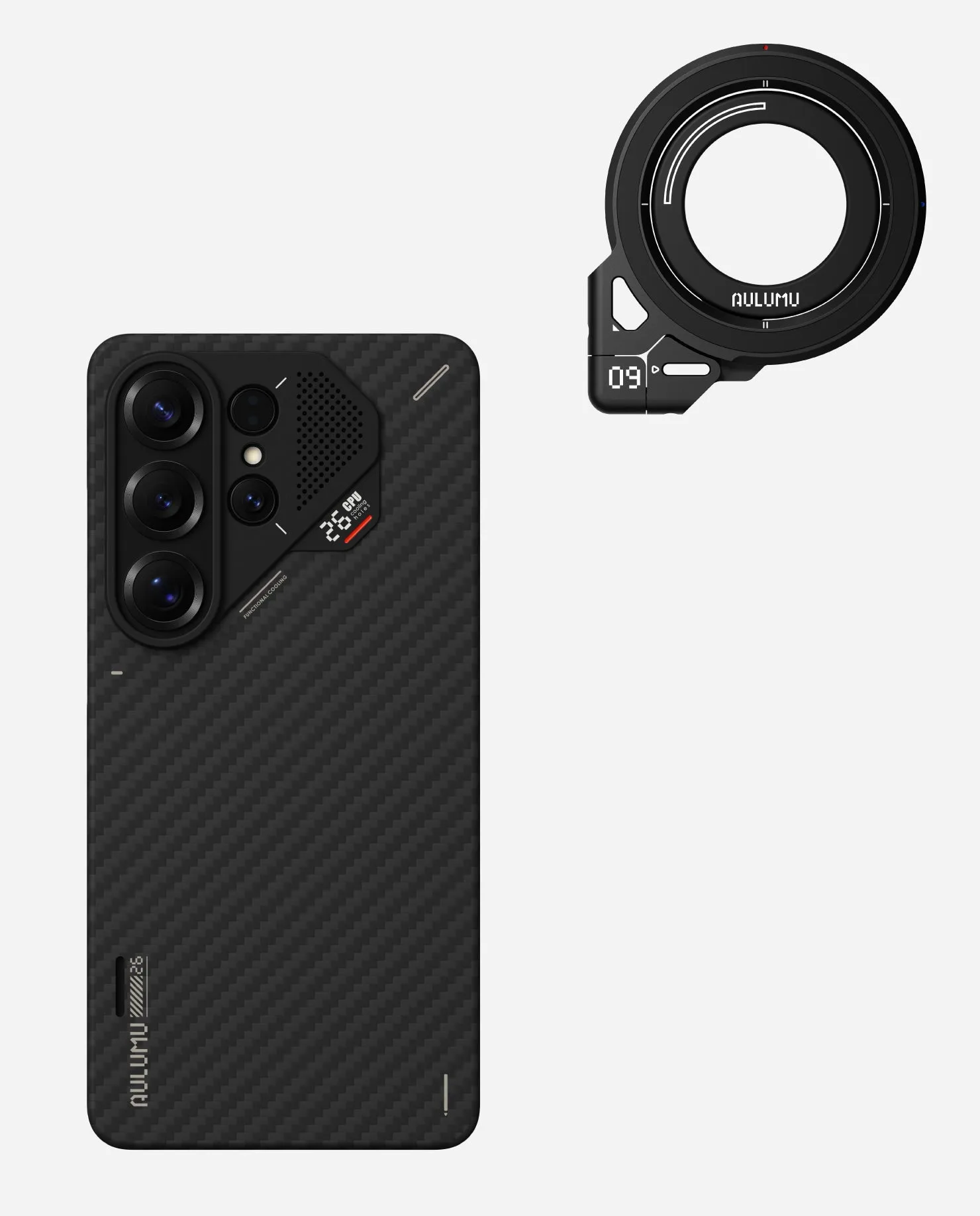
Your phone case plays a big role in magnetic power bank performance. Cases with thick materials or metal backs can block magnetic connection and wireless charging. For best results, use a slim case with built-in magnets or a MagSafe-compatible design. The A17 Aramid Fiber Case for iPhone 17 Series is a great example: it's lightweight and includes a 360° magnetic stand, which adds functionality without adding bulk.
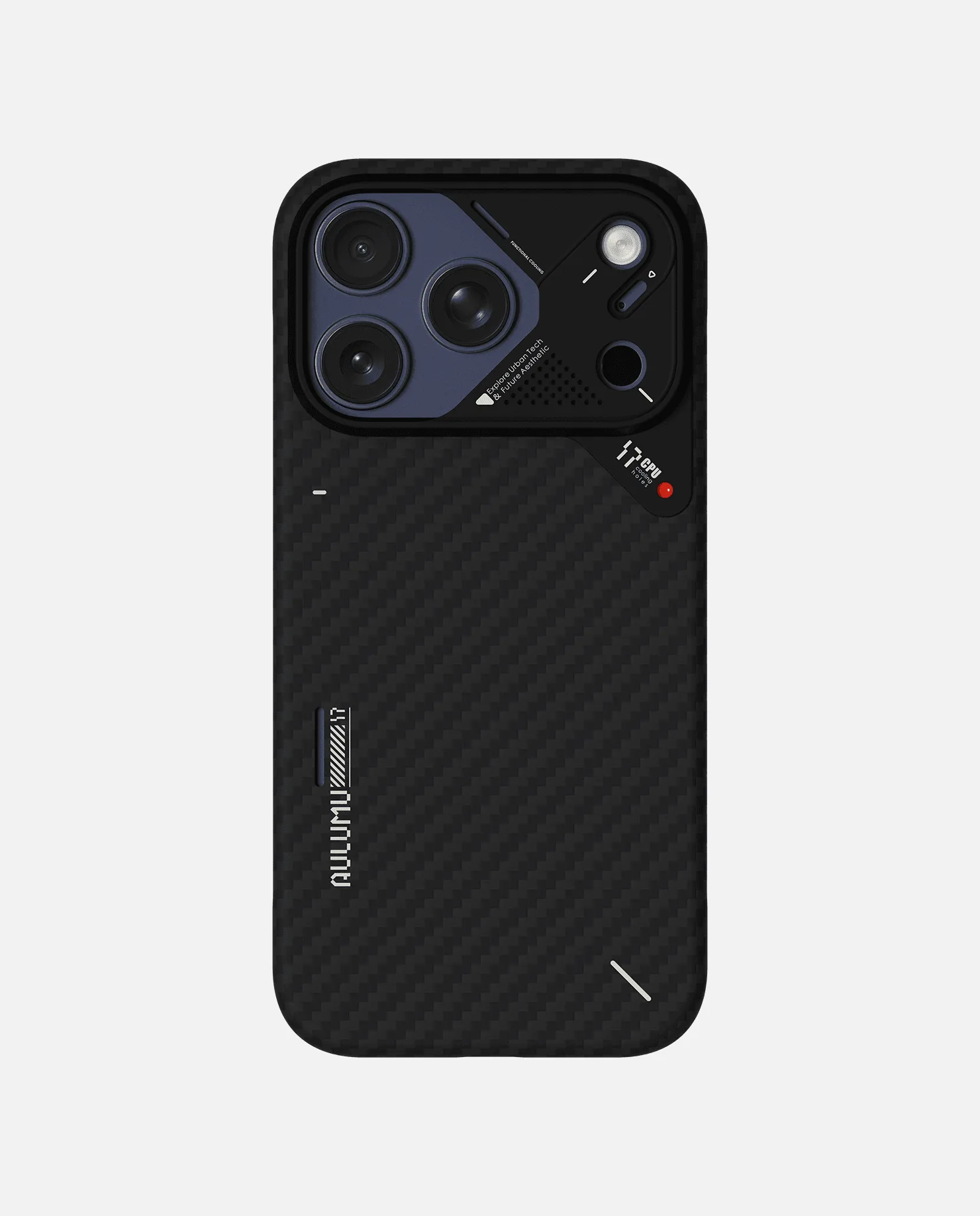
A17 Aramid Fiber Case for iPhone 17 Series
If you have a non-magnetic case, you can attach a magnetic ring to the back. However, this adds thickness and may not be as secure. Alternatively, choose a power bank with a strong magnet that can hold through a thin case. Some power banks have a rubberized surface that improves grip.
For Samsung users, a magnetic case is essential for stable attachment. Look for cases that are specifically designed for magnetic accessories. The A17 Slim Shockproof Case for iPhone 17 Series is magnetic, but for Samsung, you'll need a case with similar features.
- Use a slim, magnetic-friendly case for a secure connection.
- Avoid metal cases or cases with metal plates that block wireless charging.
- If your case is thick, test the magnetic hold before buying.
Decision Rules for Choosing a Magnetic Power Bank
- Rule 1: Check phone compatibility first: Identify if your phone has built-in magnets (iPhone) or needs a magnetic case (Samsung). Look for power banks that specify compatibility or include a magnet ring. If you have a Samsung, plan to buy a magnetic case or a power bank with a universal magnet.
- Rule 2: Match capacity to your usage: Consider your daily battery drain. For a full day out, a 10,000mAh bank is safe. For minimal use, 5,000mAh might suffice. A 10,000mAh power bank is the most versatile for most users.
- Rule 3: Verify charging speeds: Check both wireless and wired output. If your phone supports fast wireless charging (15W), look for a power bank that supports it. Otherwise, rely on wired for speed. Don't pay extra for 15W wireless if your phone only supports 7.5W.
- Rule 4: Test case compatibility: If you use a case, ensure it's magnetic-friendly and not too thick. A slim magnetic case is ideal. Consider the A17 Slim Shockproof Case for iPhone 17 Series if you need a magnetic case.
Related Products from Our Store
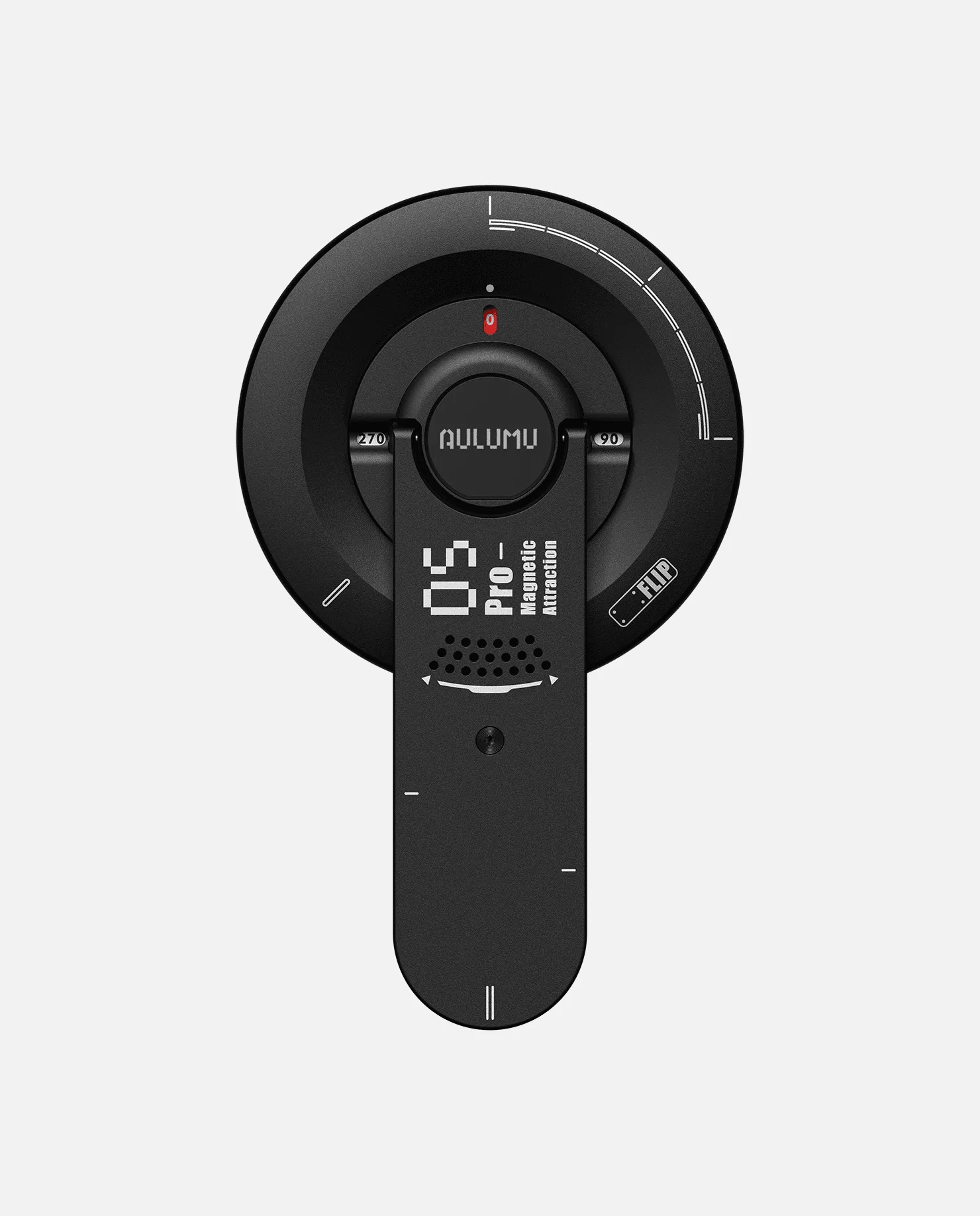
- A17 iPhone 17 Series Aramid Fiber Case & G09 Ghost Infinite 360° Magnetic Stand: Protect your iPhone 17 Pro or Pro Max with this Aramid Fiber Case, designed for a sleek and durable fit. The included G09 Ghost Infinite 360° Magnetic Stand adds versatile viewing angles and convenient hands-free use. This case is lightweight and has a 360° magnetic stand, which can also help position your phone for better wireless charging alignment. However, note that the stand adds a bit of thickness, so ensure your power bank can still hold securely.
- https://purecozyhomeai.shop/products/a17-slim-shockproof-case-for-iphone-17-series-magnetic-295909A17 Slim Shockproof Case for iPhone 17 Series | Magnetic: The A17 Slim Shockproof Case for iPhone 17 Series offers reliable protection with a slim profile and magnetic functionality. Designed for everyday use, it helps safeguard your phone against drops and impacts while maintaining a sleek look. A slim magnetic case like this one is ideal for use with magnetic power banks because it maintains a strong magnetic connection and allows efficient wireless charging without interference.
Who Should Buy What
Best for
- iPhone users who want a simple, cable-free charging experience with MagSafe-compatible power banks.
- Samsung users who are willing to use a magnetic case to enable magnetic charging.
Not for
- Users with thick or metal cases that block magnetic connection—they should remove the case or choose a different solution.
- Those who need ultra-fast charging and prefer wired power banks with higher wattage.
Choosing the right magnetic power bank comes down to understanding your phone's magnetic compatibility, your daily power needs, and the case you use. By following these decision rules, you can confidently pick a power bank that keeps your iPhone or Samsung charged without the hassle of cables. Remember to pair it with a magnetic-friendly case for the best experience.