Quick Answer
Choose a natural deodorant by matching the formula's odor-fighting mechanism to your skin's tolerance, not by chasing the strongest claim. If your underarms sting, redden, or darken with baking soda, switch to a gentler grain or a baking-soda-free option; if odor breaks through by midday, look for a formula that neutralizes odor rather than only masking it. Primally Pure's Lemongrass Deodorant (1.7 oz) is a solid starting point for most people because its tallow, fine-grain baking soda, and lemongrass oil balance effectiveness with a gentler feel.
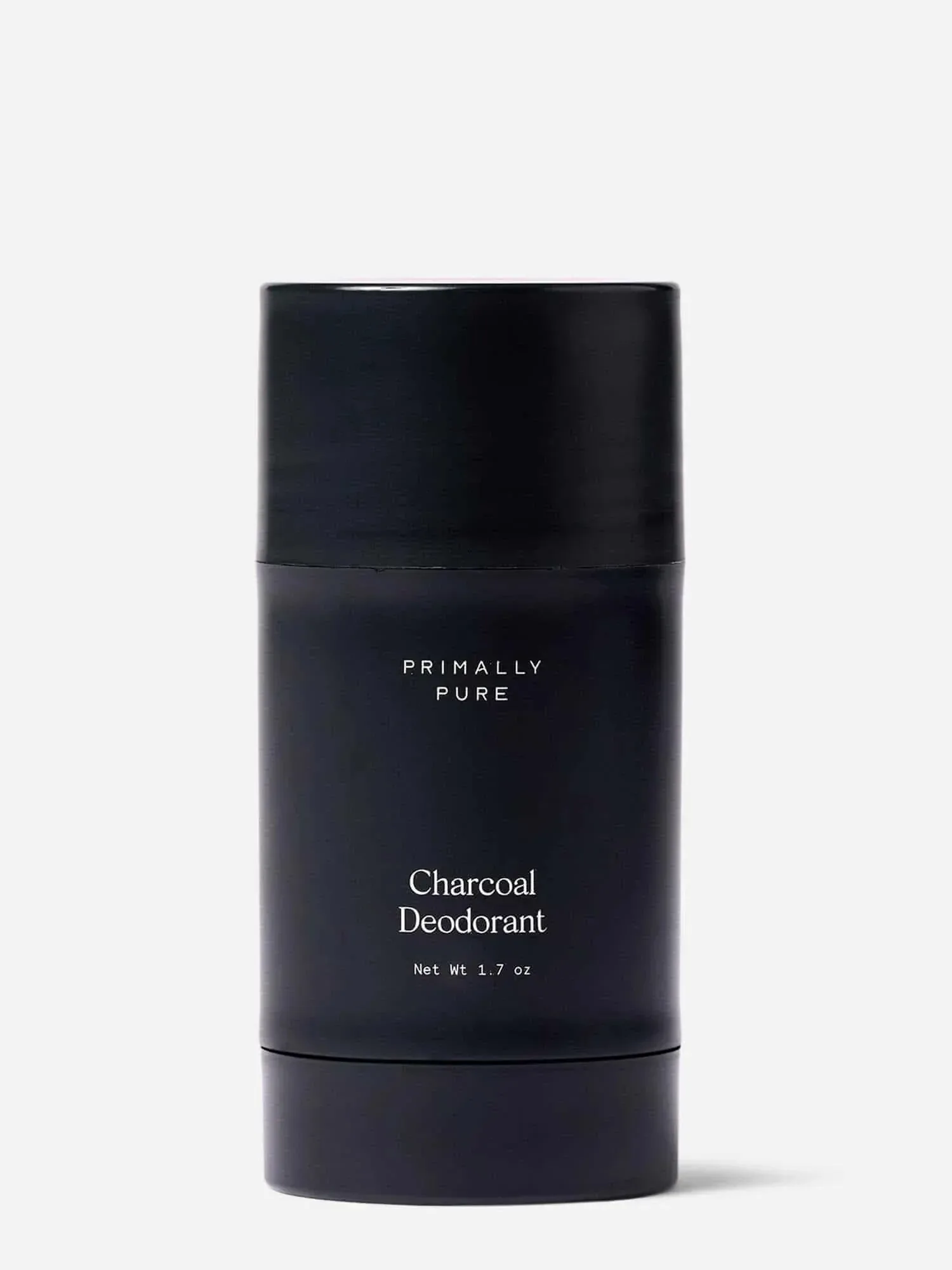
Deodorant (1.7 oz)
Read the Ingredient List in This Order
Start with the odor-fighting agent, then the base, then the scent. Natural deodorants typically neutralize odor with baking soda, magnesium, or zinc, and each behaves differently on skin. Baking soda is the most effective at odor control for many people, but its grain size and concentration determine whether it feels gentle or abrasive. A finer, naturally mined grain is less likely to cause the irritation that gives baking soda a bad reputation.
Next, check the base. Tallow from grass-fed cows is rich in fat-soluble vitamins and closely matches skin's own lipids, so it supports the barrier while the odor-fighting ingredients work. Plant butters and oils can do similar work, but they vary in how quickly they absorb and how much residue they leave. Finally, look at the scent: bright essential oils like lemongrass purify and refresh, while heavier florals can feel cloying in heat.
- Odor-fighting agent: baking soda, magnesium, or zinc — this determines strength and irritation risk.
- Base: tallow, shea, coconut oil, or arrowroot — this determines feel, absorption, and barrier support.
- Scent: essential oils or fragrance — choose bright and purifying over heavy and sweet if you sweat often.
Decide Whether You Need a Baking Soda Free Deodorant
Baking soda sensitivity is real and common, but it is not universal. The telltale signs are a burning or stinging sensation within minutes of application, a red rash that appears only in the underarm area, or darkened, thickened skin after weeks of use. If you notice any of these, stop using the product and let your underarms calm down before trying a baking-soda-free formula.
If you have never reacted to baking soda, you do not need to avoid it. In fact, it is often the most reliable odor neutralizer in a natural formula. The key is the grain: a finer, naturally mined baking soda is less likely to cause the micro-abrasions that lead to irritation. If you are unsure, start with a formula that uses a small amount of fine-grain baking soda rather than jumping straight to a baking-soda-free product that may not control odor as well.
- React within minutes? You likely have baking soda sensitivity — switch to a baking-soda-free formula.
- No reaction but occasional odor breakthrough? Try a formula with fine-grain baking soda before giving up on it.
- Already using a baking-soda-free deodorant and still odor-prone? Check whether your formula contains magnesium or zinc, which can be less effective for some people.
Match Formula Strength to Your Day
A deodorant that works for a desk job may not hold up through a workout or a humid commute. If you sweat heavily or are physically active, choose a formula with a higher concentration of odor-fighting ingredients and a base that stays put. Tallow-based formulas tend to have a firmer texture that grips the skin and releases slowly, which can help with longevity.
If your underarms are sensitive or you shave frequently, prioritize a gentler formula even if it means reapplying once. Irritation from a too-strong deodorant can take days to resolve, and the discomfort is not worth the extra hours of odor control. A good compromise is a formula that uses fine-grain baking soda at a lower percentage, paired with soothing tallow or plant butters.
- Heavy sweater or athlete: look for a firmer base and a higher concentration of odor neutralizers.
- Sensitive or freshly shaved skin: choose a gentler grain or a baking-soda-free formula, and reapply as needed.
- Hot climate: a bright, purifying scent like lemongrass feels fresher than heavy florals or sweet vanilla.
Test a New Deodorant Without Wasting Money
Before committing to a full-size stick, consider how the brand handles trial and error. Some brands offer smaller sizes or bundles that let you test a formula without a large upfront cost. If you are new to natural deodorant, expect a transition period of one to two weeks as your underarm microbiome adjusts; odor may seem stronger at first before it settles.
Apply to clean, dry skin and give the formula a few minutes to absorb before dressing. If you are layering with other products, apply deodorant last to avoid diluting it. And if a formula works for you, stick with it rather than switching frequently, since your skin adapts to the pH and ingredients over time.
- Start with a smaller size or a bundle if you are unsure about the formula.
- Allow one to two weeks for your underarms to adjust before judging odor control.
- Apply to dry skin and let it set before dressing to improve longevity.
Decision Rules for Buying Natural Deodorant
- If you react to baking soda with stinging or rash: Choose a baking-soda-free formula or one that uses a very fine grain at a low concentration. Do not try to push through the irritation; it usually gets worse, not better. Sensitivity is a signal to switch, not to toughen up.
- If odor breaks through by midday: Look for a formula with a higher concentration of baking soda or magnesium, and a base that stays put. Tallow-based formulas often last longer because they resist sweat better than thin, water-based gels. Strength matters, but so does texture — a firmer base holds up longer.
- If you shave your underarms frequently: Wait at least a few hours after shaving before applying deodorant, and choose a gentler formula. Applying to freshly shaved skin increases absorption and irritation risk. Timing your application can matter as much as the formula itself.
- If you are new to natural deodorant: Expect a transition period of one to two weeks. Start with a formula that balances effectiveness and gentleness, like one with fine-grain baking soda and a nourishing base, rather than jumping to the strongest option. Give it two weeks before deciding it does not work.
Product Facts
- Lemongrass Deodorant (1.7 oz): This award-winning, natural deodorant is made with vitamin-rich, bioavailable ingredients that work with the body to not only effectively neutralize odor, but to help minimize toxic buildup. Tallow from grass-fed cows, naturally-mined baking soda (containing a finer grain for a more gentle formula) and bright, purifying lemongrass essential oil protect against odor, prevent irritation and improve skin health. The fine-grain baking soda and tallow base make this a good middle-ground choice: strong enough for most people, but gentler than standard baking soda formulas. The lemongrass scent stays fresh without being overpowering.
- The Routine: Dry Skin: The Routine: Dry Skin is a step beyond the basics, helping rebalance your skin on a weekly basis by clearing buildup and restoring your complexion to its natural baseline of skin health. Dryness can often be a signal your skin is in need of nourishment. Biocompatible moisture and gentle plant actives restore hydration, support a resilient barrier and boost your natural radiance for healthy, hydrated skin. If your underarms are dry or flaky from past deodorant irritation, a skin-barrier-focused routine can help restore comfort before you reintroduce an odor-fighting formula.
- The Foundation: Oil-Rich Skin: The Foundation: Oil-Rich Skin is a simple routine that balances and strengthens the skin barrier – the foundation for a healthy complexion. When oil is balanced (not stripped), it can be your skin’s greatest ally – hello, youthful glow. Biocompatible moisture and purifying cold-pressed oils protect the microbiome, balance excess sebum and brighten tone for skin that’s glowing, never greasy. If you have oil-rich skin and worry that a natural deodorant will feel heavy or cause breakouts, a barrier-supporting routine can help keep underarm skin balanced while you use a tallow-based deodorant.
Who This Is For
Best for
- People who want a natural deodorant that neutralizes odor without harsh ingredients
- Those who have tried baking soda formulas and found them too irritating, but still want effective odor control
- Anyone looking for a straightforward, ingredient-focused buying guide before switching from antiperspirant
Not for
- People who need a clinical-strength antiperspirant for excessive sweating (natural deodorants neutralize odor but do not block sweat)
- Those who have already confirmed a severe baking soda allergy and need a fully baking-soda-free formula from the start
- Shoppers looking for a fragrance-free option, since this guide focuses on formulas with essential oil scents