Quick Answer
Choose hiking pants by matching the fabric and features to your main activity and expected weather. For most day hikes in mild conditions, a breathable and durable softshell or wool-blend pant works best; for heavy rain or snow, go with a waterproof shell.
Fabric matters more than style
The fabric determines how your pants perform in different conditions. Breathable materials like TENCEL™ Lyocell or merino wool blends keep you comfortable during high-output activities, while waterproof membranes protect you from rain and snow but trade breathability for protection.
Consider the climate and season. For warm summer hikes, a lightweight ripstop fabric with sun and wind protection is ideal. For cold or wet conditions, a waterproof shell or a wool blend with stretch provides warmth and mobility.
Activity dictates the features
Bouldering and scrambling require pants with stretch and durability in high-wear areas. Long treks with a heavy pack benefit from reinforced knees and seat. For alpine adventures, you might prioritize packability and waterproofness over breathability.
Think about the pockets and closures. Zippered pockets secure small items, while adjustable cuffs help with boot compatibility. Some pants offer ventilation zips for hot days, but these add weight and bulk.
The trade-off: breathability vs. waterproofing
Waterproof pants keep you dry in downpours but can feel clammy during strenuous climbs. Breathable pants wick moisture away but won't protect you from heavy rain. Many hikers prefer to carry a packable waterproof shell and wear a breathable pant as their primary layer.
If you hike in a rainy climate, a waterproof shell is a worthwhile investment. If you mostly hike in dry conditions, focus on breathability and comfort.
Decision Rules for Choosing Hiking Pants
- Assess the weather: If rain or snow is likely, choose waterproof shell pants. For dry conditions, opt for breathable fabrics like TENCEL™ or merino blends. Check the forecast before you buy—if you hike year-round, consider owning both types.
- Match to your activity: For bouldering or climbing, prioritize stretch and durability. For long hikes, focus on comfort and packability.
- Check the fit and features: Look for a fit that allows full range of motion without being too loose. Zippered pockets and adjustable cuffs add practicality. Try on pants with your hiking boots to ensure the length and leg opening work together.
Hiking Pants to Consider
-
M's Tree Chore Pants: The M's Tree Chore Pants are designed for bouldering and hiking, made from TENCEL™ Lyocell ripstop that is durable for its weight and provides wind and sun protection. These are a great choice for warm-weather hikes and bouldering sessions where you need freedom of movement and protection from the elements.
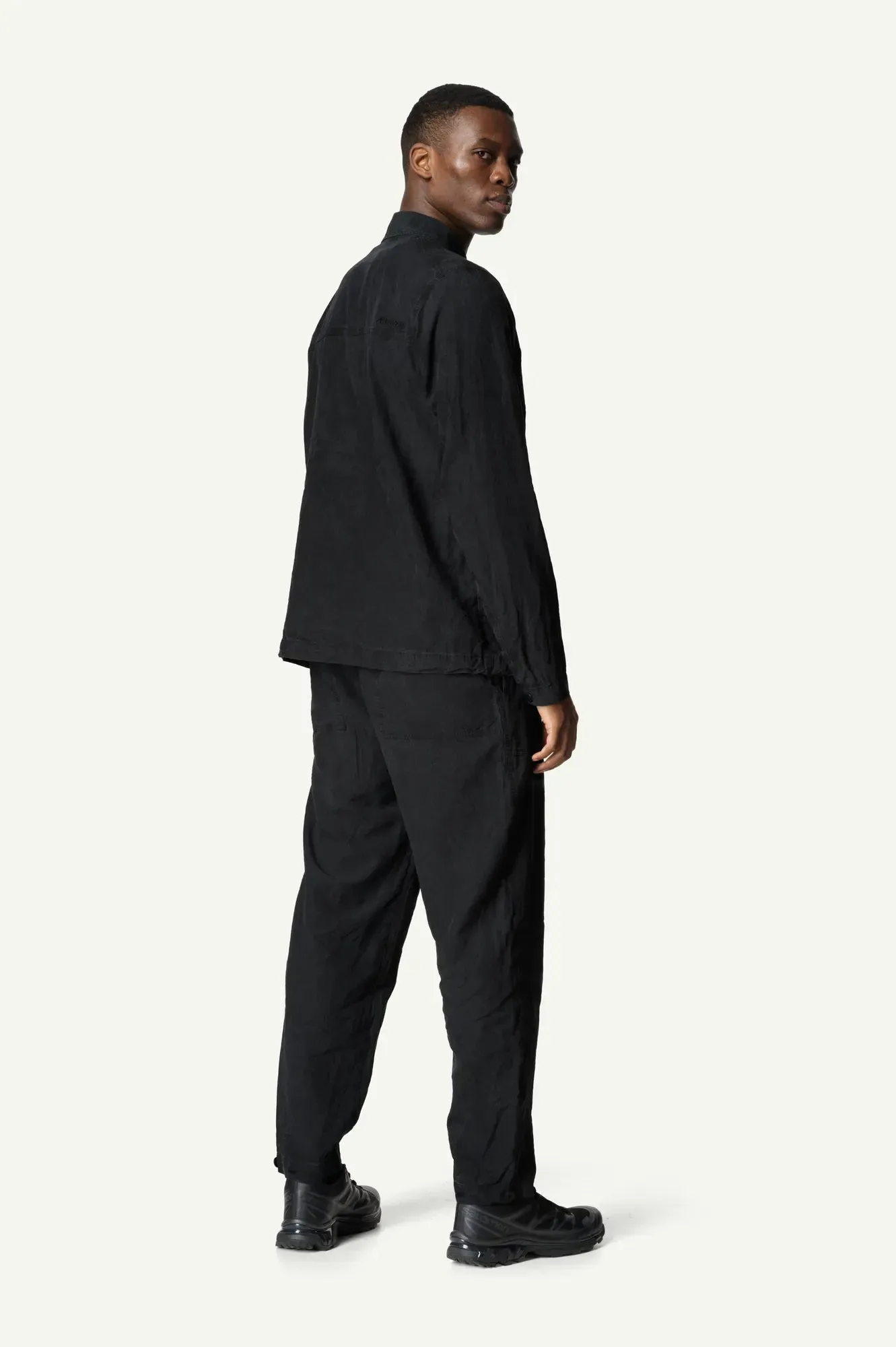
M's Tree Chore Pants
-
W's Alto Pants: The W's Alto Pants are made from Woolly Treemerino™, a Swedish-made blend of 60% merino wool and 40% Tencel® that is soft, stretchy, and lightweight. The natural merino blend offers temperature regulation and comfort, making them suitable for cool to mild conditions and multi-day trips.
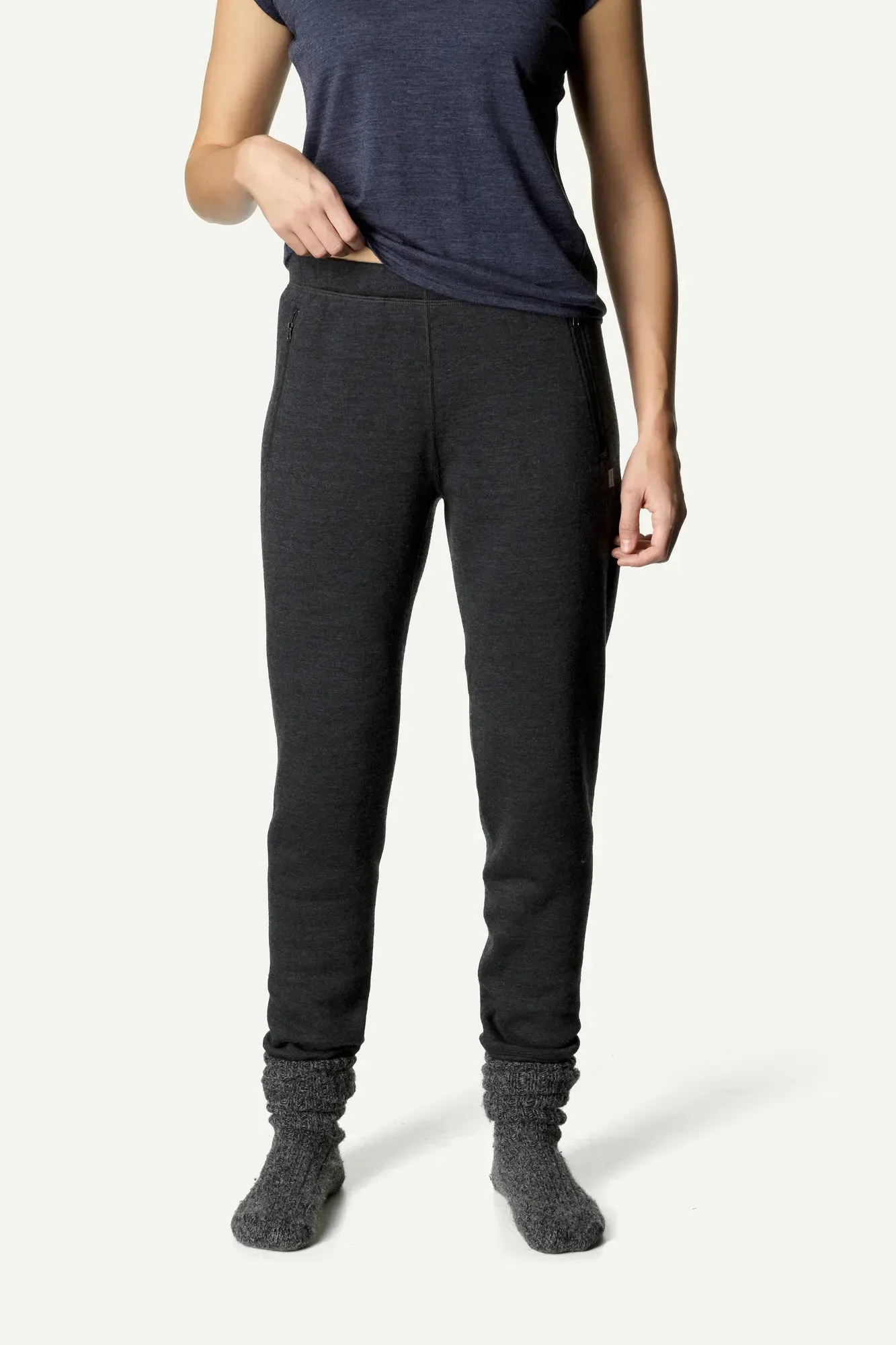
W's Alto Pants
-
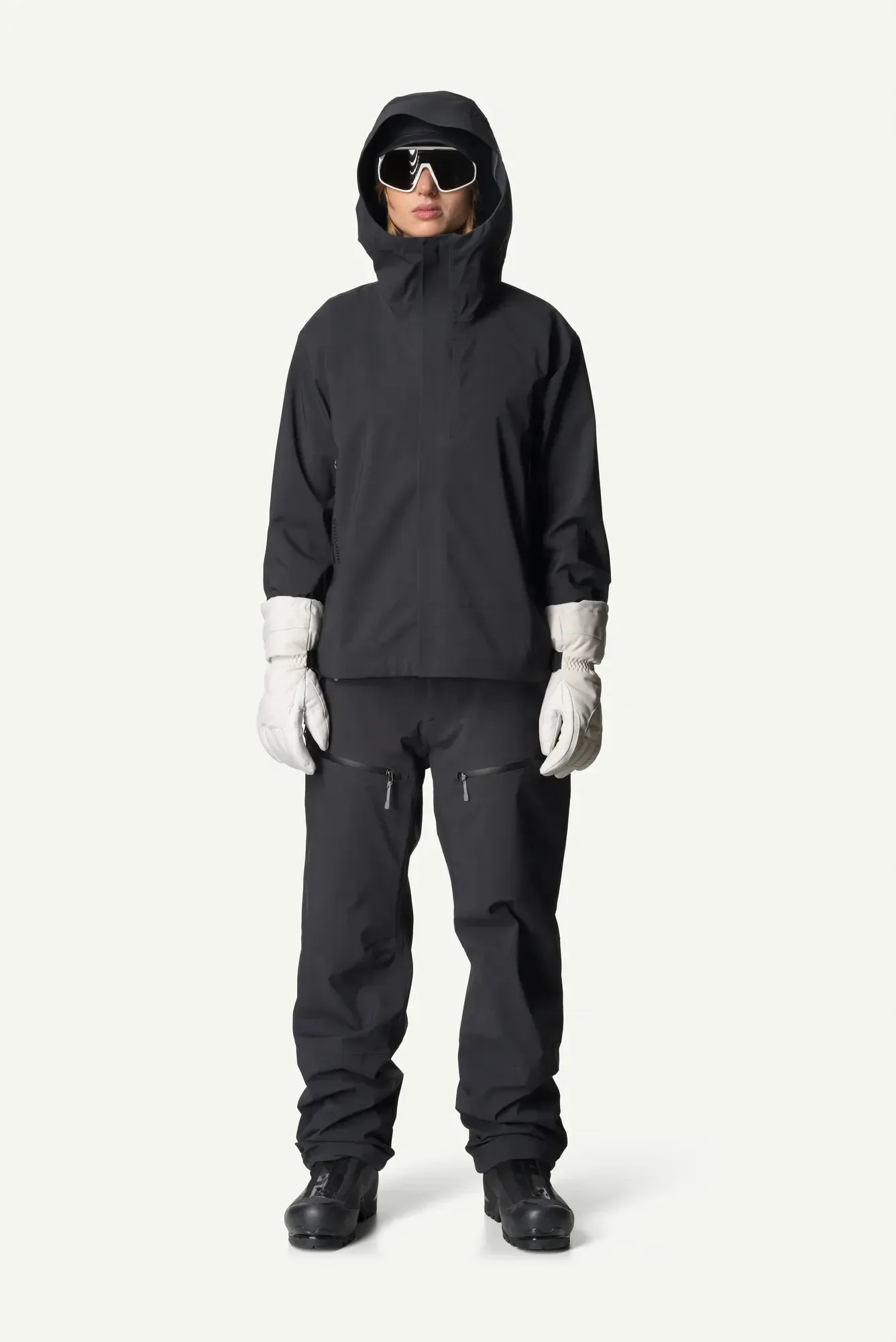
W's Five to Nine Pants: The W's Five to Nine Pants are four-season shell pants that are durable and waterproof, designed for tough conditions like rain, snow, and autumn hikes. Choose these when you expect wet or snowy weather and need reliable protection without sacrificing durability.
Who Should Choose Which Pant
Best for
- Hikers who want a breathable, all-round pant for mild weather and active use
- Adventurers facing wet or snowy conditions who need reliable waterproof protection
Not for
- Extreme alpine expeditions where specialized mountaineering pants with integrated insulation are required