Quick answer
For most primary school children, choose a single-compartment case about 20-22 cm long that holds 8-12 items, with a smooth zip and a loop for a name tag. Add compartments only if your child carries a lot of small items or loses them easily; more pockets mean more zips to break. Check the zip first, the size second, and the print last.
Start with the zip, not the print
The zip is the part that fails first. Look for a metal or moulded plastic zip with teeth that meet cleanly and a pull tab large enough for small fingers to grip. A fabric zip guard along the top edge stops pencils jamming in the teeth, which is the most common cause of a case being thrown away mid-term.
Test the zip in the shop or on arrival: open and close it ten times. If it snags, catches or the pull feels loose, return it before your child uses it. A cheap zip on an expensive case is still a cheap case.
Match the size to the school list
A pencil case that is too big slides around in a backpack and encourages children to fill it with toys. One that is too small forces them to choose between a ruler and a rubber. Measure the longest item on the school list first, usually a 15 cm or 30 cm ruler, and let that set the minimum length.
For a standard primary list of pencils, a sharpener, an eraser, a glue stick and a few coloured pencils, a case around 20-22 cm long and 8-10 cm deep is enough. If the list includes a 30 cm ruler, choose a slim 32-33 cm case or keep the ruler in a separate sleeve.
Compartments: helpful or just more to break
A school pencil case with compartments keeps small items apart and makes the morning pack faster, but each compartment adds a zip, a seam or a flap that can fail. For children under seven, one main compartment plus one small front pocket is usually the sweet spot. For children aged eight and up who carry highlighters, a calculator or a protractor, two or three sections can genuinely reduce lost items.
If you choose a multi-compartment case, check that the main section is still wide enough for a full-size pencil and that the smaller pockets are not so shallow that items fall out when the case is opened upside down.
Fabric, weight and cleaning
Quilted nylon and coated cotton wipe clean and survive being stuffed into a backpack, while stiff plastic cases crack when dropped and hard tin cases dent. Fabric cases are lighter, which matters when the backpack already holds books, a water bottle and a lunch box.
Check whether the case is machine washable or wipe-clean only. Glue sticks and ink will end up inside it, so a case you can turn inside out and rinse saves time. If the label does not state a care method, treat it as wipe-clean only.
Name tags, loops and the lost-property test
A pencil case spends more time on the floor than on the desk. A sewn-in name label or a loop that takes a luggage tag makes it far more likely to come home. Write the name on the inside of the case, not the outside, so it is not rubbed off by the end of the first month.
Ask your child to open and close the case themselves before you buy. If they need help with the zip now, they will need help every morning in September.
Decision rules for buying a school pencil case
- Rule 1: Zip quality beats decoration: Open and close the zip ten times before buying. Choose a case with a zip guard and a large pull tab. If the zip snags on the first try, choose a different case. A good zip outlasts any print.
- Rule 2: Size follows the longest item on the school list: Measure the ruler or longest pen first. Standard primary lists fit a 20-22 cm case; a 30 cm ruler needs a 32-33 cm case or a separate sleeve. Buy the size the list requires, not the size that looks cute.
- Rule 3: One compartment for under-7s, two or three for older children: Each extra compartment adds a zip or seam that can fail. Add compartments only when your child carries many small items and loses them. Fewer moving parts means fewer morning emergencies.
- Rule 4: Fabric over hard plastic or tin for daily backpack life: Quilted nylon and coated cotton wipe clean and absorb being stuffed into a bag. Check the care label; if it is not stated, treat it as wipe-clean only. Light and washable wins over rigid and shiny.
- Rule 5: Test it with your child before term starts: Ask your child to open, close and pack the case themselves. If they cannot manage the zip now, they will struggle every morning in September. Independence is the real test of a school pencil case.
Product facts that matter for school bags
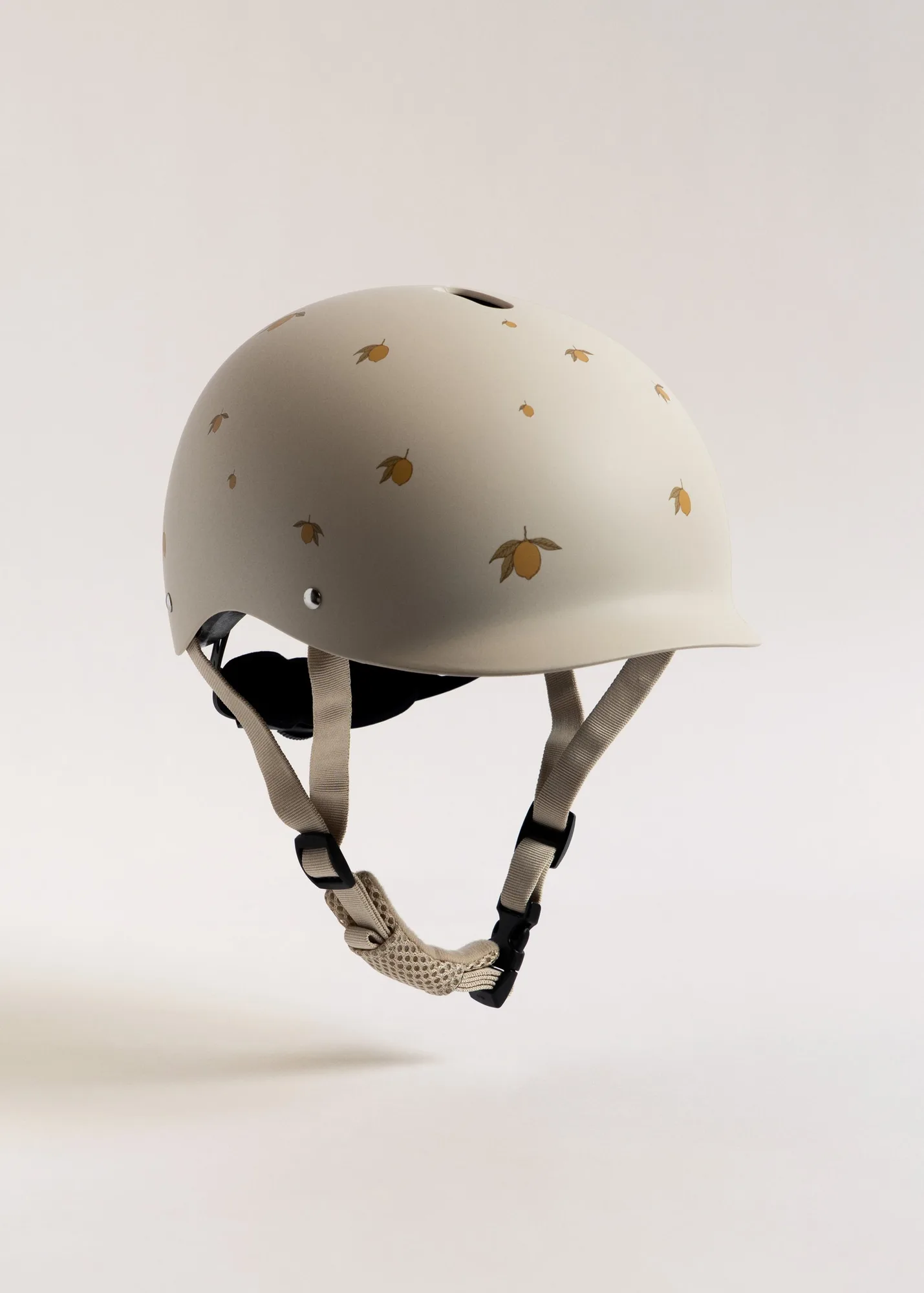
- ADI BICYCLE HELMET - lemon: The Adi bicycle helmet has an easy-grip dial at the back and a classic Nexus buckle, with removable pads and ventilation holes. The same easy-grip dial and buckle principle applies to pencil cases: children need closures they can work without adult help, so test the zip and any buckle before buying.
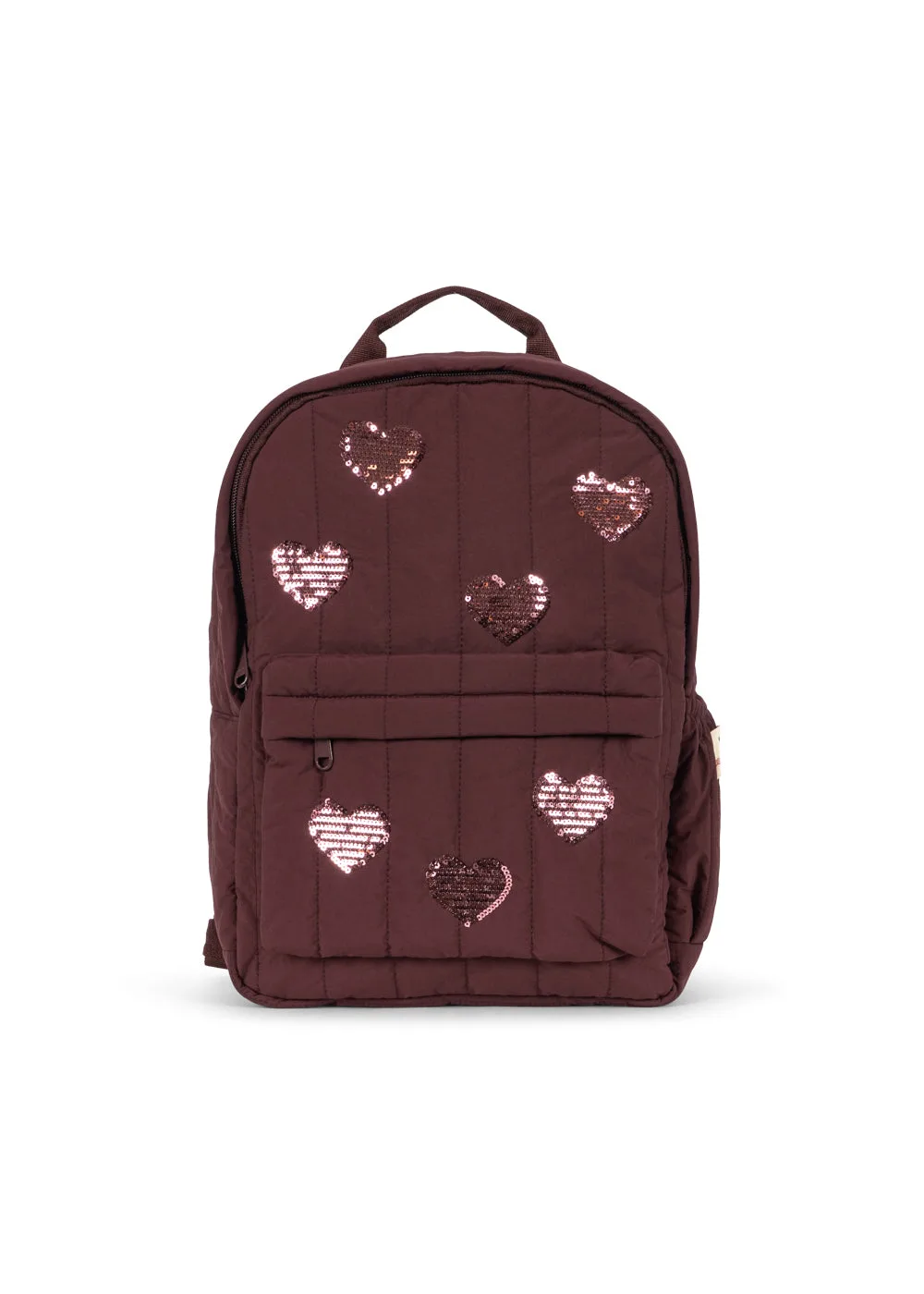
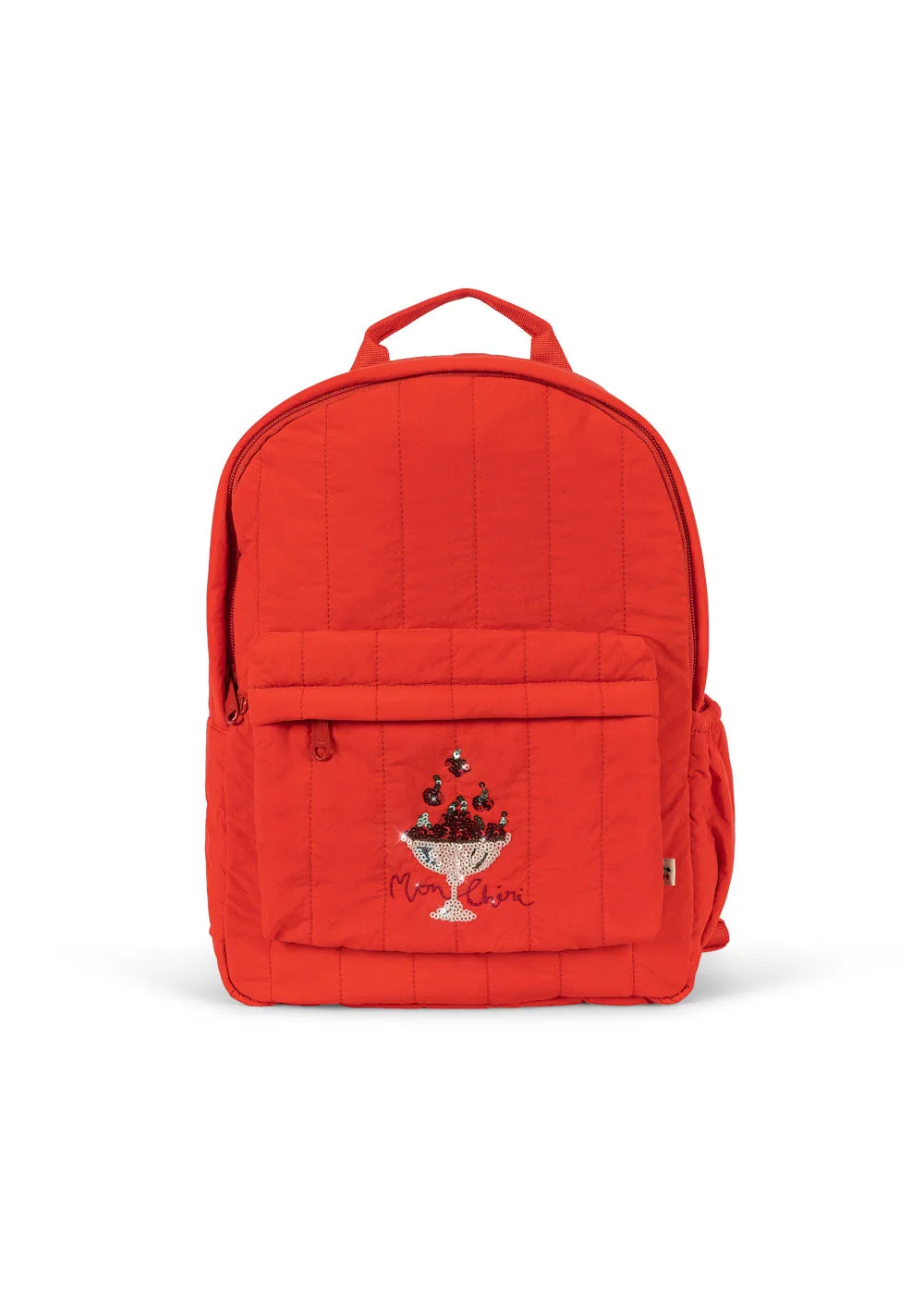
- JUNO QUILTED BACKPACK MIDI - cameo brown: The Juno quilted backpack midi has a bottle pocket, a front pocket, a chest strap, and is made from 100% nylon shell with 100% polyester lining and padding. It measures H: 32 x W: 25 x D: 10.5 cm. The 32 x 25 x 10.5 cm main compartment sets a real size limit: a pencil case longer than about 22 cm will not lie flat beside books, so measure before you choose a 30 cm case.
Who each pencil case style suits
Best for
- Children aged 4-7 who need one simple compartment and a zip they can manage alone
- Families who want a wipe-clean fabric case that survives being stuffed into a backpack
- Children whose school list includes only pencils, a sharpener, an eraser and a glue stick
Not for
- Children with a 30 cm ruler on the school list, who need a longer case or a separate ruler sleeve
- Older students carrying a calculator, protractor and highlighters, who benefit from two or three compartments
- Children who prefer a rigid tin or hard plastic case and will not use fabric