A great cup of coffee starts with freshly ground beans. While many home brewers focus on the beans or the brewing method, the grinder is often the unsung hero of the coffee experience. The difference between a mediocre and an exceptional cup can come down to the consistency and quality of your grind.
Choosing the right coffee grinder for your home setup can feel overwhelming with so many options on the market. This guide breaks down the essential factors to consider—from burr type to grind settings—so you can make an informed decision and elevate your daily brew.
Burr vs. Blade: The Grinder Showdown
The most critical distinction in coffee grinders is between blade and burr mechanisms. Blade grinders use a spinning propeller to chop beans unevenly, resulting in a mix of fine powder and coarse chunks. This inconsistency leads to over-extraction of fine particles and under-extraction of larger ones, producing bitter and sour notes in the same cup.
Burr grinders, on the other hand, crush beans between two abrasive surfaces to produce uniform particles. This precision allows for repeatable grind sizes, essential for methods like pour-over or espresso. For home use, a quality burr grinder is a worthwhile investment that dramatically improves flavor clarity and consistency.
- Blade grinders are cheaper but produce inconsistent grinds, leading to uneven extraction.
- Burr grinders offer uniform particle size, crucial for balanced flavor and repeatable results.
Manual vs. Electric: Which Suits Your Routine?
Manual grinders, like the Hario Mini Mill Hand Grinder, are compact, quiet, and affordable. They are ideal for travelers, office setups, or anyone who enjoys a hands-on morning ritual. Manual grinders also produce less static and retain fewer grounds, making cleanup easier. However, they require physical effort and time, especially for coarse grinds or large batches.
Electric grinders are faster and more convenient, especially for high-volume brewing or espresso. They offer programmable settings and often include a hopper for storing beans. The trade-off is higher cost, more noise, and a larger footprint. For most home brewers, a manual grinder provides an excellent balance of quality and value.
- Manual grinders are portable, quiet, and budget-friendly, perfect for single servings.
- Electric grinders offer speed and convenience, ideal for espresso or multiple cups.
Grind Size Consistency and Adjustability
The ability to dial in your grind size is crucial for different brewing methods. A pour-over requires a medium-fine grind, while French press needs a coarse grind. Espresso demands a very fine, uniform grind. Look for a grinder with a wide range of clearly marked settings and stepless adjustment for fine-tuning.
Consistency across all settings ensures that each particle extracts at the same rate. Even minor variations can throw off your brew. High-quality burr grinders maintain uniformity from fine to coarse, allowing you to experiment with different beans and recipes. This is where a reliable manual option like the Hario Mini Mill excels, offering 10 click settings for precise control.
- Check that the grinder offers enough settings for your preferred brewing methods.
- Stepless adjustment provides infinite fine-tuning, beneficial for espresso enthusiasts.
Durability, Maintenance, and Value
A coffee grinder is a long-term investment. Look for models with ceramic or steel burrs that resist wear and maintain sharpness over years. Ceramic burrs are harder and stay sharp longer, while steel burrs are more durable against hard beans. Avoid plastic components in the grinding mechanism, as they can degrade and affect performance.
Regular maintenance—cleaning out old grounds and occasionally disassembling the burrs—extends the life of your grinder. Manual grinders are generally easier to clean and less prone to mechanical issues. Considering the price-to-performance ratio, a well-made manual grinder often delivers the best value for home enthusiasts.
- Ceramic burrs are long-lasting and resist heat buildup, preserving bean oils.
- Steel burrs are tougher but may require more frequent sharpening over decades.
Top Recommendations for Home Use
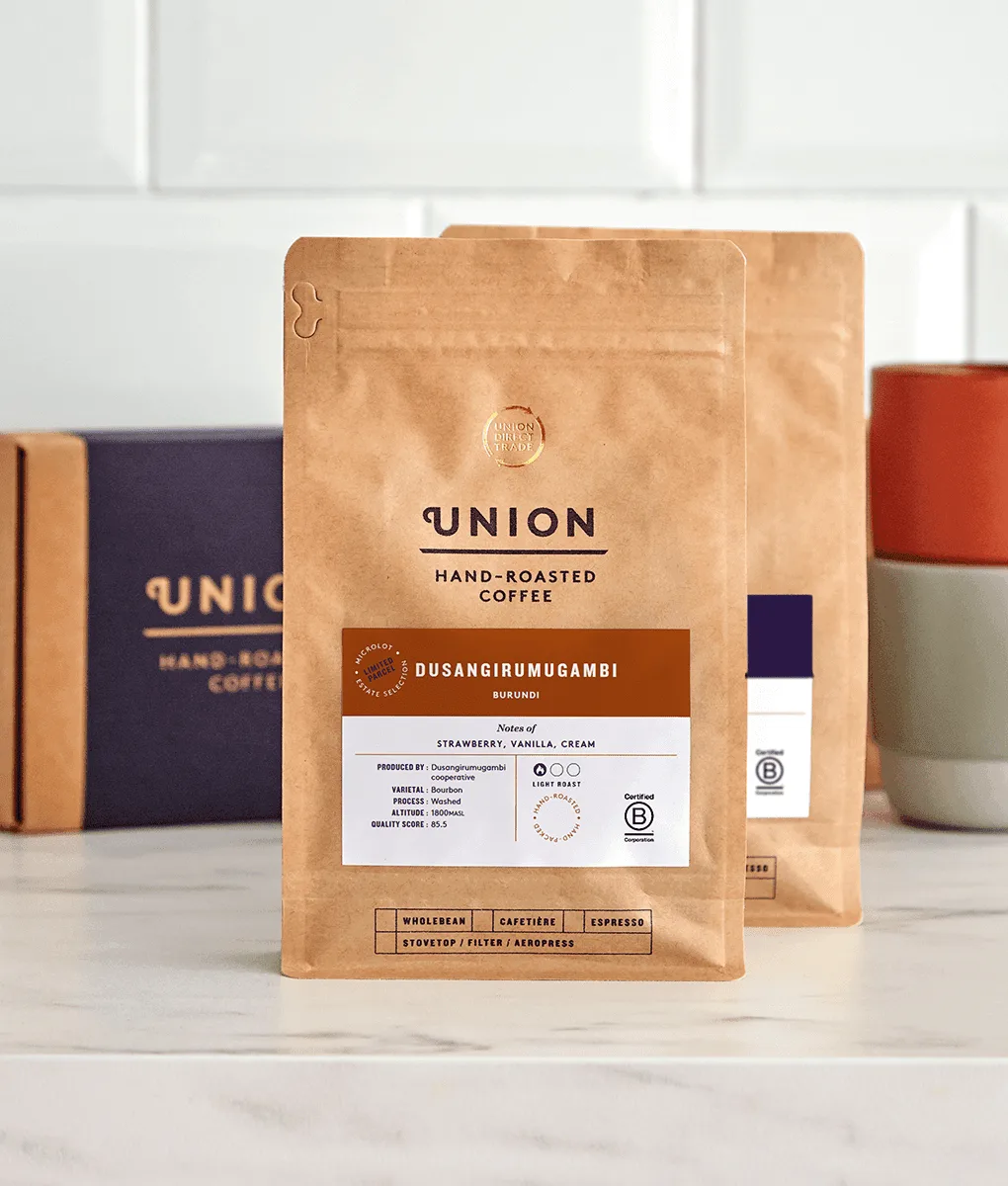
For beginners and seasoned brewers alike, the Hario Mini Mill Hand Grinder stands out as a reliable, affordable entry point. Its ceramic conical burrs deliver consistent results for drip, pour-over, and French press. Compact and easy to use, it pairs perfectly with a single-origin like Timana, Colombia for a bright, clean cup.
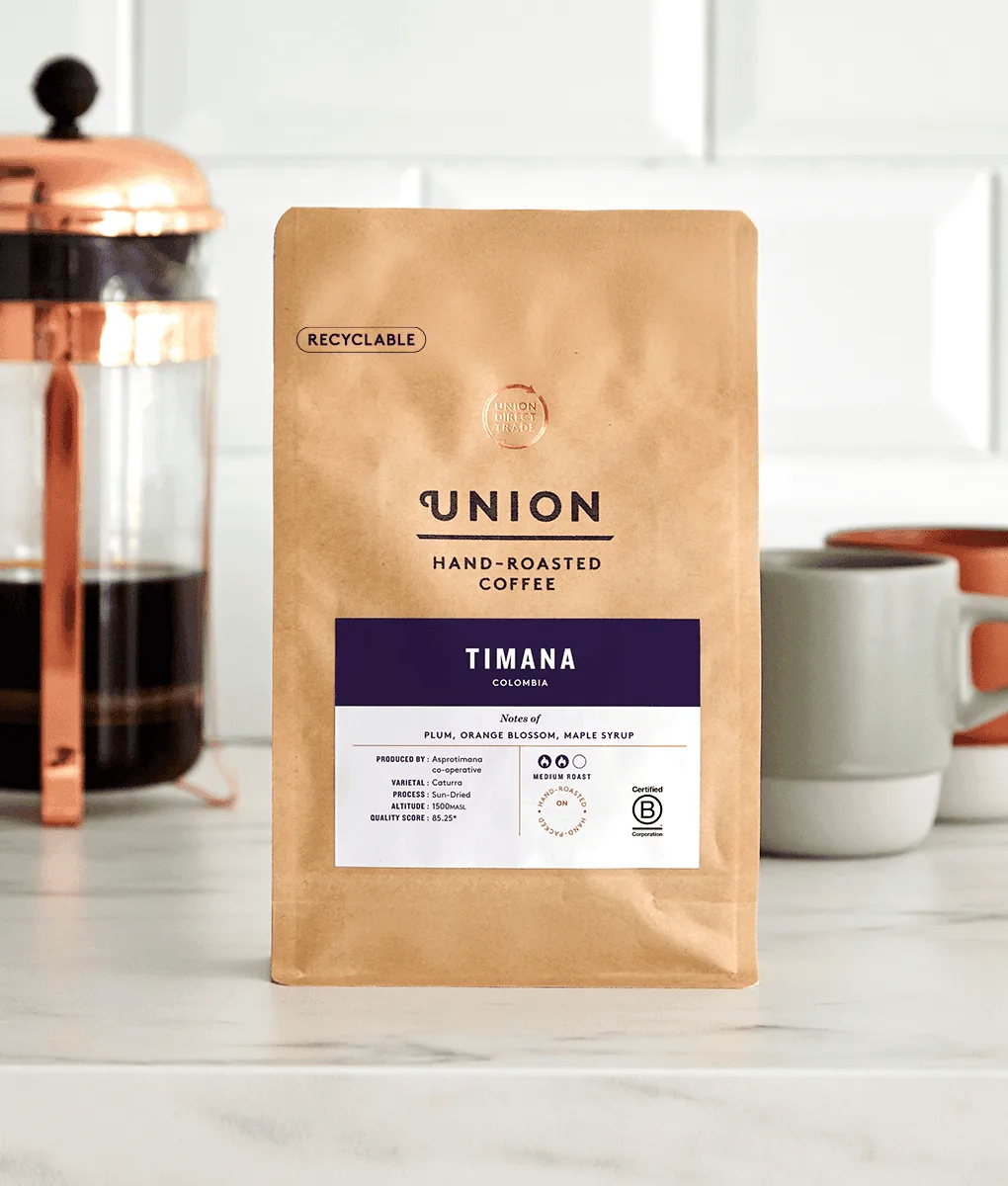
Timana, Colombia
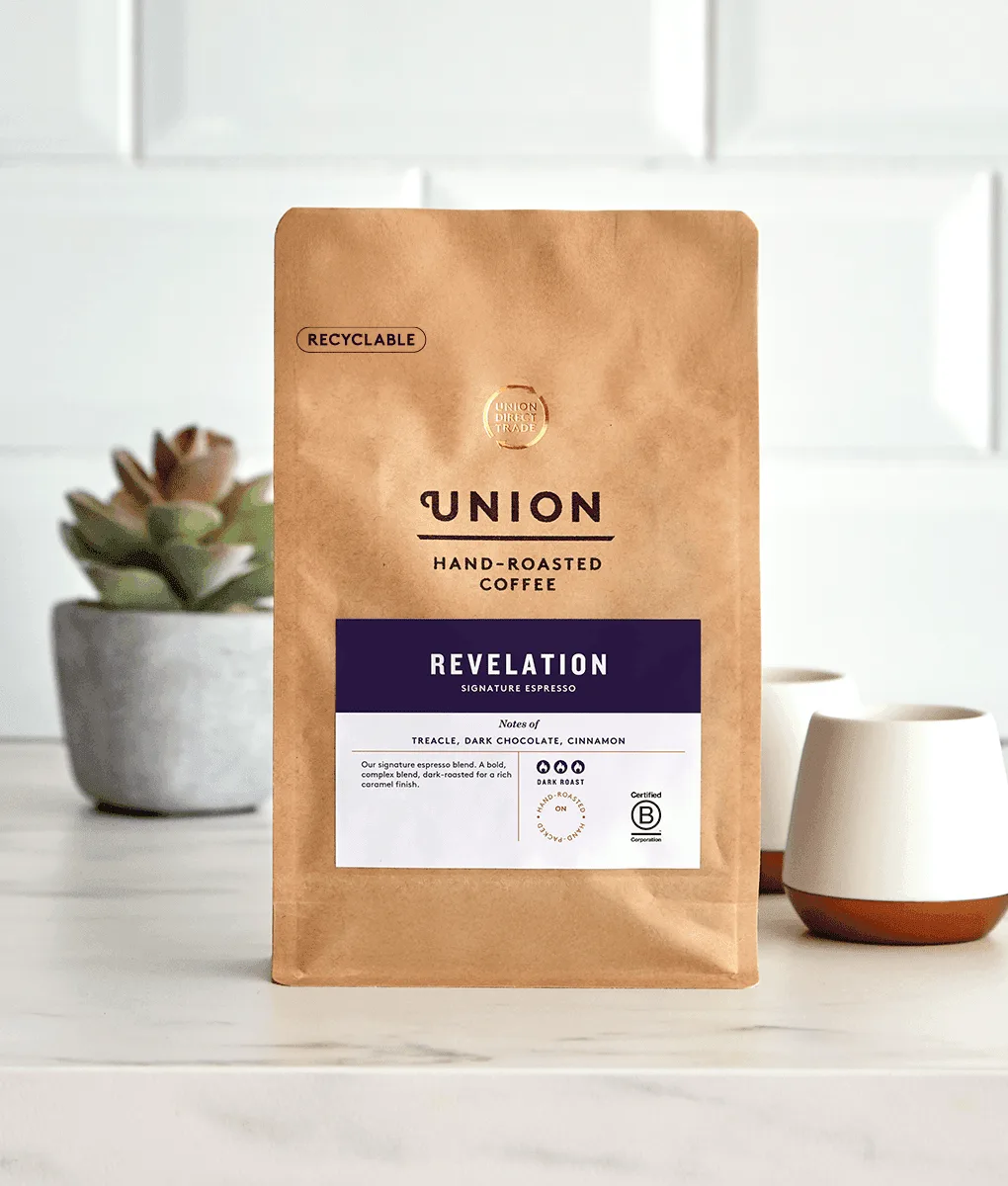
If you prefer an electric option, consider models with flat steel burrs for faster grinding and precise espresso capability. Pairing a quality grinder with a fresh roast like Bobolink, Brazil can unlock rich chocolate and nut notes. Remember, the grinder is just as important as the bean—invest wisely and taste the difference.
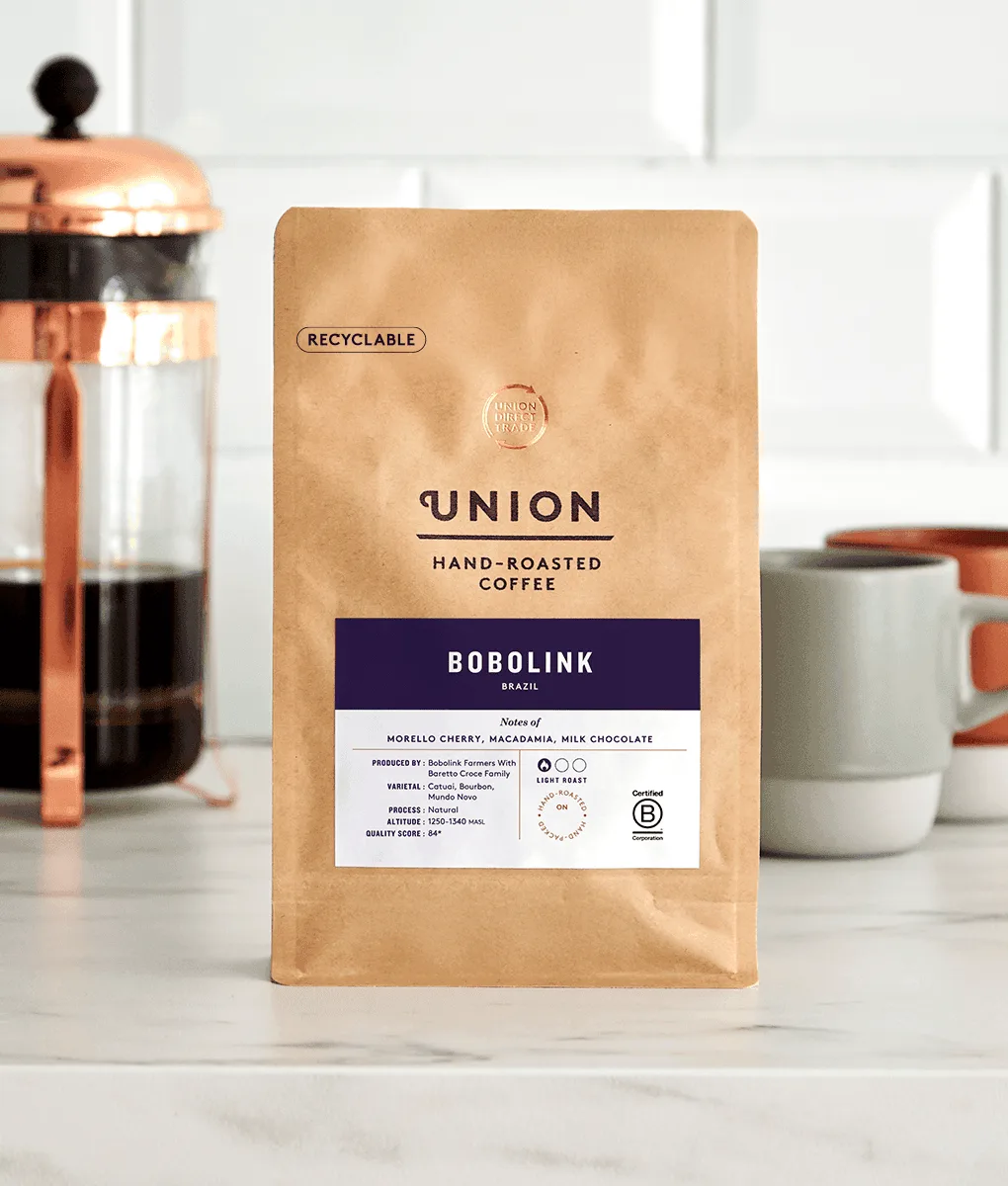
Bobolink, Brazil
- The Hario Mini Mill is a top pick for manual grinding under $100.
- Electric grinders with flat burrs offer speed and precision for espresso lovers.
Choosing the perfect coffee grinder for your home setup comes down to your brewing style, budget, and willingness to engage in the process. A consistent burr grinder, whether manual or electric, will transform your daily coffee ritual. For a reliable and affordable start, explore the Hario Mini Mill Hand Grinder and experience the difference freshly ground coffee makes.