Stand-up paddle boarding has surged in popularity over the past few years, and inflatable paddle boards are leading the charge. They are portable, durable, and surprisingly stable — making them ideal for everyone from first-timers to seasoned paddlers. But with so many options on the market, how do you choose the perfect inflatable paddle board for your skill level?
Whether you are a complete beginner looking for a stable platform or an experienced paddler seeking speed and agility, this buying guide will walk you through the key factors to consider. We will cover board size, shape, construction, and accessories, so you can make an informed decision and hit the water with confidence.
Understanding Inflatable Paddle Board Basics
Before diving into skill-level recommendations, it helps to understand what makes inflatable paddle boards different from hard boards. Inflatable SUPs are made from drop-stitch material, which allows them to be inflated to high pressure (typically 15–20 PSI) for a rigid, stable ride. They are far more portable than rigid boards — deflating to fit in a backpack — and are generally more forgiving if you bump into rocks or docks.
Key features to look for include length, width, thickness, and fin setup. Longer boards (over 11 feet) track straighter and glide faster, making them great for touring. Wider boards (over 32 inches) offer more stability, ideal for beginners. Thicker boards (6 inches or more) provide better weight capacity and rigidity. Most recreational boards come with a removable center fin for tracking and stability.
- Look for a board with at least 6 inches of thickness for optimal rigidity.
- A removable fin system makes transport and storage easier.
Best Inflatable Paddle Boards for Beginners
If you are new to paddle boarding, stability is your top priority. A beginner paddle board should be wide (32–34 inches), long (10–11 feet), and thick enough to support your weight without wobbling. These dimensions give you a stable platform to practice standing, paddling, and turning without tipping over easily.
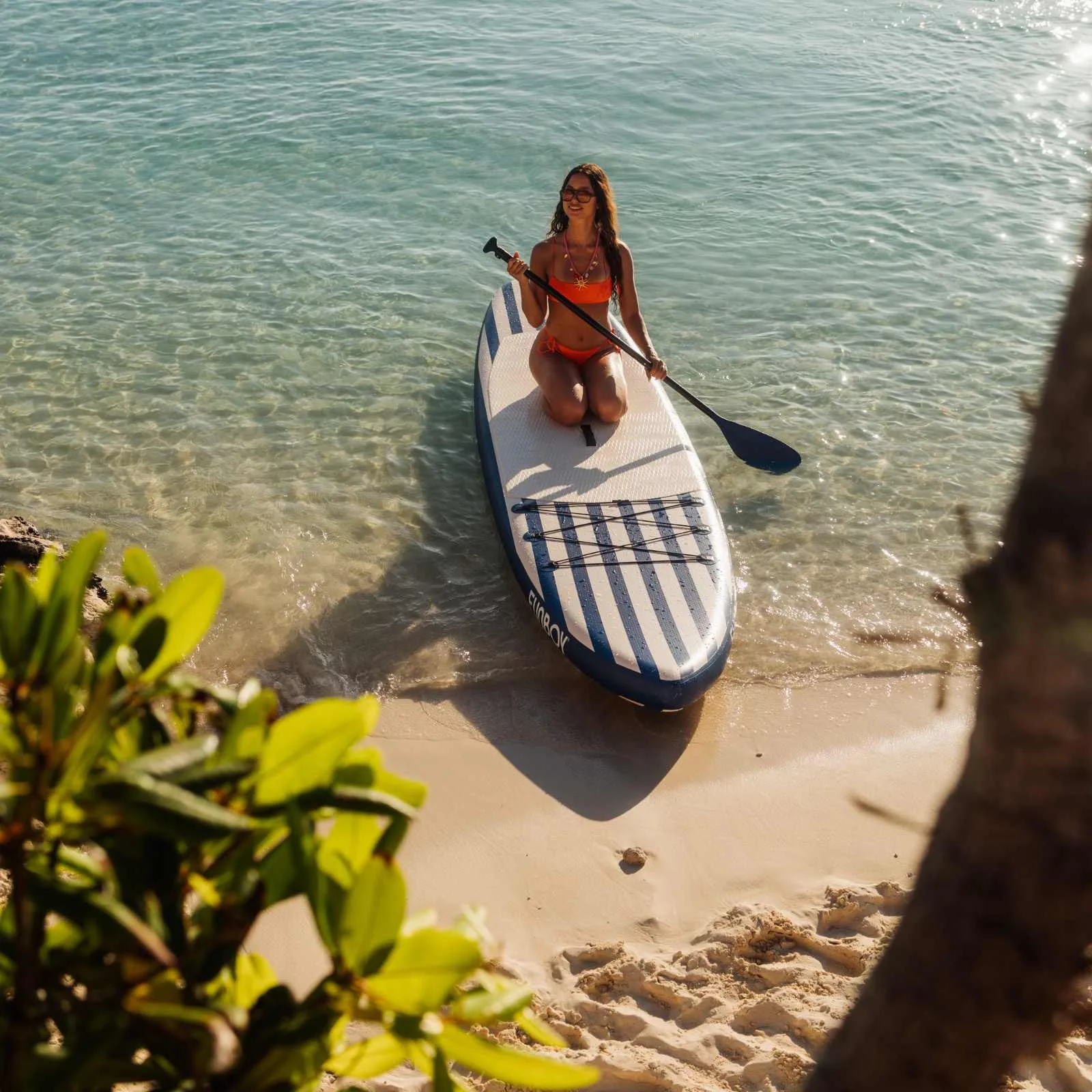
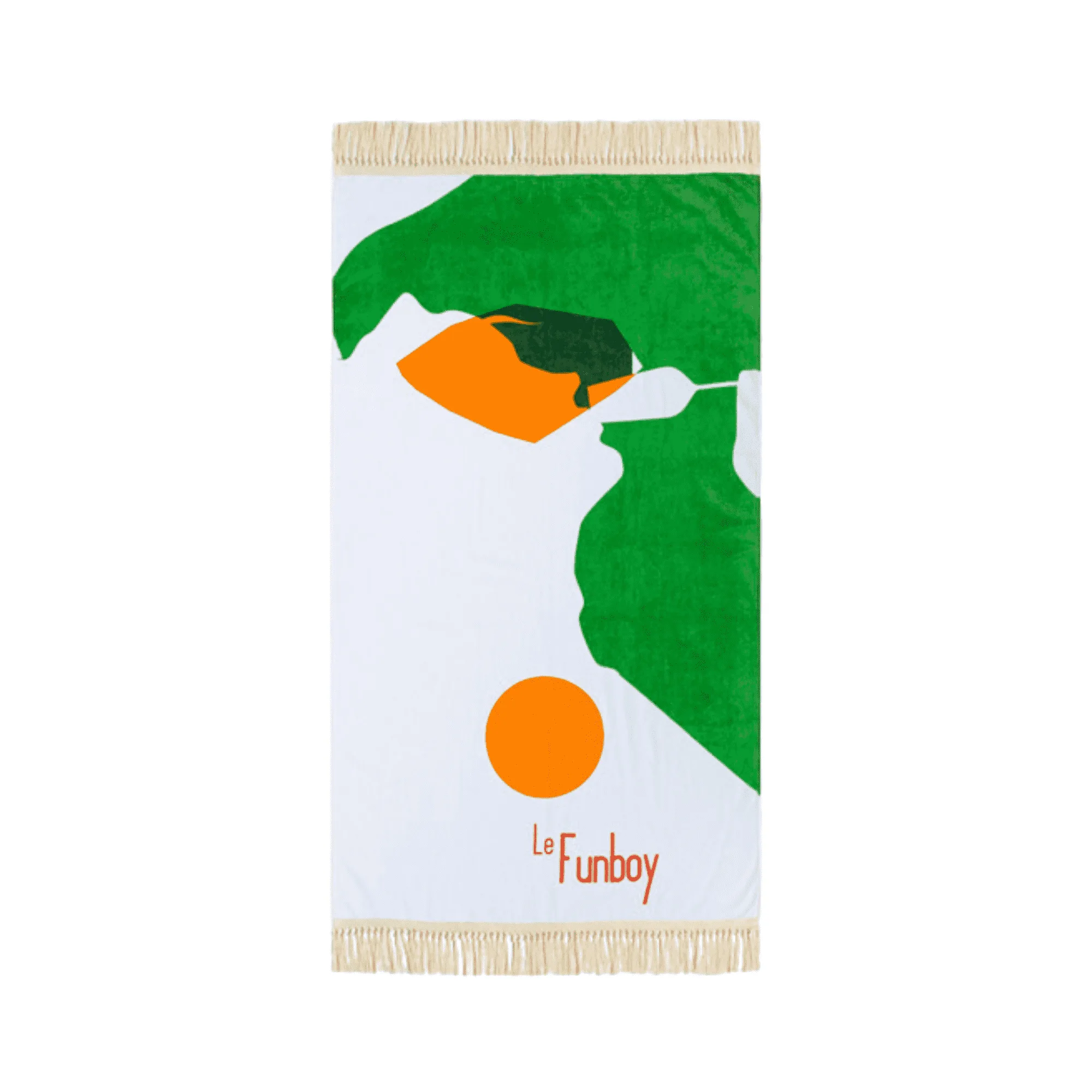
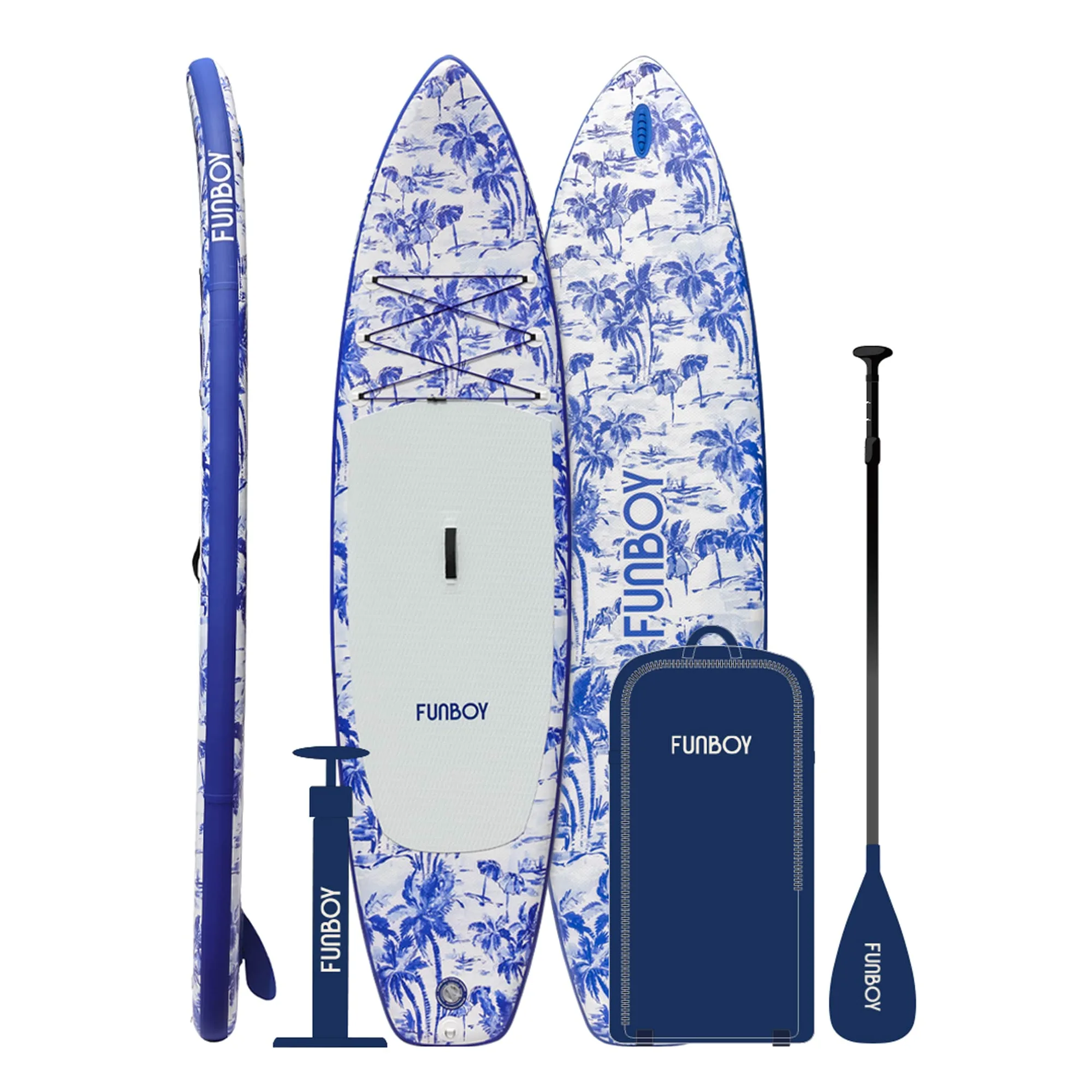
The https://pickkind.shop/products/stand-up-paddle-board-113911Stand Up Paddle Board from FUNBOY is an excellent choice for beginners. It offers a wide, stable deck and comes with a high-pressure pump, adjustable paddle, and travel backpack. Its durable construction ensures you can learn without worrying about punctures. For added comfort, pair it with a https://pickkind.shop/products/cabana-stripe-beach-towel-114352https://pickkind.shop/products/cabana-stripe-beach-towel-114353Cabana Stripe Beach Towel to dry off after your session.
- Choose a board with a soft, non-slip deck pad for better grip.
- Practice in calm, flat water before trying waves or currents.
Intermediate and Advanced Inflatable SUP Options
Once you have mastered the basics, you may want a board that offers more speed, maneuverability, or versatility. Intermediate paddlers often prefer a slightly narrower board (30–32 inches) that glides faster and turns more responsively. Advanced paddlers might choose a touring or racing shape — longer and narrower — for maximum efficiency.
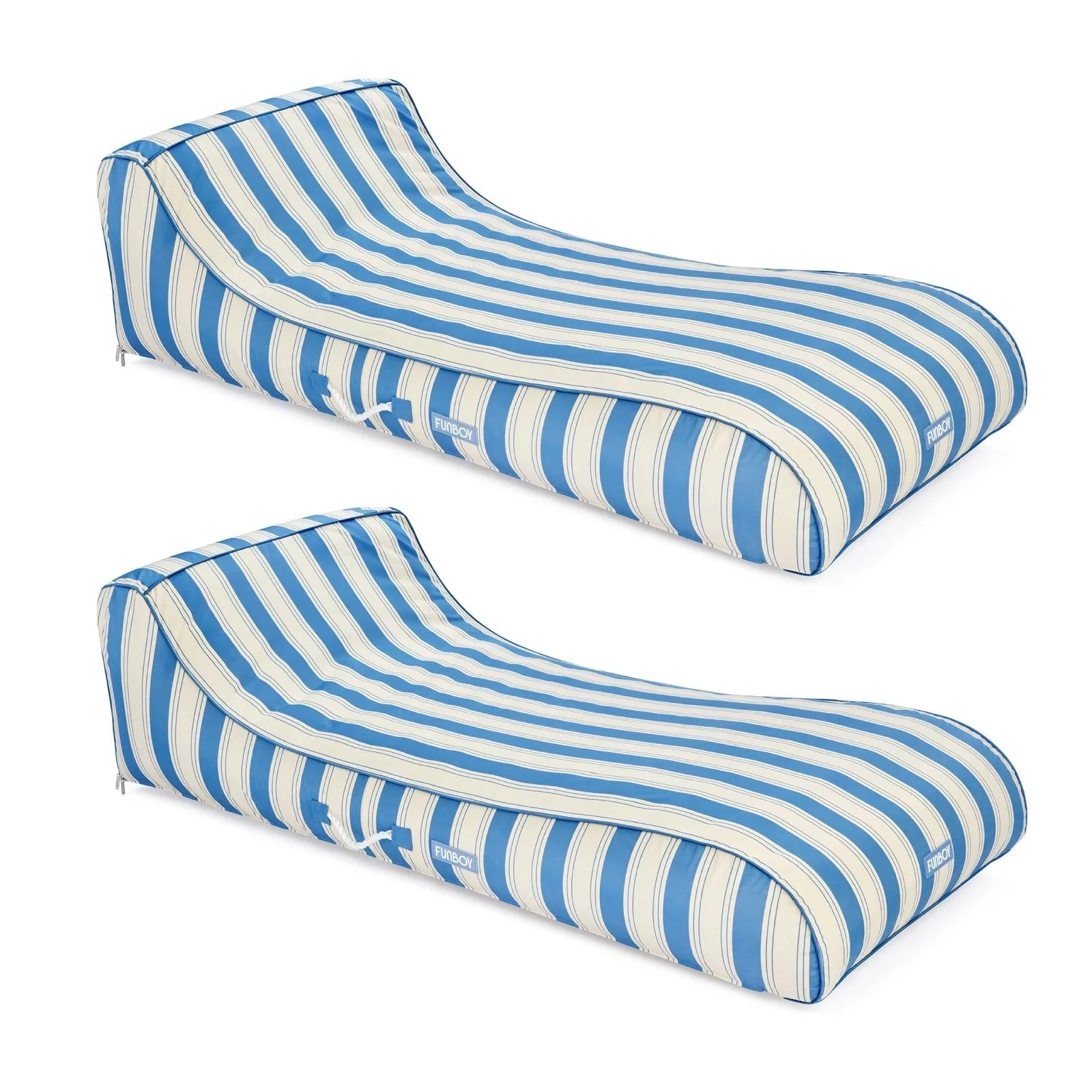
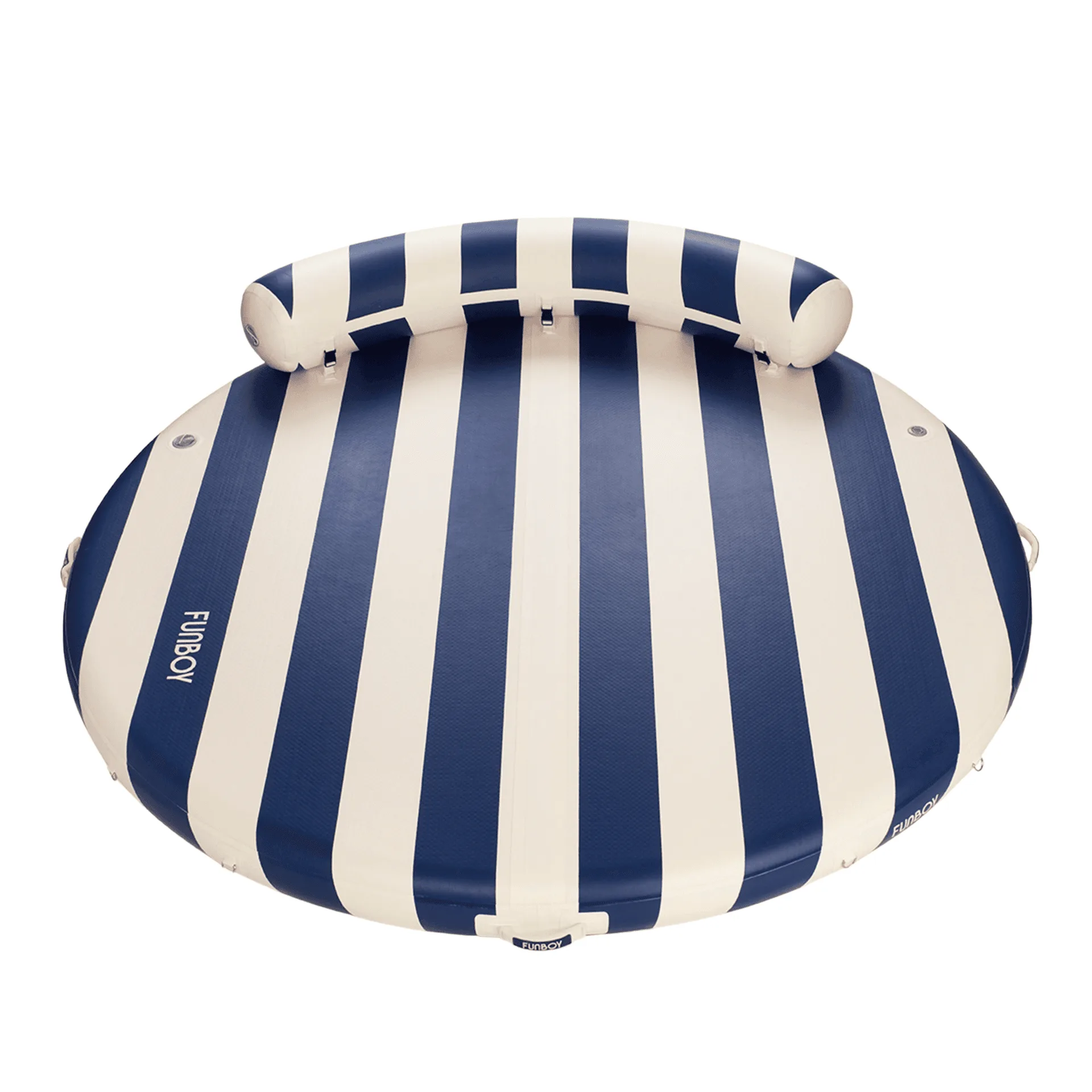
For those who enjoy a mix of paddling and lounging, the Leisure Island is a unique multi-person inflatable that can be used as a floating platform. While not a traditional SUP, it offers a fun way to relax with friends. Experienced paddlers can also consider adding a Fabric Noodle Float for a lightweight, compact option for calm days.
- A touring board (12–14 feet) is ideal for long-distance paddling.
- Look for a board with a pointed nose for better glide in open water.
Key Features to Match Your Paddling Style
Your paddling style and intended use should guide your choice. If you plan to paddle on lakes and rivers, a all-around board (10–11 feet, 32–34 inches wide) is versatile. For ocean surfing, a shorter, wider board with a rockered nose helps you catch waves. For yoga or fishing, an extra-wide board provides stability for standing or sitting.
Weight capacity matters too. Most inflatable SUPs support 200–300 pounds, but if you plan to bring gear or a pet, choose a board with higher capacity. Always check the recommended PSI — inflating to the proper pressure ensures the board performs as designed. A good pump (often included) makes this easy.
- All-around boards are the most versatile for beginners and intermediates.
- Consider a board with a bungee storage area if you want to bring extra gear.
Accessories and Maintenance Tips for Your SUP
Once you have your inflatable paddle board, proper care extends its life. Always rinse the board with fresh water after use in saltwater or chlorinated pools. Dry it thoroughly before deflating and storing. Most boards come with a repair kit for minor punctures, but avoid dragging the board on rough surfaces.
Accessories like a high-quality pump, a coiled leash, and a comfortable life vest enhance your experience. A Cabana Stripe Beach Towel is great for drying off and adding a touch of style to your beach setup. For family outings, the Kids Air Mattress provides a cozy spot for little ones to rest after paddling.
- Store your board in a cool, dry place away from direct sunlight.
- Check the fin screw and valve regularly for tightness and wear.
Choosing the perfect inflatable paddle board for your skill level comes down to balancing stability, size, and intended use. Beginners should prioritize width and thickness, while advanced paddlers can opt for longer, sleeker designs. With the right board and a few quality accessories, you will be ready to explore lakes, rivers, and coastlines with confidence. Ready to start paddling? Check out the Stand Up Paddle Board from FUNBOY — it is a fantastic all-around choice for beginners and intermediates alike.