Creating a sustainable bedroom starts with the choices you make — from the furniture you select to the fabrics you sleep in. Among the most impactful swaps you can make is switching to linen bedding. Linen is not only luxurious and breathable, but it’s also one of the most eco-friendly natural fibers available. In this guide, we’ll walk you through everything you need to know about choosing the perfect linen bedding for a sustainable bedroom, including how to evaluate quality, understand certifications, and care for your linens so they last for years.
Whether you’re a seasoned sustainable shopper or just beginning your journey, this linen bedding guide will help you make an informed decision. We’ll also highlight a few complementary products from Saardé that can help you create a cohesive, earth-friendly sanctuary.
Why Linen Is the Ultimate Eco-Friendly Bedding Choice
Linen is derived from the flax plant, which requires significantly less water and fewer pesticides than conventional cotton. Flax can grow in poor soil conditions and uses almost every part of the plant, resulting in minimal waste. Moreover, linen is biodegradable, meaning that at the end of its long life, it will return to the earth without leaving harmful residues. Choosing linen bedding is a direct way to reduce your environmental footprint while enjoying superior comfort.
Beyond its sustainability credentials, linen offers exceptional breathability and moisture-wicking properties, making it ideal for all seasons. It keeps you cool in summer and warm in winter, reducing the need for energy-consuming climate control. Linen also becomes softer with each wash, developing a unique patina that adds character to your bedroom. For these reasons, linen is a cornerstone of any sustainable bedroom.
- Linen uses 80% less water than cotton.
- Flax farming often requires no irrigation.
- Linen is naturally anti-static and hypoallergenic.
What to Look for When Choosing Linen Sheets
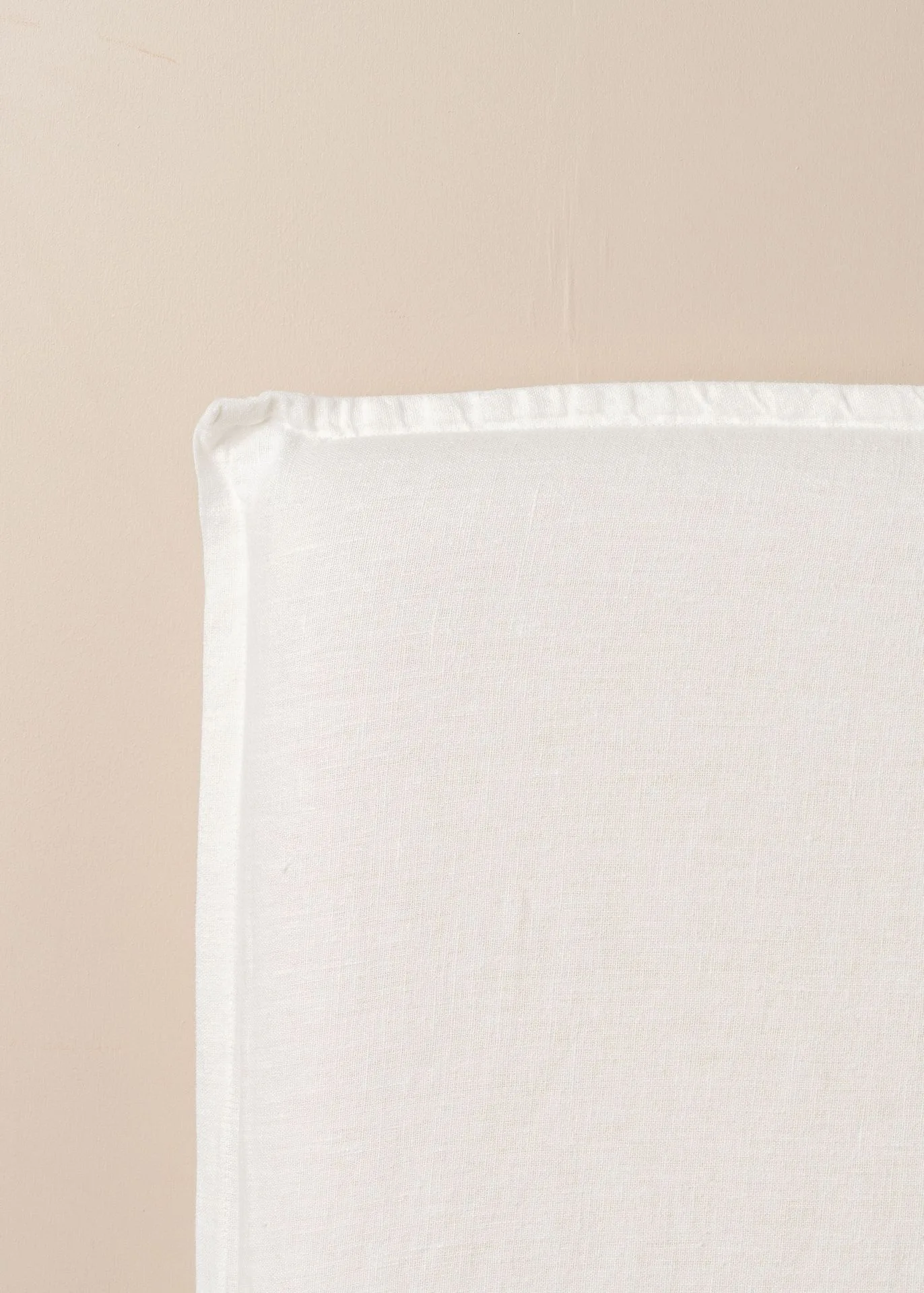
When shopping for linen sheets, not all linen is created equal. The first thing to consider is the weight of the fabric. Lightweight linen (under 150 gsm) is best for summer or hot sleepers, while mid-weight (150–200 gsm) offers year-round versatility. Heavier linen (over 200 gsm) provides a cozy, substantial feel for colder months. Also, check the weave: a tight, even weave indicates durability, while a looser weave may pill or wear faster.
Another key factor is whether the linen is pre-washed or stonewashed. Pre-washed linen is softer from the start and less likely to shrink, while untreated linen may require several washes to reach peak softness. Look for certifications like OEKO-TEX or GOTS, which ensure the linen is free from harmful chemicals and produced under ethical conditions. Finally, consider the color: natural, undyed linen in shades of cream, oatmeal, or grey is the most sustainable option, but if you prefer color, look for low-impact or plant-based dyes.
- Check the GSM (grams per square meter) for weight preference.
- Look for OEKO-TEX or GOTS certification.
- Pre-washed linen offers immediate softness.
Complement Your Bedding with Sustainable Bedroom Accessories
Once you’ve selected your linen bedding, consider adding other eco-friendly elements to complete your sustainable bedroom. A soft, natural-fiber bathrobe can make your morning routine more luxurious while staying true to your values. The Vintage Wash Robe | Chocolate is made from pre-washed cotton with a lived-in feel that pairs beautifully with linen sheets. Its timeless design and earthy hue complement a minimalist, sustainable aesthetic.
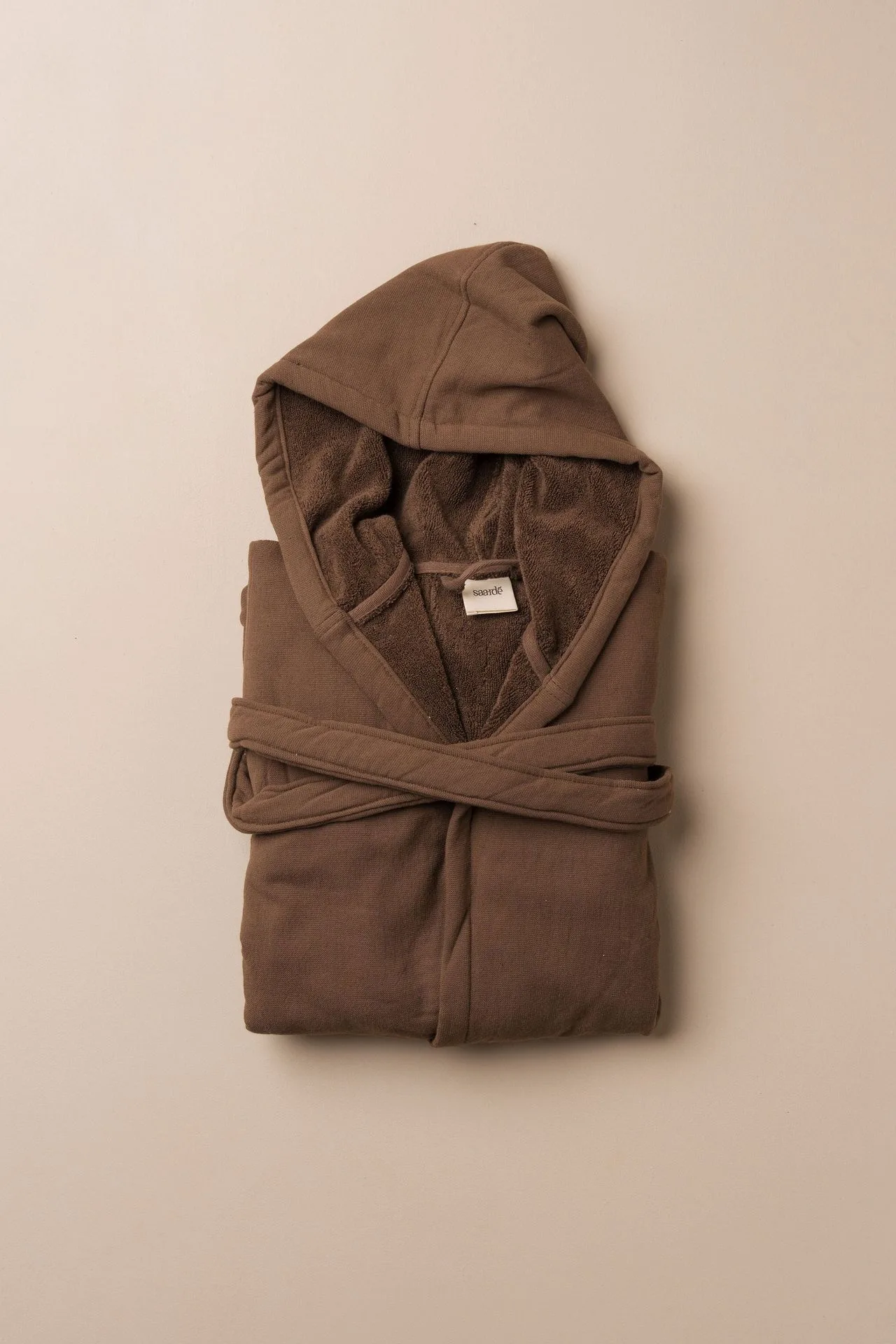
Vintage Wash Robe | Chocolate
For a touch of artisanal charm, a handcrafted side plate can serve as a catch-all for jewelry or a small plant saucer. The Luz do Sol | Side Plate features a sun-inspired pattern that brings warmth to your bedside table. Small details like these help create a cohesive, intentional space that reflects your commitment to sustainability.

Luz do Sol | Side Plate
- Use natural fiber rugs and cushions for added texture.
- Incorporate wooden or ceramic decor for a grounded look.
- Choose multipurpose items to reduce clutter.
How to Care for Linen Bedding to Make It Last
Proper care is essential to extend the life of your linen bedding and maintain its eco-friendly benefits. Wash linen in cold or lukewarm water on a gentle cycle using a mild, eco-friendly detergent. Avoid bleach and fabric softeners, as they can break down the fibers. Linen dries best when hung outdoors — the fresh air naturally softens the fabric and saves energy. If you use a dryer, tumble dry on low and remove while slightly damp to prevent over-drying.
Linen wrinkles naturally, which is part of its charm. If you prefer a crisper look, iron while damp or use a steamer. Store linen in a cool, dry place away from direct sunlight to prevent fading. With proper care, high-quality linen bedding can last a decade or more, making it a worthwhile investment for both your comfort and the planet.
- Wash in cold water to preserve fibers.
- Air dry outdoors when possible.
- Avoid bleach and fabric softeners.
Choosing the perfect linen bedding for a sustainable bedroom is about prioritizing quality, certifications, and mindful care. By investing in durable, eco-friendly linen and complementing it with natural accessories, you create a restful space that aligns with your values. Explore the Luz do Sol | Side Plate and other thoughtfully curated pieces at Saardé to bring your sustainable bedroom vision to life.