Quick answer
Buy a pillow that matches your seat first, then your posture. For chair, sofa, or bed-back reading, a 16–20 inch square with a firmer fill and a cover you can remove is the most reliable everyday choice. If you read on the floor or in bed, size up to 22–24 inches or add a wedge or lumbar support. If you mainly want a soft accent, a smaller, softer pillow is fine. The Deeri Pillow, which includes both a cover and a pillow, is a straightforward starting point for a cozy, deer-themed reading spot.
Match pillow size to your seat
Size is the most common reason a reading pillow feels wrong. A pillow that's too small slides behind your lower back and leaves your neck unsupported; one that's too large pushes your head forward or crowds the armrest.
Measure the distance from your lower back to the top of your shoulders when you're sitting the way you actually read. That number is your minimum useful height. For a standard armchair or dining-style chair, 16–20 inches square usually covers it. For a deep sofa or bed-back reading, 22–24 inches gives you more to lean into. Floor reading often works best with a larger pillow plus a smaller one for your neck.
- Chair or upright seat: 16–20 inch square, medium-firm
- Deep sofa or recliner: 20–24 inch square, medium-firm to firm
- Bed-back reading: 22–24 inch square plus a small neck pillow
- Floor or beanbag: 24 inch or larger, firm, with a second small pillow
Compare fill types before you buy
Fill determines whether a pillow holds its shape or slowly flattens. Polyester and other synthetic fills are the most common because they're soft, affordable, and easy to reshape by hand. They tend to need re-fluffing over time, especially in a firm size. Down and down-alternative fills feel lighter and mold more closely to your body, but they usually need more fluffing and offer less pushback. Memory foam and shredded foam hold their shape best and give the most support, but they feel firmer and warmer. Buckwheat and similar natural fills are very firm and hold position well, though they're heavier and noisier.
For reading specifically, a medium-firm fill is the safest default: firm enough to keep your neck and lower back from collapsing, soft enough to stay comfortable for a full chapter. If you read for long stretches, a firm fill with a removable cover you can wash is the most practical combination. If you only read for ten or fifteen minutes at a time, a softer fill is fine.
Pick a cover you'll actually maintain
A reading pillow sits against your face, hair, and skin, so the cover matters as much as the fill. Removable, washable covers are the easiest to live with, especially if you eat or drink nearby. Zippered covers stay put better than envelope or tie closures when you're leaning hard against the pillow. If the cover isn't removable, plan on spot cleaning and a separate pillowcase.
Fabric choice affects feel more than durability for most readers. Cotton and linen breathe well and feel cool; velvet and faux fur feel warmer and softer but collect lint and pet hair. If you read in a warm room, a breathable cover will keep you from overheating. If you read in a cold room, a plush cover is worth the extra upkeep.
Test firmness against your reading posture
Firmness is personal, but it should follow your posture, not your preference alone. If you tend to slump, a firmer pillow gives you something to push back against. If you sit upright with your feet flat, a medium fill is usually enough. If you read lying on your side, you need a pillow thick enough to fill the gap between your shoulder and your ear so your neck stays neutral.
A quick test: sit in your usual reading spot, place the pillow behind your lower back, and lean back. If your chin drops toward your chest, the pillow is too soft or too thin. If your head is pushed forward, it's too thick. Adjust the fill by hand or add a smaller pillow until your ears line up over your shoulders.
Decision rules for a reading pillow
- If you read upright in a chair: Choose a 16–20 inch square with medium-firm fill and a removable cover. This size supports your lower back without pushing your head forward. Checkpoint: your ears should sit over your shoulders when you lean back.
- If you read in bed or on a deep sofa: Size up to 22–24 inches, or use a firm pillow plus a small neck pillow. A single medium pillow usually isn't thick enough to fill the gap behind your shoulders. Checkpoint: no gap between your lower back and the pillow.
- If you read on the floor: Choose a 24 inch or larger firm pillow for your back and add a small pillow for your neck. Floor reading puts more load on your lower back than chair reading. Checkpoint: you can sit for 20 minutes without shifting to relieve pressure.
- If you want a soft accent more than support: A smaller, softer pillow is fine. Just don't expect it to hold your posture for long reading sessions. Checkpoint: decide whether this pillow is for comfort or for looks before you buy.
Product facts
- Deeri Pillow: The Deeri Pillow from Bellzi is a pillow designed for cozy comfort, offered with both a cover and a pillow, and is tagged as a pillow for easy browsing. Because it includes both the cover and the pillow, you don't have to shop for a separate insert or case, which makes it a simple starting point for a reading corner.
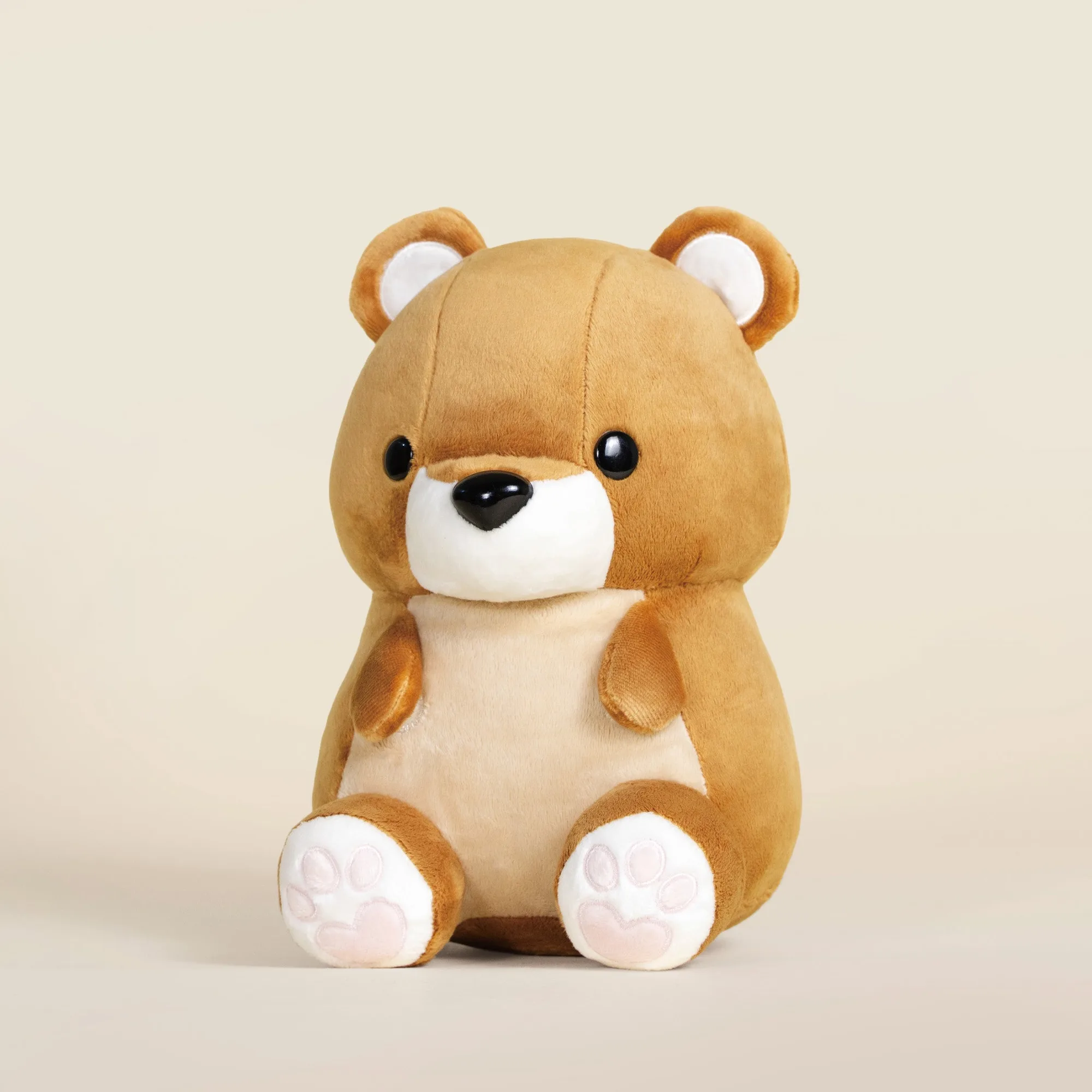
- Mousi the Mouse: Mousi the Mouse is 7 inches long, 7 inches deep, and 10 inches tall, with a coat made from a very soft manmade synthetic fiber and stuffed with 100% premium non-bunch polyester filling. At 10 inches tall it's too small to support your back on its own, but it works well as a lap or armrest companion while you read, and the synthetic fill is easy to reshape by hand.
- Gecki the Gecko: Gecki the Gecko measures 12.5 inches long, 4.7 inches deep, and 6 inches tall, uses 100% premium polyester filling, plastic safety eyes and nose, and is allergen-free. Its long, low shape makes it a better armrest or neck-side prop than a back support, and the allergen-free construction is a useful detail if you're choosing a pillow for a shared reading nook.
Who this is for
Best for
- Readers who sit in one chair or sofa spot for long stretches and want predictable back and neck support
- Anyone who wants a washable cover because the pillow sits against skin and hair
- Shoppers who want one pillow that includes both the cover and the insert
Not for
- Shoppers who want a purely decorative pillow and don't need posture support
- Anyone who reads lying flat on their back, where a thick pillow can push the head forward
- People who prefer a very soft, sink-in feel over a medium-firm one