If your child struggles with tummy troubles like gas, bloating, constipation, or irregular bowel movements, you're not alone. Digestive issues are common in children, and many parents are turning to probiotics to help restore balance. But with so many options on the market, choosing the right probiotic for a child with digestive issues can feel overwhelming.
This guide will walk you through the key factors to consider—from specific strains to CFU counts and delivery forms—so you can make an informed decision that supports your child's digestive health safely and effectively.
Understanding Probiotics for Kids
Probiotics are live beneficial bacteria that help maintain a healthy gut microbiome. In children, a balanced gut is crucial not only for digestion but also for immune function and even mood. When digestive issues arise, it often means the gut flora is out of balance. Introducing a high-quality probiotic can help restore harmony.
Not all probiotics are created equal, especially for children. The strains, CFU (colony-forming units), and delivery form all matter. For instance, a product like the 100 Billion Probiotic is designed for adults and may be too potent for a small child. Instead, look for formulations specifically made for kids or adjust the dosage under pediatric guidance.
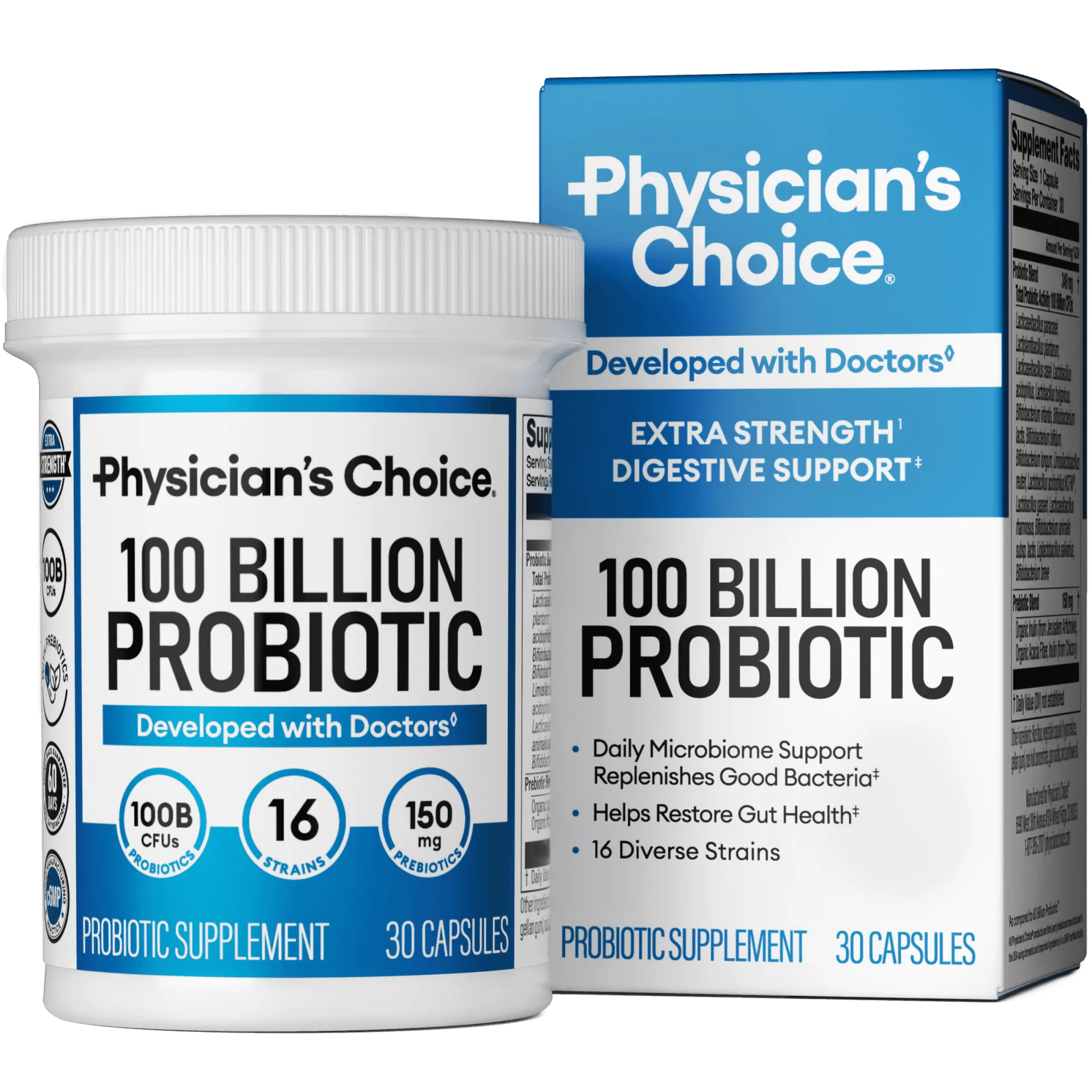
100 Billion Probiotic
- Look for kid-friendly strains like Lactobacillus rhamnosus GG and Bifidobacterium lactis.
- Start with a lower CFU (5-10 billion) and increase gradually if needed.
Key Strains for Children's Digestive Health
Certain probiotic strains have been studied more extensively in children. Lactobacillus rhamnosus GG is one of the most researched strains for pediatric digestive issues, including diarrhea and irritable bowel symptoms. Bifidobacterium lactis helps with constipation and overall gut regularity. Saccharomyces boulardii is a beneficial yeast that can help with antibiotic-associated diarrhea.
When choosing a probiotic for your child, check the label for these specific strains. A multi-strain formula can be beneficial, but ensure each strain is backed by research. For example, the Prebiotic Probiotic combines probiotics with prebiotic fiber, which can be especially helpful for kids with constipation by feeding the good bacteria.
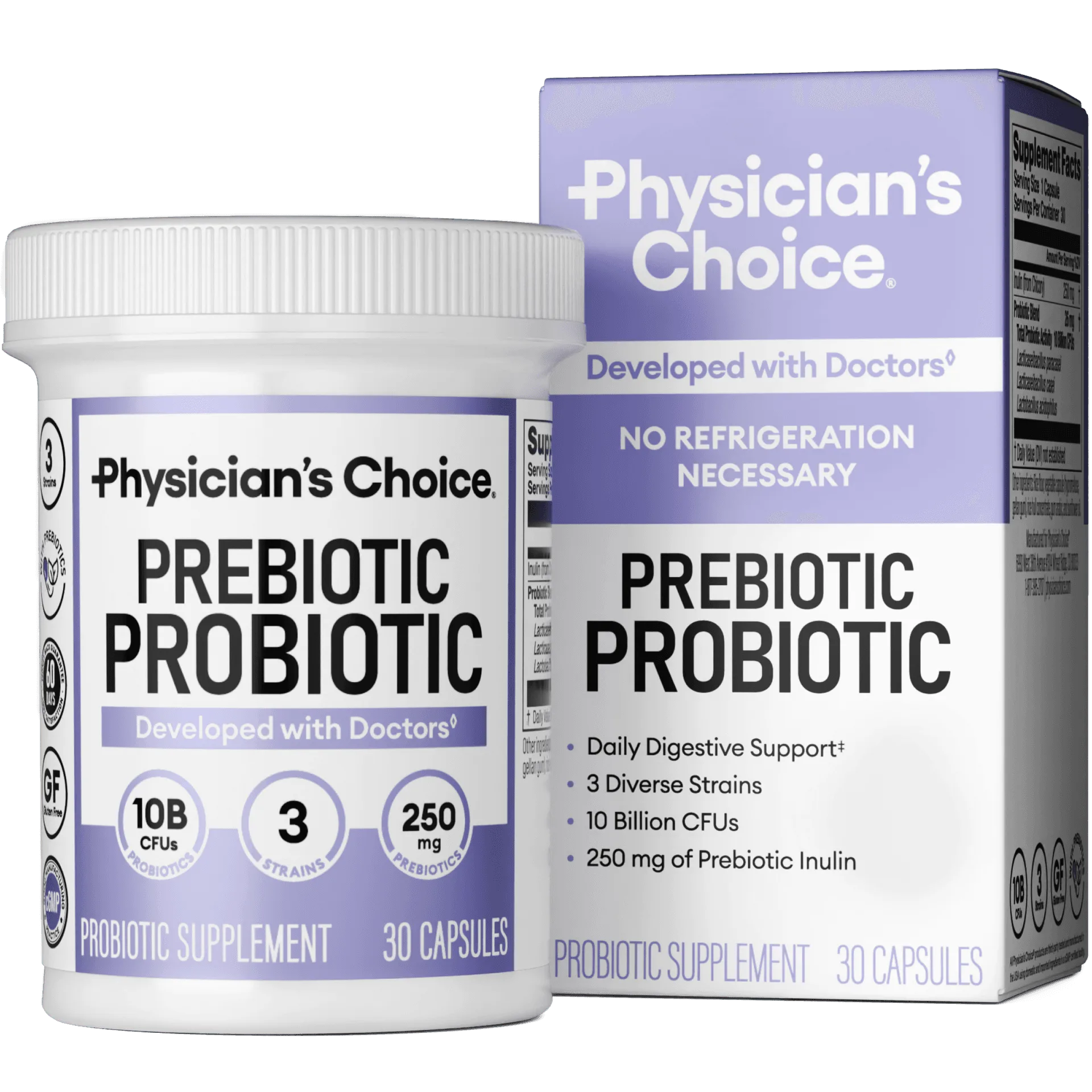
Prebiotic Probiotic
- Lactobacillus rhamnosus GG: supports immune and digestive health.
- Bifidobacterium lactis: aids in regular bowel movements.
- Saccharomyces boulardii: helps prevent diarrhea from antibiotics.
CFU Count: How Much Is Right for a Child?
CFU stands for colony-forming units, which indicate the number of live bacteria in each dose. For children, a lower CFU count is typically recommended—usually between 5 and 10 billion CFU per serving. Higher counts, like those in adult formulations, may cause gas or bloating in sensitive kids.
It's always best to start with a lower dose and gradually increase if needed. Some products, like the Men's Probiotic, are formulated for adult men and contain higher CFU counts. Stick with products labeled for children or consult your pediatrician for personalized dosing advice.
- Start with 5 billion CFU for toddlers and 10 billion for older children.
- Monitor your child's response and adjust dosage accordingly.
Delivery Forms: Gummies, Powders, and Chewables
Children can be picky, so the delivery form matters. Probiotics come in gummies, powders, chewables, and even liquids. Gummies are often a favorite because they taste like candy, but check the sugar content. Powders can be mixed into yogurt, smoothies, or juice, making them easy to hide. Chewables are another option for older kids.
For children with constipation, https://physiciansdecisions.com/products/fiber-gummies-258350fiber gummies like Fiber Gummies can be a great addition to a probiotic regimen. They provide prebiotic fiber that supports the growth of good bacteria. If your child has trouble swallowing pills, avoid capsules and opt for a form they can take easily.
- Gummies: tasty but watch sugar content.
- Powders: versatile and easy to mix into foods.
- Chewables: good for school-age children.
Safety and Quality Considerations
Always choose probiotics from reputable brands that undergo third-party testing. Look for products that list specific strains and CFU counts, and check for allergens like dairy, soy, or gluten. Refrigeration requirements vary; some probiotics are shelf-stable, which is convenient for travel.
Consult your pediatrician before starting any supplement, especially if your child has a compromised immune system or chronic health condition. For specific digestive issues like gas or bloating, a children's probiotic for gas relief may contain strains like Lactobacillus acidophilus. Remember, probiotics are not a substitute for medical treatment.
- Third-party testing ensures purity and potency.
- Check for allergens and refrigeration needs.
- Always consult a healthcare provider first.
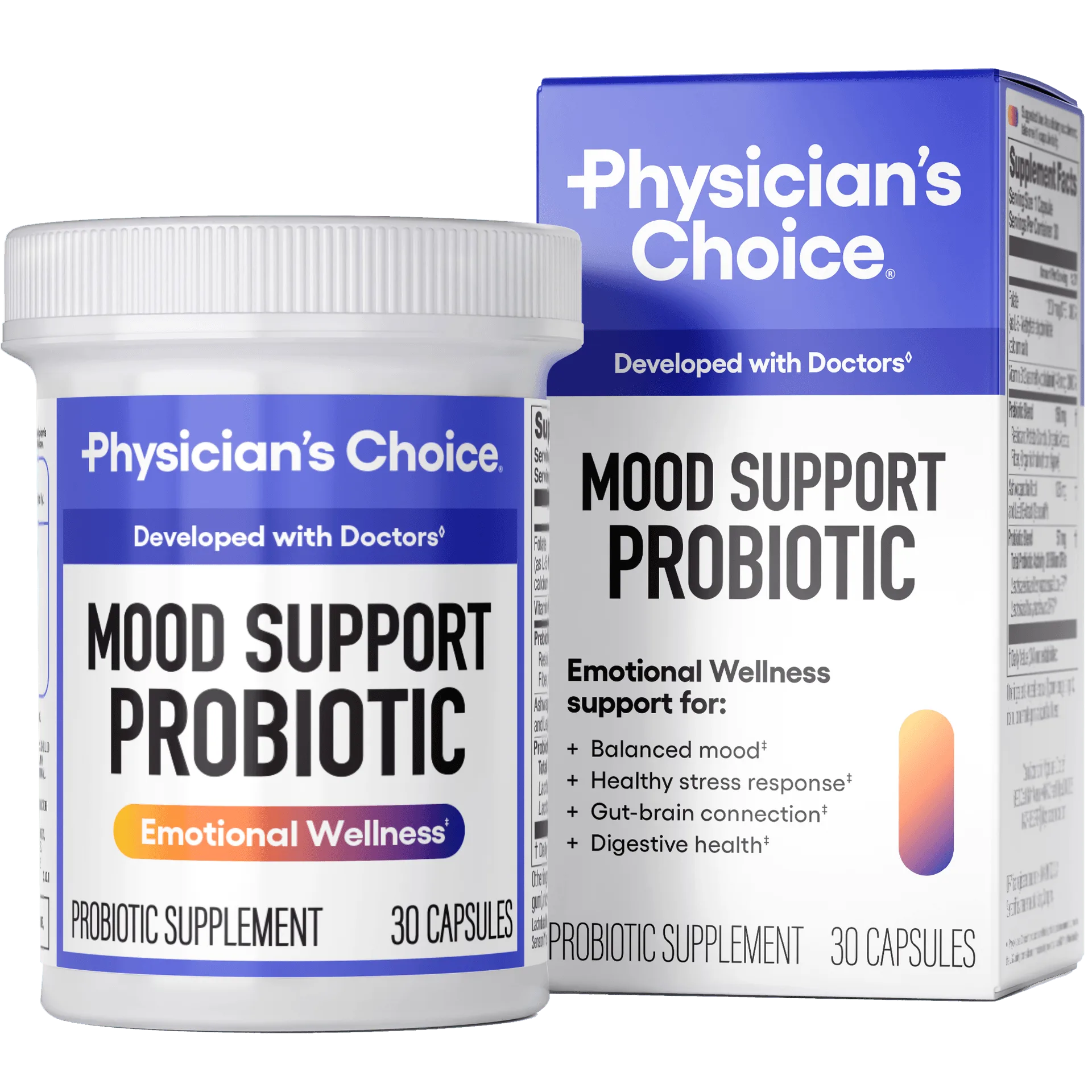
Choosing the right probiotic for your child's digestive issues doesn't have to be complicated. Focus on kid-friendly strains, appropriate CFU counts, and a delivery form your child will accept. For a trusted option, explore our selection of children's probiotics designed to support digestive health gently and effectively. Click here to learn more about our Mood Support Probiotic—a great choice for overall gut and mood balance in kids.