Quick Answer
To choose the right rice noodles, match the thickness and shape to your dish: thin vermicelli for soups and salads, flat wide noodles for stir-fries. Check the ingredient list for 100% rice and water (or rice and tapioca) to ensure the right texture, and consider organic options for cleaner ingredients. For soups, pick noodles that hold their shape; for stir-fries, choose wider noodles that can withstand high heat.
Rice noodles are a staple in many Asian kitchens, from Vietnamese pho to Thai pad thai and cold noodle salads. But with so many shapes and sizes, it's easy to grab the wrong package. The key is to match the noodle's thickness and structure to how you'll cook and serve it.
In this guide, we'll break down the main types of rice noodles, what to look for on the label, and how to choose the right one for soups, stir-fries, and salads. We'll also highlight a couple of organic pantry staples that fit well into a clean-eating kitchen.
Understand the Three Main Types of Rice Noodles
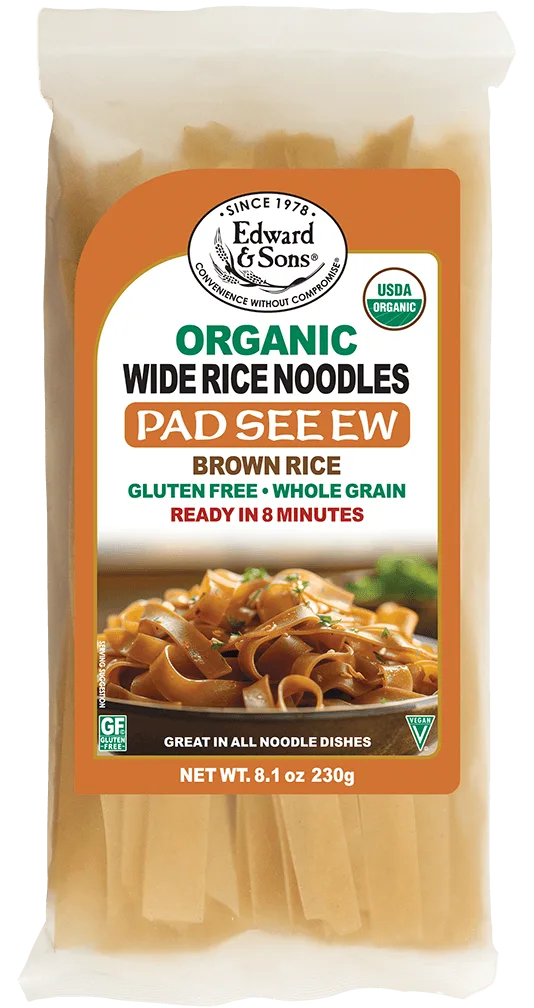
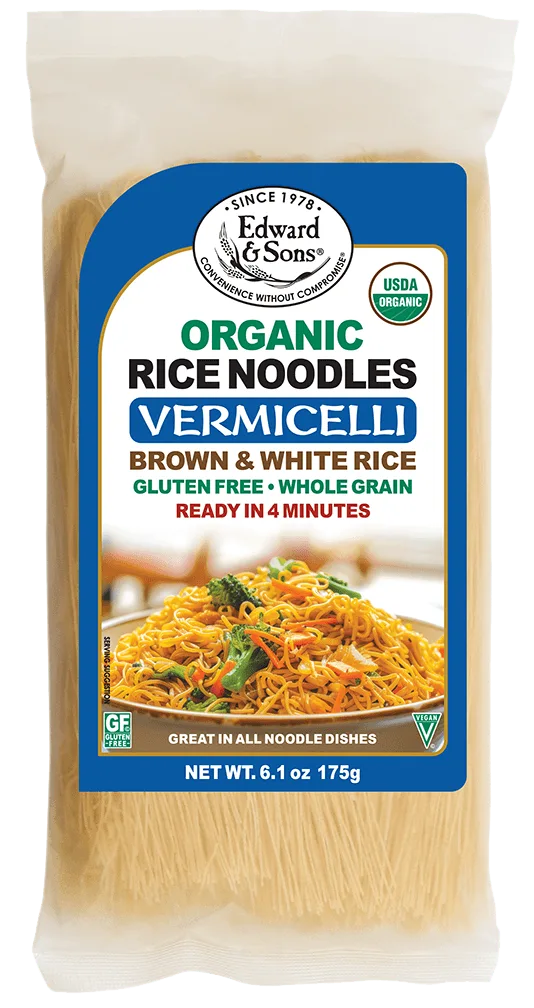
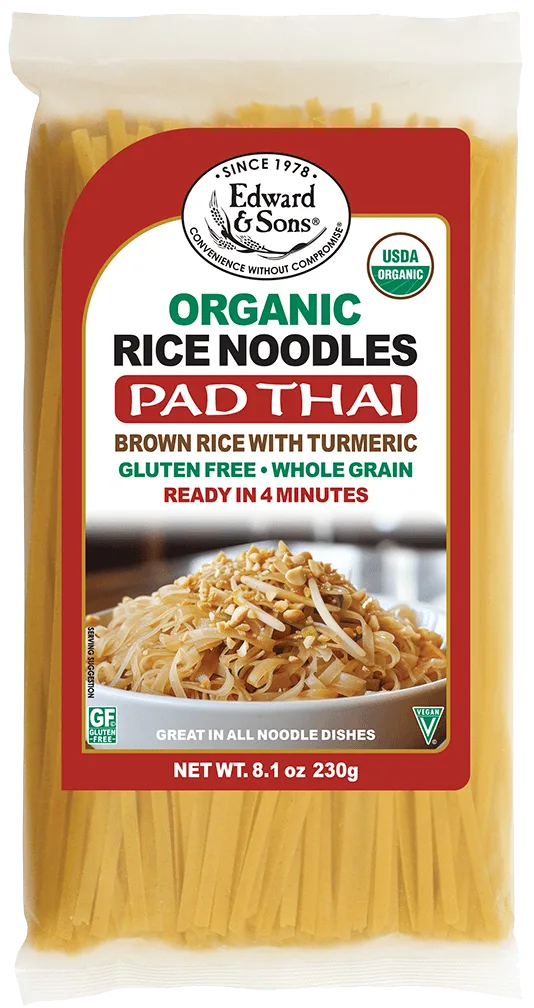
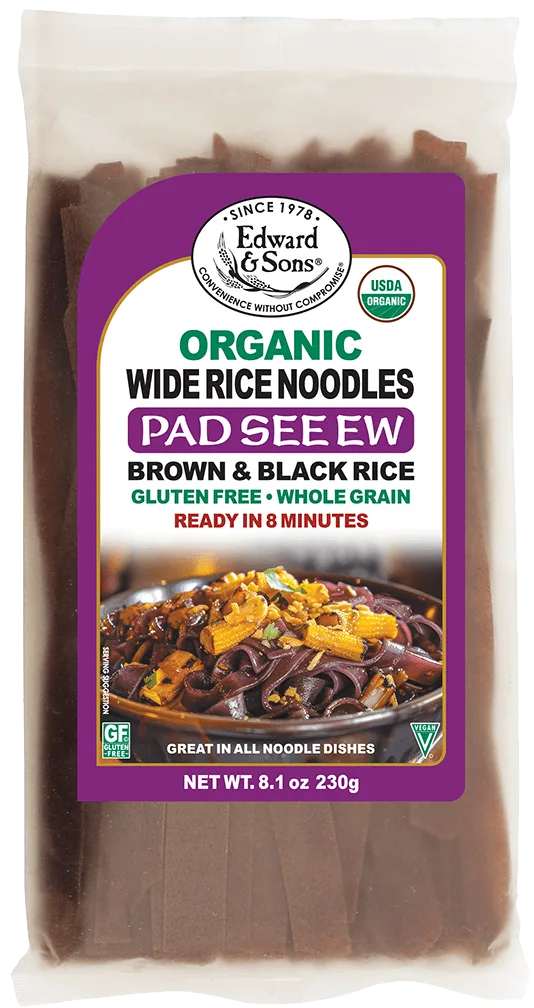
Rice noodles generally fall into three categories: thin vermicelli (often called rice sticks or bun), flat medium-width noodles (like pad thai noodles), and wide flat noodles (like ho fun or chow fun). Thin vermicelli is delicate and cooks quickly, making it ideal for light soups and fresh salads. Medium-width noodles are versatile and work in both stir-fries and soups. Wide noodles have a chewy, slippery texture that stands up to heavy sauces and high-heat cooking.
The thickness also affects cooking time and how much sauce they absorb. Thinner noodles soak up broth and dressing quickly but can turn mushy if overcooked. Wider noodles hold their shape better and provide a satisfying bite. When choosing, think about the dish's liquid content and cooking method.
- Thin vermicelli: best for soups like pho and cold salads with light dressings.
- Medium-width: a safe choice for stir-fries with moderate sauce.
- Wide flat noodles: ideal for heavy stir-fries and dishes with thick sauces.
Check the Ingredients: Rice, Water, and Maybe Tapioca
Traditional rice noodles are made from rice flour and water. Some brands add tapioca starch to improve elasticity and chewiness. If you're gluten-free, rice noodles are naturally gluten-free, but always check the label for cross-contamination if that's a concern. For a cleaner option, look for organic rice noodles that use whole grain brown rice for extra fiber and nutrients.
For example, Edward & Sons® Organic Vegetable Brown Rice Snaps® are a convenient alternative to traditional rice noodles. They're oven-baked, not fried, and made with 100% organic whole grain brown jasmine rice, making them a wholesome choice for snacking or as a crunchy topping for salads. While they're not a direct substitute for boiled noodles, they add a crispy texture to dishes.
- Look for '100% rice' or 'rice and water' on the ingredient list.
- Tapioca starch is fine and helps with texture.
- Organic options avoid synthetic pesticides and GMOs.
Match the Noodle to the Dish
For soups, thin vermicelli is classic because it cooks in minutes and doesn't overwhelm the broth. It's perfect for pho, laksa, or a simple vegetable soup. For stir-fries, wider noodles are better because they can handle high heat without breaking apart. Pad thai uses medium-width noodles that are stir-fried with eggs, tofu, and peanuts. For salads, thin noodles work well when chilled, as they absorb the dressing without becoming too heavy.
If you're making a cold noodle salad, consider using rice vermicelli and tossing it with a light vinaigrette. The noodles will stay separate and won't clump if you rinse them in cold water after cooking. For a heartier salad, you can use medium-width noodles and add crunchy vegetables.
- Soups: thin vermicelli, cook separately to avoid cloudy broth.
- Stir-fries: wide or medium-width, cook on high heat with oil.
- Salads: thin vermicelli, rinse in cold water to stop cooking.
Consider Cooking Method and Time
Most rice noodles are soaked in hot water rather than boiled, which prevents them from turning mushy. The package instructions usually tell you to soak for 5-10 minutes, then drain. For stir-fries, you might need to soak longer or even boil briefly to get the right texture. Always taste a noodle before using it in a dish to ensure it's cooked to your preference.
If you're using rice noodles in a soup, cook them separately and add them to the bowl just before serving. This keeps the noodles from absorbing too much broth and becoming soggy. For salads, rinse the cooked noodles in cold water and toss with a little oil to prevent sticking.
- Soak, don't boil, for most rice noodles.
- Cook noodles separately for soups and add at the end.
- Rinse with cold water for salads to stop the cooking process.
Decision Rules for Choosing Rice Noodles
- Dish type: Soups: choose thin vermicelli. Stir-fries: choose medium or wide noodles. Salads: choose thin vermicelli. Match the noodle to the cooking method.
- Cooking time: Thin noodles cook in 3-5 minutes; wide noodles need 8-10 minutes or a longer soak. Adjust soaking time based on thickness.
- Ingredients: Look for 100% rice or rice plus tapioca. Choose organic to avoid pesticides. Check the label for clean ingredients.
- Texture preference: If you like chewy noodles, choose wider ones. If you prefer light and delicate, go thin. Texture is a personal choice.
Rice Noodle Alternatives Worth Knowing
- Edward & Sons® Organic Vegetable Brown Rice Snaps®: In 1978, Edward & Sons introduced the first Brown Rice Snaps®. Oven baked instead of fried, they pioneered a new generation of healthy, whole grain snacking. Vegetable Brown Rice Snaps® are baked with 100% organic whole grain brown jasmine rice. If you want a crunchy, gluten-free topping for salads or a snack that's not fried, these rice snaps are a great alternative to traditional noodles.
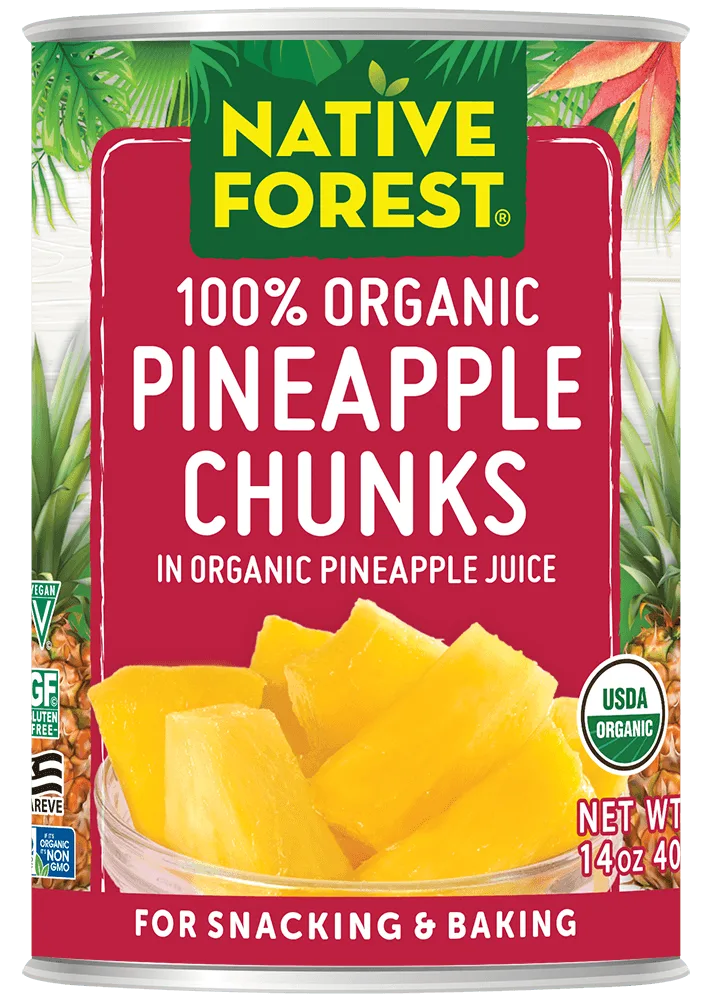
- Native Forest® Organic Pineapple Chunks: Native Forest® Organic Pineapple Chunks are hand selected and packed in their own juice at the peak of freshness. Adding sweet, organic pineapple chunks to a rice noodle salad or stir-fry brings a tropical twist and natural sweetness without added sugar.
Who Should Choose What
Best for
- Home cooks who want a quick, gluten-free noodle for soups and salads.
- Those who prefer a lighter, less filling meal and enjoy thin vermicelli.
- Anyone looking for organic, whole grain options for everyday cooking.
Not for
- If you need a very sturdy noodle for heavy stir-fries with thick sauces, thin vermicelli will fall apart.
- If you want a chewy, bouncy texture like fresh rice noodles, dried varieties may not satisfy you.
Choosing the right rice noodles comes down to matching the shape and thickness to your dish. For soups and salads, go thin; for stir-fries, go wide. Always check the ingredient list and consider organic options for a cleaner pantry. With these rules, you'll pick the perfect noodle every time.