Quick answer
Measure your free desk depth and width first, then buy a figure whose base fits inside that footprint with at least 5 cm of clearance on each side. For most standard desks, a 16–23 cm figure with a compact base is the sweet spot; go larger only if you have a dedicated display shelf or a deep corner. Material matters too: PVC figures are lighter and safer near keyboards and monitors than heavier resin pieces.
Measure your desk before you look at figures
Most desk setup mistakes happen before the figure arrives. Clear the area where you want the figure, then measure the usable depth from the wall or monitor stand to the front edge, and the usable width between your keyboard and any other objects. Write those two numbers down. A figure needs its base to fit inside that space with room to spare, because a base that overhangs the desk edge is a tipping risk and a base that touches your keyboard forces you to move things every time you sit down.
Match figure height to your sightline, not to your shelf
A desk figure should sit below your monitor's bottom edge or beside it without blocking your view. If your monitor bottom edge is roughly 10–12 cm above the desk, a figure taller than about 23 cm will start to compete with the screen. That is why 16–23 cm figures work well for most desks: they are visible without dominating. Taller figures, including 42 cm models, belong on a dedicated shelf, a side table, or a deep corner where they can be seen from a distance rather than from 60 cm away.
Read the base dimensions, not just the character height
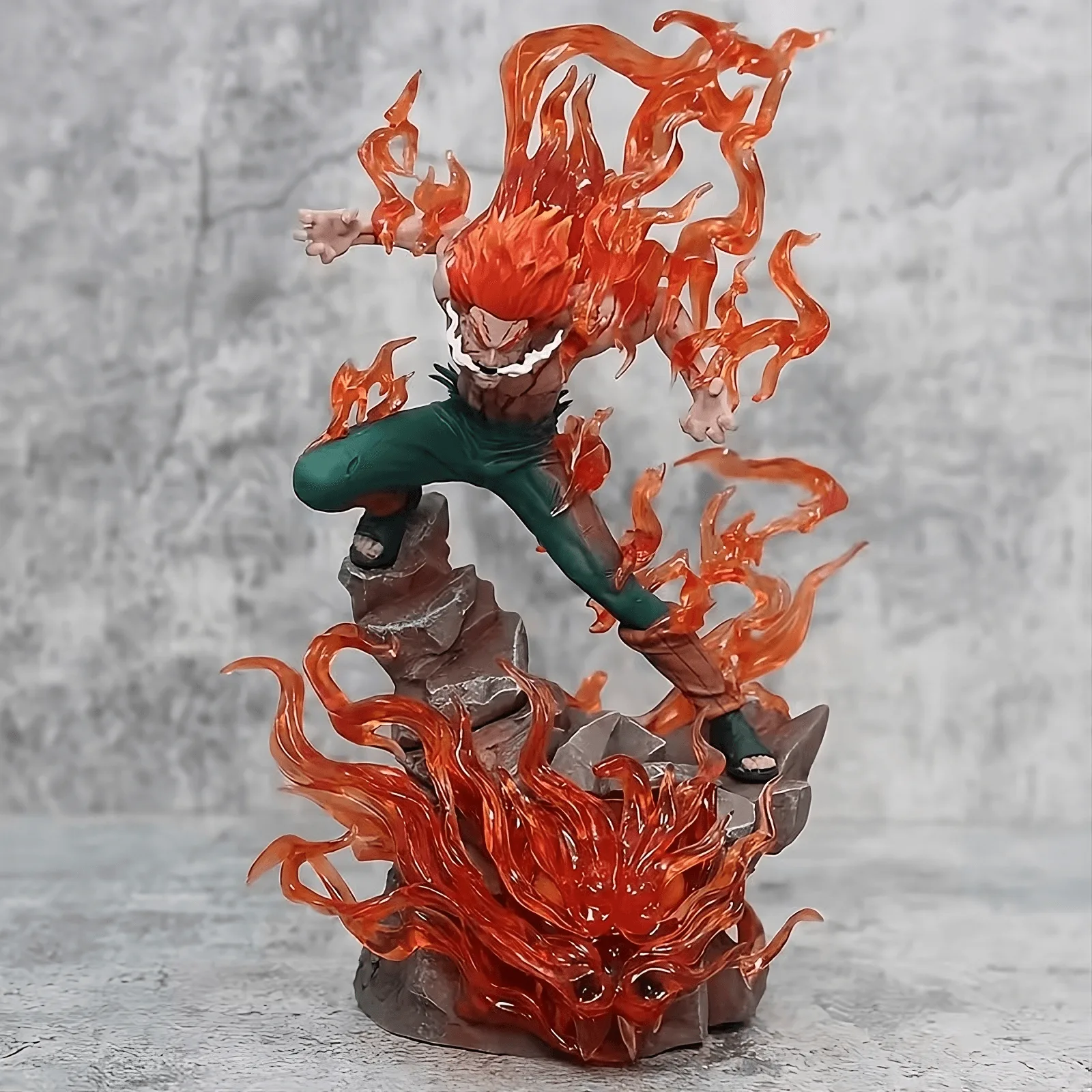
Two figures of the same height can have very different desk footprints. A rocky terrain base or a dynamic effect base can be wider and deeper than the character itself. When a listing gives overall dimensions such as 16 × 23 × 15 cm, treat the largest two numbers as the space the figure will claim on your desk. If a listing only gives character height and no base dimensions, that is a genuine limitation: you cannot know the footprint until it arrives, so either ask the seller or choose a figure with published overall dimensions.
Choose material based on how close it sits to your gear
PVC is the practical choice for a desk because it is lighter and less likely to damage a keyboard or monitor if it gets knocked over. Resin looks denser and often holds finer detail, but it is heavier and more brittle, so it is better on a stable shelf than on a busy desk. If your desk doubles as a work surface for drinks, cables, and notebooks, prioritize a stable base and a material that can survive a light bump.
Plan the desk decoration around one focal figure
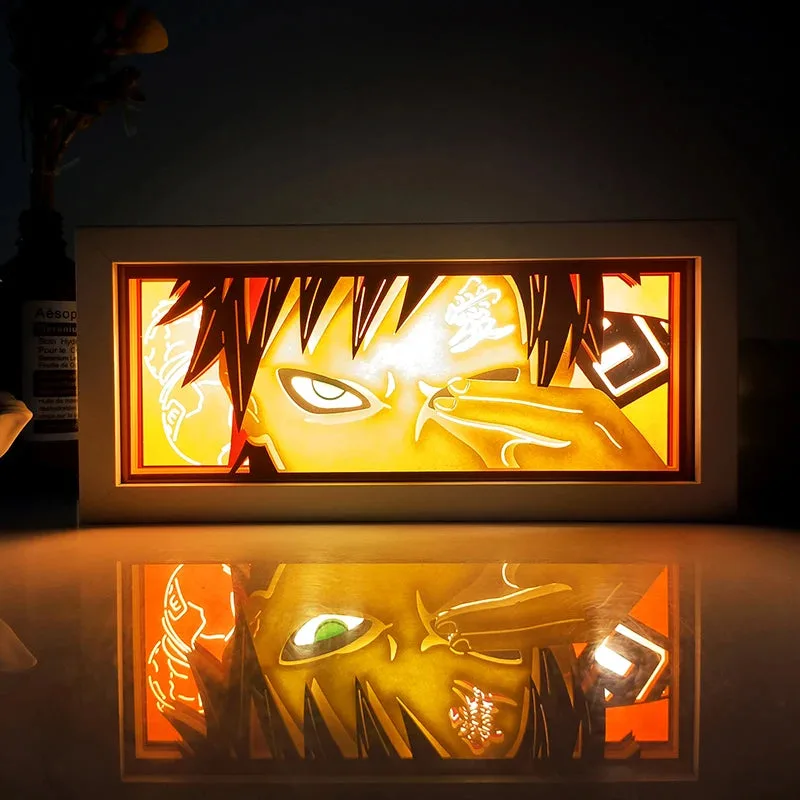
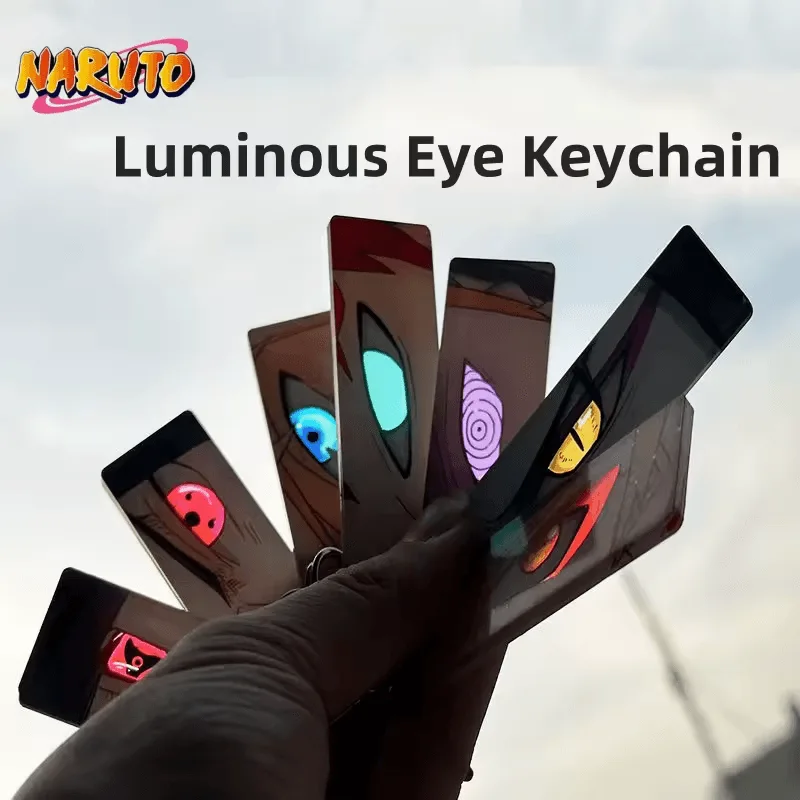
Anime desk decoration ideas work best when one figure is the focal point and everything else supports it. A single well-chosen figure plus a small accessory, such as a keychain on a monitor arm or a pen cup, reads as intentional. Three or more figures of similar size usually look cluttered and make cleaning harder. If you want to rotate figures, keep one display spot and store the rest; rotating one spot is easier than rearranging a crowded desk.
Decision rules for desk figure buying
- Rule 1: Fit the base first: Check the largest two dimensions in the listing against your measured free desk depth and width. If the base is wider than your free space, the figure is wrong regardless of how much you like the character. No published base dimensions means you are guessing; ask before buying.
- Rule 2: Keep height under your monitor line: For a figure placed beside or in front of a monitor, stay at or below roughly 23 cm so it does not block your view. Anything taller belongs on a shelf or side surface. 42 cm figures are shelf pieces, not keyboard-side pieces.
- Rule 3: Match material to traffic: Choose PVC for a desk that gets bumped and used daily. Choose resin only for a stable, low-traffic shelf where weight and brittleness are not a risk. On a working desk, lighter and slightly flexible beats heavier and brittle.
- Rule 4: One focal point, one accessory: Pick one main figure and at most one small supporting item. Rotate the focal figure instead of adding more figures to the same surface. If you cannot clean around it easily, you have too many.
Product facts that affect desk fit
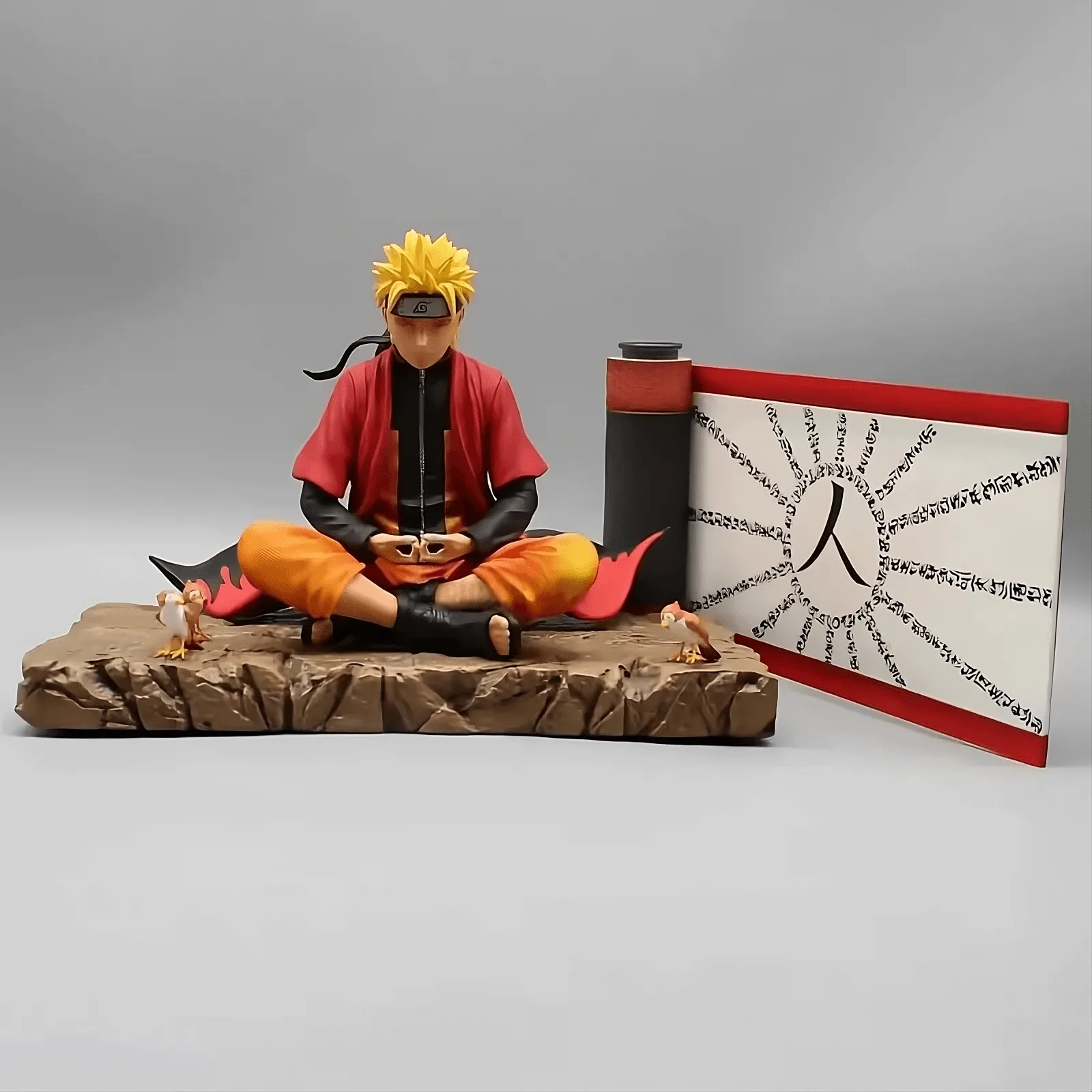
- Naruto Uzumaki Sage Mode Meditation Figure (16cm): Sitting meditation pose with scroll, overall dimensions 16 × 23 × 15 cm, high-grade PVC, rocky terrain base with miniature toads and scroll backdrop. The compact seated pose and 16 cm width make this a low-profile option that fits beside a monitor without blocking the screen, and the PVC construction keeps it light on a desk.
- Naruto Shippuden – Uchiha Madara Action Figure | 42cm with Light Effect: Uchiha Madara figure, 42 cm tall, premium PVC, with a built-in light feature and a realistic base sculpt with chakra water effects. At 42 cm this is a display-shelf piece rather than a keyboard-side figure; the light feature needs a power source and the larger base needs a deep, stable surface.
- One Piece – Gear 5 Luffy "Sun God Nika" Action Figure | 23cm Collectible Statue: One Piece Gear 5 Luffy figure, 23 cm tall, premium-grade PVC, high-action battle stance with dynamic Haki effect base, hand-painted with translucent smoke effects. The 23 cm height sits at the upper limit for most desk sightlines, and the dynamic effect base is wider than the character, so measure your free depth before placing it next to a monitor.
Who this approach fits
Best for
- Desk users with a standard monitor setup who want one visible figure without losing workspace
- Collectors who rotate a single display spot rather than displaying an entire collection at once
- Buyers who want a lightweight PVC figure that is safe near keyboards and cables
Not for
- Collectors who want a large 42 cm statement piece on the desk itself; that size needs a dedicated shelf or side table
- Buyers who prefer heavy resin statues and accept the higher tipping and breakage risk on a busy desk
- Anyone unwilling to measure their free desk space before ordering