Choosing the right baby crib mattress is one of the most important decisions you'll make for your nursery. It affects your baby's sleep safety, comfort, and even how easily you can keep the bed clean. With so many options, it can feel overwhelming, but focusing on a few key factors will help you narrow it down.
This guide walks you through everything from mattress size and firmness to breathability and maintenance. Whether you're a first-time parent or adding to your family, you'll learn exactly what to look for so you can choose a baby crib mattress with confidence.
Start with the Right Mattress Size
The first step in nursery mattress selection is getting the size right. A standard crib mattress should measure about 27.25 inches wide by 51.5 inches long, but always check your crib's specific dimensions. A mattress that's too small leaves dangerous gaps where a baby could get trapped, while one that's too large won't fit at all.
Most convertible cribs, like the Newton Galileo Convertible Crib, are designed to fit standard mattresses, but it's wise to measure the interior of your crib before buying. If you're using a travel crib or bassinet, those require their own specially sized mattresses, so always match the mattress to the product, not the other way around.
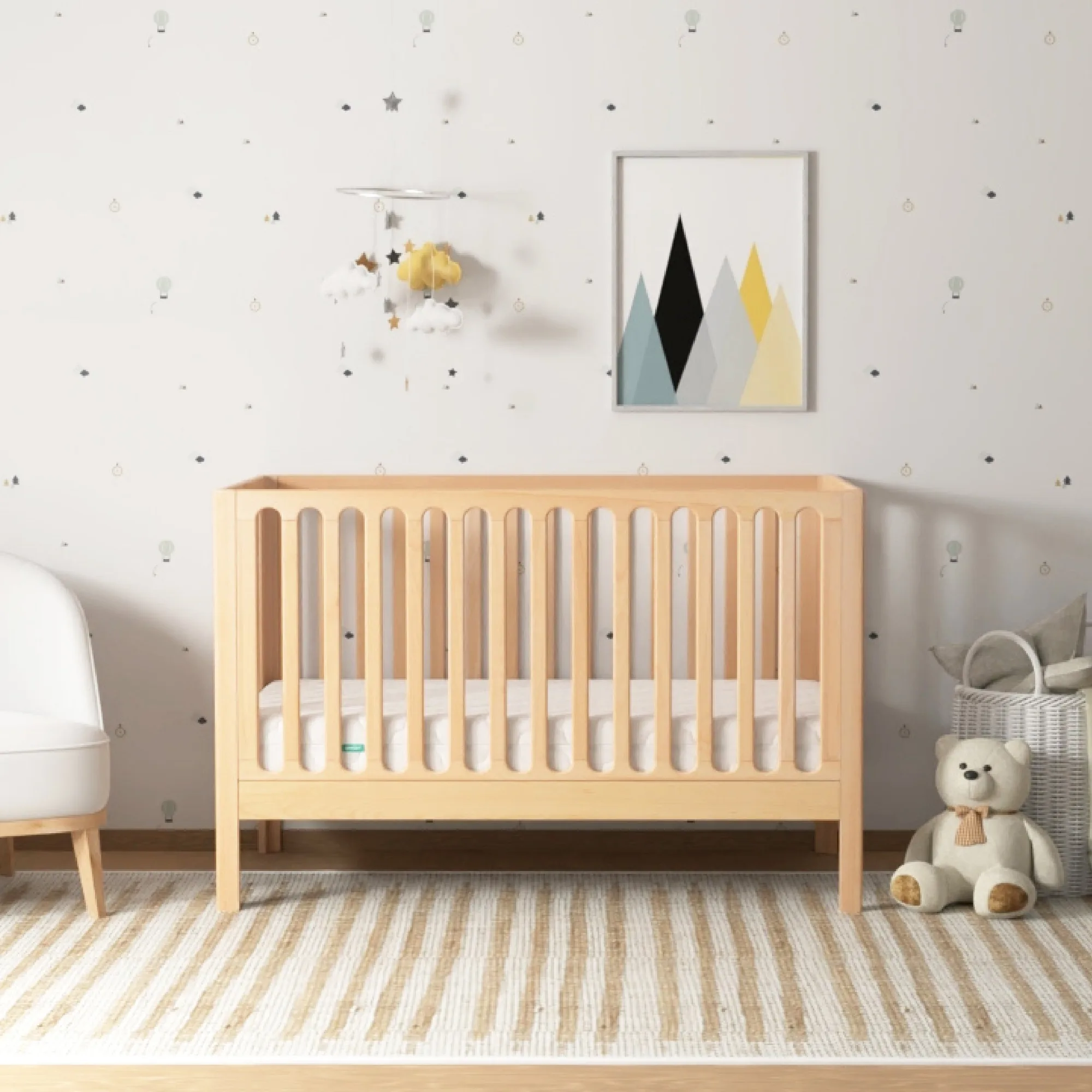
Newton Galileo Convertible Crib
- Measure the crib's interior width and length before ordering.
- Check the mattress thickness—standard is around 5 to 6 inches.
- For travel cribs, only use the manufacturer's recommended mattress.
Firmness and Safety Standards
Firmness is non-negotiable when it comes to safe crib mattresses. A firm surface reduces the risk of suffocation and helps prevent Sudden Infant Death Syndrome (SIDS). You should not be able to push the mattress down more than a quarter of an inch when pressing on it. Look for mattresses that meet federal safety standards and are labeled as firm.
Many parents worry that firm means uncomfortable, but babies actually sleep better on a firm, flat surface. Memory foam or pillow-top mattresses may feel cozy to adults but are not safe for infants. Stick with a firm, supportive mattress that provides a stable sleep environment from birth through toddlerhood.
- Avoid soft or plush mattresses for infants under 12 months.
- Check for certifications like GREENGUARD Gold for low emissions.
- Replace the mattress if it shows sagging or wear.
Breathability: Why It Matters for Newborns
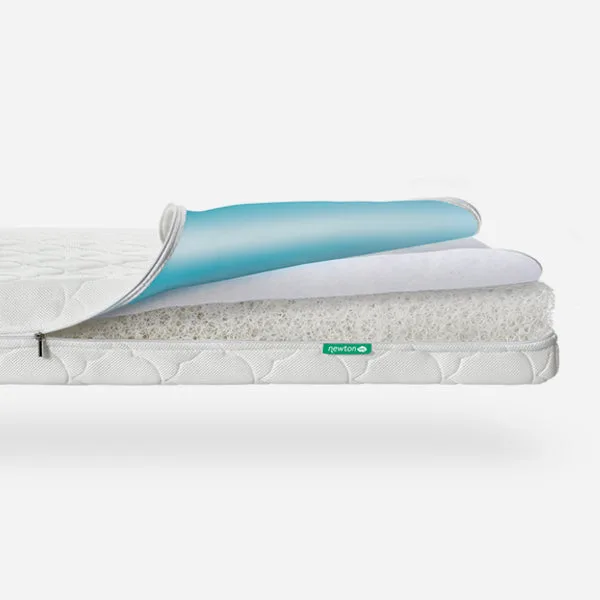
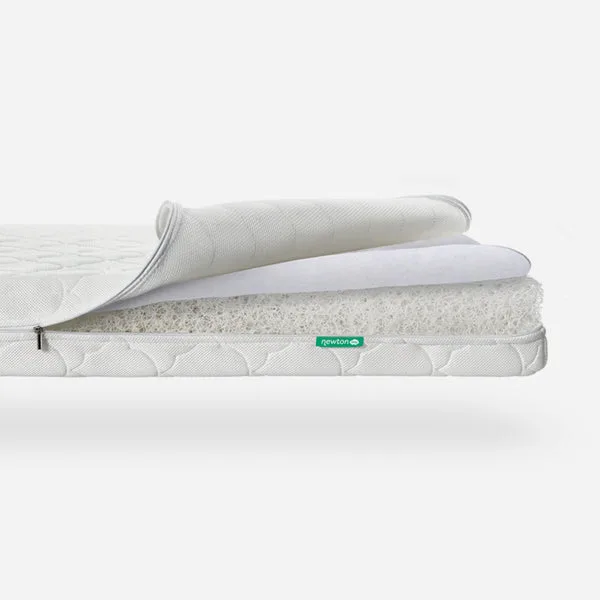
Breathability is a major factor in baby mattress buying guides because it helps regulate temperature and allows air to circulate if a baby rolls onto their stomach. Traditional foam mattresses can trap heat and carbon dioxide, making some parents uneasy. Breathable mattresses use a unique core that allows airflow through the entire mattress.
The Newton Crib Mattress is a popular choice because its breathable design lets air pass through from top to bottom, which can help keep your baby cooler and reduce the risk of rebreathing. If breathability is a priority for you, look for a mattress with a mesh or air-flow core rather than solid foam.
- Breathable mattresses are especially helpful for warm climates.
- Check if the cover is removable and washable for easy cleaning.
- A breathable mattress doesn't replace safe sleep practices—always place baby on their back.
Ease of Cleaning and Maintenance
Babies are messy, so your crib mattress will need regular cleaning. Look for a mattress with a waterproof, wipeable cover that you can easily remove and machine wash. A mattress that resists stains and odors will save you time and stress, especially during the diaper blowout and spit-up years.
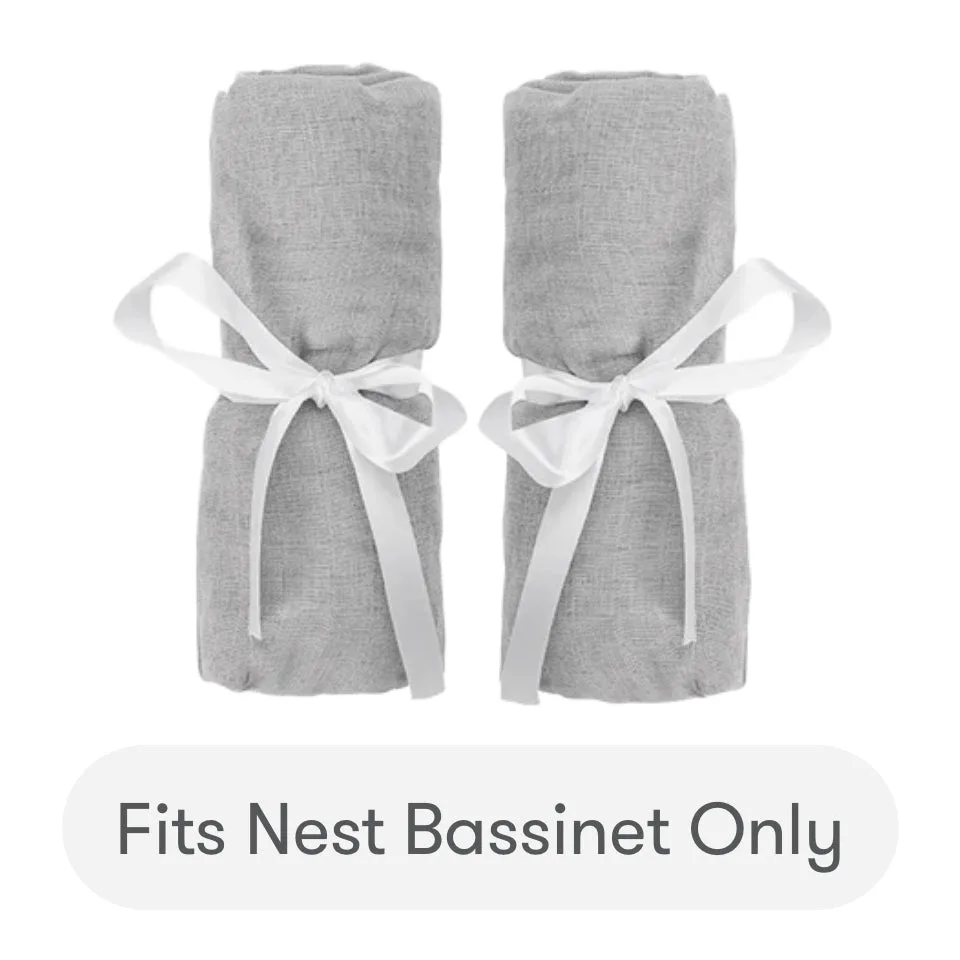
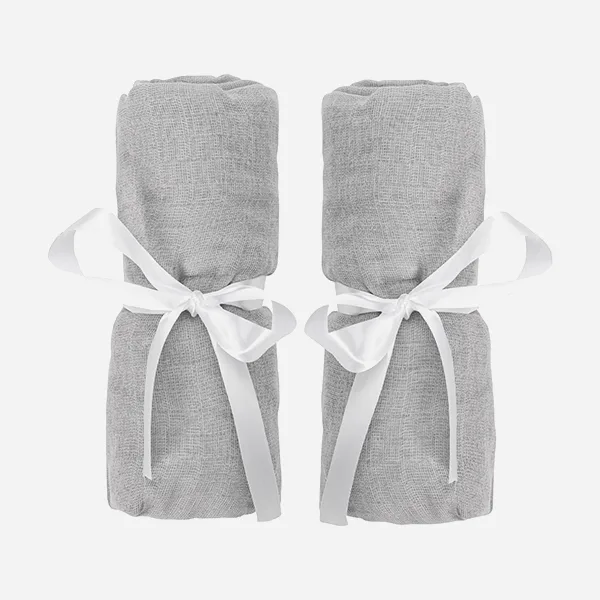
Some mattresses come with multiple covers, which is handy when one is in the wash. For example, the Newton Baby Crib Mattress includes two breathable covers, so you always have a clean one ready. If you're using a bassinet or travel crib, consider extra sheets designed for those specific products, like the Nest Bassinet Extra Sheets, to keep everything fresh.
- Choose a mattress with a removable, machine-washable cover.
- Spot clean with mild soap and water for quick fixes.
- Air dry covers to maintain their waterproofing.
Longevity and Value
A crib mattress is a long-term investment, so think about how long you'll use it. Many crib mattresses are designed to last from birth through the toddler years, and some even convert for use as a toddler bed mattress. This can save you money in the long run, but it's important to balance longevity with safety.
Consider a mattress that is durable enough to withstand years of use without sagging. The Newton Crib Mattress is designed to be used from newborn to toddler, and its firm, breathable core holds up well over time. If you plan to have more children, a high-quality mattress can be reused, making it a smart choice for growing families.
- Check the mattress warranty—many offer 10 years or more.
- Look for a mattress that fits both crib and toddler bed frames.
- Invest in a mattress pad to extend the life of the mattress.
Choosing the right baby crib mattress doesn't have to be complicated. Focus on the right size, firmness, breathability, and easy cleaning, and you'll create a safe, comfortable sleep space for your little one. Whether you opt for a breathable option like the Newton Crib Mattress or another trusted brand, your careful research will pay off in peaceful nights and peace of mind.