Quick Answer
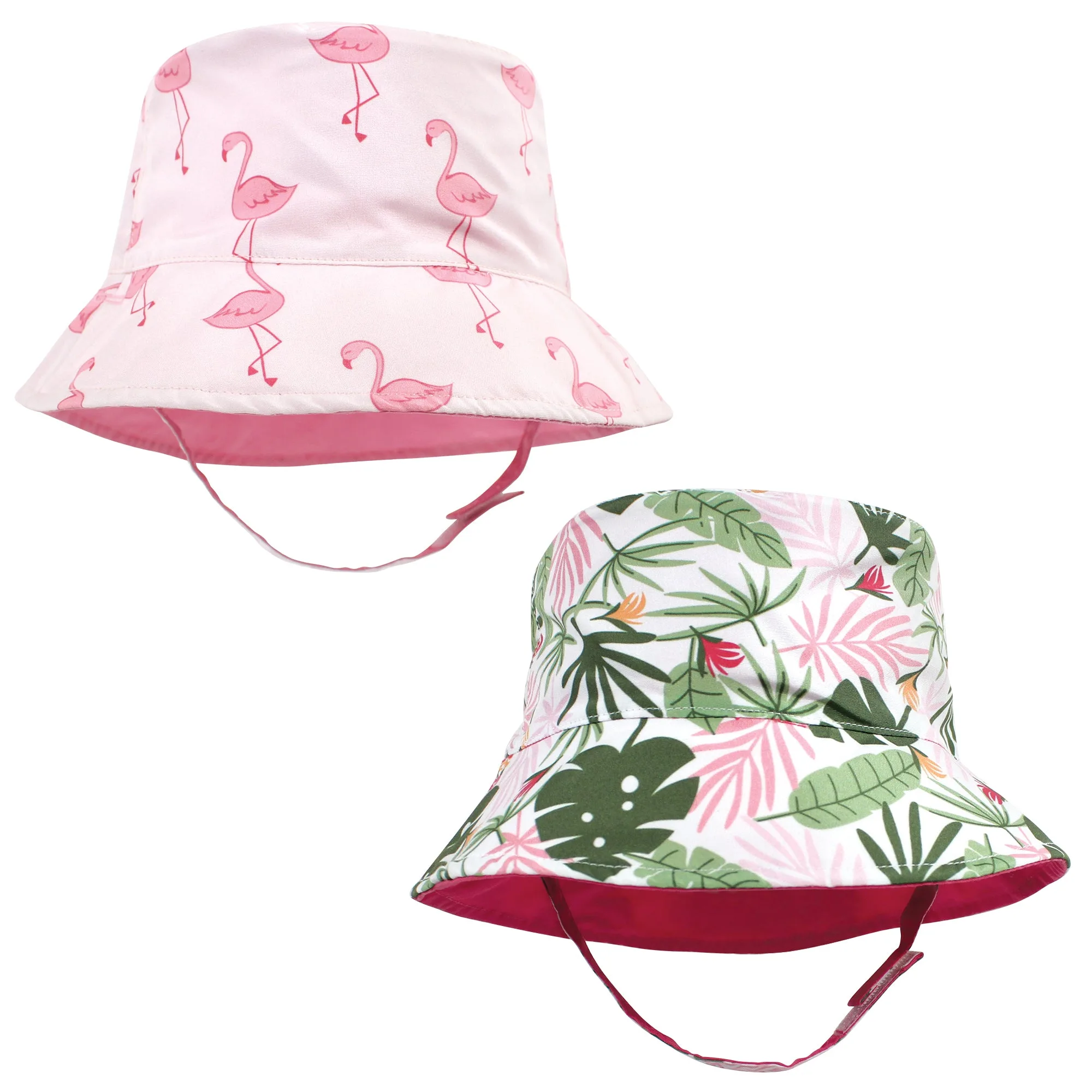
For most babies, choose a lightweight, breathable sun hat with a wide brim that shades the face and neck, plus a chin strap or ties to keep it secure. Reversible styles add versatility for different outfits and activities.
Why Brim Width and Coverage Matter
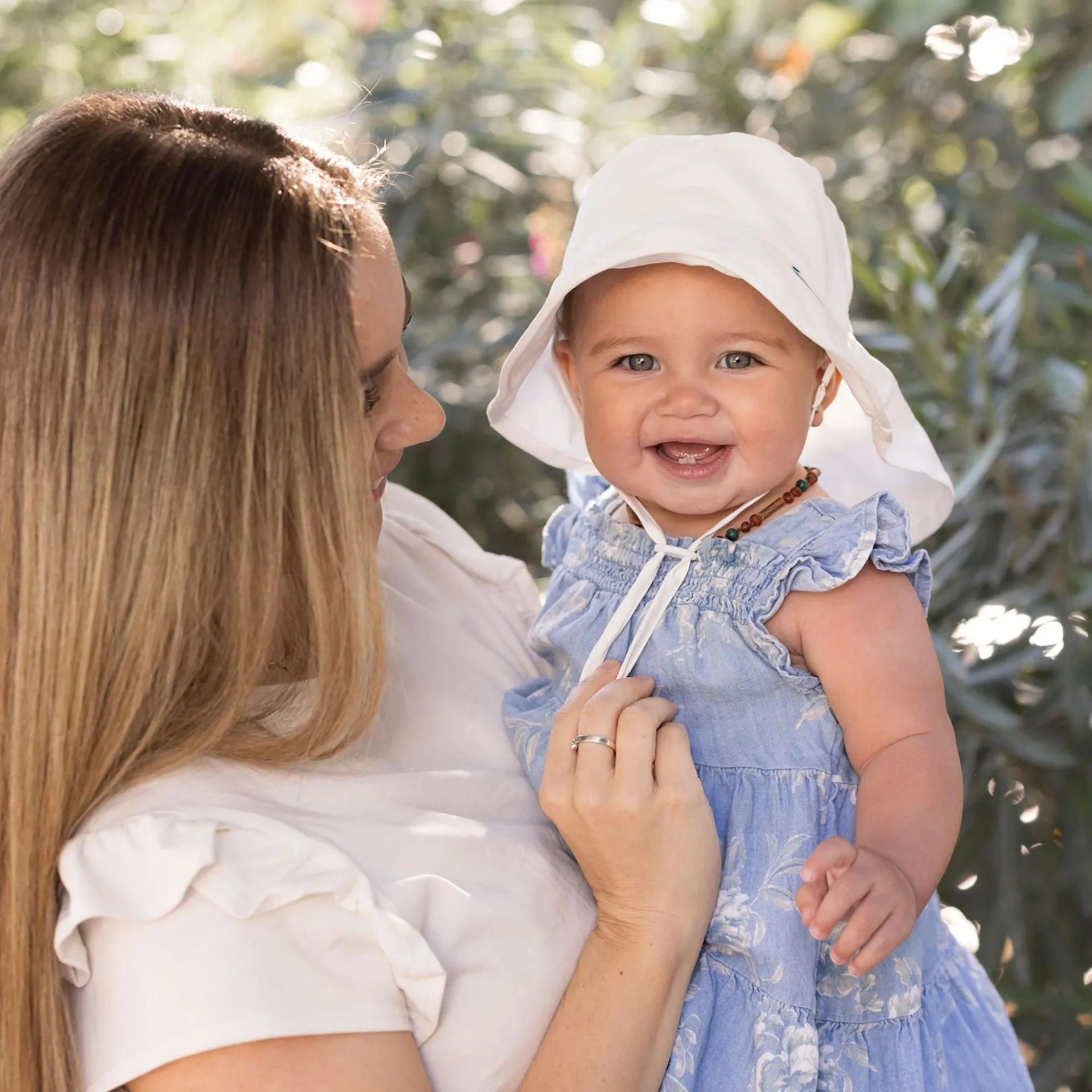
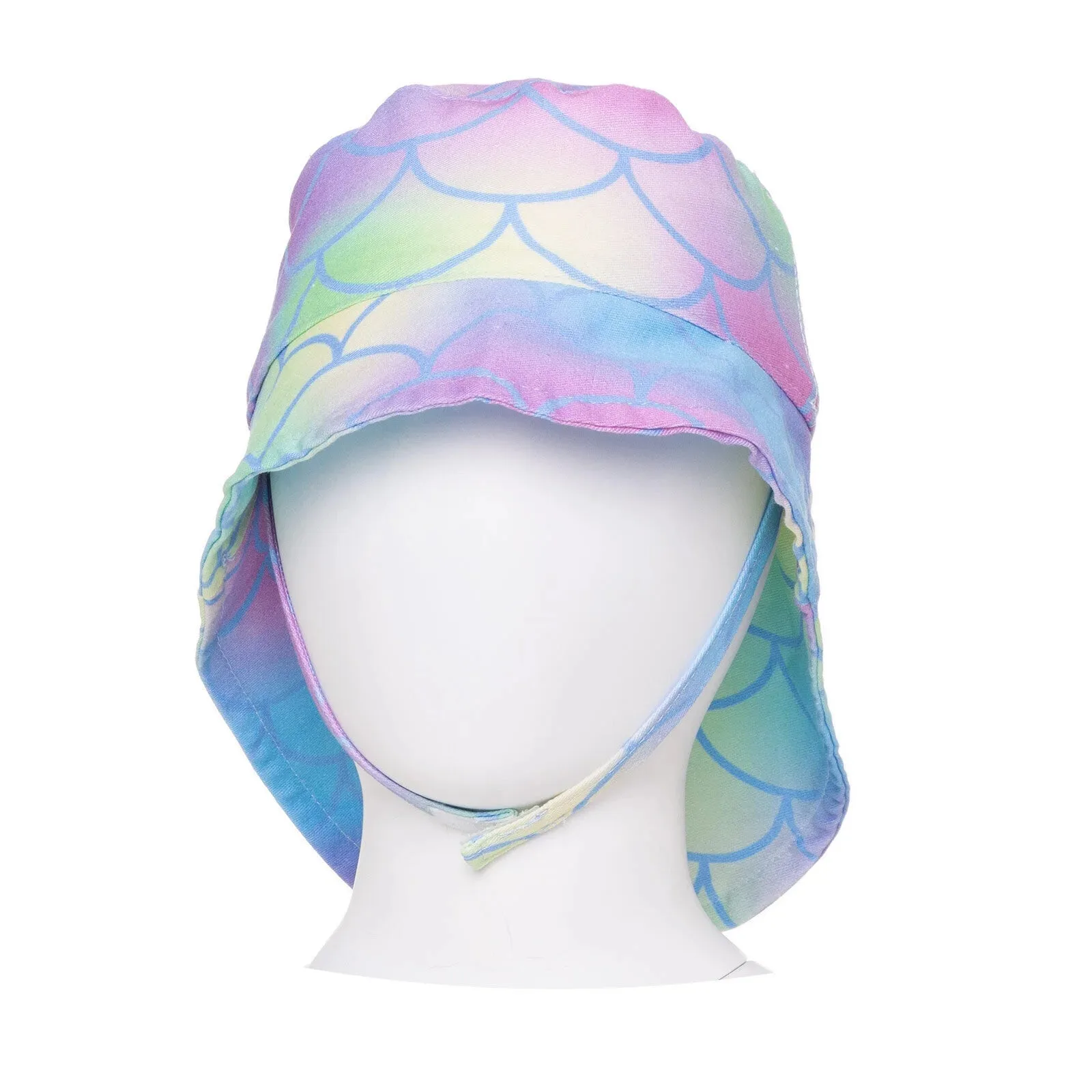
A wide brim is the most important feature in a baby sun hat because it shades the face, ears, and the back of the neck—areas that are especially sensitive to sun exposure. Look for a brim that extends at least 3 inches (7.5 cm) from the crown, and consider a hat with a moldable brim that can be shaped to block sun from different angles.
Fabric and Breathability Trade-Offs
Lightweight, breathable fabrics like cotton keep a baby's head cool on hot days, but they may not offer enough protection for extended direct sun. If you plan long beach days or stroller walks, a hat with a tighter weave or added UPF rating is better—though that may reduce breathability. For everyday shade, a soft cotton hat is comfortable and easy to pack.
Chin Straps vs. Ties: What to Choose
Chin straps are the most secure option for active babies who pull at their hats, but they can feel restrictive for some infants. Soft ties are gentler and easier to adjust, but they may come undone more often. Consider your baby's age and activity level: newborns may do better with ties, while older infants who are sitting or crawling often need a chin strap to keep the hat in place.
Decision Rules for the Perfect Baby Sun Hat
- Check the brim width: Choose a hat with a brim that extends at least 3 inches from the crown. A wider brim gives better coverage for the face, ears, and neck.
- Prioritize breathable fabric: For hot summer days, pick a lightweight, breathable material like cotton. If you need more sun protection, look for a tighter weave or a UPF-rated hat, but expect a trade-off in airflow. For long outdoor exposure, consider a hat with UPF rating even if it's less breathable.
- Decide between chin straps and ties: Use a chin strap for active babies who pull their hats off. Choose soft ties for newborns or babies who find straps uncomfortable. Both should be adjustable and not too tight. Try the hat on your baby and check that the strap or ties don't chafe the chin or neck.
- Look for adjustability and fit: Ensure the hat fits snugly without being tight. A hat that's too big can slip over the eyes; a hat that's too small won't stay on. Some hats have adjustable toggles or drawstrings for a custom fit. Measure your baby's head circumference and compare it with the hat's sizing guide before buying.
- Consider a reversible or packable design: A reversible hat offers two styles in one, making it easy to match different outfits. A packable hat is convenient for travel and can be stuffed in a diaper bag without losing shape. For summer trips, choose a packable hat that can be easily packed and reshaped.
Product Spotlight
-
Big Reversible Sun Hat | Pink Wide Stripe: This reversible cotton sun hat has an extra-wide brim, soft ties, and a moldable brim that can be folded up or shaped. The extra-wide brim provides generous shade for the face and neck, while the soft ties keep it secure on wiggly babies—and the reversible design gives you two looks in one.
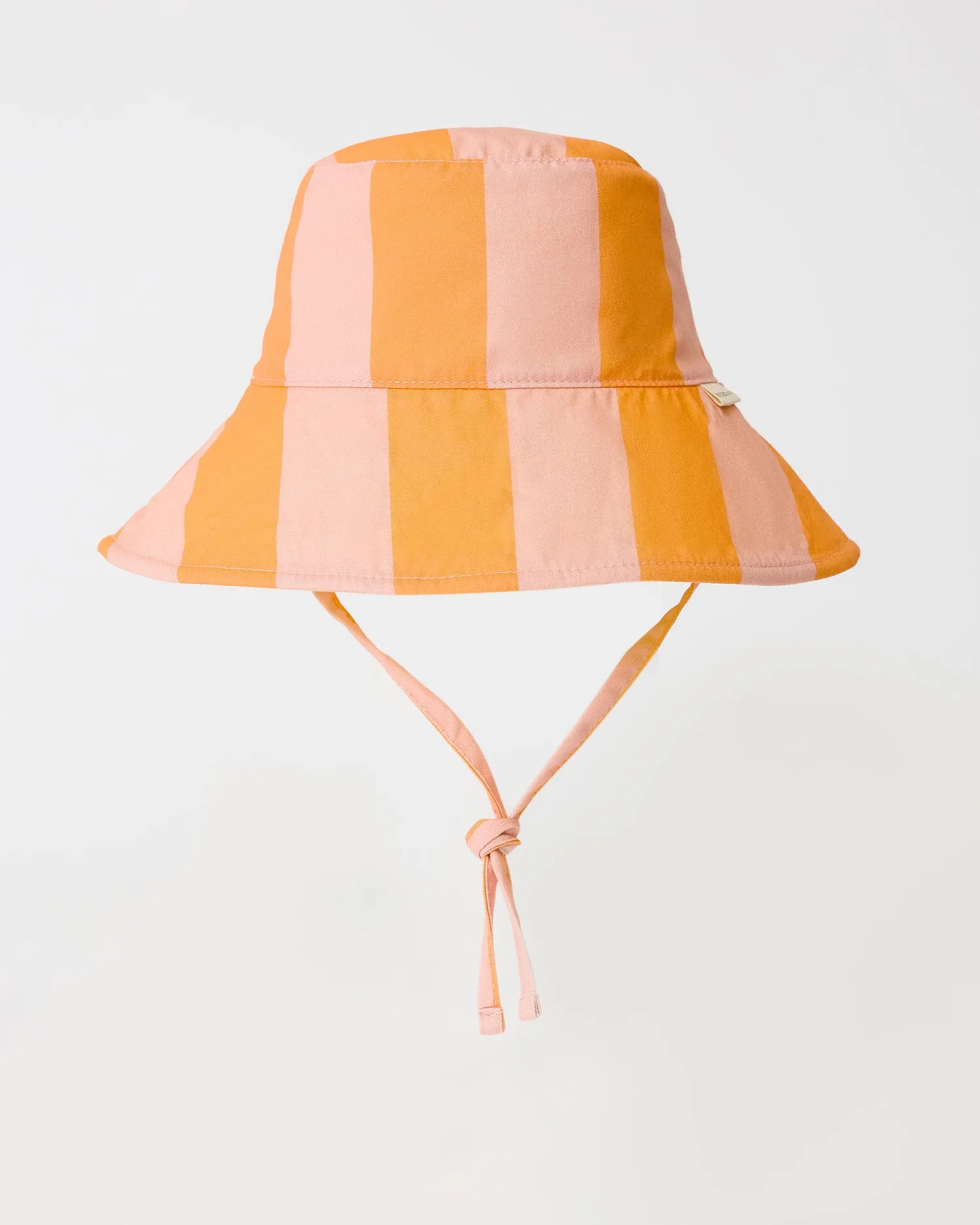
Big Reversible Sun Hat | Pink Wide Stripe
Who Should Choose What
Best for
- Parents of newborns and infants who need a lightweight, breathable hat for everyday shade and stroller walks
- Families who want a versatile, reversible hat that matches multiple outfits and can be packed for travel
Not for
- Parents planning extended direct sun exposure who need a higher UPF-rated hat with a tighter weave
- Parents of older toddlers who require a hat with a firm brim and a strong chin strap for active play