Quick answer
Choose the smallest backpack that holds what your child actually carries. Mini and small sizes suit toddlers and preschoolers who only need a snack, water bottle, and spare clothes. Regular fits most early school years, while large is for older children carrying A4 folders or a full day of supplies. Always measure the torso, not just the age.
A backpack that looks cute in the shop can still be the wrong size once your child walks to nursery or school with it. The right size depends on torso length, what goes inside, and how often they carry it. This kids backpack size guide walks through the four common sizes and the fit checks that matter more than the label.
Trixie makes backpacks in several sizes, and the differences are practical rather than cosmetic. A backpack large - Mrs. Cat has space for A4 books and files, while smaller options suit lighter daily loads. Below you will find decision rules, trade-offs, and a simple way to test the fit before you commit.
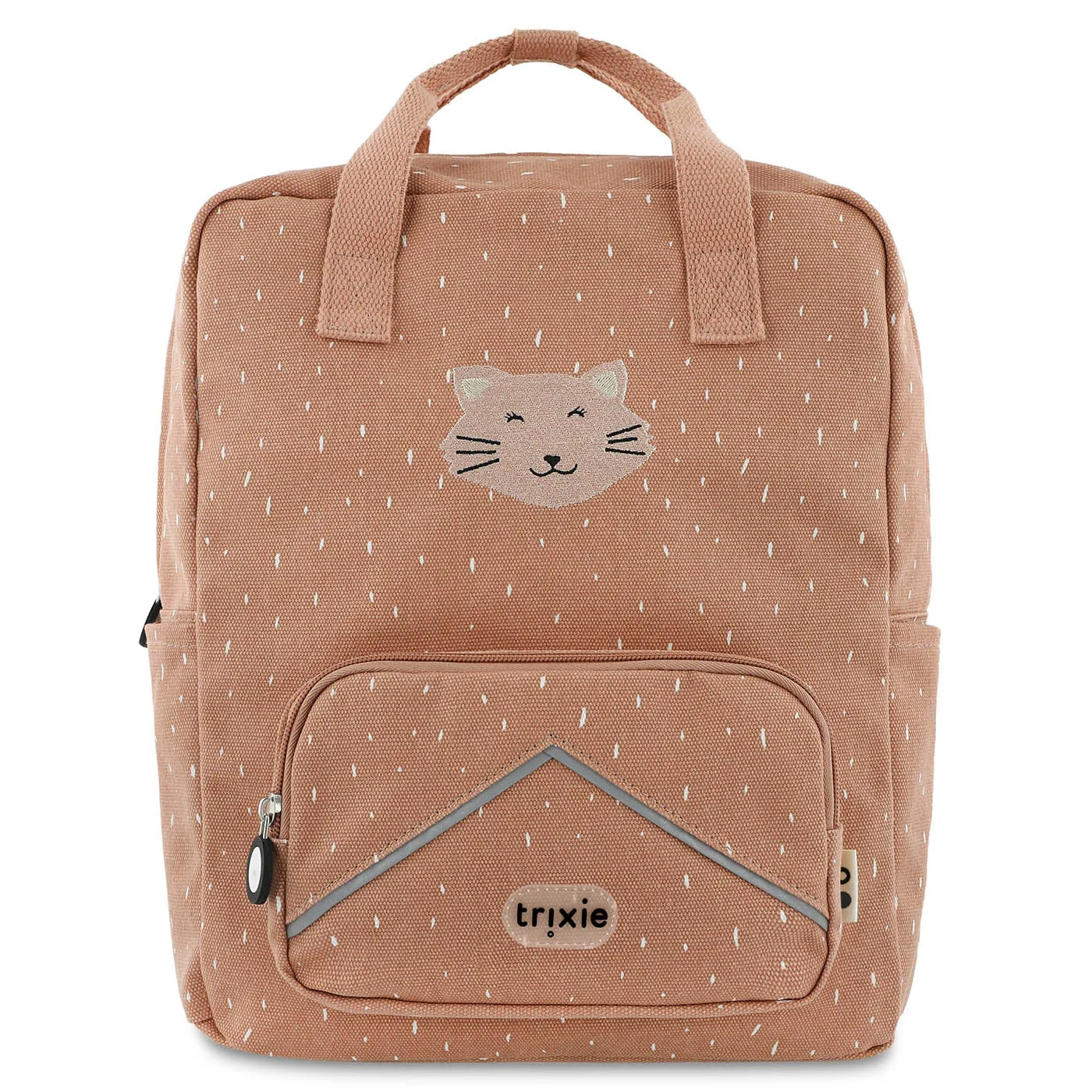
backpack large - Mrs. Cat
Start with torso length, not age
Age labels are a rough starting point, but torso length decides whether a backpack sits correctly. Have your child stand straight and measure from the base of the neck to the top of the hips. A well-fitted backpack should rest in the middle of the back, roughly between the shoulder blades and the waist, not hang below the hips or ride up on the neck.
If the backpack extends past the lower back, it will pull on the shoulders and encourage slouching. If it sits too high, it will bump the head and feel unstable. Use the measurement as your first filter, then check strap adjustment and load weight. A backpack that fits an empty torso can still feel wrong once it is full.
- Measure torso length while your child wears a light t-shirt.
- Re-check the fit with the backpack loaded, not empty.
- A backpack should not extend below the top of the hips.
Match size to daily load
The best size is the one that carries the daily load without extra bulk. For a toddler or preschooler, that usually means a water bottle, a snack, and a change of clothes. A mini or small backpack handles this comfortably and keeps the weight low. If you add a lunch box, a folder, or a soft toy, step up one size.
For early school years, a regular backpack is the common choice because it fits A4 folders and a lunch box without straining. A large backpack makes sense when your child carries books, files, or sports kit, but it can overwhelm a small frame if it is packed heavily. Buy for the load you expect most days, not the biggest trip of the year.
- Weigh the packed backpack: keep it under about 10% of your child's body weight where possible.
- If you regularly carry a lunch box plus a folder, choose regular or large.
- A mini backpack is for short outings, not a full school day.
Check straps and back panel for comfort
Size is only half the fit. Padded shoulder straps spread weight and reduce digging, while a padded back panel adds comfort on longer walks. A chest strap keeps the backpack close to the body so it does not swing when your child runs. These features matter more as the load gets heavier.
Look for adjustable shoulder straps that can be tightened so the backpack sits against the back, not hanging loose. If the straps cannot be adjusted small enough, the backpack will slip even if the volume is right. For younger children, a chest strap is a useful stabiliser; for older children carrying more, it helps distribute weight.
- Tighten shoulder straps so the backpack sits snug against the back.
- A chest strap reduces bounce on active children.
- Padded straps matter more as the load increases.
Decide between mini, small, regular, and large
Mini backpacks suit toddlers and short outings: a snack, a drink, and a small comfort item. Small backpacks add a little more room for a spare outfit or a small lunch box, making them a good fit for nursery and preschool. Regular backpacks are the everyday choice for early school years, with enough space for A4 folders and a lunch box.
Large backpacks are for older children or full days that include books, files, and kit. They often include organisation features such as a name tag, an A4 holder, and a zipped mesh pocket, plus side pockets for a bottle. The trade-off is bulk: a large backpack on a small child will feel heavy and may not sit correctly, so size up only when the load demands it.
- Mini: toddlers, short trips, light loads.
- Small: nursery and preschool with a spare outfit.
- Regular: early school years with folders and lunch.
- Large: older children carrying books, files, or sports gear.
Decision rules for choosing a backpack size
- Rule 1: Torso first: Measure from the base of the neck to the top of the hips. The backpack should sit between the shoulder blades and the waist, not below the hips. If the backpack extends past the lower back, size down.
- Rule 2: Load second: List what your child carries most days. A drink and snack need mini or small; a folder and lunch box need regular; books and kit need large. Buy for the everyday load, not the biggest trip.
- Rule 3: Features third: Padded straps, a padded back panel, and a chest strap improve comfort as the load increases. Adjustable straps must tighten enough to keep the backpack close. If the straps cannot tighten, the size is wrong even if the volume looks right.
- Rule 4: Test loaded: Put the usual contents in the backpack and have your child wear it for a few minutes. Check for slipping, digging straps, or a backpack that hangs low. A quick loaded test prevents returns and discomfort.
Product facts that help you decide
- Backpack large - Mrs. Cat: This roomy backpack has space for A4 books and files, with a padded ergonomic back panel, adjustable shoulder straps and a chest strap, plus a name tag, an A4 holder and a zipped mesh pocket inside. A4 capacity and a chest strap make it a practical choice for older children who carry folders and need the load to stay stable.
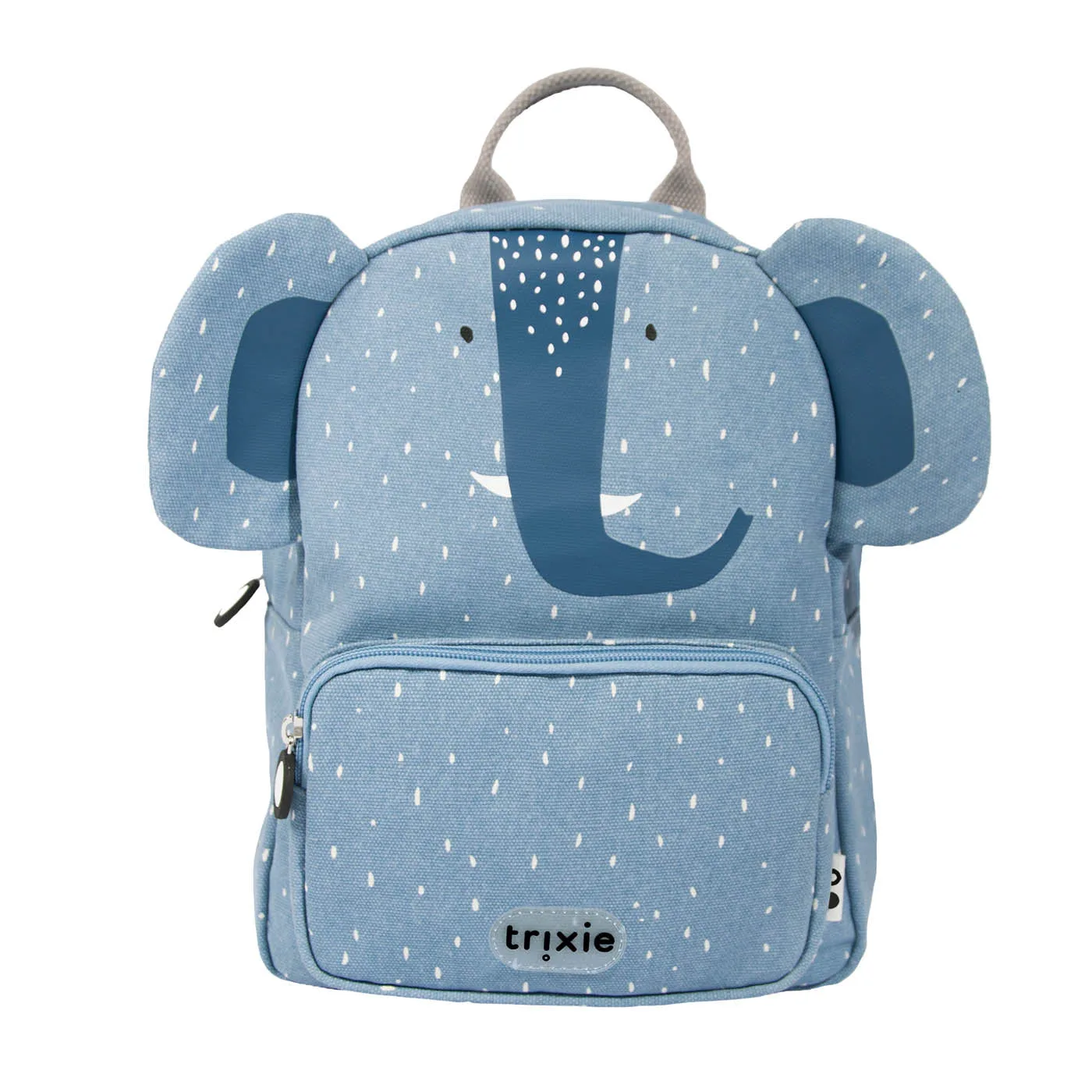
- Backpack - Mrs. Elephant: The Backpack - Mrs. Elephant from Trixie is a regular backpack designed for everyday carrying, with the Mrs. Elephant character design and a standard SKU. A regular size suits everyday use when you need room for a lunch box and a folder without the bulk of a large backpack.
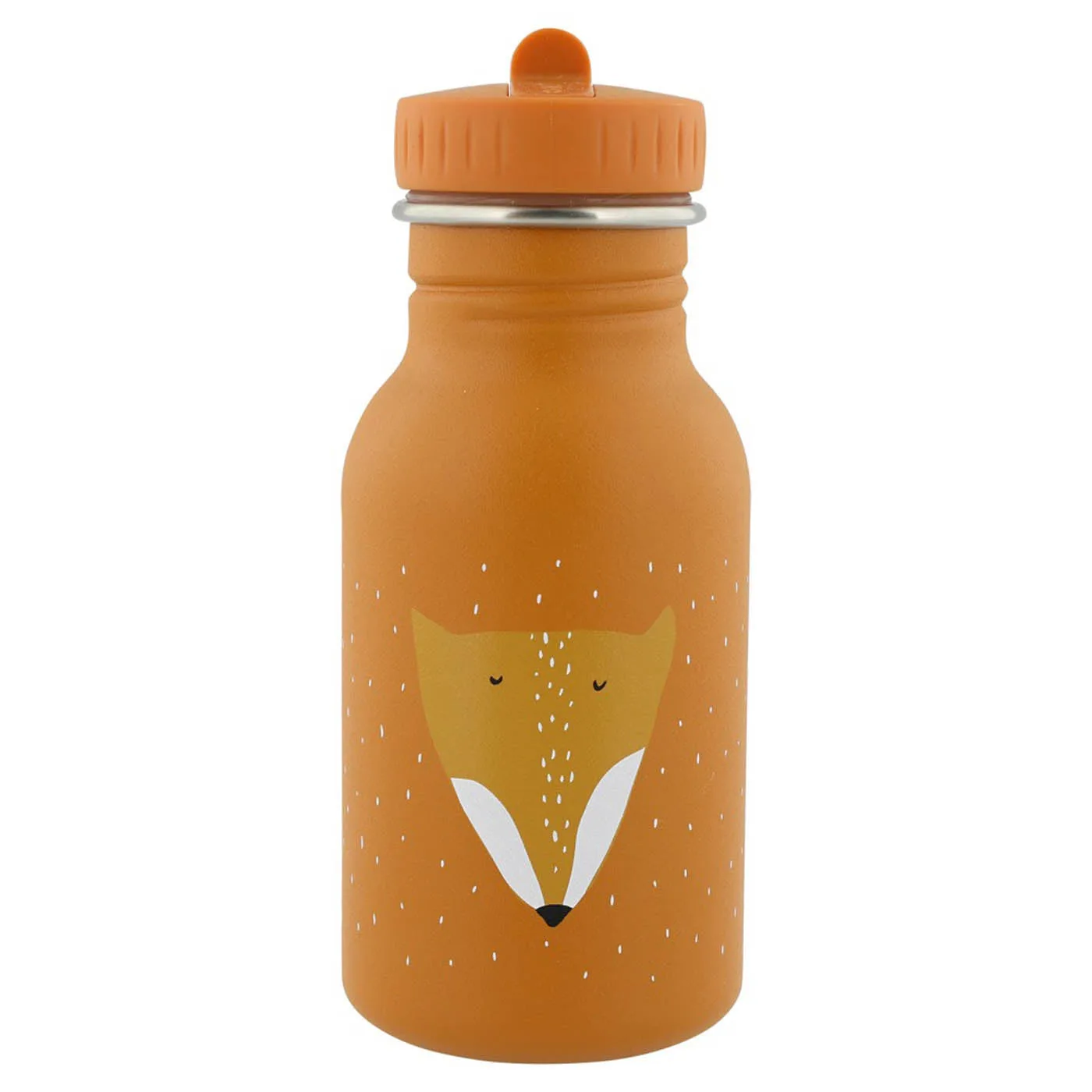
- Bottle 350ml - Mr. Fox: This bottle is made out of stainless steel, making it the perfect, durable alternative to single use plastic bottles. A durable 350ml bottle fits side pockets on many backpacks, so check pocket depth if your child carries a drink daily.
Who each size is for
Best for
- Toddlers and preschoolers who carry a snack, drink, and spare clothes: mini or small.
- Early school years with A4 folders and a lunch box: regular.
- Older children carrying books, files, or sports gear: large.
Not for
- A large backpack on a small child with a light load.
- A mini backpack for a full school day with folders and lunch.
- Any size that cannot be adjusted to sit against the back.
Pick the smallest backpack that comfortably holds the daily load, then check the fit with the backpack packed. If you are between sizes, choose the smaller one for younger children and the larger one only when folders or kit demand it. A quick torso measurement and a loaded test will tell you more than any age label.