Baking the perfect cake or pastry isn’t just about following a recipe—it’s also about using the right pan. The material, shape, and size of your bakeware can dramatically affect heat distribution, browning, and texture. Whether you’re a weekend baker or a pastry enthusiast, choosing wisely saves you from sunken centers and burnt edges.
This guide walks you through the key factors: material pros and cons, common pan types, and maintenance tips. We’ll also highlight a few versatile pieces from East Fork’s bakeware collection that can elevate your baking game.
Material Matters: Ceramic, Stoneware, Glass, and Metal
Each bakeware material conducts heat differently. Ceramic and stoneware, like East Fork’s stoneware pieces, heat slowly and evenly, making them ideal for custards, cheesecakes, and gentle baking. They retain heat well, so your baked goods continue cooking slightly after leaving the oven. Glass heats unevenly but lets you monitor browning from the sides—great for casseroles and pies. Metal pans (aluminum or steel) heat quickly and produce crisp crusts, perfect for cookies and breads.
For cakes, ceramic and stoneware deliver moist, tender crumbs because they don’t over-brown the exterior. If you prefer a golden crust on cornbread or brownies, a metal pan might be better. The trade-off: metal can warp at high temperatures, while ceramic and stoneware are more durable but heavier.
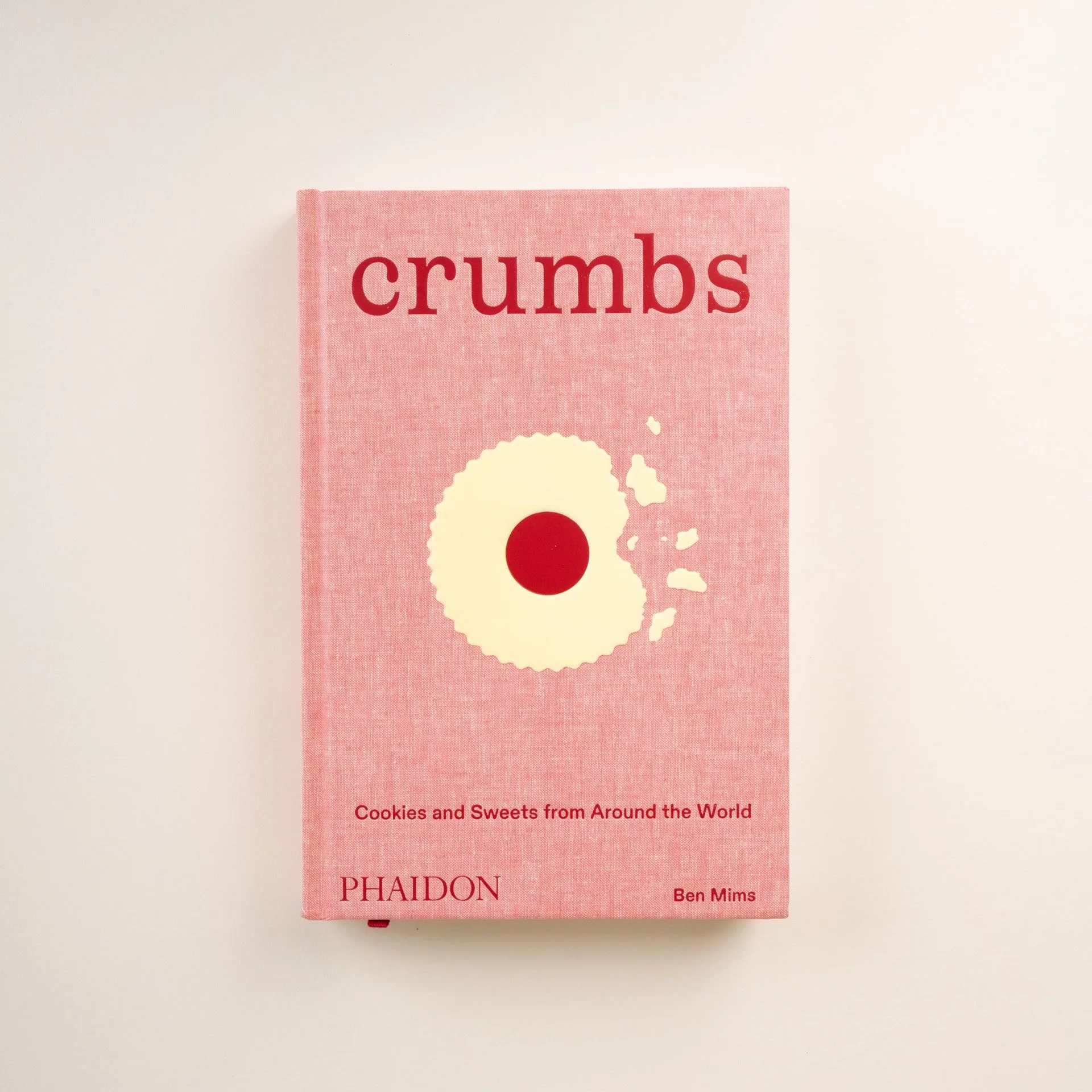
crumbs
- Ceramic/stoneware: even heat, great for delicate cakes and custards.
- Glass: see-through but prone to hot spots; lower oven temp by 25°F.
- Metal: quick heating, best for crisp edges and high-heat baking.
Pan Types and Shapes for Specific Bakes
Round cake pans are standard for layer cakes, but square or rectangular pans suit sheet cakes and brownies. Loaf pans are essential for pound cakes and banana bread. For tarts and quiches, fluted tart pans with removable bottoms make serving easy. Muffin and cupcake tins come in standard and mini sizes. Don’t forget specialty pans like bundt or springform for cheesecakes.
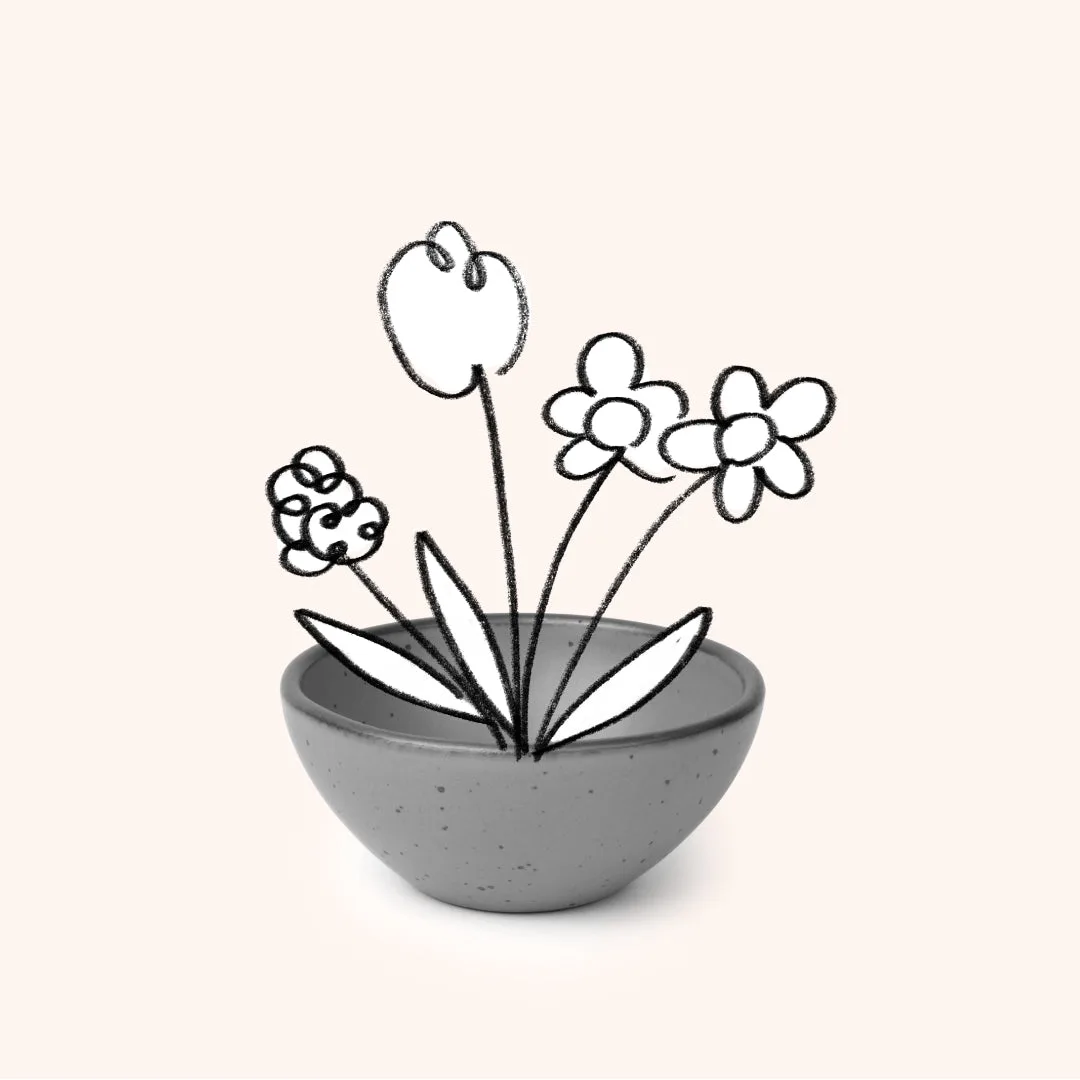
When choosing, consider the recipe’s volume. A 9-inch round pan holds about 6 cups of batter; an 8-inch square holds 8 cups. Using the wrong size can cause overflow or underdone centers. East Fork’s Popcorn Bowl doubles as a unique baking vessel for small breads or dips, and the https://astrakitchen.shop/products/bitty-bowl-8-pack-117205Bitty Bowl 8-Pack is perfect for individual soufflés or mini cakes.
- Match pan volume to recipe: too small = overflow; too large = thin, dry layers.
- Dark or nonstick pans brown faster—reduce oven temp by 25°F.
- Invest in a springform pan for cheesecakes and delicate tortes.
Size and Capacity: Getting the Fit Right
Bakeware dimensions matter more than you think. A standard 9x13-inch pan holds about 15 cups, ideal for sheet cakes and lasagnas. Loaf pans typically measure 8.5x4.5 inches (6 cups) or 9x5 inches (8 cups). For layer cakes, two 8-inch or 9-inch rounds are common. If you bake often, having a set of matching pans ensures even layers.
To test capacity, fill your pan with water and measure—this tells you exactly how much batter it can hold without overflowing. Also check the pan’s depth: shallow pans (1 inch) are for tarts; deep pans (2 inches) for cakes. The Dinner Plate Set in La Sirène might inspire you to use plates as serving bases, but stick to proper bakeware for actual baking.
- Use a liquid measuring cup to test pan volume before baking.
- For even layers, use pans of the same material and size.
- Avoid glass or ceramic if the recipe calls for rapid temperature changes (e.g., adding cold liquid to hot pan).
Care and Longevity: Making Your Bakeware Last
Ceramic and stoneware need gentle handling. Avoid drastic temperature shifts—don’t put a cold pan into a hot oven. Let pans cool before washing. Most stoneware is dishwasher-safe, but hand washing preserves the finish. Metal pans can rust if not dried thoroughly; cast iron requires seasoning. Glass is dishwasher-safe but can chip if knocked.
Store pans with protection: stack with paper towels between to prevent scratches. Avoid metal utensils on nonstick surfaces. With proper care, quality bakeware like East Fork’s stoneware can last for decades. The Cast Iron Griddle is another durable option for stovetop-to-oven baking, like skillet cookies or cornbread.
- Hand wash ceramic/stoneware to avoid thermal shock.
- Dry metal pans immediately to prevent rust.
- Season cast iron bakeware regularly for a natural nonstick surface.
Choosing the right bakeware comes down to understanding how different materials, shapes, and sizes affect your baking. Start with versatile pieces like ceramic or stoneware for even heat, and add specialty pans as your skills grow. With the right tools and a little care, you’ll be turning out perfect cakes and pastries every time.