Quick Answer
To choose the right baking parchment, consider the size of your baking trays, the type of baking you do (e.g., cookies vs. cakes), and whether you prefer unbleached, non-stick, or silicone-coated options. For most home bakers, a standard roll of non-stick parchment paper that fits your largest baking sheet is a versatile choice. If you bake delicate items like macarons, opt for a higher-grade non-stick parchment to ensure easy release.
Baking parchment is a kitchen essential that prevents sticking, reduces cleanup, and helps baked goods brown evenly. But with so many options available—from bleached to unbleached, non-stick to silicone-coated—it can be overwhelming to choose the right one. This guide will walk you through the key factors to consider, ensuring you pick the perfect parchment paper for your baking needs.
Whether you're a seasoned baker or just starting out, understanding the differences between parchment types can elevate your baking results. From cookie sheets to cake tins, the right parchment paper can make all the difference in how your treats turn out.
Key Factors to Consider When Buying Baking Parchment
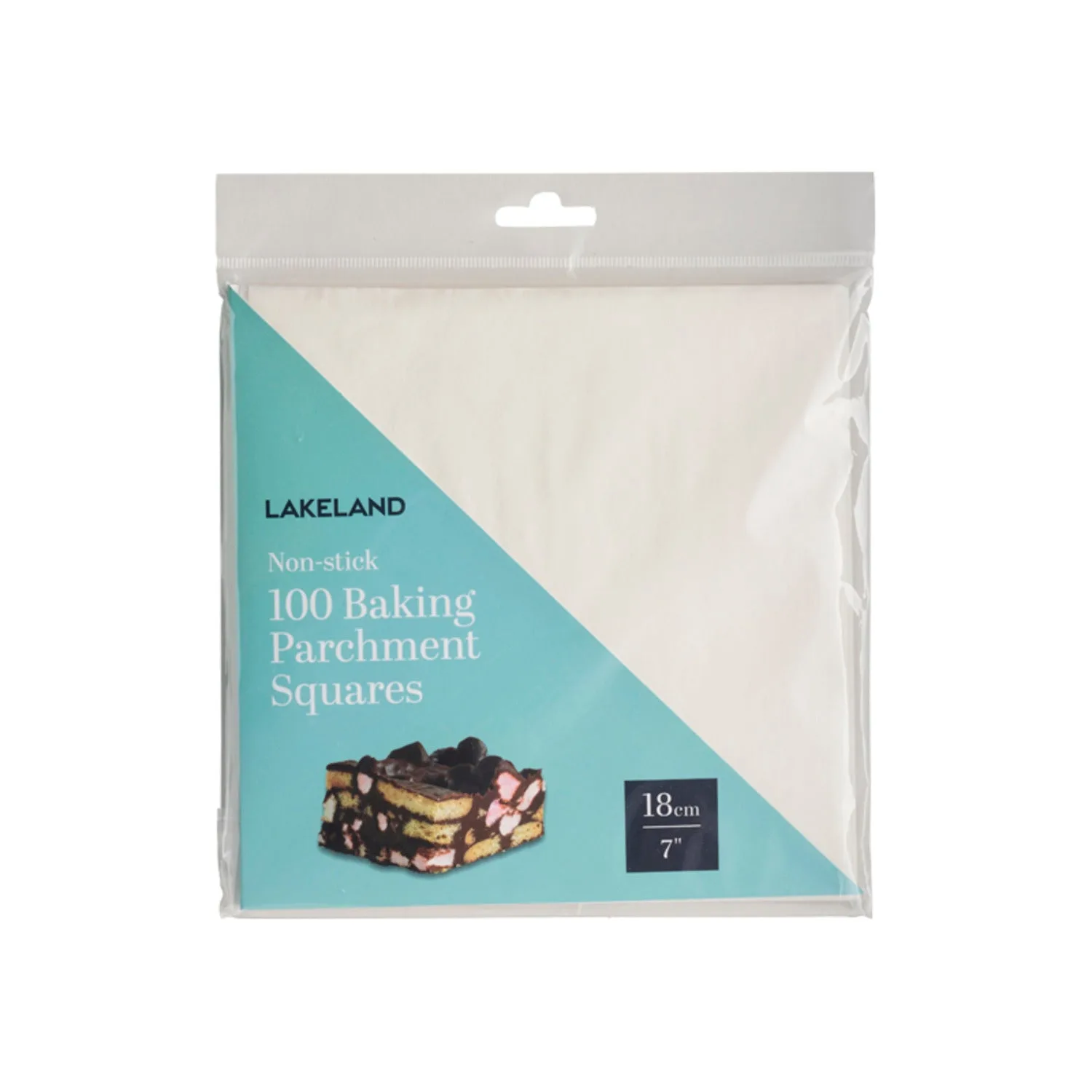
When selecting baking parchment, the first thing to consider is the size. Parchment paper comes in rolls or pre-cut sheets, and you'll want to ensure it fits your baking trays. Measure your largest baking sheet and choose a roll that is at least that wide. Pre-cut sheets are convenient but may not fit all pans, so rolls offer more flexibility.
Another crucial factor is the coating. Non-stick parchment paper is coated with silicone, which prevents food from sticking without the need for greasing. This is ideal for cookies, pastries, and even roasting vegetables. For high-temperature baking, ensure the parchment is rated for temperatures above 420°F (215°C) to avoid burning or smoking.
- Check the width of the roll against your baking trays.
- Look for parchment that is oven-safe up to at least 420°F.
- Consider unbleached parchment for an eco-friendlier option.
Understanding Parchment vs. Greaseproof Paper
Many bakers confuse parchment paper with greaseproof paper, but they are not the same. Parchment paper is coated with silicone, making it non-stick and heat-resistant up to 420°F (215°C). Greaseproof paper, on the other hand, is only resistant to grease and is not suitable for high-heat baking. For most baking tasks, parchment paper is the better choice.
If you're making delicate items like meringues or macarons, parchment paper is essential to prevent sticking and ensure a smooth release. For roasting or baking at high temperatures, always opt for parchment paper over greaseproof paper to avoid burning.
- Use parchment paper for baking and roasting; greaseproof is only for wrapping or cold use.
- Check the packaging for temperature ratings to ensure safety.
Eco-Friendly and Reusable Options
For environmentally conscious bakers, unbleached parchment paper is a great choice. It's made without chlorine bleaching, reducing chemical waste. Some brands also offer reusable silicone baking mats, which can replace parchment entirely for many tasks, though they may not fit all pans.
If you prefer disposable options, look for parchment that is compostable. These are typically unbleached and coated with plant-based silicone. While they may be slightly more expensive, they offer peace of mind for eco-friendly baking.
- Unbleached parchment is chlorine-free and more eco-friendly.
- Silicone baking mats are a reusable alternative, but ensure they fit your pans.
Decision Rules for Choosing Baking Parchment
- If you bake cookies or pastries: Choose non-stick parchment paper with a silicone coating to ensure easy release and even browning. Opt for a roll that fits your largest baking sheet.
- If you bake at high temperatures: Select parchment paper rated for at least 420°F (215°C) to prevent burning or smoking. Check the packaging for temperature ratings.
- If you're eco-conscious: Choose unbleached, compostable parchment paper or consider reusable silicone baking mats. Unbleached options are chlorine-free and better for the environment.
Baking Parchment Products from Lakeland
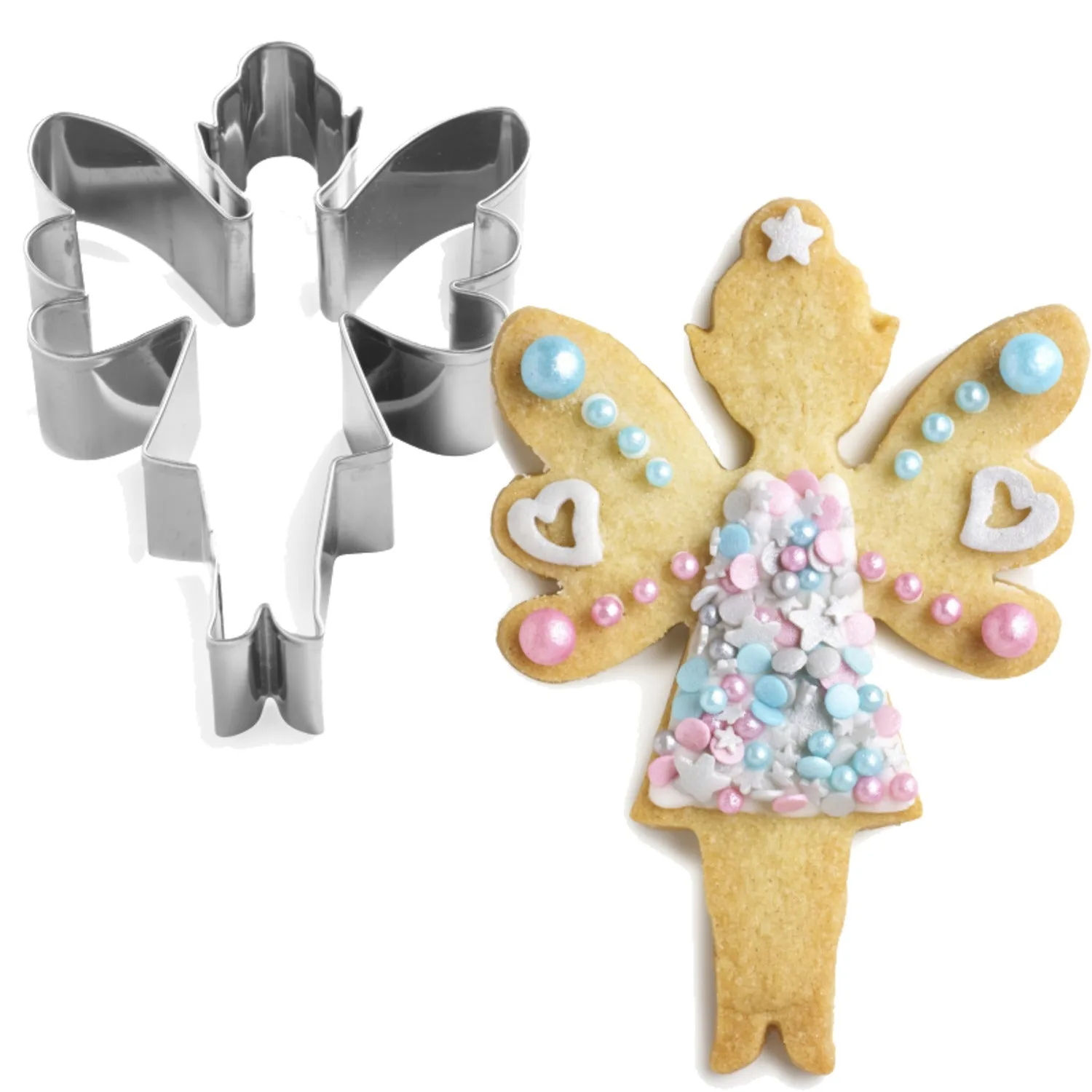
- Flying Fairy Cookie Cutter: This cookie cutter is made from sturdy stainless steel and is perfect for creating fairy-shaped biscuits that are sure to captivate everyone. When using cookie cutters like this one, having reliable baking parchment ensures your fairy biscuits release easily without breaking their delicate wings.
- GreenPan 24cm Springform Cake Tin: This springform cake tin features a non-stick coating that is PFAS-free, making it eco-friendlier and easy to release cakes without sticking. Even with non-stick bakeware, using baking parchment can provide an extra layer of protection and make cleanup even easier, especially for sticky cakes.
Which Parchment Should You Choose?
Best for
- Home bakers who want versatility and convenience for everyday baking.
- Those who bake delicate items like macarons or meringues that require non-stick surfaces.
Not for
- High-temperature grilling or broiling, where parchment may not be suitable.
- Very large commercial baking operations that may require specialized parchment.
Choosing the right baking parchment is simple once you know what to look for. Consider your baking habits, temperature needs, and environmental preferences. For most home bakers, a good-quality non-stick parchment paper is a reliable choice. And don't forget to pair your parchment with quality bakeware like the GreenPan 24cm Springform Cake Tin for perfect results every time.