Choosing the right belt loop size might seem like a small detail, but it can make a big difference in how your belt fits and functions. Whether you are replacing a worn-out loop or upgrading your belt accessories, getting the size right ensures your belt stays secure and looks great. This guide will walk you through everything you need to know about belt loop sizing, from measuring your belt to matching it with the right loop.
Many people overlook the importance of belt loop compatibility. A loop that is too wide can slide around, while one that is too narrow may not fit at all. By understanding the basic dimensions and materials, you can avoid common mistakes and extend the life of your belt. Let's dive into the simple steps to find the perfect belt loop size.
Why Belt Loop Size Matters
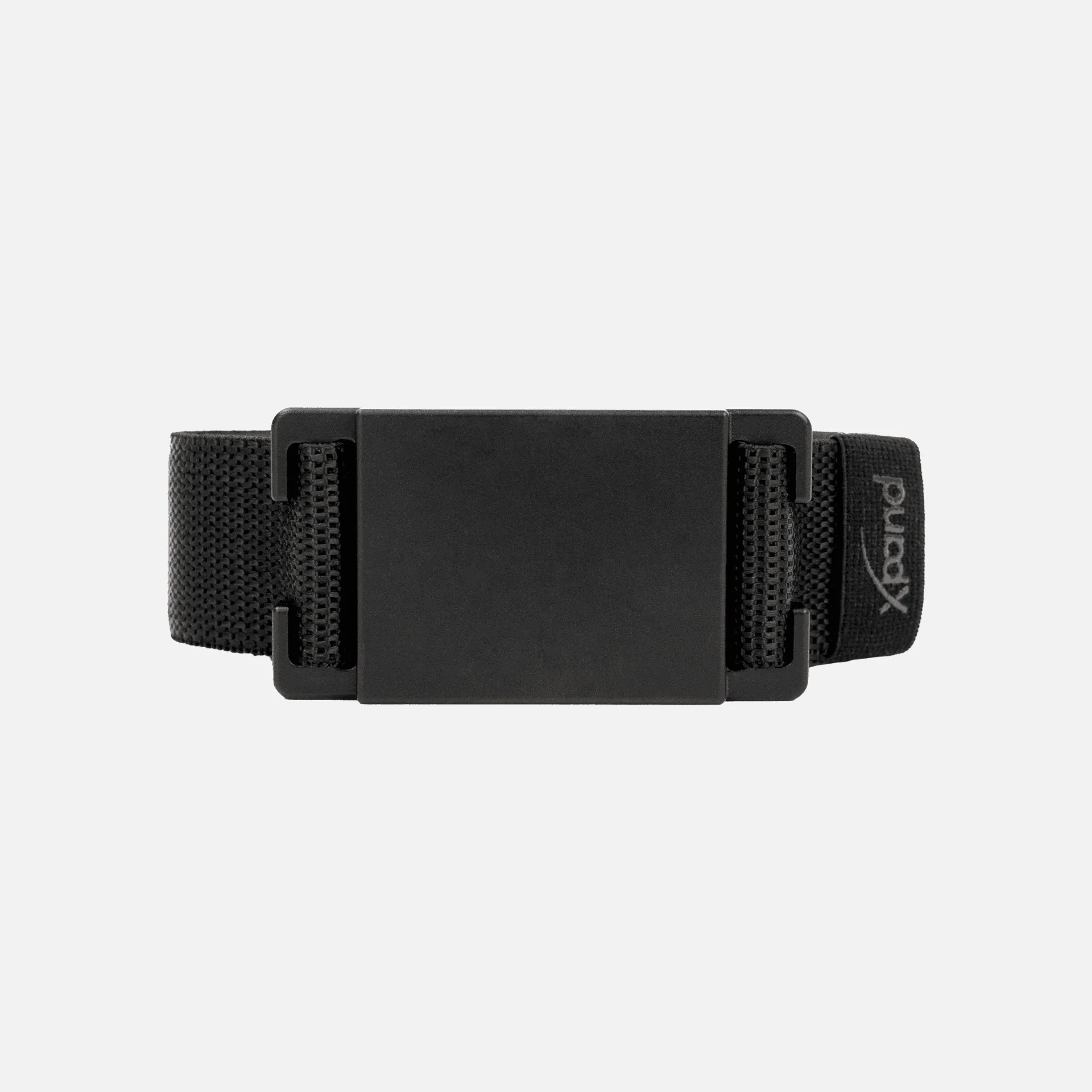
Belt loops are not just decorative; they serve a functional purpose by keeping your belt in place. When the loop size is incorrect, your belt can shift, twist, or even come loose during wear. This can be especially frustrating if you are active or rely on your belt for a secure fit. For example, a belt like the Urban Belt Strap features a sleek design that pairs best with loops that match its width and thickness.
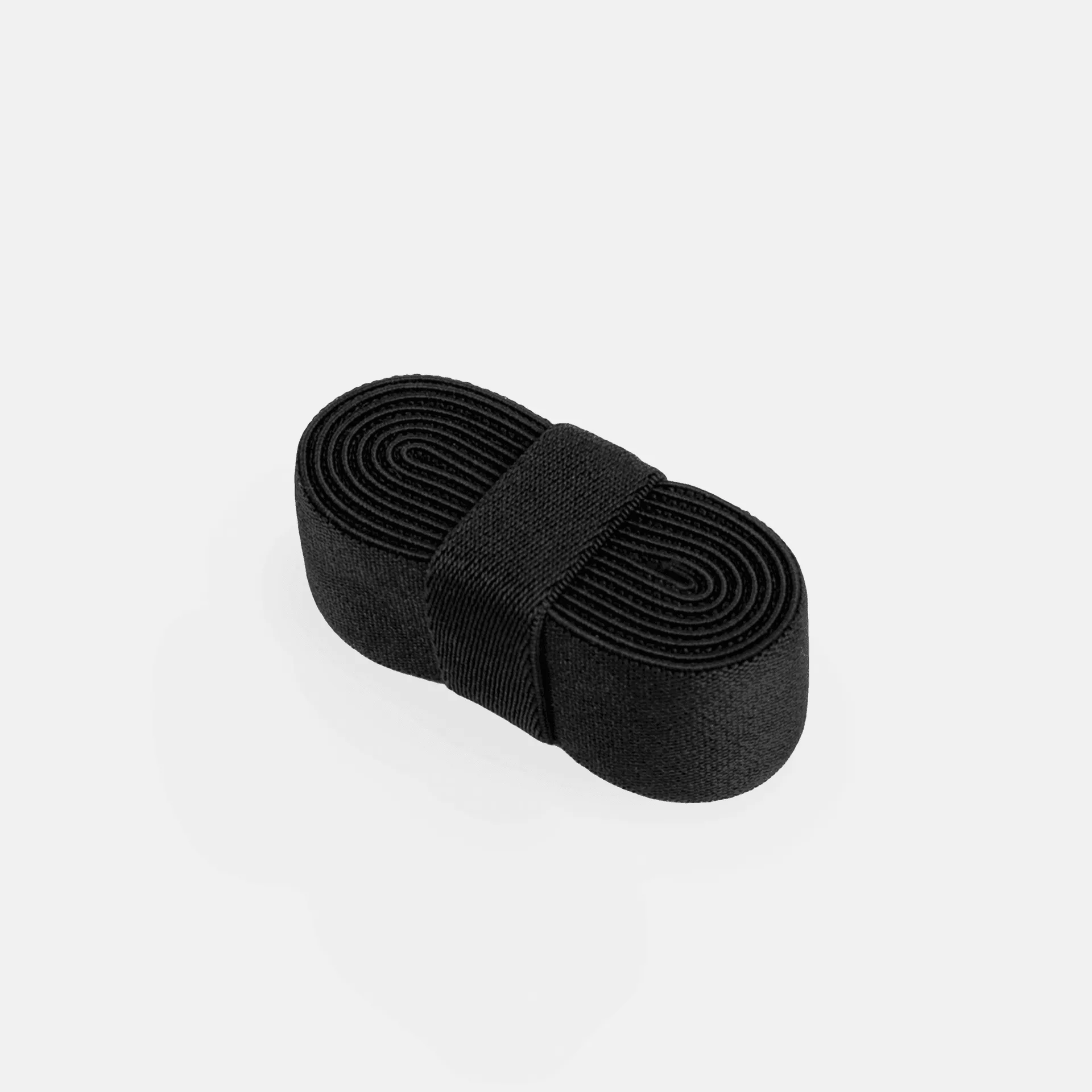
Urban Belt Strap
Additionally, the right loop size prevents damage to your belt. A loop that is too tight can cause wear on the edges, while a loose loop may let the belt buckle scratch against your clothing. By choosing the correct size, you protect both your belt and your wardrobe, ensuring a polished look every time.
- Measure your belt width with a ruler or tape measure for accuracy.
- Consider the belt material: leather belts may require slightly larger loops for flexibility.
- Check if your belt has a quick-release buckle, as some designs need specific loop styles.
How to Measure Your Belt for the Correct Loop Size
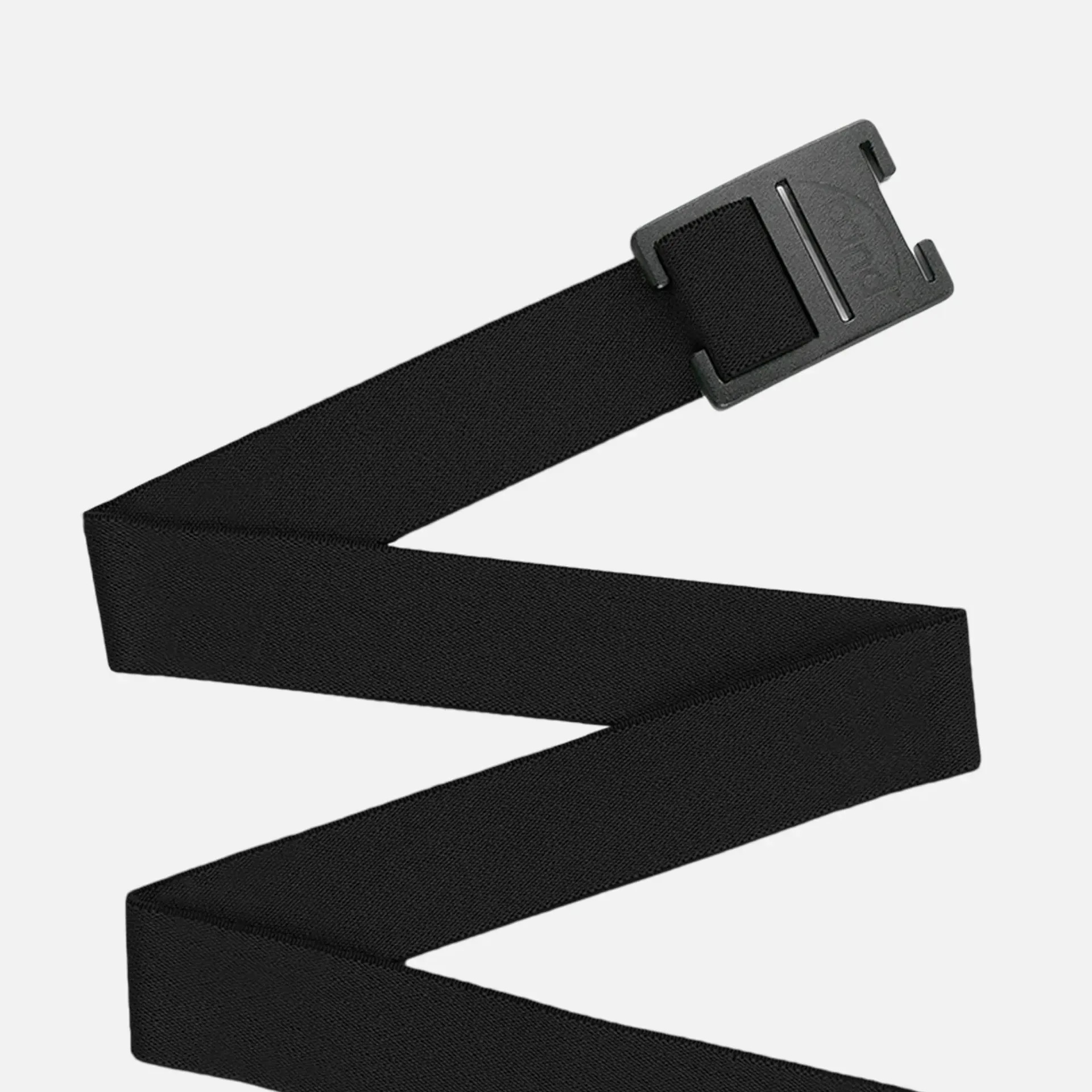
Start by measuring the width of your belt at the point where the loop will sit. Use a flexible measuring tape and note the measurement in inches or millimeters. Most belts range from 1 inch to 1.5 inches wide, but some are narrower or wider. For instance, the Explorer Belt Strap is designed for adventure and may have a different width than a dress belt, so always measure your specific belt.
Explorer Belt Strap
Next, consider the thickness of your belt. Thicker belts, such as those made from heavy-duty nylon or leather, need loops with a slightly larger inner diameter. A good rule of thumb is to add 2-3 millimeters to your width measurement for the loop size. This extra space allows the loop to slide smoothly without being too tight.
- Use a caliper for precise thickness measurements if available.
- Write down both width and thickness for reference when shopping.
- Test the loop by sliding it onto a small section of your belt before committing.
Matching Belt Loops with Belt Accessories
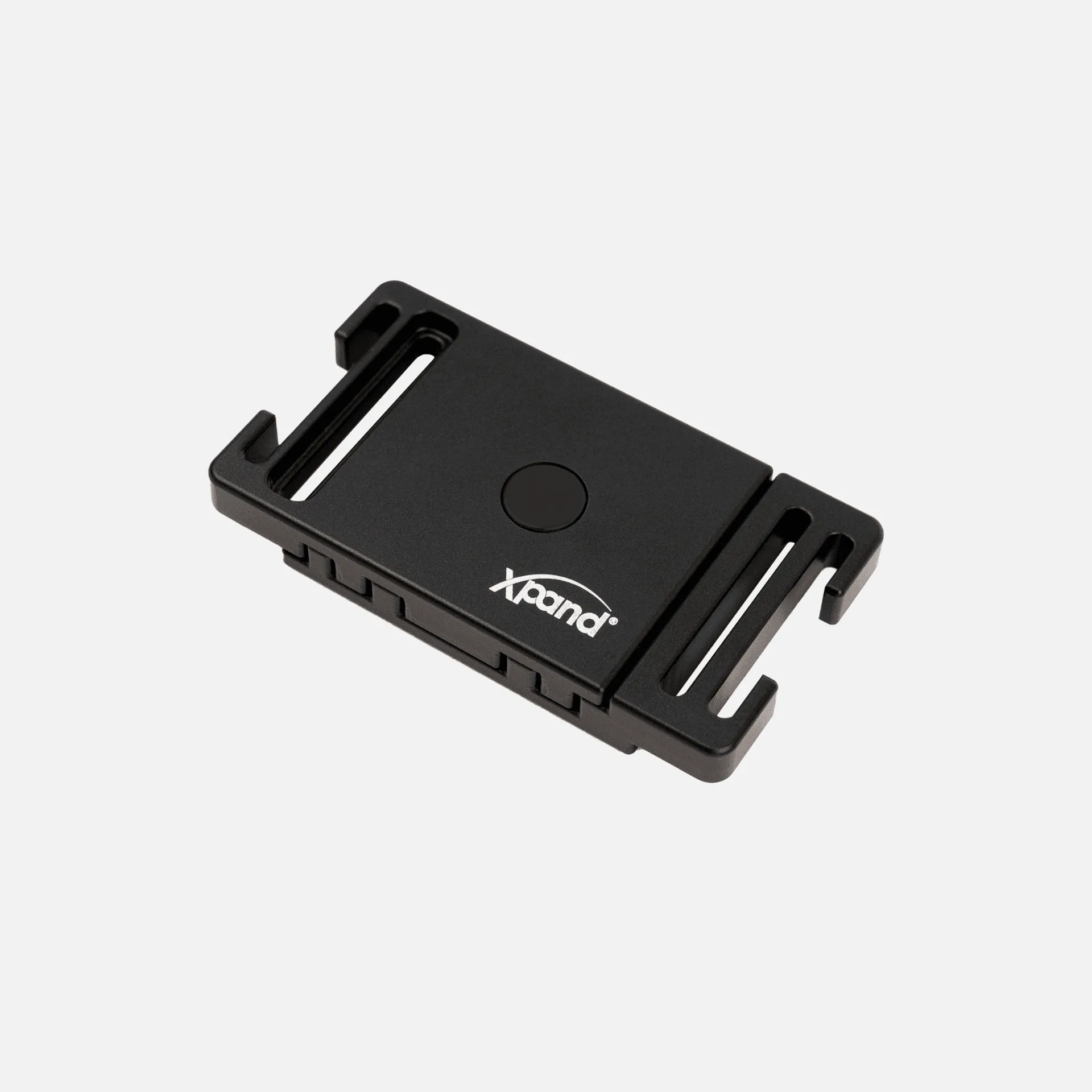
Belt loops are part of a larger ecosystem of belt accessories. When selecting a loop, think about how it will work with your buckle and strap. Some loops are designed to be removable and adjustable, while others are fixed. For example, if you use a buckle like the Aluminum Urban Buckle, ensure the loop can accommodate its shape and size for a seamless fit.
Also, consider the aesthetic. A metal loop might complement a modern belt, while a fabric loop suits a casual style. Matching the loop material to your belt's design creates a cohesive look. Remember, a well-chosen loop enhances both function and fashion.
- Check if the loop is compatible with quick-release or traditional buckles.
- Look for loops with reinforced stitching for added durability.
- Avoid loops with sharp edges that could damage your belt over time.
Common Mistakes to Avoid When Choosing Belt Loops
One common mistake is assuming all loops are universal. Even within the same width, variations in shape and design can affect fit. Another error is ignoring the loop's material quality. Cheap plastic loops may break easily, while metal or reinforced fabric loops last longer. Always inspect the loop's construction before purchase.
Additionally, do not forget to account for the belt buckle. Some buckles have wider bases that require larger loops. If you are replacing a loop, bring your belt and buckle to the store or check product specifications online. Taking these steps saves time and ensures a hassle-free upgrade.
- Avoid loops that are too thin; they may stretch or break under tension.
- Test the loop with your belt buckle to confirm compatibility.
- Buy extra loops if you plan to switch belts frequently.
Now that you know how to choose the right belt loop size, you can confidently upgrade your belt accessories. For a durable and stylish option, consider the Urban Belt Strap, which pairs perfectly with a variety of loops and buckles. Start your search today and enjoy a belt that fits just right.