Whether you live in a region with harsh winters, scorching summers, or frequent rain, your bird feeder must be built to handle the elements. Choosing the wrong feeder can lead to spoiled seed, cracked components, and fewer bird visits. Understanding how to choose the right bird feeder for your climate ensures your backyard birds stay well-fed year-round.
Birdbuddy offers a range of feeders and accessories engineered for durability and smart performance in diverse conditions. By focusing on material quality, weatherproofing, and solar integration, you can select a feeder that not only attracts birds but also withstands your local weather patterns.
Understanding Your Local Climate and Bird Preferences
The first step in choosing a bird feeder is assessing your climate. In cold regions, heavy snow and freezing temperatures can block feeding ports and damage plastic parts. Hot, humid areas may cause seed to spoil quickly, while rainy climates require excellent drainage. Additionally, different climates attract different bird species: woodpeckers and chickadees thrive in cold, while hummingbirds prefer warmth.
For cold climates, look for feeders with metal or reinforced plastic components that resist cracking. In hot climates, feeders with ventilation and shade features help keep food fresh. Rainy regions benefit from feeders with overhanging roofs to keep seed dry. Matching your feeder to these conditions is key to a successful bird feeding experience.
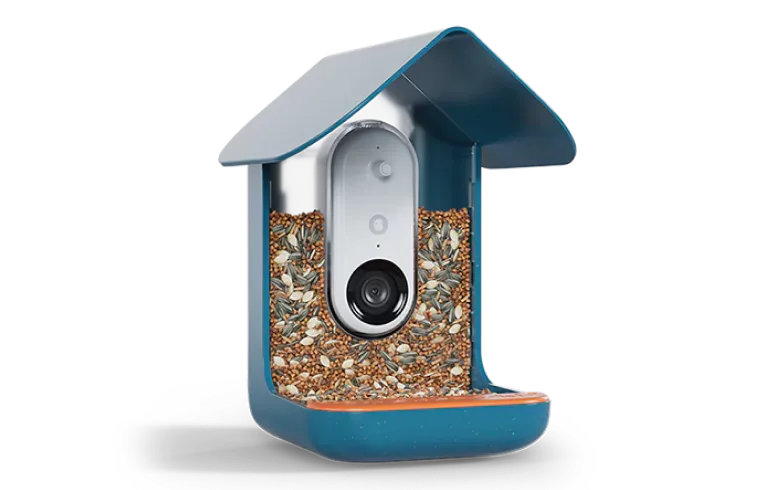
- Cold climates: Prioritize feeders with solid roofs and wind protection, such as the https://nexaelectroai.shop/products/birdbuddy-pro-solar-221217Birdbuddy Pro Solar with its integrated shelter.
- Hot climates: Opt for feeders made from UV-resistant materials to prevent fading and degradation.
Weather-Resistant Materials and Design
A feeder’s material and construction determine its lifespan in extreme weather. High-grade plastics and stainless steel are excellent for resisting rust and UV damage. The Birdbuddy Solar Roof provides a durable, weatherproof cover that not only protects the feeder from rain and snow but also powers the smart camera. This keeps your feeder operational in wet conditions without worrying about battery drainage.
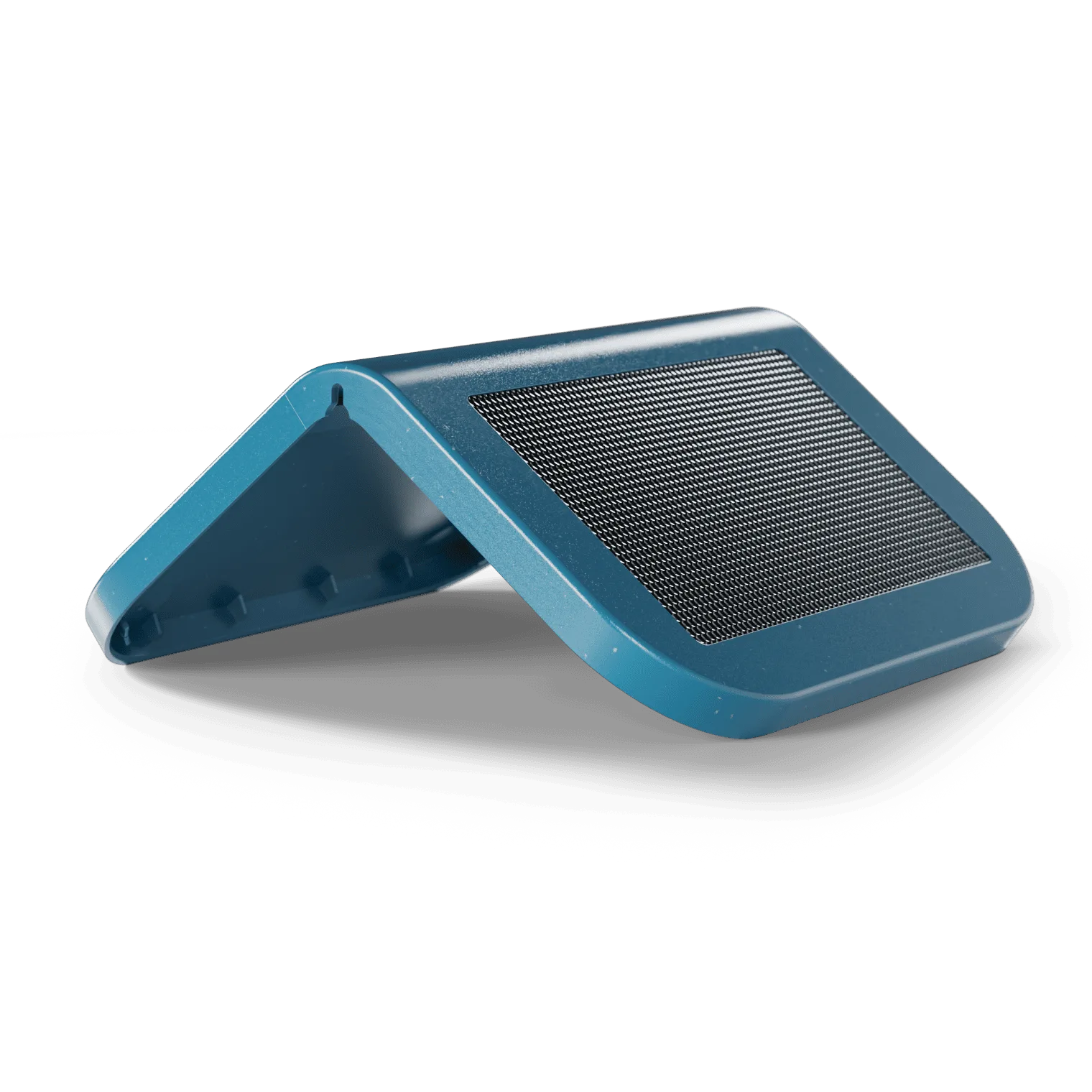
Solar Roof
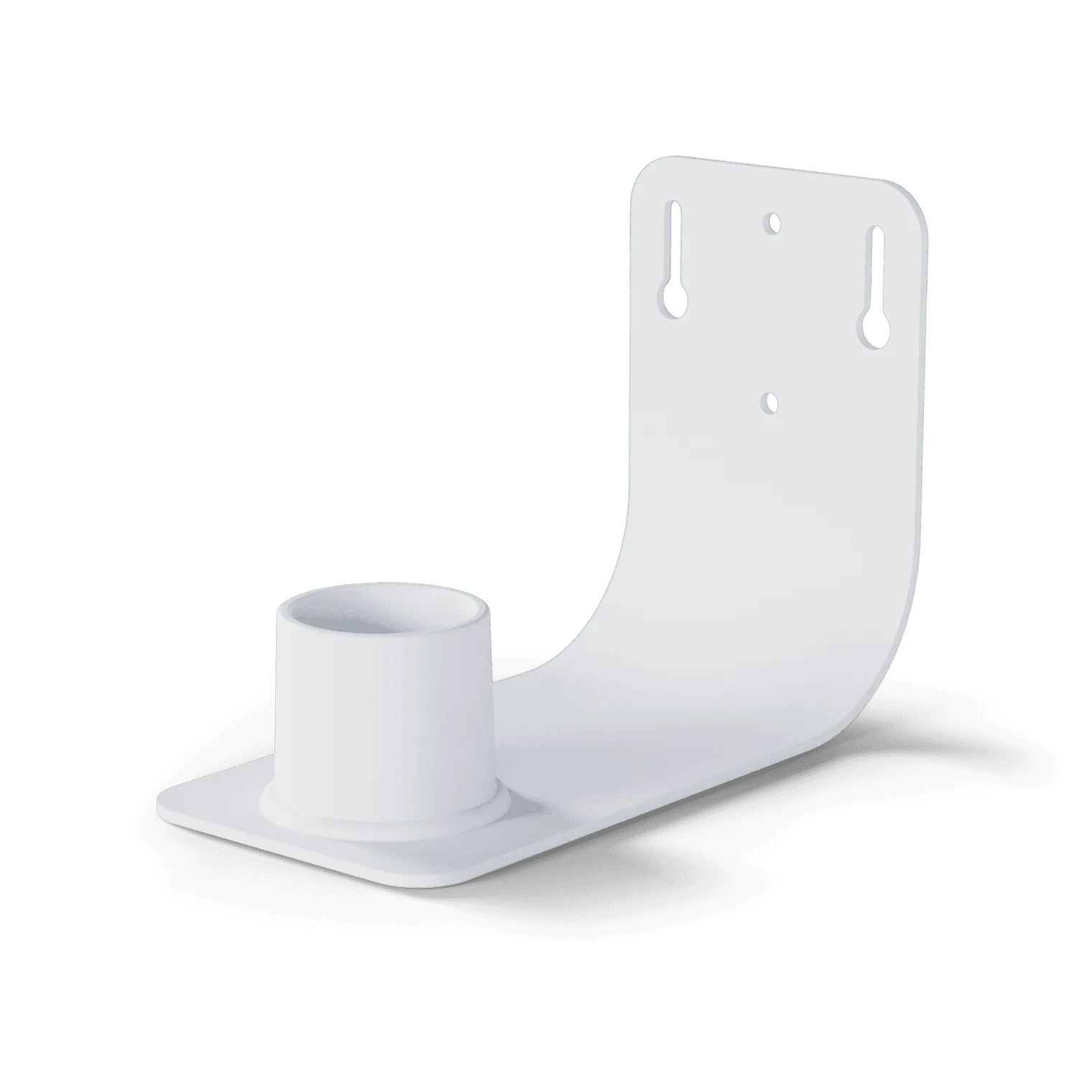
Mounting also plays a role in weather resistance. The Birdbuddy Wall Mount offers a secure, stable installation that keeps the feeder away from damp ground and allows easy placement under eaves or near windows. This reduces exposure to driving rain and strong winds, extending the feeder’s usability across seasons.
- Look for feeders with sealed seams and drainage holes to prevent water accumulation.
- A sturdy mount prevents the feeder from swaying in high winds, reducing spillage.
Smart Features for Extreme Weather
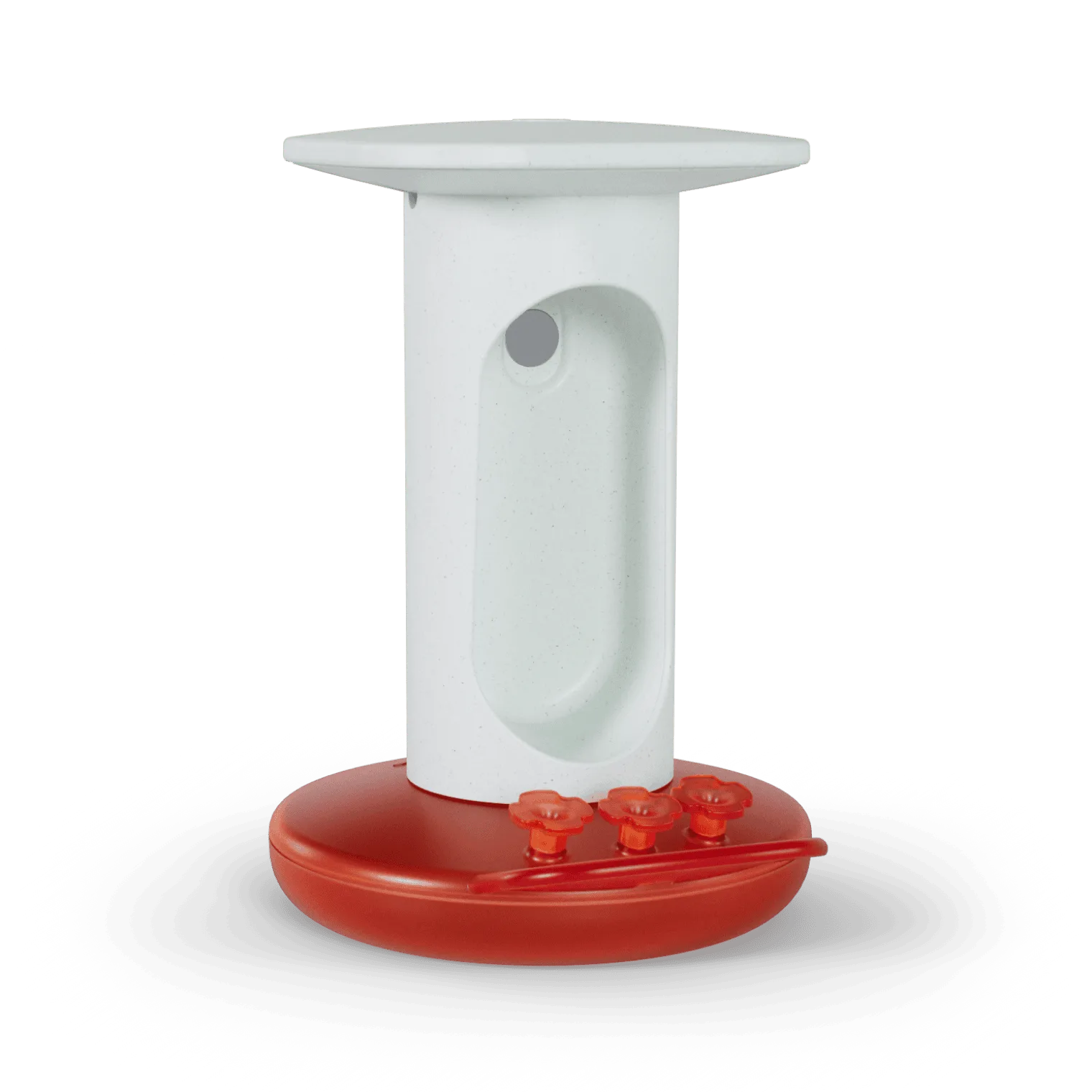
Smart bird feeders offer additional advantages for climate adaptability. The Smart Hummingbird Feeder Pro Solar uses a built-in solar panel to maintain battery charge even on cloudy days, making it ideal for regions with less sunlight. Its housing is designed to handle temperature fluctuations, ensuring the camera and sensors work reliably in both heat and cold.
For general bird feeding, the Birdbuddy Pro Solar combines a robust solar roof with weatherproof electronics. This feeder can withstand frost and rain while providing continuous monitoring. In very cold climates, the lithium battery is insulated to hold charge longer, and the feeder’s design minimizes ice buildup at the seed ports.
- Smart feeders with solar panels reduce the need for battery swaps in winter.
- Some models have heating elements to prevent nectar from freezing (check product specs).
Placement and Maintenance Tips for Your Climate
Even the best feeder needs proper placement. In snowy areas, mount feeders at least 5 feet off the ground to avoid snow drifts. Use the Wall Mount to attach feeders to sheltered spots like porches or tree trunks. In hot climates, place feeders in partial shade to slow seed spoilage. For rainy regions, angle the feeder slightly under an overhang to keep it dry.
Regular maintenance is crucial: clean feeders every two weeks in warm weather to prevent mold, and check solar panels for snow buildup in winter. With the Solar Roof, a quick brush of snow restores charging efficiency. In dusty climates, wipe camera lenses gently to keep the smart features functioning.
- In winter, bring glass feeders indoors at night to prevent cracking.
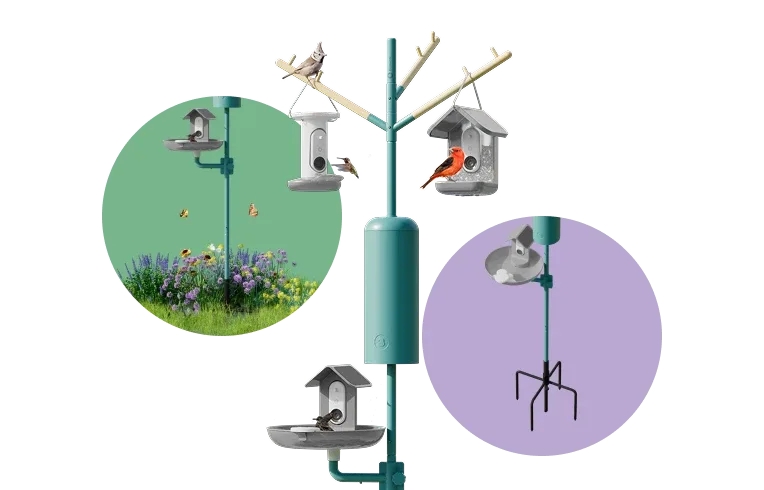
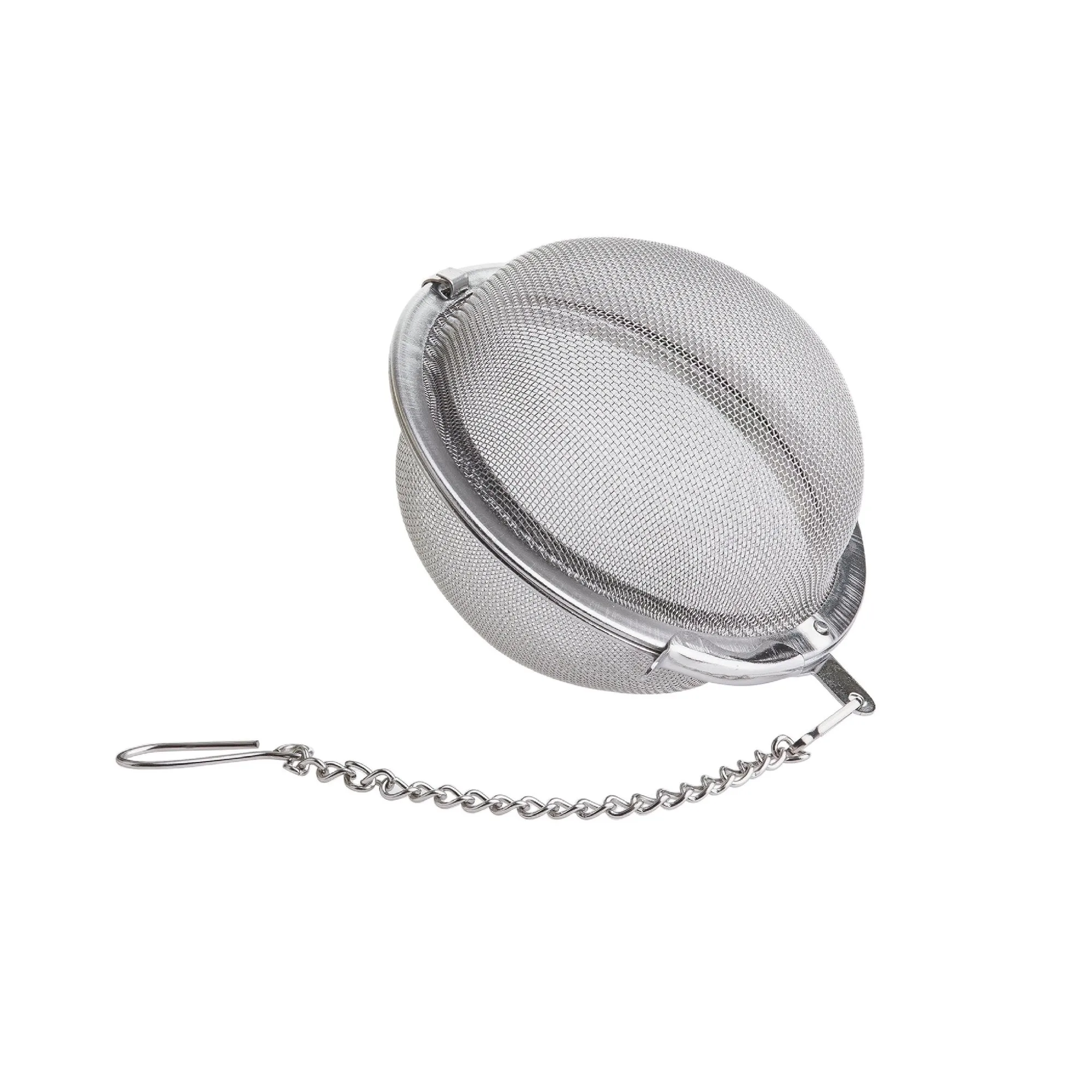
- Use the Suet Ball Holder for high-energy food that resists melting in heat.
Choosing the right bird feeder for your climate doesn’t have to be complicated. Focus on weather-resistant materials, smart solar technology, and secure mounting. Explore the Smart Hummingbird Feeder Pro Solar for a feeder that thrives in varied conditions while attracting beautiful hummingbirds. Your backyard birds will thank you for the thoughtful setup.