Quick answer
Match the ceiling fan blade span to the room's longest wall: up to 75 sq ft use 29-36 inches, 76-144 sq ft use 36-42 inches, 144-225 sq ft use 44-50 inches, 225-400 sq ft use 52-56 inches, and over 400 sq ft use 60 inches or more. For most bedrooms and living rooms, a 52 inch ceiling fan is the safest all-around choice.
Measure the room, not the ceiling
Start with the room's length and width, then multiply them to get square footage. That number drives the blade span. For example, a 12 ft by 18 ft living room is 216 sq ft, which points to a 52 inch ceiling fan. A 10 ft by 12 ft bedroom is 120 sq ft, so a 42 inch fan is enough. If the room is open to a kitchen or hallway, measure the whole open area because air moves freely between zones.
- Up to 75 sq ft: 29-36 inch blade span
- 76-144 sq ft: 36-42 inch blade span
- 144-225 sq ft: 44-50 inch blade span
- 225-400 sq ft: 52-56 inch blade span
- Over 400 sq ft: 60 inch or larger blade span
Adjust for ceiling height and mounting
Blade span matters, but so does the distance from the blades to the floor. For standard 8 ft ceilings, use a flush mount or low-profile fan to keep blades at least 7 ft above the floor. For 9-10 ft ceilings, a downrod of 6-12 inches improves airflow. For ceilings above 10 ft, choose a downrod long enough to bring the fan into the room's air mix. A fan mounted too high moves less air where people sit.
- 8 ft ceiling: flush mount or low-profile fan
- 9-10 ft ceiling: 6-12 inch downrod
- Over 10 ft ceiling: longer downrod to reach occupied space
Match blade span to airflow and use
Blade span is a proxy for airflow, but motor and blade pitch also matter. A reversible DC motor lets you run downward air in summer and upward air in winter. For large open areas like a great room or covered patio, a 60-72 inch fan moves more air at lower speeds, which can be quieter than a small fan running fast. For small rooms, a fan that is too large can feel overpowering and may not fit the ceiling visually.
- Small rooms: prioritize fit and quiet operation over maximum airflow
- Large rooms: choose a larger span to move air at lower, quieter speeds
- Outdoor or damp areas: confirm the fan is rated for the location
Consider control, lighting, and installation
A remote control makes it easier to adjust speed and reverse airflow without a ladder. If the fan includes a light, check the color temperature options and dimming range to match the room's use. For sloped ceilings, confirm the mount works with your ceiling angle. If you already own a compatible fan, a replacement LED light module can extend its life without buying a new fixture.
- Remote control: convenient for high ceilings and hard-to-reach fans
- Light kit: choose adjustable color temperature for flexibility
- Sloped ceiling: verify the mount supports your ceiling angle
Decision rules for sizing a ceiling fan
- Room up to 75 sq ft: Choose a 29-36 inch fan. A larger fan will overwhelm the space and may not fit visually. Small rooms need small spans.
- Room 76-144 sq ft: Choose a 36-42 inch fan. This covers most bedrooms and small offices. Medium-small rooms: 36-42 inches.
- Room 144-225 sq ft: Choose a 44-50 inch fan. This is typical for a 12x12 to 15x15 room. Medium rooms: 44-50 inches.
- Room 225-400 sq ft: Choose a 52-56 inch fan. A 52 inch ceiling fan is the most common choice for living rooms and master bedrooms. Large rooms: 52-56 inches.
- Room over 400 sq ft: Choose a 60 inch or larger fan, or use multiple fans. One small fan will not circulate air effectively. Great rooms need 60+ inches or multiple fans.
Product facts to know
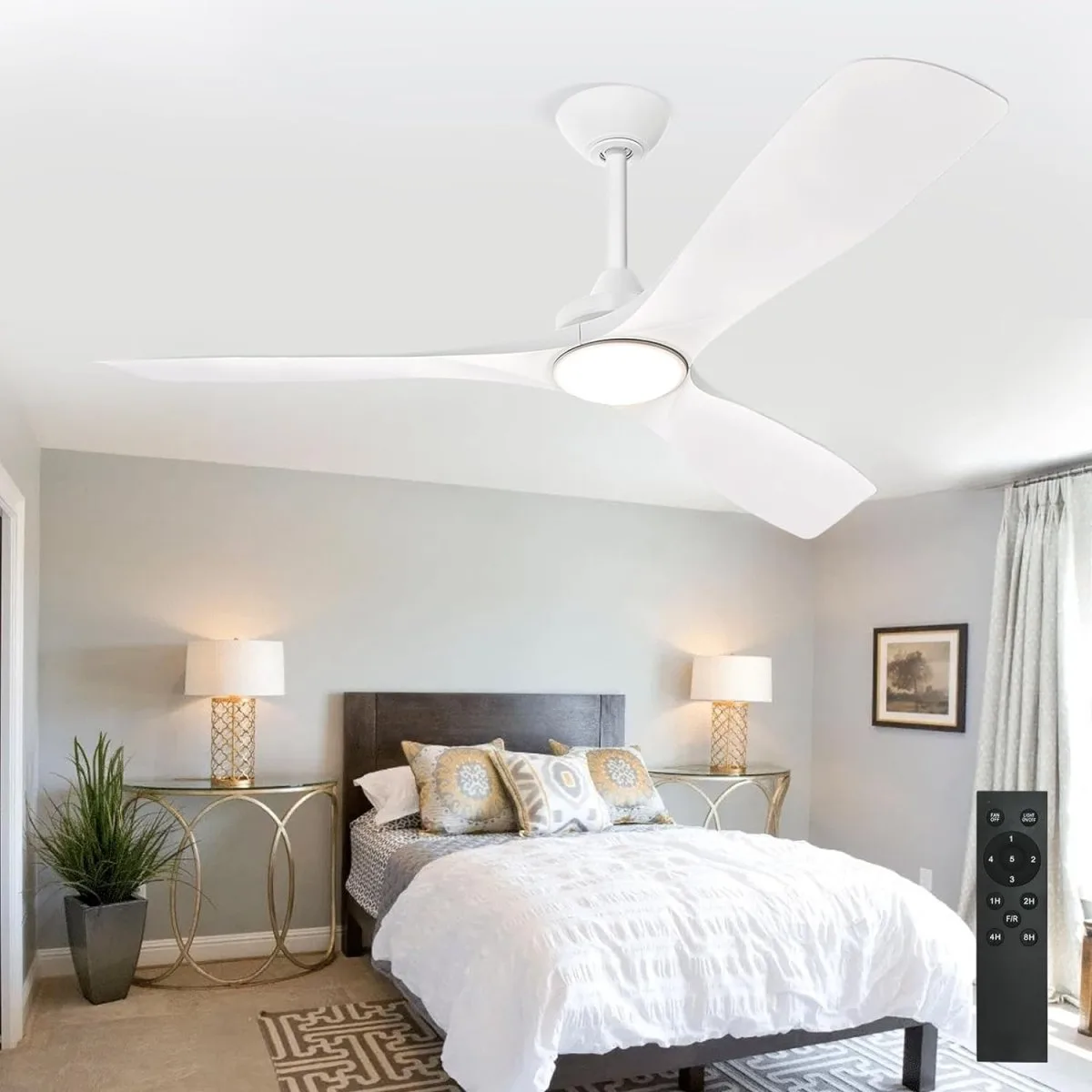
- Depuley 52" Modern Ceiling Fan with Lights Remote Control, Low Profile Ceiling Fans Noiseless Reversible DC Motor for Bedroom/Living Room/Study/Patio Lighting, Timing, 3 Light Color Changeable-White: 52 inch modern ceiling fan with lights, remote control, low profile, noiseless reversible DC motor, 1/2/4/8H timer, 5 speeds, and 3 light color temperatures. Suitable for indoor and outdoor covered spaces. Fits rooms from 225-400 sq ft, and the reversible motor helps with seasonal airflow.
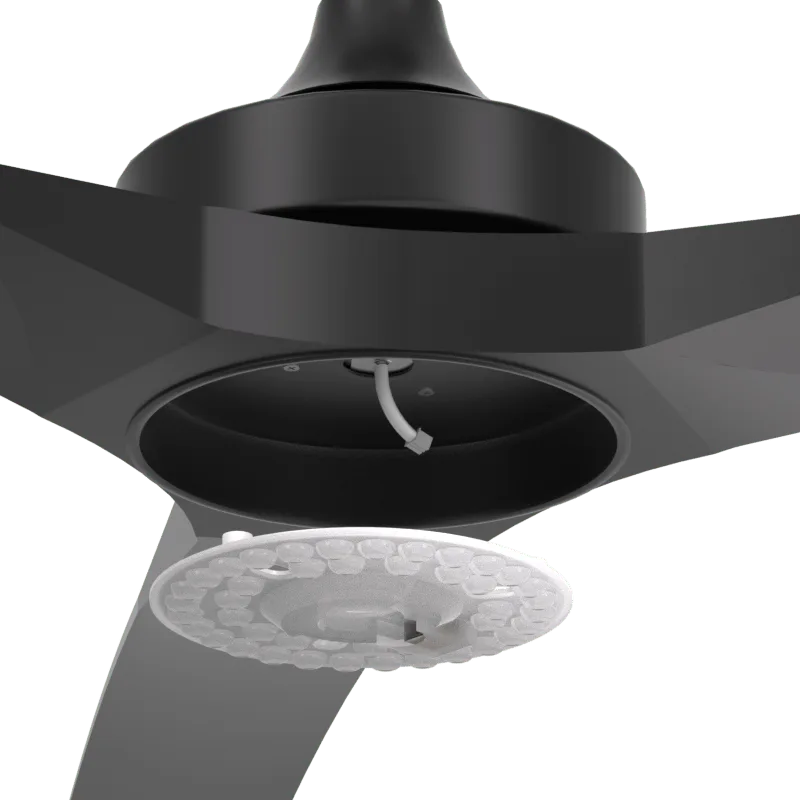
- LED Light Kit for Depuley 35 / 42 / 52 / 60 / 72 inch Celing Fan with Light and Remote APP Control, 3/8 Blades, DC Motor Reversible 6 Speed Timer: LED light kit for Depuley 35/42/52/60/72 inch ceiling fans with light and remote, APP control, 3/8 blades, DC motor reversible, 6 speed timer. Lets you upgrade a compatible fan's light without replacing the whole fixture.
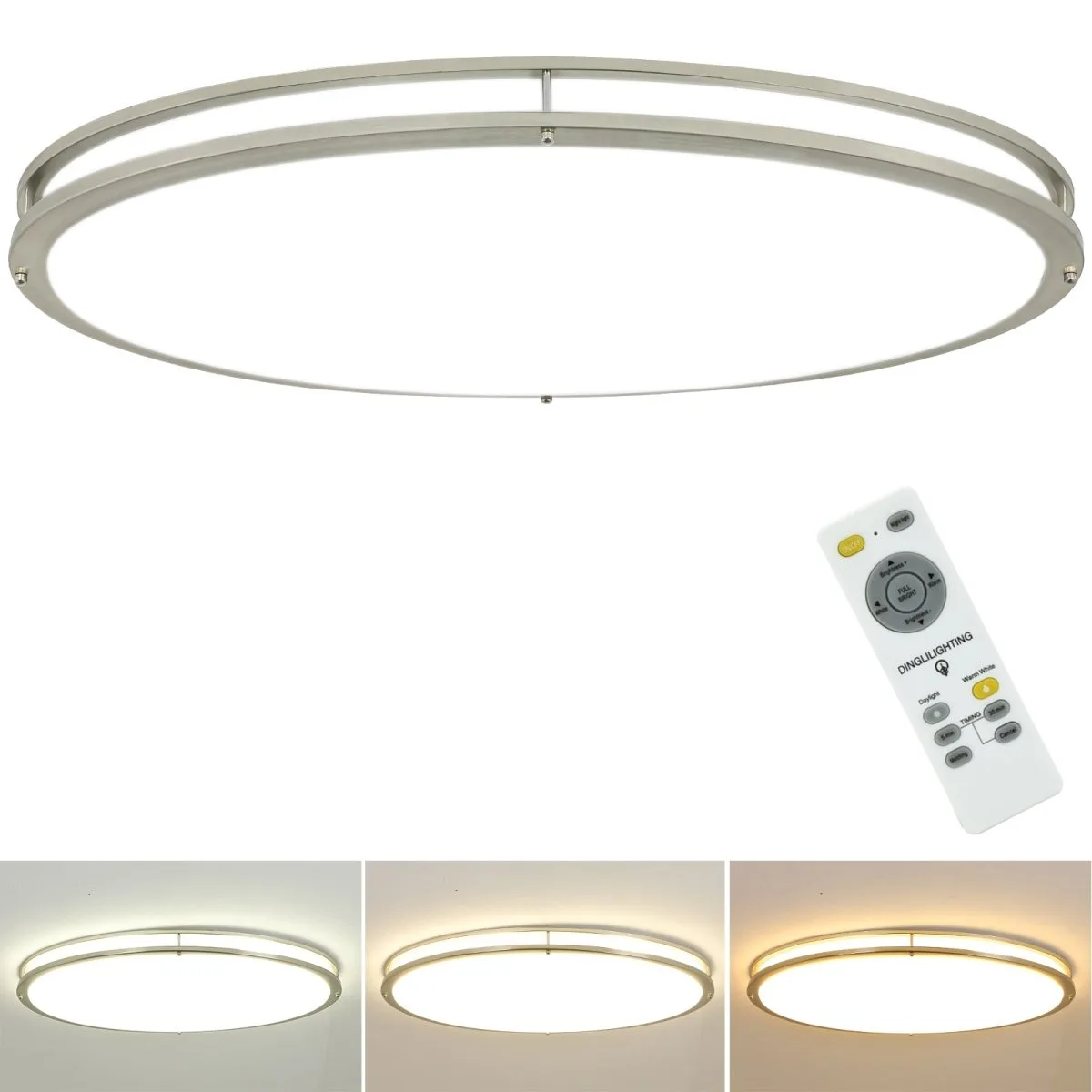
- DLLT 32In Oval LED Ceiling Light Fixture, 65W Dimmable LED Flush Mount Ceiling Light with Remote, 3000K/4000K/5000K Adjustable, Brush Nickel Finish for Bedroom/Living Room/Dining Room: 32 inch oval LED ceiling light fixture, 65W dimmable, remote, 3000K/4000K/5000K adjustable, brushed nickel finish. A flush mount option for rooms where a ceiling fan is not needed or not possible.
Is a 52 inch ceiling fan right for you?
Best for
- Living rooms and master bedrooms from 225 to 400 sq ft
- Rooms with standard 8-10 ft ceilings where a low-profile or downrod mount works
- Anyone who wants a balance of airflow, quiet operation, and broad availability
Not for
- Small bedrooms under 100 sq ft where a 42 inch fan is a better fit
- Great rooms over 400 sq ft where a 60-72 inch fan moves air more effectively
- Spaces with very low ceilings where a flush mount is required and a 52 inch fan may not clear