If you’re serious about brewing great coffee at home, the grinder you choose is arguably more important than the machine itself. Freshly ground coffee unlocks aromatic oils and complex flavours that pre-ground coffee simply cannot deliver. But with so many options on the market—from affordable blade grinders to precision-engineered burr grinders—it’s easy to feel overwhelmed. This guide will walk you through everything you need to know to select the right coffee grinder for your preferred brew method, budget, and lifestyle.
Whether you’re pulling espresso shots, brewing pour-over, or making French press, grind consistency is the single most important factor in achieving a balanced, delicious cup. We’ll compare burr and blade grinders, explain the importance of particle size distribution, and highlight specific grinder models that deliver exceptional results. By the end, you’ll have the confidence to invest in a grinder that elevates your daily coffee ritual.
Why Grind Consistency Matters for Every Brew Method
The goal of any coffee grinder is to produce uniform particles. When grind size varies widely, smaller particles extract too quickly (over-extraction), leading to bitterness, while larger particles extract too slowly (under-extraction), resulting in sour or weak flavours. This uneven extraction ruins the balance of your coffee, no matter how high-quality the beans are.
Different brewing methods require specific grind sizes. Espresso demands a fine, consistent powder to create the necessary pressure and resistance. Filter coffee needs a medium-coarse grind to allow water to flow through at the right rate. French press and cold brew call for a coarse grind to avoid over-extraction during longer steeping times. A grinder that can deliver a narrow particle size distribution across these ranges is essential for versatility and quality.
- For espresso: fine grind (0.2–0.4 mm) with minimal fines to avoid channeling.
- For pour-over: medium-fine grind (0.5–0.8 mm) for balanced extraction.
- For French press: coarse grind (1.0–1.5 mm) to prevent sediment and bitterness.
Burr Grinders vs Blade Grinders: The Key Differences
Coffee grinders generally fall into two categories: blade grinders and burr grinders. Blade grinders use a spinning propeller-like blade to chop beans, similar to a blender. They are inexpensive and compact, but they produce highly inconsistent particle sizes because the beans are chopped randomly. This makes them unsuitable for precision brewing methods like espresso or pour-over.
Burr grinders, on the other hand, crush beans between two abrasive surfaces (burrs) set at a precise distance. This design produces uniform particles and allows you to adjust grind size reliably. Within burr grinders, there are two types: flat burrs and conical burrs. Flat burrs are often favoured for espresso because they produce fewer fines and a very consistent particle size. Conical burrs are more common in home grinders and offer a wider range of grind settings, making them versatile for both espresso and filter coffee.
- Blade grinders: budget-friendly ($15–$40), but inconsistent; best for basic drip coffee or occasional use.
- Conical burr grinders: great all-rounders for home use; ideal for switching between espresso and filter.
- Flat burr grinders: preferred by espresso enthusiasts for their precision and minimal fines.
Top Grinder Recommendations for Home Brewers
When choosing a grinder, consider your primary brew method and how often you make coffee. For espresso lovers, a dedicated espresso grinder with micro-adjustments is crucial. The SAGE Smart Grinder Pro is a popular choice, offering 60 precise grind settings, a digital timer, and a dose-control system that delivers consistent grounds directly into your portafilter. It’s an excellent companion for the Sage The Bambino Espresso Machine, making it easy to dial in your shot.
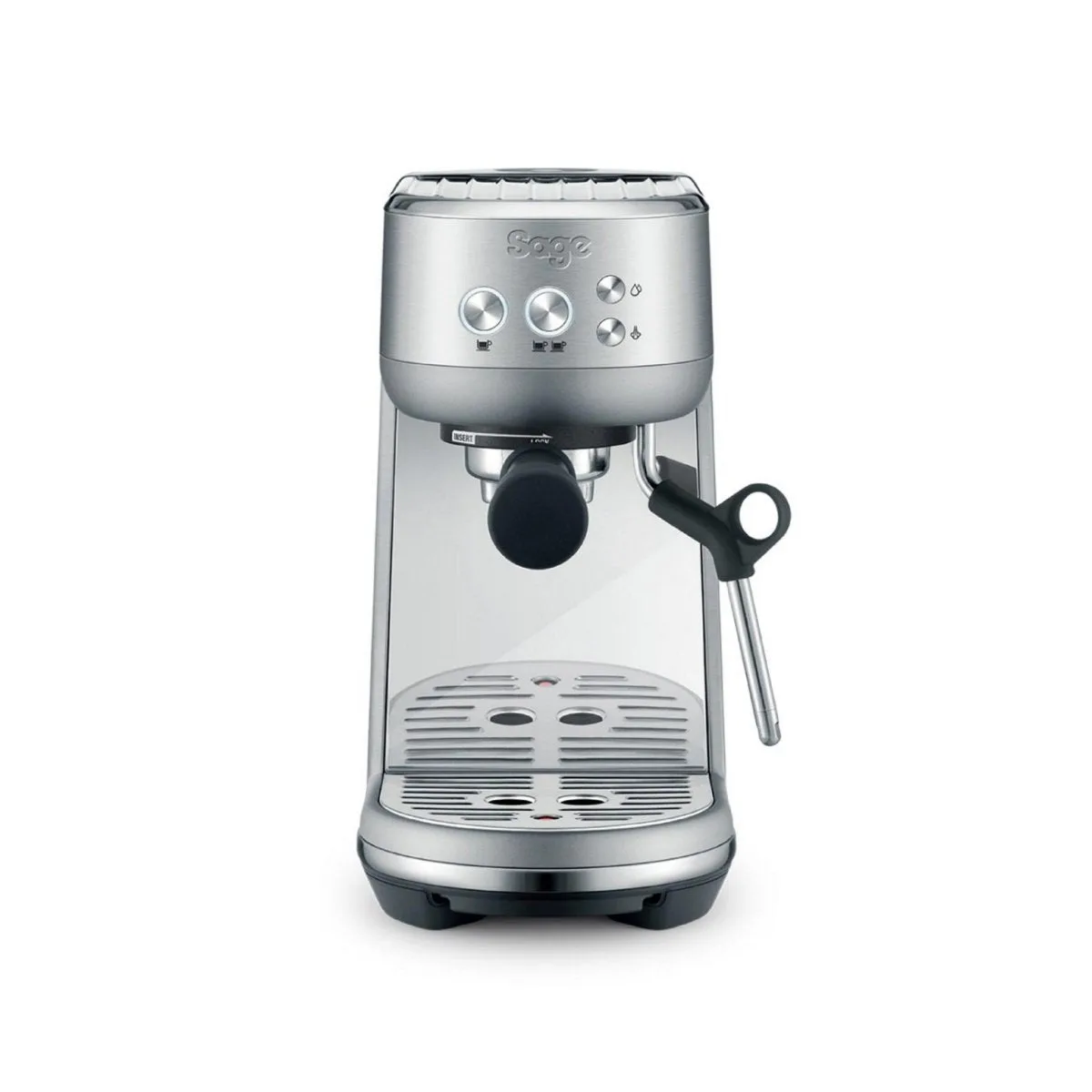
Sage The Bambino Espresso Machine
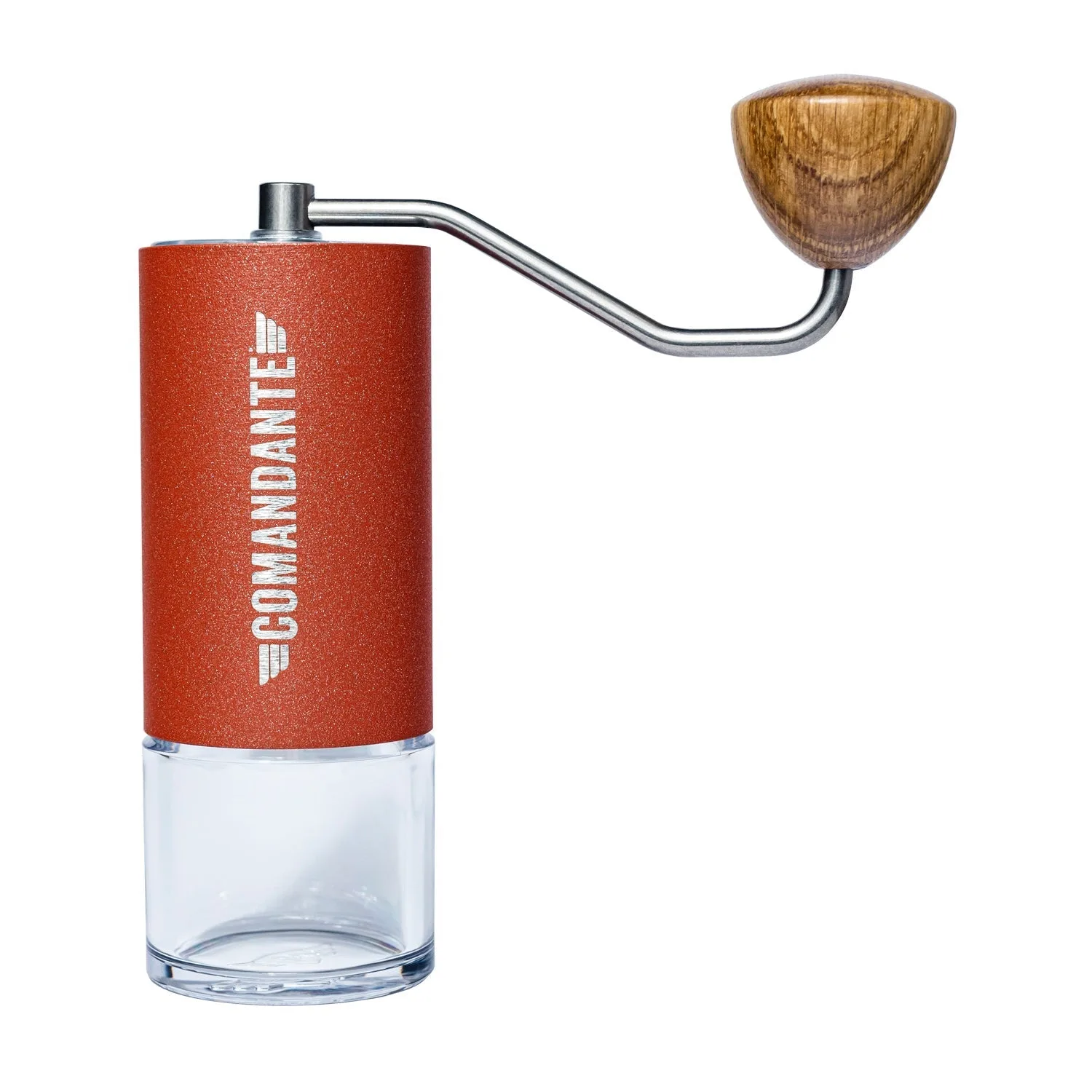
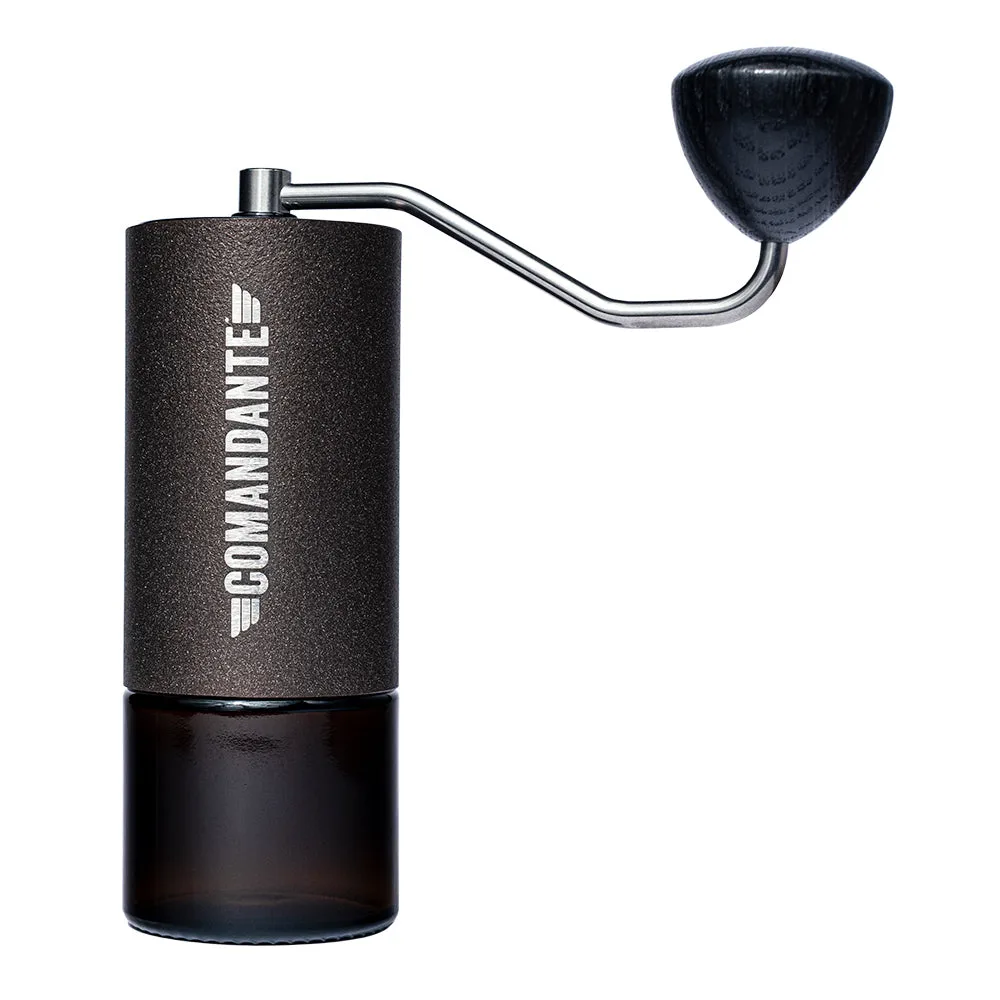
For those who enjoy both espresso and filter coffee, a high-quality manual grinder like the https://beansyai.shop/products/comandante-c40-nitro-blade-coffee-grinder-mk4-133625https://beansyai.shop/products/comandante-c40-nitro-blade-coffee-grinder-mk4-133626Comandante C40 Nitro Blade Coffee Grinder MK4 is a standout option. Its 40mm conical burrs produce exceptionally uniform particles, and the click adjustment system gives you fine control over grind size. Many specialty coffee enthusiasts consider it the gold standard for manual grinding. If you’re brewing single-origin beans, such as the 017 - Typica Mejorado Washed, the Comandante helps you extract every nuance of flavour.
- SAGE Smart Grinder Pro: 60 settings, digital timer, built-in doser—ideal for espresso and filter.
- Comandante C40 MK4: manual, premium build, exceptional consistency for all brew methods.
- For budget-conscious brewers: look for a conical burr grinder with at least 30 settings.
How Grind Size Affects Extraction and Flavour
Understanding the relationship between grind size and extraction time is key to mastering your brew. A finer grind increases the surface area of the coffee particles, speeding up extraction. If your espresso shot pours too quickly (under 20 seconds), you likely need a finer grind. If it drips slowly (over 35 seconds), a coarser grind may help. Similarly, for pour-over, a too-fine grind can cause the water to stall, leading to over-extraction and bitterness.
Water quality also plays a role in extraction. Using the right water can enhance flavour clarity and prevent off-tastes. Colonna’s Water For Coffee is specifically formulated to match the mineral profile recommended by the Specialty Coffee Association, ensuring your grinder’s work isn’t undermined by poor water chemistry. Pairing a precise grinder with optimal water is a simple way to elevate your coffee quality.
- Espresso: aim for 25–30 second extraction with a 1:2 brew ratio.
- Pour-over: target 2.5–3 minute total brew time with a medium-fine grind.
- French press: steep for 4 minutes with a coarse grind.
Maintenance Tips to Keep Your Grinder Performing
A quality grinder is an investment, and proper maintenance ensures it delivers consistent results for years. Burrs should be cleaned regularly to remove coffee oils and fine particles that can cause clogging and flavour contamination. Most burr grinders come with a cleaning brush, but you can also use grinder cleaning tablets (like Grindz) to break down oil buildup without damaging the burrs.
For manual grinders like the Comandante, disassembling the burr chamber for deep cleaning is straightforward. Always check the manufacturer’s instructions before using water or solvents. Additionally, calibrate your grinder periodically if you notice your shots running faster or slower than usual—this often indicates burr wear or misalignment.
- Clean burrs every 2–4 weeks if you grind daily.
- Use a brush or compressed air to remove trapped grounds.
- Replace burrs after 500–1000 pounds of coffee (or as recommended by the manufacturer).
Choosing the right coffee grinder transforms your home brewing experience. Whether you opt for the precision of a SAGE Smart Grinder Pro or the versatility of a Comandante C40 MK4, investing in a burr grinder with consistent particle size is the single best upgrade you can make. Pair your grinder with fresh, high-quality beans and proper water, and you’ll enjoy café-quality coffee every morning. Explore our range of premium grinders and beans at Colonna Coffee to find the perfect match for your brew style.