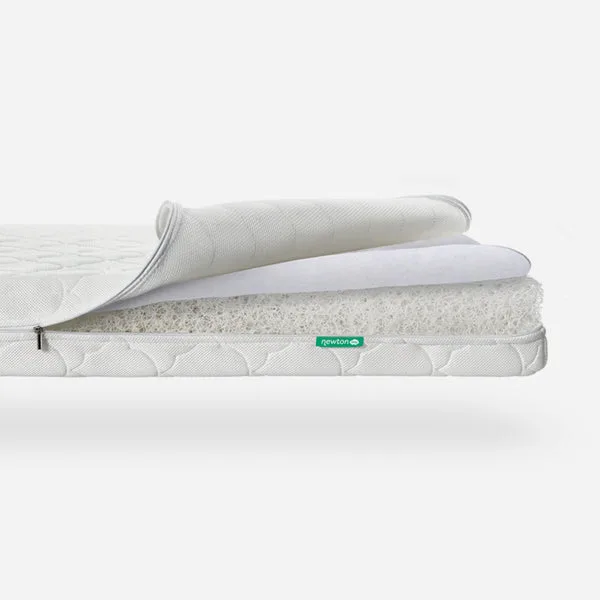
Choosing the right crib mattress is one of the most important decisions you’ll make for your baby’s sleep safety. With so many options on the market, it can feel overwhelming. But the key factors are simple: firmness, breathability, fit, and materials. This guide walks you through each one so you can shop with confidence.
Whether you’re a first-time parent or adding to your nursery, understanding what makes a mattress safe will help you avoid common pitfalls. Let’s break down the essentials so you can choose a crib mattress that supports your baby’s healthy sleep from day one.
Why Firmness Matters for Infant Sleep Safety
A firm crib mattress is the single most important safety feature for infants. The American Academy of Pediatrics recommends a firm surface to reduce the risk of Sudden Infant Death Syndrome (SIDS) and suffocation. A mattress that is too soft can allow a baby’s face to sink in, creating a dangerous breathing environment. When you press down on a firm mattress, it should spring back quickly without leaving an indentation.
To test firmness at home, place your baby on the mattress and check that the surface does not conform to their shape. A firm mattress also supports proper spinal alignment during sleep. Avoid mattresses labeled as “plush” or “extra soft” for infant use. Always look for a mattress that meets the federal safety standard for firmness, which is typically indicated on the packaging or product listing.
- Press the center and edges of the mattress with your hand — it should feel hard, not squishy.
- Use a fitted sheet designed for the mattress depth to ensure a snug fit.
Breathability: A Key Feature for Safe Sleep
Breathable crib mattresses allow air to flow through the mattress core, reducing the risk of rebreathing carbon dioxide if a baby rolls onto their stomach. While all safe sleep guidelines recommend placing babies on their backs, breathability adds an extra layer of protection. Look for mattresses with open-cell foam or a mesh-like core that promotes airflow.
Breathable materials also help regulate temperature, which can prevent overheating — another risk factor for SIDS. Many parents find that a breathable mattress stays cooler than traditional foam or innerspring options. If you’re considering a Newton Baby mattress, for example, its unique core design allows air to pass through easily. Always pair a breathable mattress with a tight-fitting sheet and avoid adding any soft bedding or bumpers.
- Check the product description for terms like “airflow core” or “breathable design.”
- Avoid using mattress toppers or pads that could block airflow.
Getting the Right Fit: Mattress Size and Crib Compatibility
A crib mattress must fit snugly inside the crib to prevent gaps where a baby could become trapped. Standard crib mattresses are approximately 52 inches long and 28 inches wide, but always measure your crib’s interior dimensions before buying. The gap between the mattress and crib sides should be no more than two fingers wide (about 1 inch).
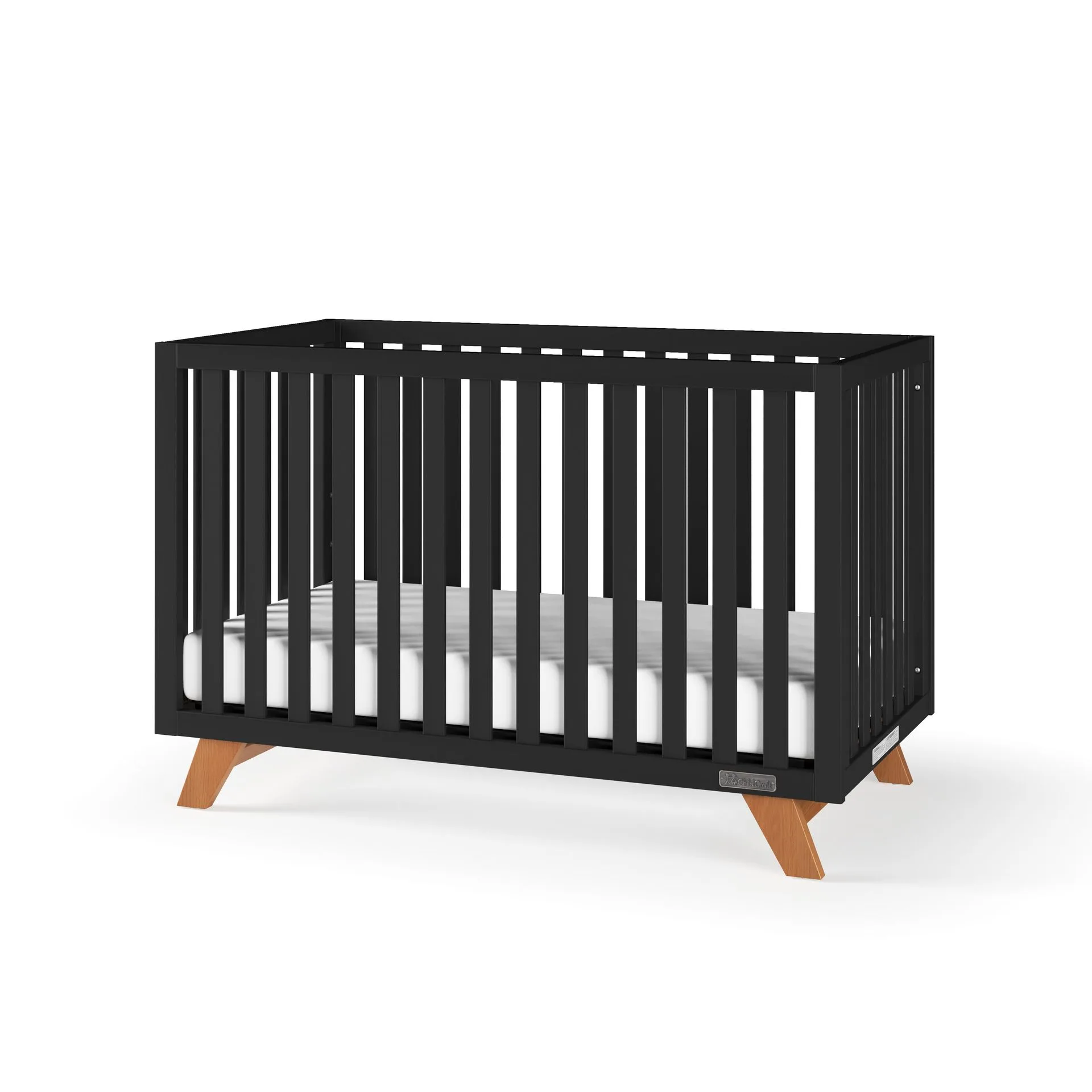
Also check the mattress thickness. Most full-size crib mattresses are 5 to 6 inches thick. A thicker mattress may feel more comfortable, but it must still leave at least 26 inches from the top of the mattress to the top of the crib rail when the mattress is at its lowest setting. This prevents older babies from climbing out. If you’re using a convertible crib like the Lolly Convertible Crib, verify that the mattress height adjustment works with your chosen mattress.
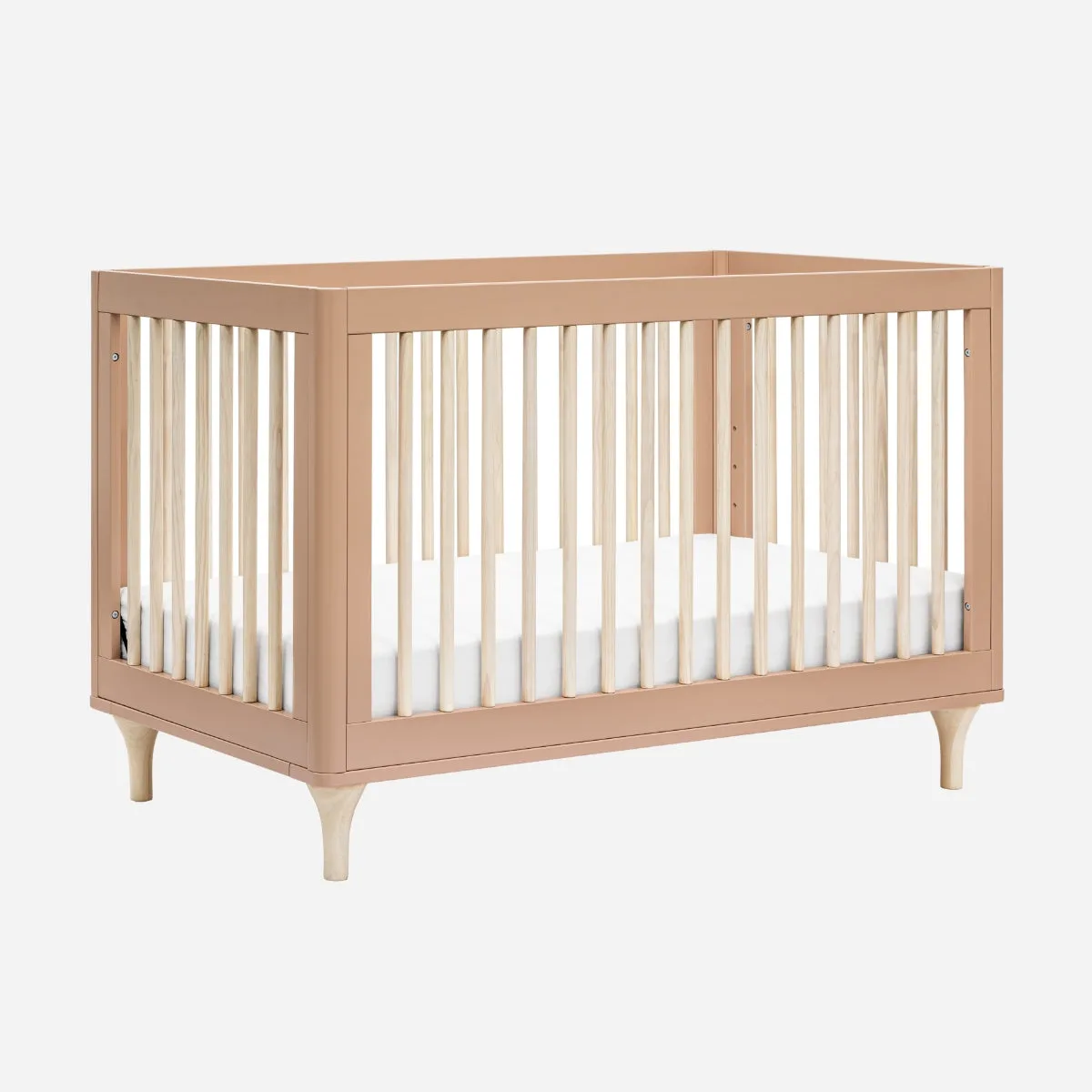
Lolly Convertible Crib
- Measure the crib interior width and length before ordering.
- Test the fit by sliding the mattress into the crib — it should not move more than an inch in any direction.
Materials Matter: What’s Inside the Mattress
Crib mattresses are typically made from foam, innerspring, or a hybrid of both. Foam mattresses are lightweight and often more affordable, but look for high-density foam that retains its firmness. Innerspring mattresses use coils and tend to be heavier and more durable, but they can also be firmer. Some parents prefer organic or natural materials like cotton or wool covers to reduce exposure to synthetic chemicals.
Waterproofing is another important feature. A waterproof layer protects the mattress from spills, diaper leaks, and accidents, making cleanup easier and extending the mattress life. Many mattresses come with a removable, washable cover. If you need extra protection, consider adding a separate waterproof pad like the Waterproof Twin Mattress Pad for older children. Always check that any waterproofing is breathable to avoid trapping heat and moisture.
- Look for certifications like GREENGUARD Gold for low chemical emissions.
- Choose a mattress with a removable, machine-washable cover for easy hygiene.
Long-Term Use: From Crib to Toddler Bed
Many crib mattresses are designed to last through the toddler years and beyond. Some are dual-sided, with a firmer side for infants and a slightly softer side for toddlers. Others are reversible and can be used on both sides. If you plan to use the mattress for several years, choose one that is durable and easy to clean.
When your child transitions to a toddler bed, the same mattress can often be used. For example, the Kids' Twin Mattress is a great option for older children who have outgrown the crib. A mattress that holds up well over time saves money and reduces waste. Just remember to follow the manufacturer’s weight limits and age recommendations for safe use.
- Check the mattress warranty — many quality mattresses offer 5 to 10 years of coverage.
- Flip or rotate the mattress periodically to prevent uneven wear.
Choosing the right crib mattress for your baby’s sleep safety doesn’t have to be complicated. Focus on firmness, breathability, proper fit, and quality materials. A safe mattress gives you peace of mind and helps your baby sleep soundly. Whether you’re shopping for a newborn or preparing for the toddler years, these guidelines will help you make a smart, safe choice.