Quick Answer
Buy a mattress that fits your specific crib with no more than a two-finger gap on any side, and choose the firmest option you can find. For a standard crib, that means roughly 52 by 28 inches; for a mini crib, check your crib's manual because mini sizes vary. A firm mattress plus a snug sheet is the safest combination for sleep.
Measure Your Crib Before You Shop
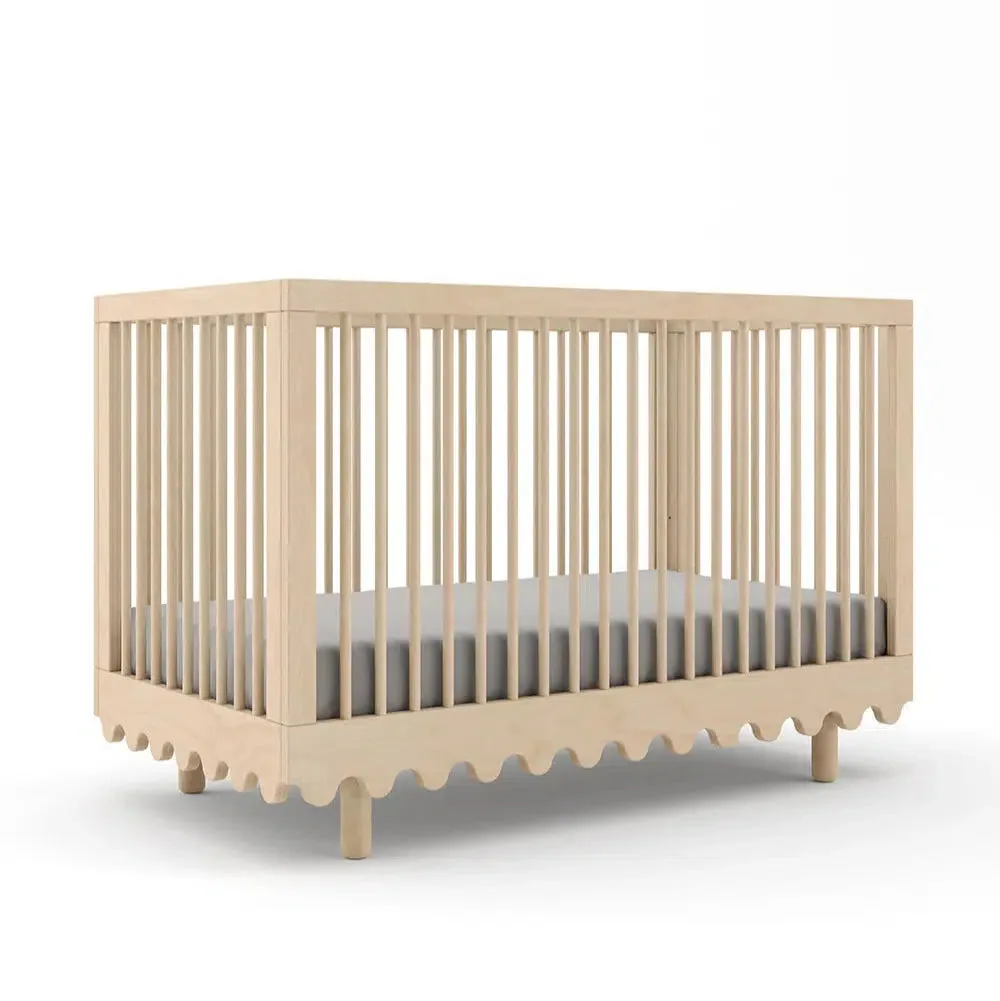
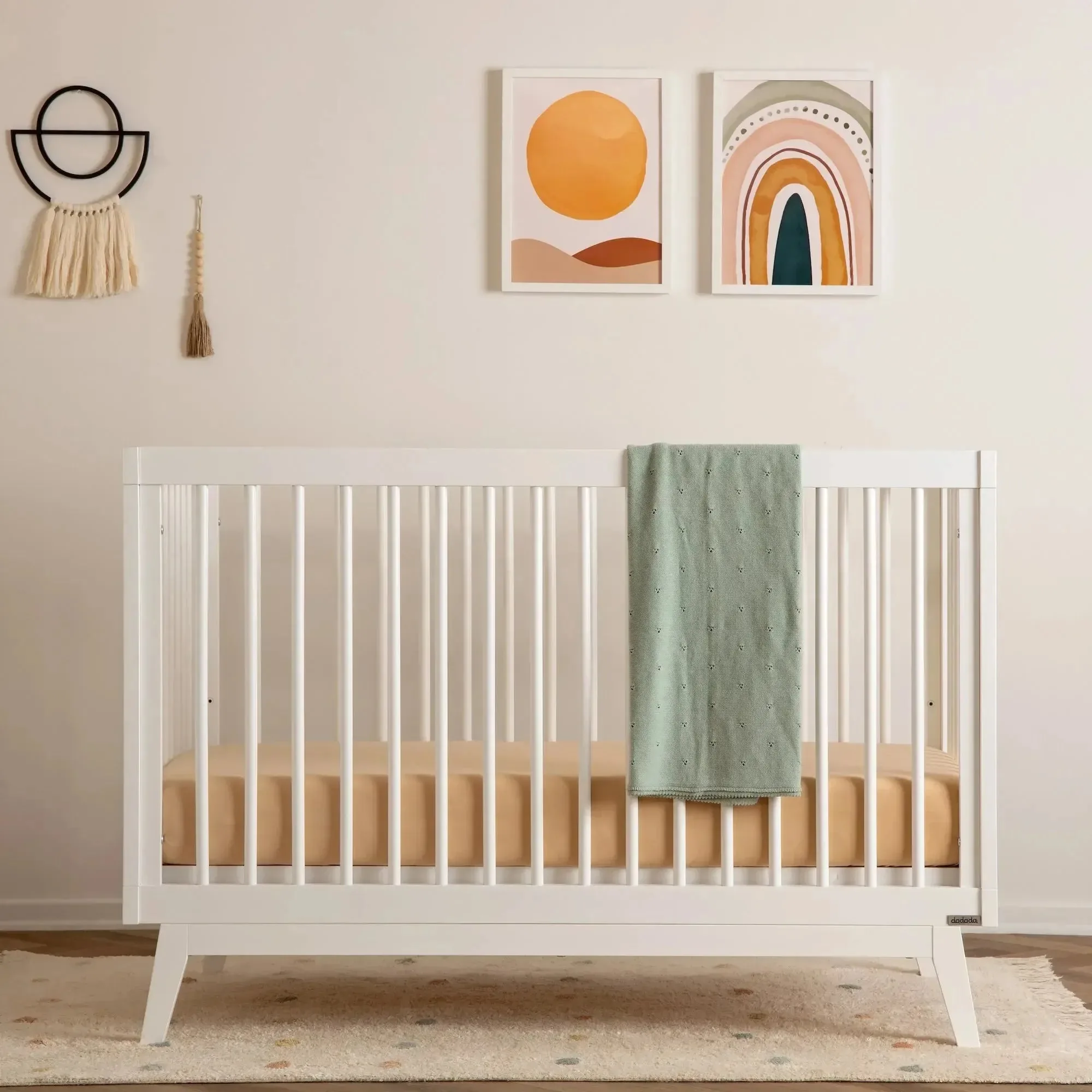
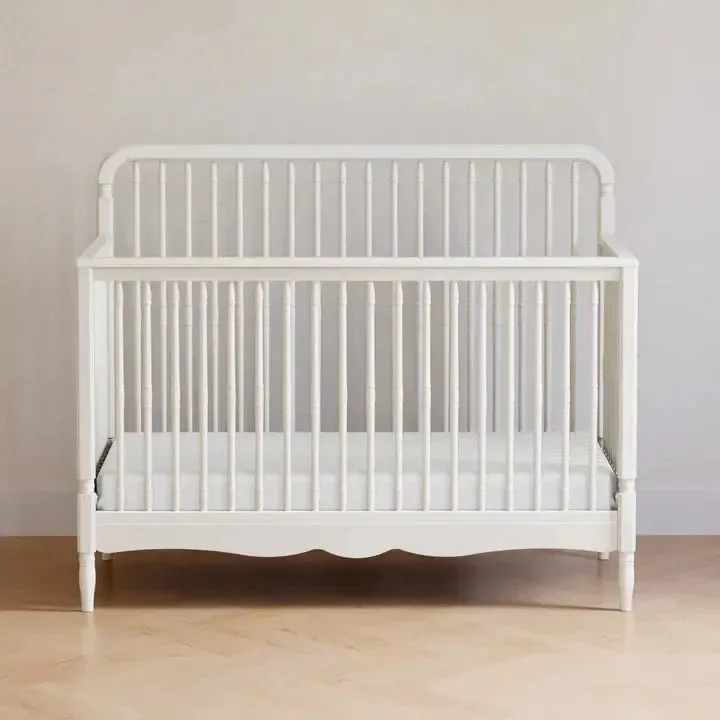
Crib mattresses are not one-size-fits-all. Standard full-size cribs use a mattress around 52 inches long and 28 inches wide, but mini cribs, portable cribs, and non-standard nursery furniture can differ. Measure the interior of your crib frame at the mattress support level, then compare that number to the mattress dimensions on the product page. If the mattress is more than a finger-width smaller than the crib opening, it leaves a dangerous gap where a baby can slip.
- Measure length and width inside the crib frame, not the outside.
- Check the depth: a mattress that is too thick may sit above the crib rail.
- Write down your crib model number so you can verify compatibility.
Firm vs Soft: Why Firmer Is Safer
A firm sleep surface keeps a baby's face from sinking into the mattress, which reduces the risk of suffocation and overheating. Soft mattresses, pillow-top styles, and adult-grade memory foam may feel cozy to you but are not recommended for infant sleep. The crib mattress firmness test is simple: press your palm into the center of the mattress. It should spring back immediately with very little give. If your hand leaves a lasting indentation, it is too soft for a baby.
- Look for a mattress described as firm or extra-firm for infants.
- Avoid adding mattress toppers, pillows, or thick blankets.
- A dual-firmness mattress can work if the infant side is genuinely firm.
Match the Sheet to the Mattress
Even a perfectly sized mattress can become unsafe with a loose sheet. Crib sheets need to wrap tightly around the corners and stay put when you tug them. A muslin or cotton sheet with elastic all the way around is easier to install correctly and less likely to bunch. The sheet should not lift away from the mattress when you pull it. If it does, it is too big.
- Choose sheets labeled for standard crib or mini crib size, matching your mattress.
- Wash new sheets before first use to check for shrinkage.
- Keep a spare sheet on hand for middle-of-the-night changes.
Mini Crib Mattress Size: What to Check
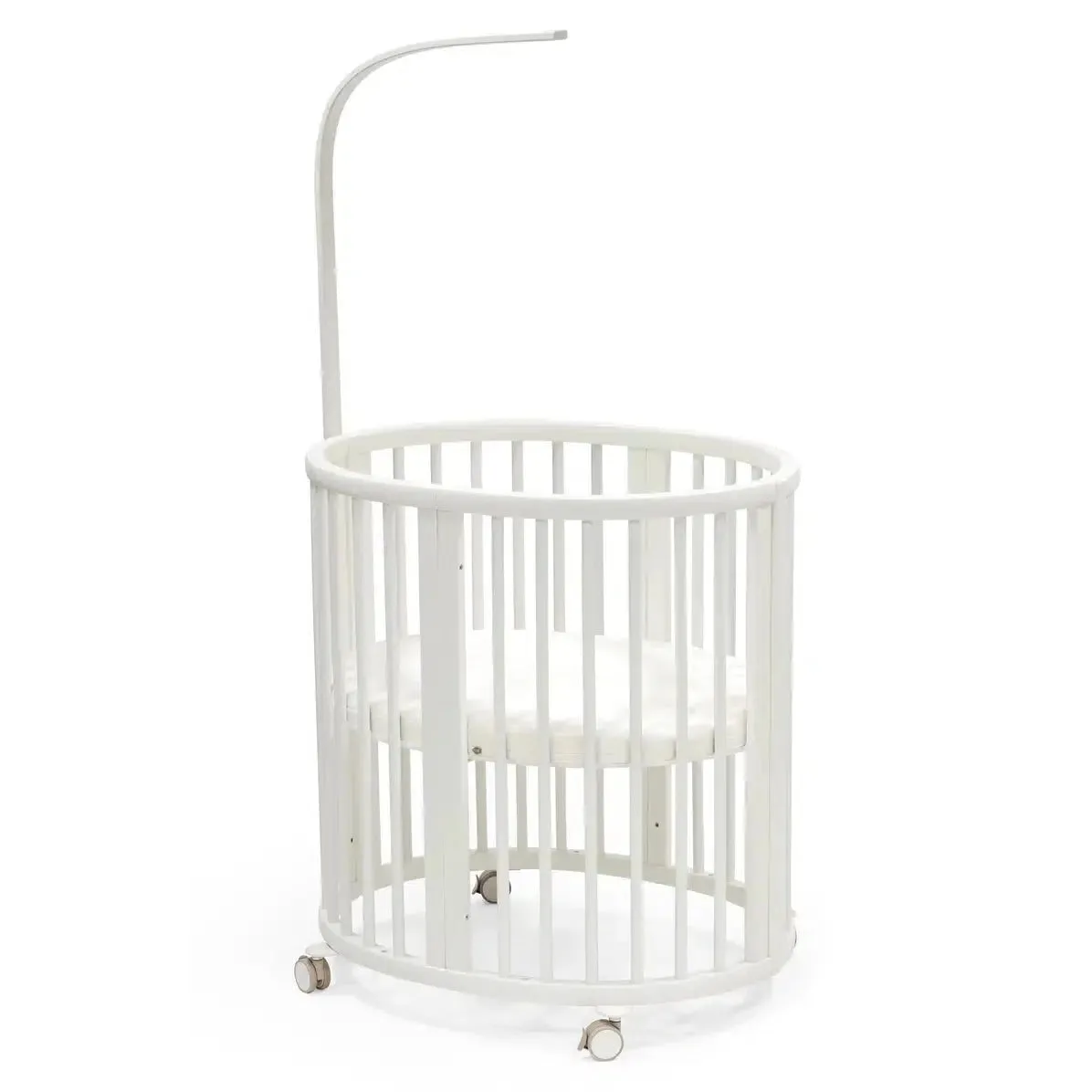
Mini crib mattresses are smaller and lighter than standard ones, but there is no single universal mini size. Some mini cribs use a mattress around 38 by 24 inches, while others are closer to 37 by 23 inches. Because the range varies, always confirm the mattress dimensions against your crib's manual. A mini mattress that is even slightly too small can create a gap. If you plan to move your baby to a full-size crib later, a standard mattress may be the more flexible purchase.
- Do not assume a mini mattress fits every mini crib.
- Measure the mini crib opening the same way you would a full-size crib.
- Check whether the mini crib manufacturer sells a matching mattress.
When the Crib Mattress Is Not the Problem
If your baby sleeps well in a bassinet but resists the crib, the mattress may not be the cause. The crib itself can feel too big or too open. A breathable, snug sheet can help, but sometimes the issue is the sleep space or the routine. If you are still using a bassinet and planning the crib transition, a firm mattress and a fitted sheet are the two things to get right first. If your baby is not sleeping in the bassinet, that is a separate problem from crib mattress choice.
Decision Rules for Crib Mattress Size and Firmness
- Fit first: Measure your crib interior. The mattress should leave no more than a two-finger gap on any side. If the gap is wider, the mattress is too small. Snug fit is non-negotiable for safety.
- Firmness test: Press your palm into the mattress. It should feel firm and bounce back quickly. A lasting handprint means it is too soft for an infant. Choose the firmest mattress you can find.
- Sheet match: Use a sheet sized for your mattress type. Pull the corners; the sheet should not lift away. A loose sheet is a hazard. Buy at least two fitted sheets that match your mattress size.
- Mini vs standard: Mini crib mattresses vary by brand. Confirm dimensions against your crib manual. Standard mattresses fit standard cribs only. If you might switch to a full-size crib later, a standard mattress is more flexible.
Crib Mattress Shopping at Posh Baby
- Clementine Kids - Cotton Muslin Crib Sheet - Birds: Clementine Kids Cotton Muslin Crib Sheet in Birds is made from 100% cotton muslin with a breathable loose weave and elastic corners, and it fits standard crib and toddler bed mattresses. A breathable sheet helps with temperature regulation, and the elastic corners keep the sheet tight against a firm mattress so it does not bunch.
- UPPAbaby - Bassinet Stand - Natural: UPPAbaby Bassinet Stand in Natural gives your ALBA or ARIA bassinet a dedicated, height-adjustable home beside your bed with a one-step open and close. If your baby is still in a bassinet, this stand keeps the bassinet at a safe, convenient height until you move to a crib mattress.
- Babyletto - Kiwi Electronic Glider & Recliner - Luxe Sage Teddy Loop with Light Wood Base: Babyletto Kiwi Electronic Glider & Recliner in Luxe Sage Teddy Loop with Light Wood Base has a quiet electronic control panel, an included removable lumbar pillow, and 270° swivel glide. A comfortable glider makes night feedings and crib-side check-ins easier, especially during the transition to a crib mattress.
Who This Guidance Is For
Best for
- Parents buying a first crib mattress who need to confirm size and firmness.
- Caregivers setting up a mini crib or non-standard nursery furniture.
- Anyone replacing a soft or ill-fitting mattress with a firmer, snug option.
Not for
- Shoppers looking for a mattress for an adult bed or toddler bed only.
- Parents who already have a mattress that passes the two-finger gap and firmness tests.