Quick Answer
For most Audeze Euclid owners, silicone eartips in a size that creates a snug, comfortable seal are the best starting point. If you need stronger noise isolation or have trouble keeping tips in place, memory foam eartips are a reliable alternative. Always prioritize a secure fit over material trends, as the right seal is essential for planar in-ear performance.
Choosing the right eartips for your Audeze Euclid in-ear headphones can transform your listening experience. The Euclid's planar magnetic drivers deliver exceptional clarity, but they rely on a proper seal to reproduce bass and detail accurately. The wrong tips can make even the best headphones sound thin or uncomfortable.
This guide breaks down what to look for in eartips, explains the trade-offs between materials and shapes, and gives you concrete decision rules to find your ideal match. Whether you're a commuter, a studio user, or a casual listener, you'll leave with a clear path to better fit and sound.
Why Eartip Fit Matters for Planar IEMs
Planar magnetic in-ear headphones like the Audeze Euclid use a thin diaphragm driven by magnetic fields. This design delivers fast transient response and low distortion, but it also means the sound you hear is highly dependent on how well the earpiece couples to your ear canal. A poor seal lets ambient noise in and allows bass frequencies to escape, robbing the music of impact and detail.
Beyond sound, comfort is critical. Wearing eartips that are too small can cause them to slip out, while tips that are too large may create pressure points or fatigue during long sessions. The right eartip should feel secure without causing pain, and it should stay in place even when you move your head or walk.
- Test each size for at least 15 minutes to assess comfort and seal.
- If you hear a noticeable drop in bass when inserting the tips, the seal is likely inadequate.
Silicone vs. Foam vs. Hybrid Eartips
Silicone eartips are the most common choice. They come in various shapes—round, oval, conical—and offer a wide range of sizes. Silicone is easy to clean, durable, and provides a consistent seal if you find the right fit. Many users prefer silicone for its clarity and because it doesn't absorb moisture or earwax as readily as foam.
Memory foam eartips, often made from slow-rebound polyurethane, expand to fill your ear canal, creating a custom-like fit. They excel at noise isolation and are great for commuting or sleeping. However, foam tips can slightly attenuate high frequencies, and they need to be replaced more often as they lose their compression over time.
Hybrid eartips combine a silicone core with a foam outer layer or a silicone flange with a foam tip. They aim to offer the durability of silicone with the comfort and isolation of foam. These are a good middle ground, but they can be pricier and may not fit every ear shape perfectly.
- If you prioritize sound clarity and longevity, start with silicone.
- If you need maximum isolation or have trouble with fit, try foam.
- Hybrids are worth testing if you can't decide between the two.
Sizing and Shape Considerations
Eartip sizes typically range from extra-small to large, but the exact dimensions vary by brand. Don't assume your usual size will work; the shape of your ear canal is unique. The Euclid's nozzle is designed to accept standard IEM tips, so you have flexibility to experiment with different brands and styles.
The shape of the tip also matters. Round tips are common and work well for most ears. Oval tips can better match the natural shape of the ear canal, improving comfort and seal for some users. Conical tips, which taper toward the nozzle, can help with deep insertion but may feel intrusive. Try a few shapes to see which feels most natural.
- Measure your ear canal opening with a sizing kit if available.
- If a tip feels like it's 'popping' out, try a larger size or a different shape.
Decision Rules for Choosing Eartips
- Fit first, sound second: Start by finding a tip that creates a comfortable, airtight seal. If it hurts or falls out, no amount of sound quality will make up for it. Try multiple sizes and shapes before judging sound.
- Match material to your environment: If you're often in noisy places, foam or hybrid tips give better isolation. For quiet listening at home, silicone may be all you need. Consider where you'll use the Euclid most.
- Replace when worn: Eartips degrade over time: silicone can harden, foam loses its rebound. Replace them when they no longer hold their shape or clean easily. Keep a spare set to maintain consistent performance.
Related Audeze Products That Enhance Your Experience
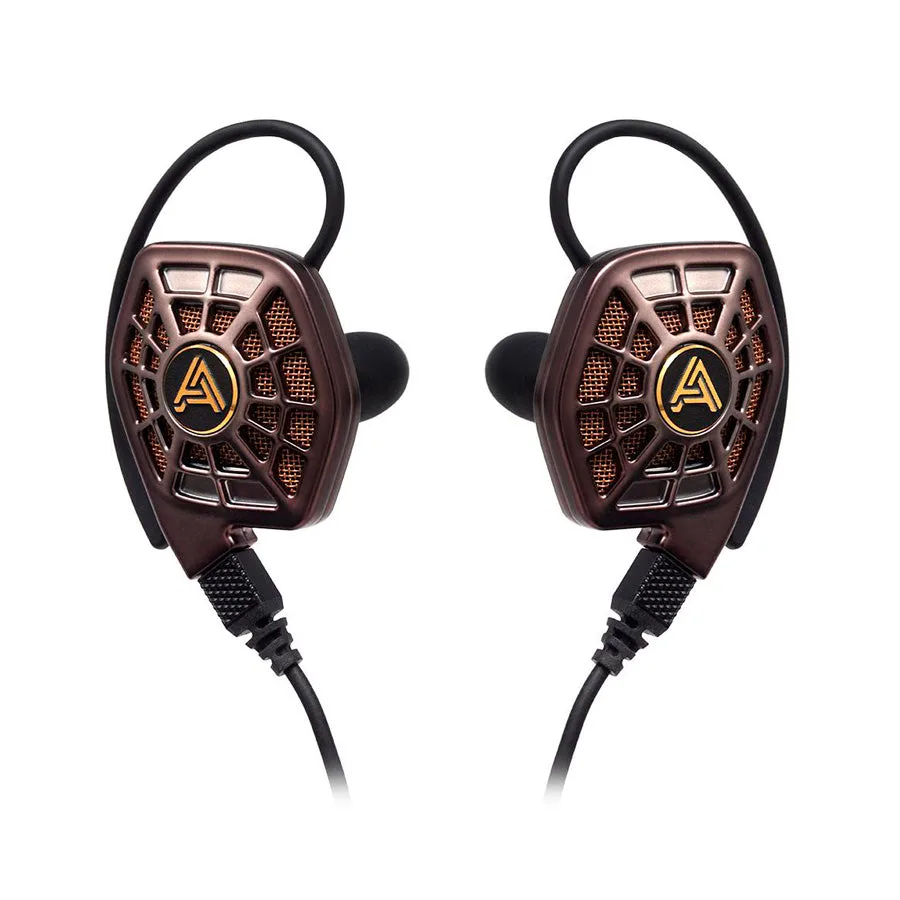
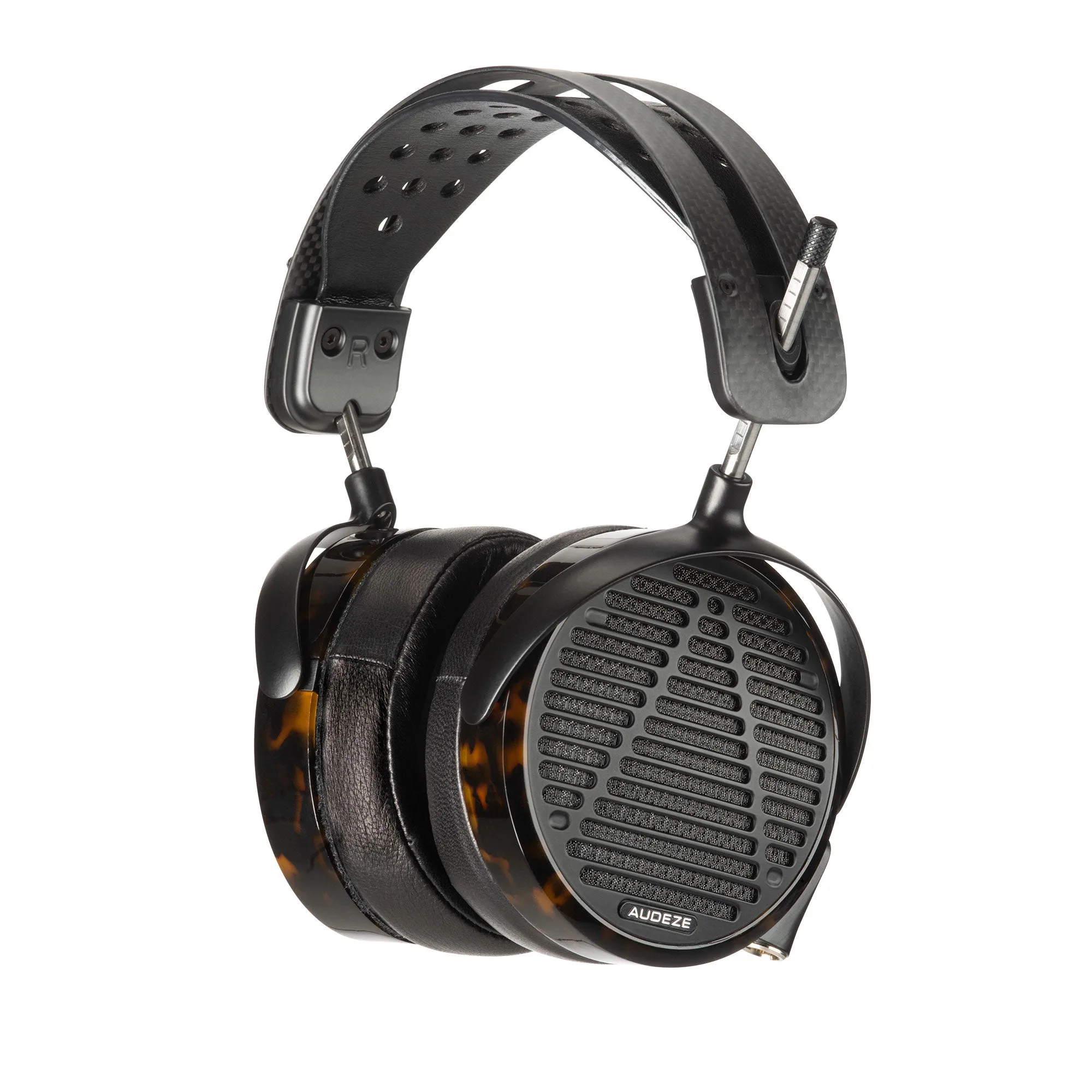
- LCDi3 Open-Back In-Ear Headphones: The LCDi3 introduces superior resolution and refined acoustical tuning to the award-winning iSINE design. Featuring the design of the LCDi4 together with the low impedance of the iSINE series, the LCDi3 can push up to 130dB with zero audible distortion for a true audiophile in-ear experience. This shows Audeze's commitment to high-performance in-ear design, and the same attention to detail applies to the Euclid's eartip fit.
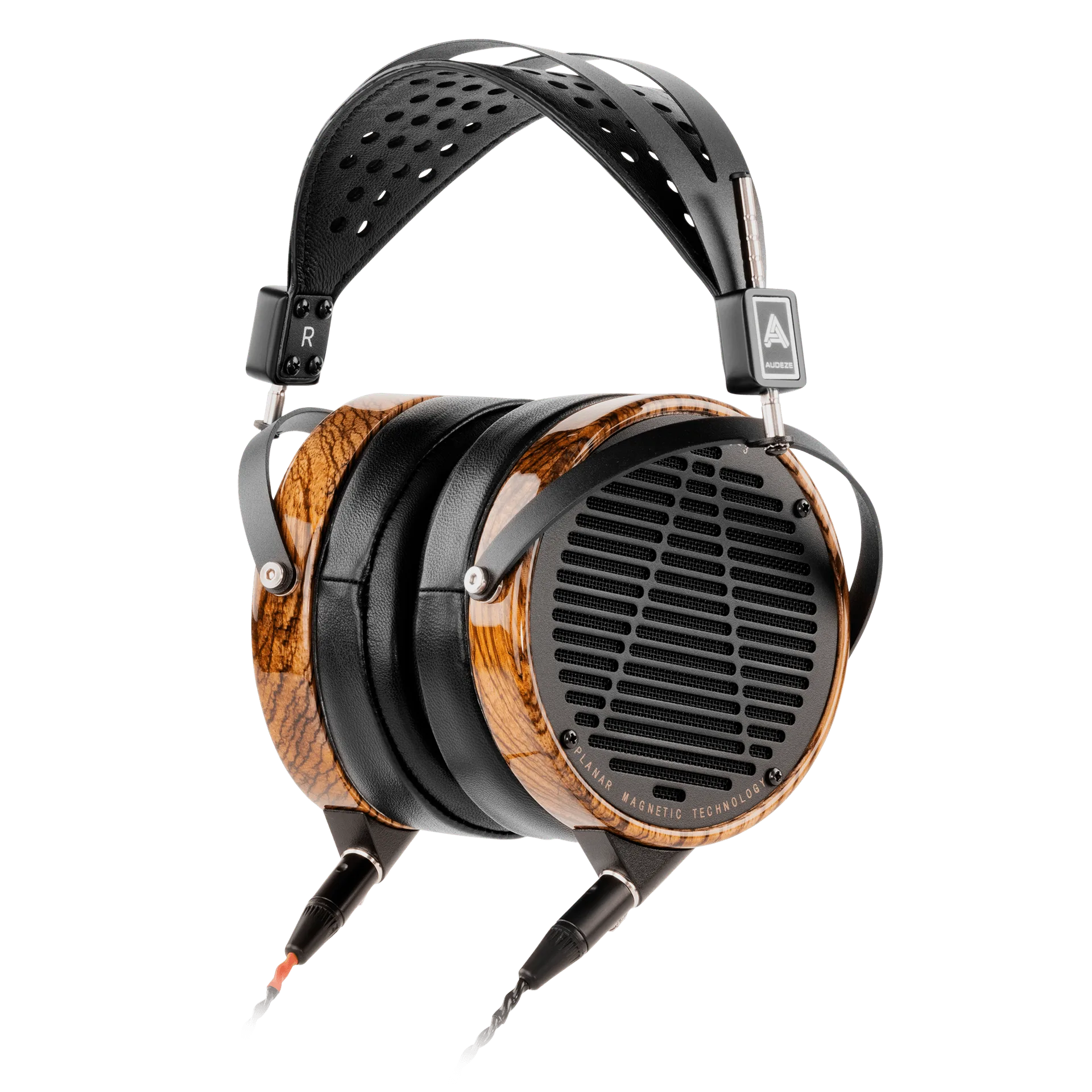
- LCD-5 Flagship Headphones: New planar driver and magnet structure extends frequency response 1/3 less weight than the LCD-4! New sculpted earpad design improves upper midrange response. While these are over-ear headphones, the focus on driver and pad design highlights how Audeze engineers every component for optimal sound—just as the right eartips are crucial for the Euclid.
Fit Guidance
Best For
- Audiophiles who want a secure, comfortable fit for long listening sessions
- Commuters and travelers who need strong noise isolation
Not For
- Users who prefer a deep, 'in-ear' insertion that some foam tips require
- Those with sensitive ear canals who may find memory foam too expanding
Choosing the right eartips for your Audeze Euclid is a personal journey, but the payoff is worth it. Focus on fit, consider your listening environment, and don't be afraid to experiment with different materials and sizes. With the right tips, your Euclid will deliver the immersive, detailed sound they're designed for.