Choosing the right Eau de Parfum is more than picking a scent you like from a bottle. The same fragrance can smell completely different on two people due to skin chemistry. Your skin's pH, oil levels, and even your diet can alter how a perfume develops and lasts.
Understanding how your skin interacts with fragrance notes is key to finding a signature scent. In this guide, we'll explain the science behind skin chemistry and offer practical tips for testing perfumes so you can choose an Eau de Parfum that truly shines on you.
Why Skin Chemistry Matters in Perfume Selection
Skin chemistry refers to the unique combination of pH, moisture, and natural oils on your skin. These factors influence how perfume molecules evaporate and bind to your skin. A fragrance that smells fresh and citrusy on a friend may turn sharp or metallic on you.
The main components of skin chemistry include pH level (typically between 4.5 and 5.5), sebum production, and skin temperature. Warmer skin tends to project fragrance more, while drier skin may cause scents to fade quickly. Hormonal changes, stress, and even weather can also alter your skin's chemistry temporarily.
- Test perfumes on your skin, not just on paper, to see how they react with your body chemistry.
- Keep a fragrance journal to note how different scents evolve on you over time.
Understanding Fragrance Notes and How They React on Skin
Perfumes are composed of top, heart, and base notes, each evaporating at different rates. Top notes are the initial burst, lasting 15 minutes to an hour. Heart notes emerge as the top fades, forming the core of the scent. Base notes are the longest-lasting, lingering for hours.
Your skin chemistry can amplify or mute certain notes. For example, a high pH can make citrus notes feel soapy, while dry skin may not hold woody base notes well. Oily skin tends to hold onto fragrances longer, but it can also intensify sweet notes, making them cloying.
When testing an Eau de Parfum, give it at least 30 minutes to dry down so you can experience the heart and base notes. Don't judge a fragrance solely on its initial spray.
- Spray on clean, unscented skin to avoid mixing with lotion or deodorant.
- Try a fragrance for a full day to see how it evolves from morning to evening.
Tips for Testing Eau de Parfum on Your Skin
To find your ideal perfume, test no more than three fragrances at a time to avoid olfactory fatigue. Spray one on each wrist and one on the inside of your elbow. Wait at least 30 minutes to smell the dry-down.
Use unscented soap before testing to ensure your skin is clean. Avoid wearing other fragrances that day. Also, test at different times of day, as your skin chemistry can shift with your circadian rhythm.
For a more thorough evaluation, try a sample size for a few days. This allows you to experience the perfume in various situations, such as at work, during exercise, or in humid weather.
- Take notes on each perfume's performance: longevity, sillage, and how it makes you feel.
- Ask a friend for their unbiased opinion, as you may become nose-blind to the scent.
How to Match Fragrance Families to Your Skin Type
Your skin type can guide you toward certain fragrance families. If you have dry skin, opt for Eau de Parfum with richer base notes like vanilla, amber, or musk, as they tend to last longer. Oily skin can handle fresher, lighter scents like citrus or green notes without them disappearing too quickly.
Sensitive skin may react to certain synthetic ingredients, so choose perfumes with natural extracts or hypoallergenic formulas. If you have normal skin, you have more flexibility and can experiment with a wide range of fragrance families.
Remember that these are guidelines, not rules. The best way to know is to test and observe how a perfume behaves on your skin.
- For dry skin, consider layering with a matching body lotion to enhance longevity.
- For oily skin, avoid overspraying to prevent the scent from becoming overpowering.
Popular Eau de Parfum Options to Try
Juliette Has a Gun offers a range of Eau de Parfum that can suit various skin chemistries. For a versatile option, consider Ode to Dullness, which features a unique blend that adapts to the wearer. Its balanced composition works well on both dry and oily skin.
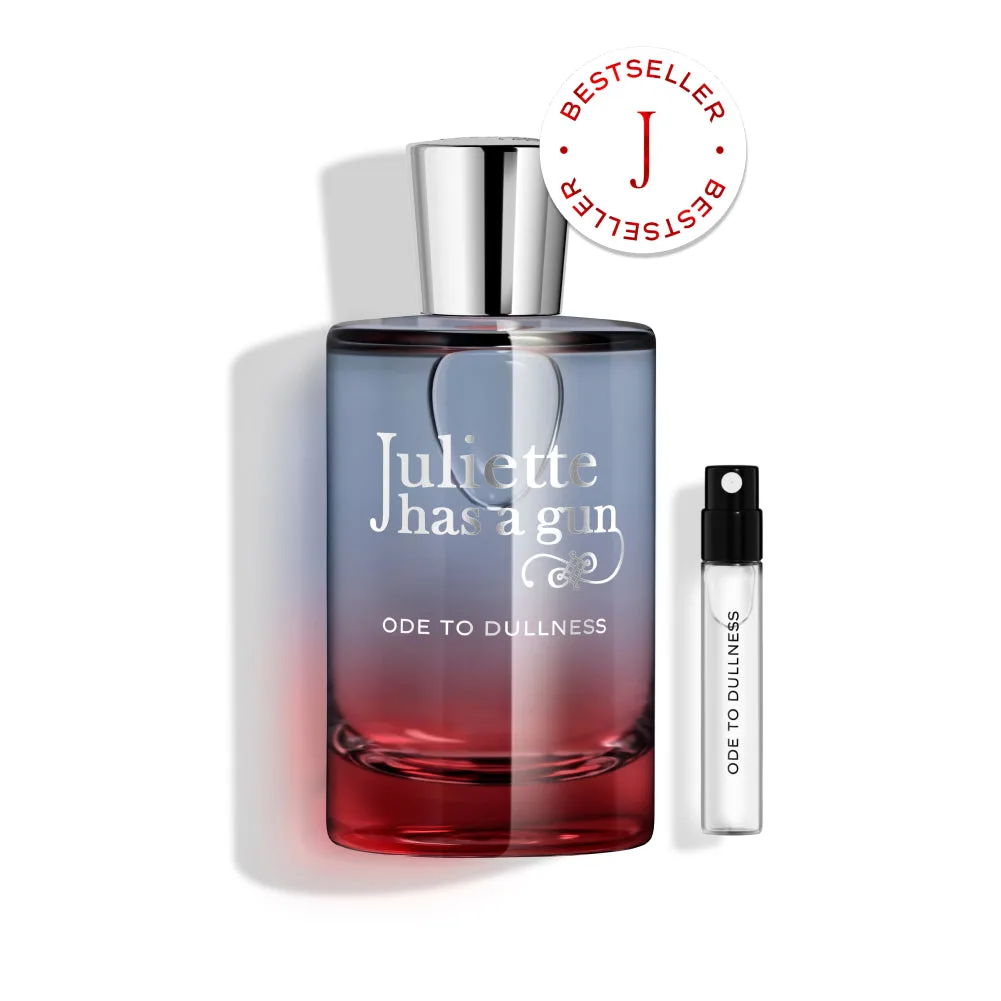
Ode to Dullness
If you enjoy warm, woody scents, https://scenthavenai.com/products/in-the-mood-for-oud-201918In the mood for oud is a rich choice. Oud notes tend to perform beautifully on slightly oily skin, providing a long-lasting, opulent trail. For a lighter, gourmand option, Vanilla Vibes 7.5ml offers a sweet, comforting scent that pairs well with many skin types.
When trying these fragrances, start with a sample size to see how they interact with your skin before committing to a full bottle.
- Sample multiple fragrances to compare how they develop on your skin.
- Take advantage of discovery sets to explore different scent families without a big commitment.
Choosing the right Eau de Parfum is a personal journey that requires patience and experimentation. By understanding your skin chemistry and testing fragrances properly, you'll find a scent that feels like it was made for you. Start with a sample like Vanilla Vibes 7.5ml to see how it works with your skin, and enjoy the process of discovering your signature perfume.