Face masks are a beloved cornerstone of Korean skincare—and for good reason. Whether you want to drench your skin in hydration, refine clogged pores, or give your complexion a quick glow boost, there’s a mask tailored to your needs. But with so many options—sheet masks, peel-off masks, sleeping masks, clay masks—it can be overwhelming to know which one is right for your skin type. Choosing the wrong mask can lead to irritation, breakouts, or simply wasted product. That’s why understanding your skin type and the purpose of each mask is essential for getting the best results.
In this guide, we’ll walk you through how to select a face mask based on your unique skin concerns. Whether you have dry, oily, combination, or sensitive skin, we’ll cover the key ingredients and formats to look for—and highlight some of our favorite LANEIGE products, including the Balance Mode Pore Polishing Peel-off Mask and the Bouncy & Firm Lip Treatment, to help you build an effective masking routine.
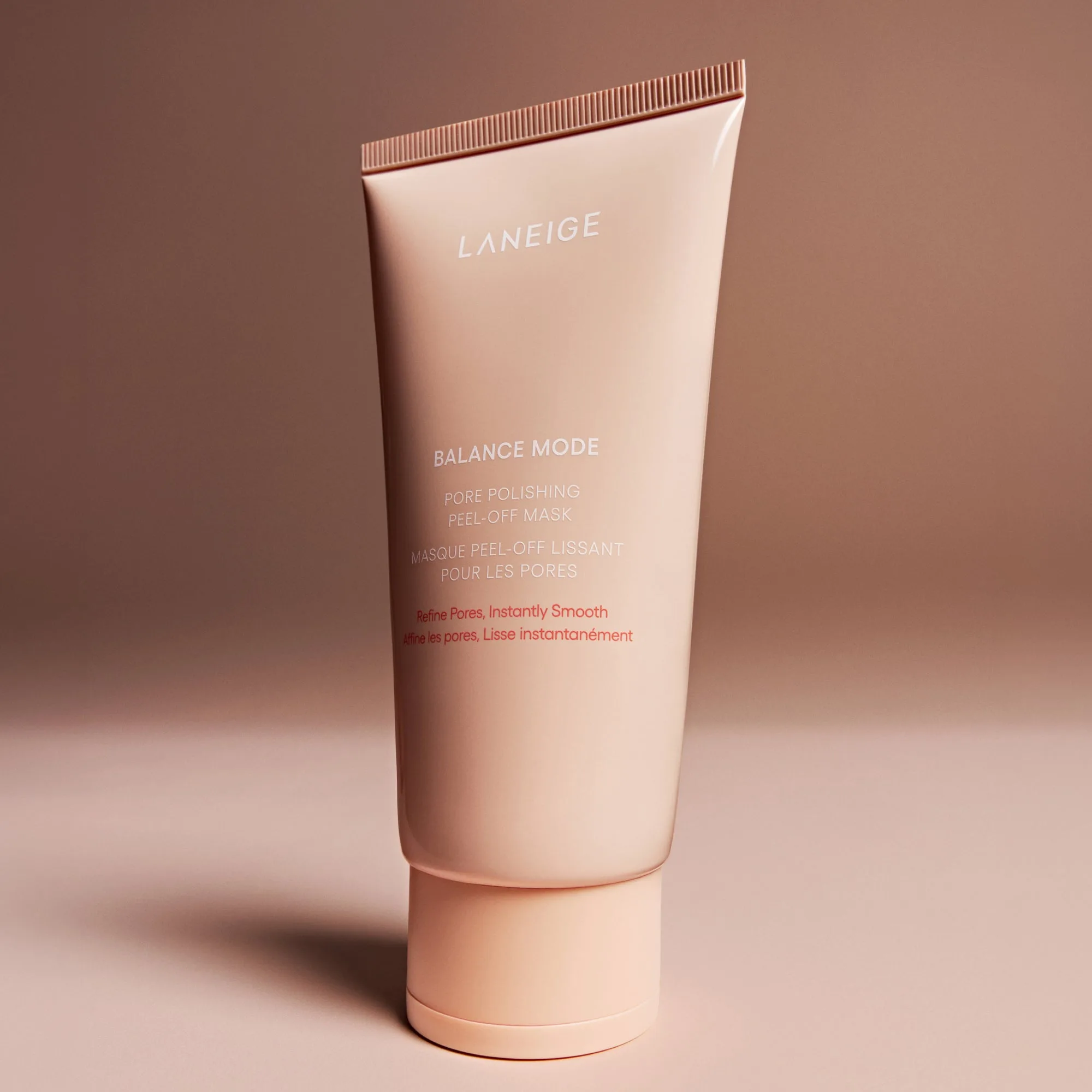
Balance Mode Pore Polishing Peel-off Mask
Why Face Masks Are a Skincare Powerhouse
Face masks deliver a concentrated dose of active ingredients to your skin in a short amount of time. Unlike your daily moisturizer or serum, a mask creates an occlusive barrier that allows ingredients to penetrate deeper and work more effectively. This makes them ideal for targeting specific concerns like dehydration, dullness, enlarged pores, or loss of firmness. In Korean skincare, masking is often done one to three times per week, depending on your skin’s needs and the type of mask you choose.
The key is to match the mask’s function with your skin type. For example, a hydrating sheet mask is perfect for dry skin, while a clay or peel-off mask can help control oil and clear pores for oily skin. By choosing wisely, you can amplify your skincare routine without overloading your skin with the wrong ingredients.
- Hydrating masks: best for dry or dehydrated skin
- Clay or peel-off masks: ideal for oily and acne-prone skin
- Soothing masks: great for sensitive or irritated skin
- Firming masks: target loss of elasticity in mature skin
Face Masks for Dry Skin: Hydration Is Key
If you have dry skin, your main goal is to replenish moisture and strengthen your skin barrier. Look for masks that contain humectants like hyaluronic acid, glycerin, and aloe vera, as well as emollients like ceramides and squalane. Sheet masks soaked in a rich, watery essence are your best friend—they deliver hydration without stripping your skin. Avoid masks with high concentrations of alcohol, clay, or charcoal, as these can further dry out your complexion.
For a truly quenching experience, consider using a sheet mask that emphasizes deep hydration. Layering a hydrating mask after your toner and before your moisturizer can lock in extra moisture. You can also use a sleeping mask overnight for an intensive moisture boost. If you’re looking for a product that combines hydration with a pampering feel, the Bouncy & Firm Lip Treatment is a great addition to your routine—it delivers plumping moisture to your lips while you mask the rest of your face.
- Choose sheet masks with hyaluronic acid or ceramides
- Avoid clay or charcoal masks that absorb oil
- Use a hydrating sleeping mask 1-2 times per week
Face Masks for Oily and Acne-Prone Skin: Pore Refinement and Oil Control
Oily and acne-prone skin types benefit from masks that help regulate sebum production, unclog pores, and reduce inflammation. Clay masks (like kaolin or bentonite) and peel-off masks are excellent choices, as they absorb excess oil and remove impurities from deep within pores. Look for ingredients like salicylic acid, charcoal, tea tree oil, or niacinamide to target breakouts and refine texture. Avoid heavy, oil-based masks that can clog pores further.
One standout option for oily skin is the Balance Mode Pore Polishing Peel-off Mask. This peel-off mask gently removes dead skin cells and sebum buildup without being too harsh, leaving your skin feeling smooth and refreshed. It’s a fantastic weekly treatment to keep pores clear and minimize their appearance. Pair it with a lightweight, non-comedogenic moisturizer afterward to maintain balance. For best results, use a peel-off mask no more than once a week to avoid over-exfoliating.
- Opt for clay or peel-off masks to absorb excess oil
- Look for salicylic acid or charcoal to unclog pores
- Use a gentle toner after masking to restore pH balance
Face Masks for Combination Skin: Balance and Versatility
Combination skin—where the T-zone is oily and the cheeks are dry or normal—requires a balanced approach. You may need to use different masks on different areas of your face, a technique known as multi-masking. For example, apply a clay or peel-off mask on your nose and forehead to control shine, and a hydrating sheet mask on your cheeks to add moisture. Look for masks that offer gentle exfoliation and hydration without being too heavy or too drying.
Multi-masking is where you can really get creative. You might use the Balance Mode Pore Polishing Peel-off Mask on your T-zone to refine pores while applying a hydrating sheet mask on the rest of your face. This targeted approach ensures that each area gets exactly what it needs. If you’re new to multi-masking, start with a gentle peel-off mask and a simple hydrating sheet mask to see how your skin responds.
- Try multi-masking with a clay mask on the T-zone and a hydrating mask on cheeks
- Avoid overly rich formulas that may clog pores in oily areas
- Use a balancing toner after masking to even out skin
Face Masks for Sensitive Skin: Soothing and Gentle Formulas
Sensitive skin needs masks that calm inflammation and strengthen the skin barrier without causing irritation. Avoid masks with fragrances, essential oils, alcohol, or harsh exfoliants like physical scrubs. Instead, look for soothing ingredients such as centella asiatica, panthenol, allantoin, oatmeal, and chamomile. Sheet masks with minimal, gentle formulations are often the safest choice. You can also consider hydrogel masks, which are less likely to cause friction.
Always patch-test a new mask on a small area of your jawline or behind your ear before applying it to your entire face. If you experience redness, stinging, or burning, discontinue use. For sensitive skin, less is more—masking once a week with a calming formula is usually sufficient. Remember that even gentle masks can cause irritation if left on too long, so follow the recommended time on the packaging.
- Choose fragrance-free, alcohol-free masks with soothing ingredients
- Patch-test every new mask before full application
- Limit masking to once a week to avoid over-sensitizing
How to Incorporate Face Masks Into Your Routine
To get the most out of your face mask, apply it after cleansing and toning, but before your serum and moisturizer. This allows the active ingredients to penetrate freshly prepped skin. For sheet masks, leave them on for the recommended time (usually 15-20 minutes) and gently pat the remaining essence into your skin. For peel-off masks, wait until the mask is completely dry before peeling off in an upward motion to avoid tugging. Always follow up with a moisturizer to seal in the benefits.
Consistency matters—but don’t overdo it. Most skin types benefit from masking two to three times per week, while sensitive or dry skin may be fine with once a week. Listen to your skin and adjust frequency based on how it feels. And don’t forget your lips! While you’re masking your face, treat your lips to a nourishing treatment like the Bouncy & Firm Lip Treatment to keep them soft and hydrated.
- Mask after cleansing and toning for best absorption
- Follow mask with serum and moisturizer to lock in benefits
- Don’t leave masks on longer than recommended to avoid irritation
Choosing the right face mask for your skin type doesn’t have to be complicated. By understanding whether your skin is dry, oily, combination, or sensitive, you can select masks that deliver real results without causing irritation. Whether you’re drawn to the pore-refining power of a peel-off mask or the deep hydration of a sheet mask, LANEIGE offers a range of options to suit your needs. Start with the Balance Mode Pore Polishing Peel-off Mask for a deep clean, or try the Bouncy & Firm Lip Treatment to pamper your lips while you mask. Your skin will thank you for the extra care.