Linen napkins are one of those small upgrades that make a big difference in how a meal feels. Whether you're setting the table for a quiet weeknight dinner or hosting a holiday gathering, the right cloth napkins can elevate the experience without adding fuss. But with so many options—different weaves, sizes, and colors—it can be tricky to know which ones will actually hold up to daily use and still look polished for company.
still
This guide walks you through the key factors to consider when buying linen napkins, from weight and weave to size and care. We'll also share practical tips for mixing and matching so your table linens work hard for both everyday meals and special occasions. By the end, you'll know exactly what to look for and how to keep your napkins in great shape for years.
Why Linen? The Real Benefits for Your Table
Linen has been a go-to fabric for table linens for centuries, and it's not just tradition. Linen fibers are naturally strong and absorbent, which means they handle spills and repeated washing better than cotton or polyester blends. Unlike synthetic napkins that can feel slick or stiff, linen softens with each wash while staying durable. It also has a natural breathability that helps it dry quickly, reducing the chance of mildew if you don't get to the laundry right away.
For everyday use, linen's texture hides minor wrinkles and stains better than crisp cotton, so your table still looks inviting even after a few meals. And for entertaining, linen's subtle drape and natural luster add an understated elegance that paper napkins simply can't match. The key is choosing the right weight and weave for your lifestyle.
- Linen absorbs moisture better than cotton, making it ideal for wiping hands and catching spills.
- It's naturally antimicrobial and resists odors, so you can often use napkins multiple times between washes.
Weight and Weave: What to Look For
Linen napkins come in a range of weights, from lightweight and airy to substantial and structured. For everyday use, a mid-weight linen (around 160–200 grams per square meter) hits the sweet spot: sturdy enough to hold up to frequent laundering, but not so heavy that it feels like a towel on the table. Heavier napkins (200+ GSM) are great for formal dinners because they hold their shape when folded and feel luxurious in hand, but they take longer to dry and can be overkill for casual meals.
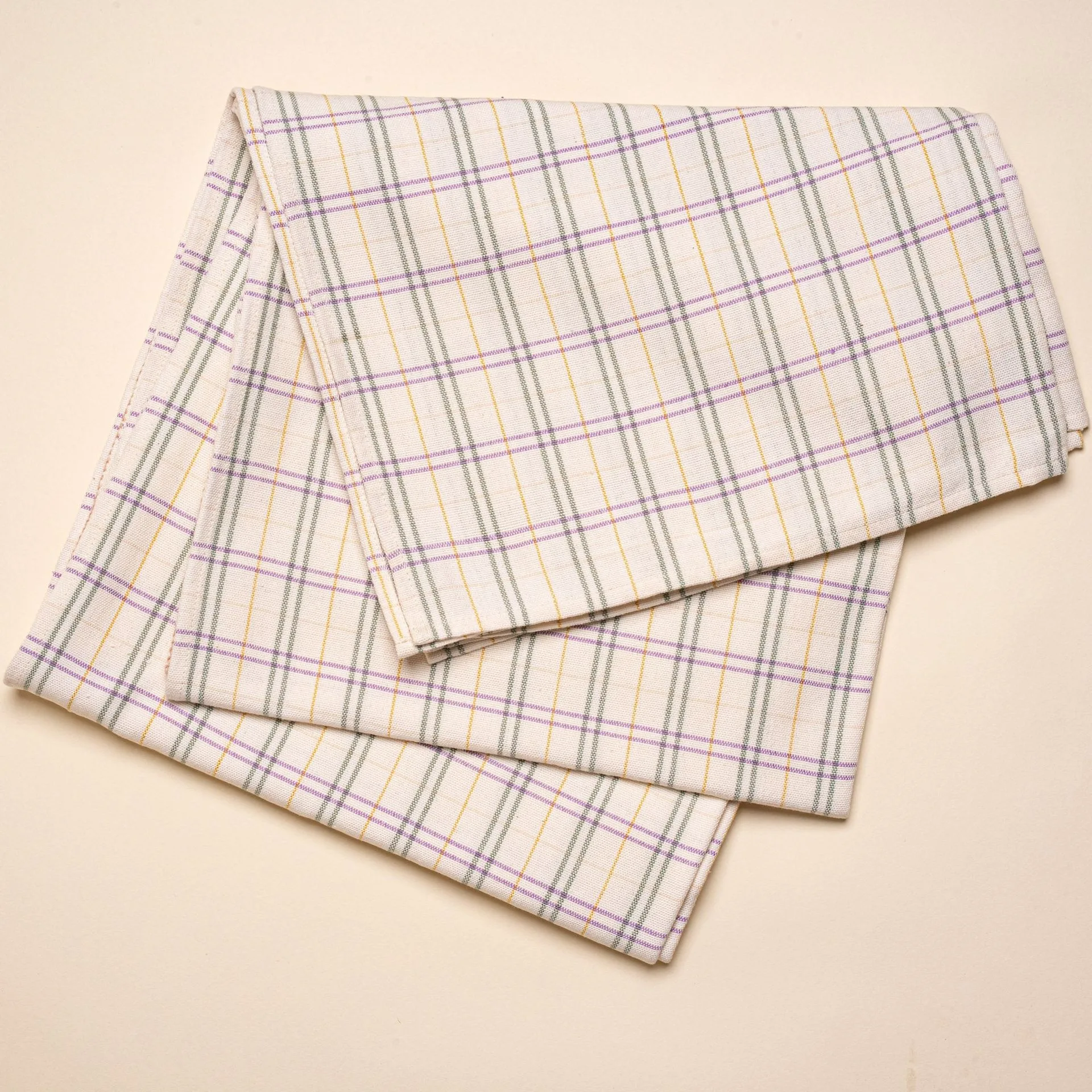
The weave also matters. A plain weave is the most common and offers a clean, classic look that works with any table setting. A crosshatch or herringbone weave adds visual texture and hides wrinkles better, which is a bonus for everyday use. The Crosshatch Linen Napkins, Set of 4 are a great example of a textured weave that feels relaxed yet refined. If you prefer a smoother finish, the East Fork Italian Linen Napkins, Set of 4 offer a finer, more uniform surface that pairs beautifully with both modern and traditional tableware.
- For daily use, choose mid-weight linen (160–200 GSM) with a textured weave to hide wear.
- For entertaining, consider heavier linen (200+ GSM) with a smoother finish for crisp folds.
Size Matters: Standard vs. Dinner Napkins
Napkin size is often overlooked, but it directly affects how practical and polished your table looks. Standard linen napkins measure around 18 to 20 inches square, which is the sweet spot for everyday meals. They're large enough to unfold over your lap but not so big that they overwhelm a small table setting. For casual dinners, a 18-inch napkin is perfectly adequate and easier to fold into simple shapes.
For entertaining, consider 20- to 22-inch napkins. The extra size allows for more elaborate folds, like the classic pyramid or a simple pocket for silverware. Larger napkins also feel more generous and can double as a small placemat for bread or cheese courses. If you're building a set for both purposes, buying a mix of sizes gives you flexibility. Use the smaller ones for breakfast and lunch, and bring out the larger ones for dinner parties.
- 18-inch napkins are ideal for everyday use and smaller tables.
- 20- to 22-inch napkins work best for formal dinners and creative folding.
Color and Pattern: Building a Versatile Collection
Neutral tones like white, cream, and soft gray are the most versatile because they match any tableware and can be dressed up or down with runners, placemats, or centerpieces. A set of white linen napkins is a classic choice that never goes out of style and works for everything from Sunday brunch to Thanksgiving dinner. If you want a bit of color, consider muted earth tones or deep jewel shades that complement your existing dishes without clashing.
Patterns add personality but can limit how often you use them. A subtle stripe or checkered pattern can be surprisingly versatile, especially if the colors are neutral. For a cohesive look, buy two or three complementary colors or patterns and mix them on the table. This approach gives you the flexibility to set a casual table with mismatched napkins or a coordinated look for special occasions. The East Fork Italian Linen Napkins, Set of 4 come in a range of elegant shades that make mixing easy.
- Start with neutral tones for maximum versatility, then add one or two accent colors.
- Mixing two or three complementary napkin colors creates an effortlessly styled table.
Linen Napkin Care: Keep Them Looking Great
Linen napkins are surprisingly low-maintenance if you follow a few simple rules. Wash them in warm water with a mild detergent—avoid bleach, which can weaken the fibers over time. Tumble dry on medium heat until slightly damp, then remove and fold or iron while still a bit moist. This prevents deep wrinkles and makes ironing easier if you prefer a crisp look. For everyday use, many people skip ironing altogether and embrace the natural rumpled texture as part of linen's charm.
For stains, treat them quickly. Blot (don't rub) the stain with cold water, then apply a small amount of gentle soap before washing. Red wine and oil stains can be pre-treated with a dab of dish soap or a stain remover. Avoid fabric softeners—they coat the fibers and reduce absorbency. With proper care, quality linen napkins can last for decades, becoming softer and more beautiful with each wash.
- Wash in warm water with mild detergent; avoid bleach and fabric softeners.
- Remove from dryer while slightly damp to reduce wrinkles and make ironing optional.
How Many Napkins Do You Really Need?
A good rule of thumb is to have at least two sets per person: one in the wash and one on the table. For a household of four, that means eight napkins minimum. If you entertain frequently, aim for 12 to 16 napkins so you can cover a full dinner party without doing laundry mid-event. Buying in sets of four or six makes it easy to build your collection gradually.
Consider buying two different styles—one for everyday and one for entertaining. For example, a set of textured everyday linen napkins like the Crosshatch Linen Napkins, Set of 4 paired with a set of smoother, more formal napkins gives you options without doubling your total count. You can also mix them on the same table for a relaxed, collected look that feels intentional.
- Minimum 8 napkins for a household of four; 12–16 if you host regularly.
- Buy two styles (everyday + entertaining) to maximize versatility without excess.
Choosing the right linen napkins comes down to understanding your own habits: how often you entertain, how much fuss you're willing to put into care, and the look you want on your table. Start with a versatile set in a mid-weight, neutral tone, then expand with a bolder pattern or heavier weight for special occasions. With proper care, good linen napkins become softer and more beautiful over time, making them one of the most rewarding investments you can make for your home.