Quick answer
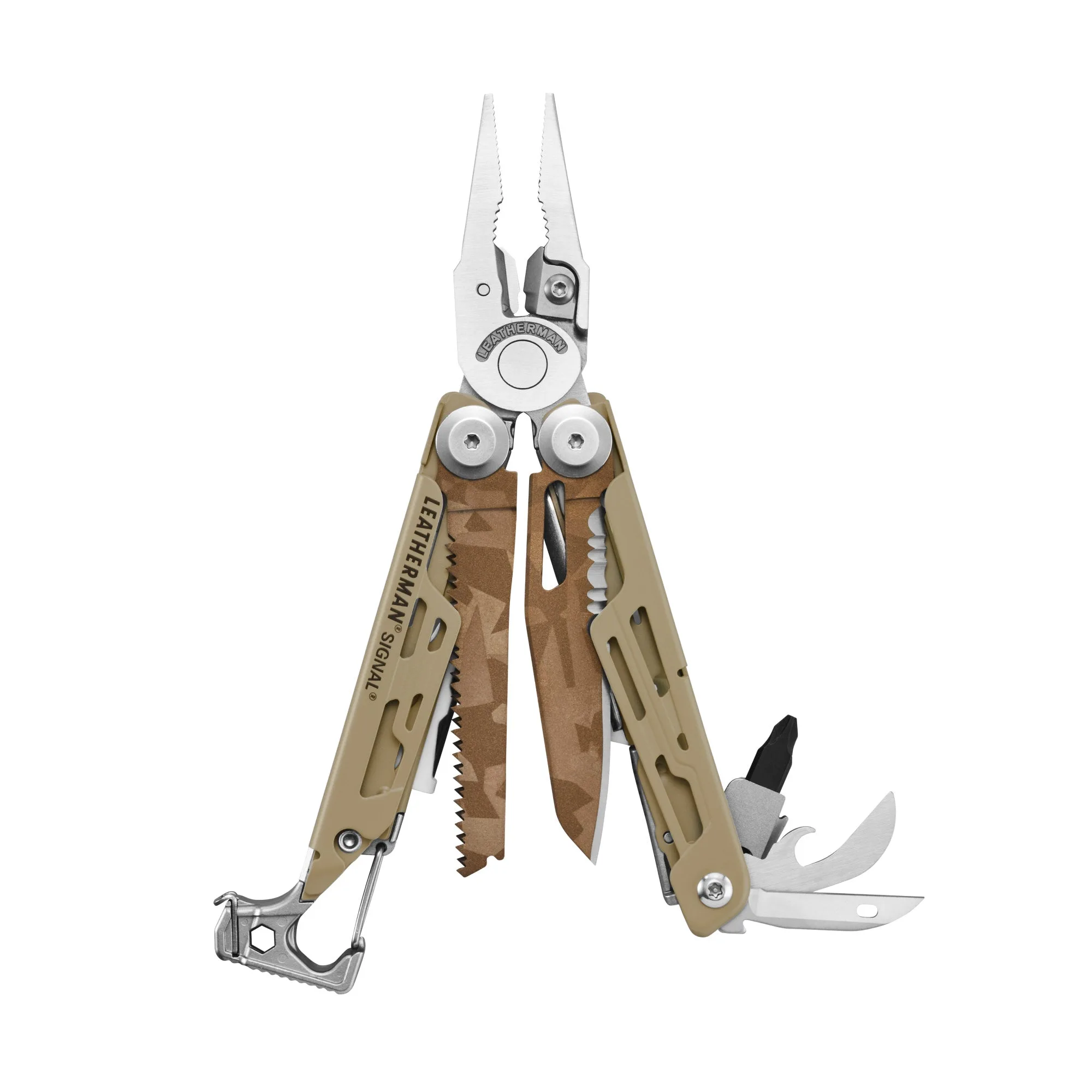
For most campers, a mid-size multi-tool with a locking blade, pliers, and a saw handles 90% of camp chores. If you prioritize weight and fire-starting capability, a specialized outdoor model like the Signal Sandstorm is worth the trade-off in tool density.
What to look for in a camping multi-tool
Start with the tools you actually use at camp: a knife for cutting cord and food, pliers for fixing gear or pulling hot pots, and a saw for small branches. A can opener and screwdriver are bonus tools that save you from carrying extras.
Weight and carry method matter more than tool count. A heavy multi-tool on your belt can be annoying on a long hike. Look for a model that fits your typical camp setup—whether that’s a pocket carry, belt sheath, or lanyard attachment.
Trade-offs: outdoor-specific vs. general-purpose
General-purpose multi-tools give you more tools in one package, which is great for car camping or basecamp use. Outdoor-specific models often trade tool variety for lighter weight, a dedicated fire starter, or a better saw. Choose based on whether you hike deep or stay close to the car.
If you camp in wet or dusty conditions, look for a tool with a Cerakote blade finish—it resists corrosion better than standard stainless. The Signal Sandstorm uses this coating, which adds durability without adding weight.
Accessories that improve your camp setup
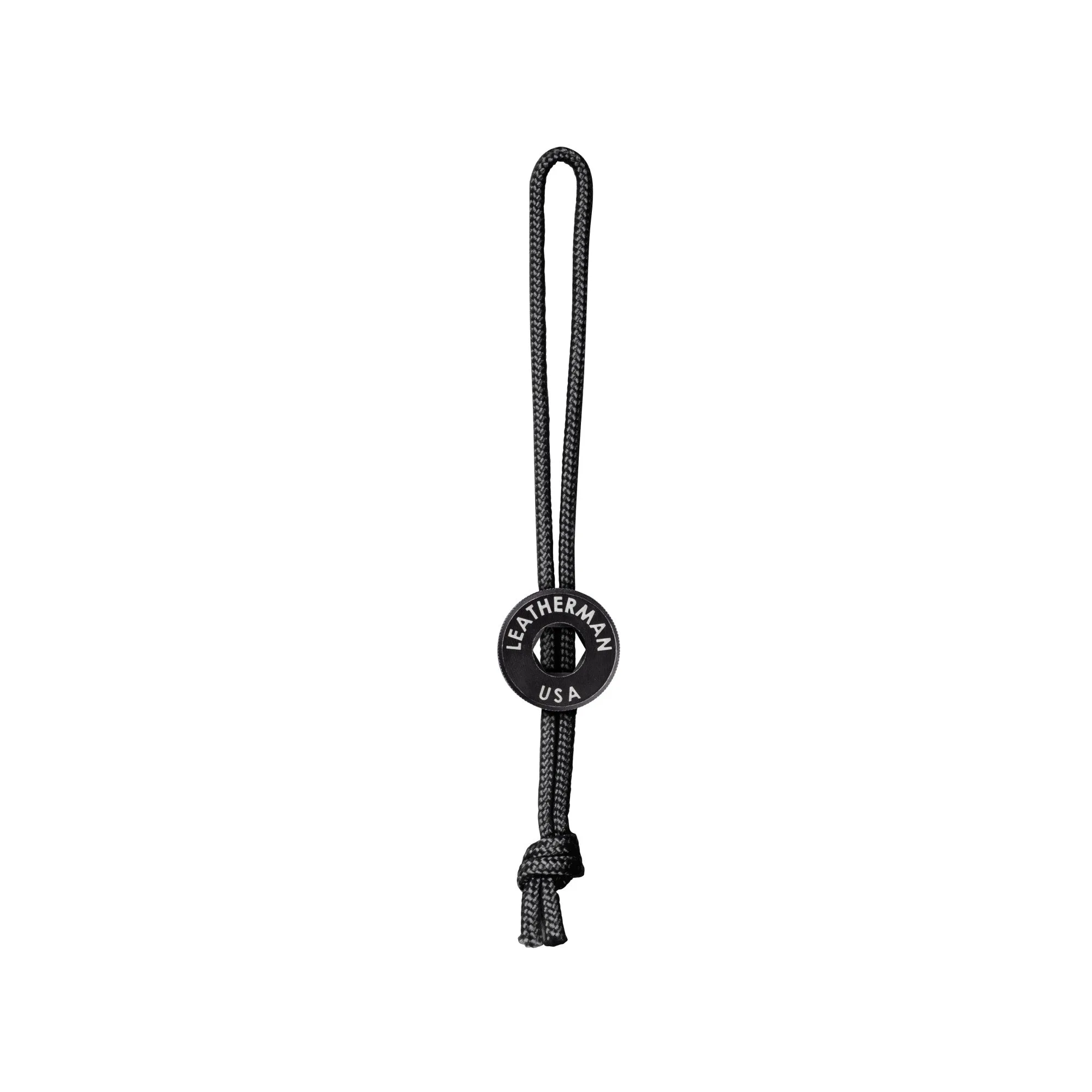
A lanyard and bead does more than keep your tool from dropping in the dirt. The bead doubles as a bit driver for flat and hex bits, so you can tighten tent stakes or repair camp chairs without digging for a separate driver.
A simple dad hat or a book about the brand won't affect your tool choice, but they're nice additions if you want to show your outdoor identity or learn more about the engineering behind your gear.
Decision rules for your camping multi-tool
- Rule 1: Match tool set to camp chores: List the three tasks you do most at camp (e.g., cutting cord, opening cans, repairing gear). Choose a multi-tool that covers those tasks without adding tools you never use. A 15-tool model is overkill if you only need a knife and pliers.
- Rule 2: Consider carry method and weight: If you hike to camp, a tool under 8 oz with a pocket clip or lanyard is better than a belt sheath. For car camping, weight matters less and a sheath is fine. Lighter tools often sacrifice tool count—decide what you're willing to lose.
- Rule 3: Check blade steel and finish: For wet or coastal camping, a Cerakote or DLC-coated blade resists rust. For dry conditions, standard stainless is fine and easier to sharpen. Coated blades cost more but last longer in damp environments.
Products that fit your camping needs
- Signal® Sandstorm: The limited-edition Signal Sandstorm gives our best-selling outdoor multi-tool a distinctive new finish inspired by gear made for life outside. Built with the same trusted functionality adventurers count on, this special release pairs practical outdoor features with exclusive design details. A Cerakote® blade and saw feature a rugged multi-tone camo pattern, while glow-in-the-dark accents on the sharpener and ferro… The Cerakote finish resists rust from morning dew or rain, and the glow-in-the-dark accents help you find the tool in your pack at night. The ferro rod is a real fire starter, not a gimmick—useful if you camp without matches.
- Lanyard and Bead: Compatible with our range of knives and multi-tools, our bead is made from premium-grade stainless steel (and durable PVD coating on the black version) and is designed to be a bit driver for both Leatherman flat bits and ¼” hex bits. This lanyard bead turns your multi-tool into a compact driver for hex bits, which is handy for tightening tent poles, adjusting camp stoves, or repairing gear without carrying a separate screwdriver set.
Who this is for
Best for
- Campers who hike to their site and want a lightweight outdoor-specific tool with fire-starting capability
- Basecamp or car campers who need a durable multi-tool with a rust-resistant blade and a bit driver for gear repairs
Not for
- Backpackers who need the absolute lightest tool possible (consider a dedicated knife and separate pliers)
- Campers who rarely use pliers or saws (a simple folding knife may be enough)