Quick answer
Choose the smaller 270x200mm tray for everyday drinks and small snacks, or the larger 320x240mm tray for coffee setups, multiple plates, or heavier serving. Your decision depends on what you carry and how much table space you have.
Why size matters for a nonslip tray
A nonslip tray is only useful if it fits your routine. Too small and you'll make extra trips; too large and it crowds your counter or feels clumsy to carry. Kinto offers two sizes: 270x200mm and 320x240mm. Both use a coated plywood surface that prevents items from sliding, so the main difference is the footprint and capacity.
Neither size is dishwasher-safe, and both can discolor from heat or water drops. That means you'll hand-wash and avoid hot pots directly on the surface. The trade-off is a lightweight, warm-looking wooden tray that adds style to your table.
What each size handles best
The 270x200mm tray (roughly 11x8 inches) is compact enough for a couple of mugs, a small teapot, or a few plates of snacks. It fits easily on a kitchen counter or a side table without dominating the space. If you mostly serve drinks for one or two people, this size keeps your load manageable.
The 320x240mm tray (about 13x10 inches) gives you room for a coffee brewer, a carafe, and cups, or for a full dinner setup with plates and utensils. It's better for entertaining or when you need to carry multiple items in one trip. The larger surface also helps when you're bringing food from kitchen to table.
Weight and material differences
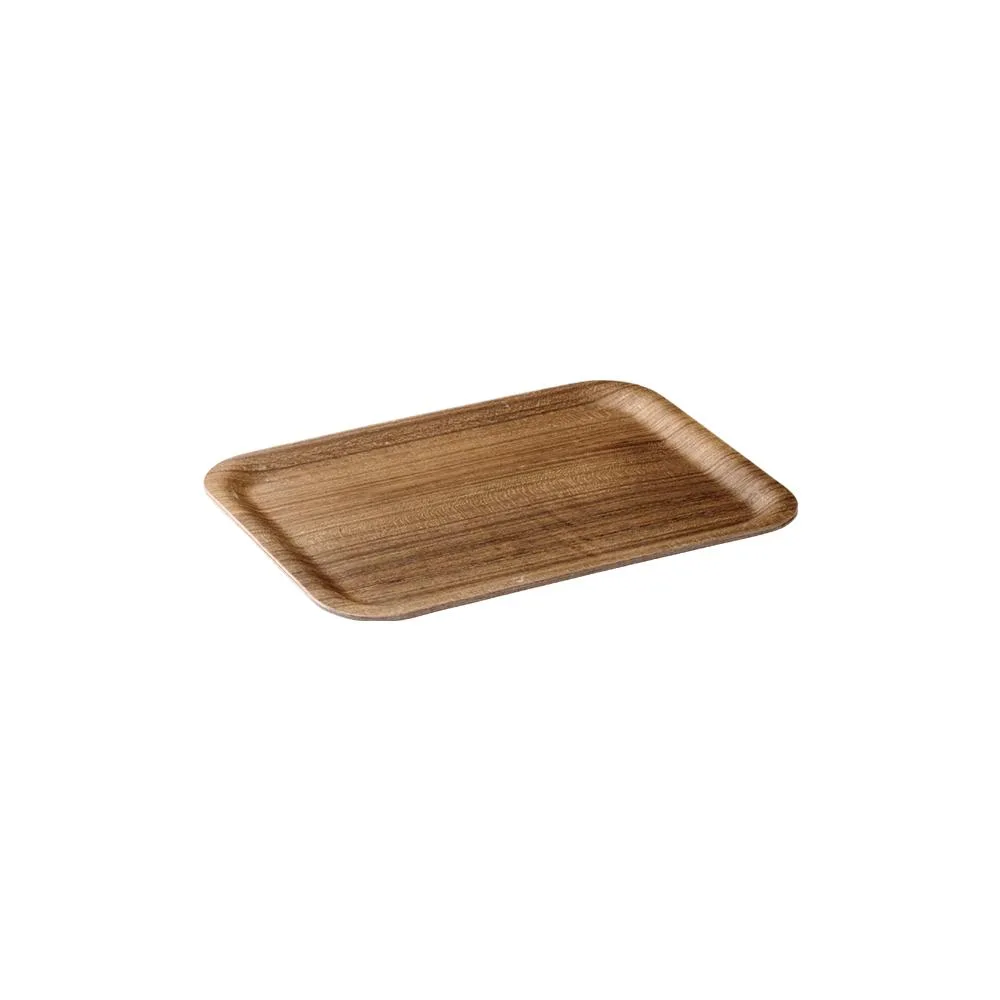
Both trays are made from plywood with a urethane coating. The smaller 270x200mm version uses teak plywood, while the 320x240mm uses willow plywood. Both are lightweight and durable, but the larger size naturally weighs a bit more due to its bigger dimensions. If you have limited hand strength or prefer a lighter carry, the smaller tray is easier to manage.
The wooden pattern on each tray is unique to the wood species. Teak has a richer, darker grain, while willow is lighter and more uniform. Choose based on your table decor preference, but know that both add warmth.
Decision rules for picking your nonslip tray size
- What you carry most often: If you usually carry one or two cups or a small teapot, the 270x200mm tray is sufficient. If you need to transport a coffee brewer, carafe, and multiple cups, choose the 320x240mm.
- Table and counter space: Measure where you plan to set the tray down. The 270x200mm fits on small counters or side tables. The 320x240mm needs a clear area of at least 13x10 inches.
- Weight and maneuverability: The larger tray holds more but is heavier when fully loaded. If you have limited hand strength or need to carry it one-handed, the smaller tray is easier to balance. Try holding each size empty in the store to feel the weight difference.
- Cleaning and care: Neither tray is dishwasher-safe. Both require hand washing and should not be soaked. Avoid placing hot cookware directly on the surface to prevent discoloration.
Product facts
-
NONSLIP tray 270x200mm / 11x8in: The 270x200mm tray is made of teak plywood with a urethane coating. It is lightweight and durable. This size is ideal for daily drink service without taking up too much counter space.
NONSLIP tray 270x200mm / 11x8in
-
NONSLIP tray 320x240mm / 13x10in: The 320x240mm tray uses willow plywood with a urethane coating. It has a larger surface area for more items. The bigger footprint suits coffee setups or multi-plate meals, but requires more table space to set down.
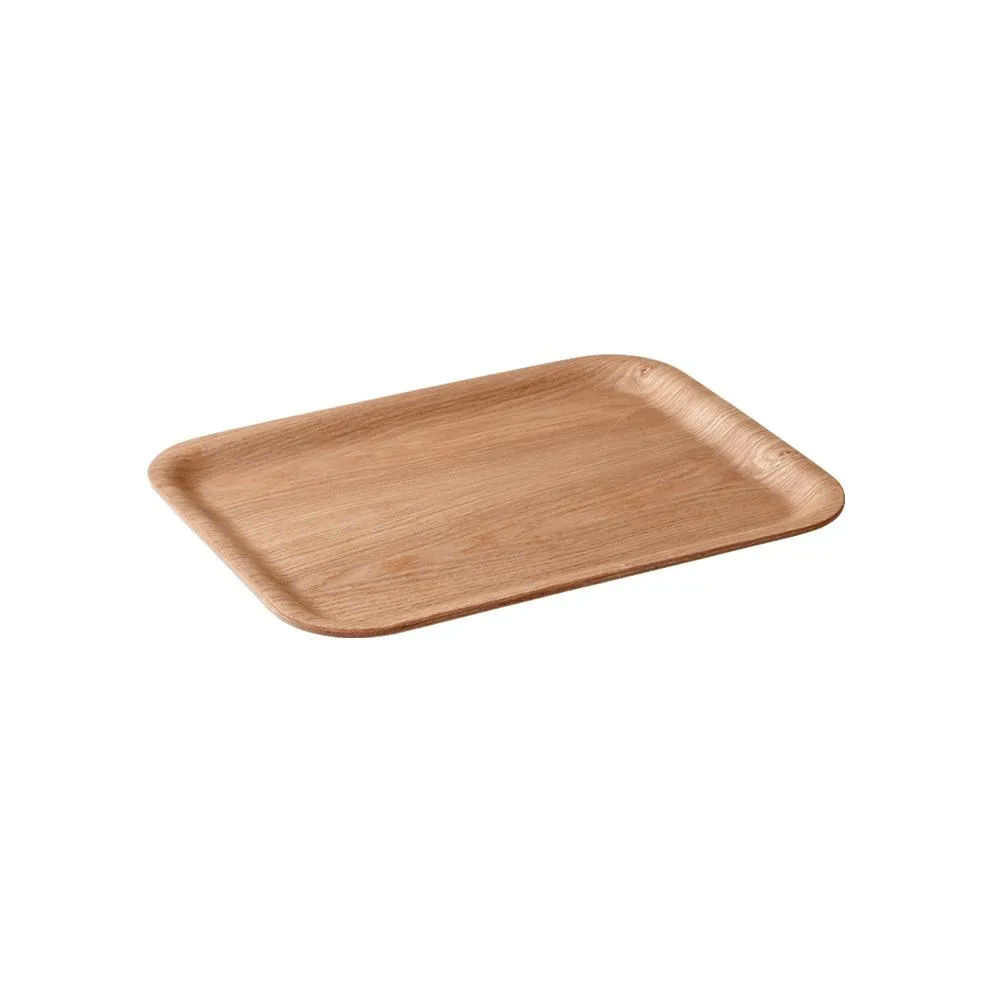
NONSLIP tray 320x240mm / 13x10in
Which tray fits your routine?
Best for
- Daily coffee or tea drinkers who serve one or two people: 270x200mm
- Home entertainers or those who serve multiple plates and drinks: 320x240mm
Not for
- Dishwasher users (neither tray is dishwasher-safe)
- Anyone who needs to carry hot cookware directly on the tray (discoloration may occur)