Quick Answer
For most off-road trucks, a wheel offset between -12mm and -25mm provides a wider stance for stability and allows room for larger tires. However, your choice depends on your suspension setup, tire size, and whether you prioritize rubbing prevention or steering feel. Use the decision rules below to narrow down the best offset for your specific build.
What Is Wheel Offset and Why It Matters
Wheel offset is the distance from the wheel's mounting surface to its centerline. Positive offset pushes the wheel inward, while negative offset pushes it outward. In off-road driving, offset affects your track width, which influences stability on slopes and how much stress is placed on your suspension components.
A more negative offset widens the stance, which can improve stability on uneven terrain but also increases the load on wheel bearings and steering. A more positive offset keeps the wheels tucked under the fenders, reducing leverage but limiting tire clearance.
Backspacing vs. Offset: Know the Difference
Backspacing is the distance from the mounting surface to the back edge of the wheel. While offset is measured in millimeters, backspacing is measured in inches. Both describe where the wheel sits relative to the hub, but backspacing directly affects clearance to suspension and brake components.
When choosing wheels, you'll often see both specs. A lower backspacing pushes the tire outward, similar to a negative offset. For off-road builds, you need enough clearance for your tires at full lock and full suspension compression.
How Offset Affects Tire Fitment and Rubbing
The wrong offset can cause tires to rub on the frame, sway bar, or fender liner. A more negative offset moves the tire away from these components but can push it outside the fenders, which may require trimming or aftermarket fenders.
If you're running a lift, a more negative offset helps clear larger tires by moving them outward. However, too much negative offset can cause the tire to hit the fender edge when turning. Always check your suspension's full range of motion.
Trade-offs: Wide Stance vs. Steering Feel
A wider stance from a negative offset improves stability and gives your truck a more aggressive look. But it also increases the scrub radius, which can make the steering feel heavier and more prone to wandering on the highway.
A more positive offset keeps the steering responsive and reduces stress on the hub. But it may limit tire size and reduce stability on off-camber trails. Consider your primary driving environment: if you spend more time on rocky trails, a wider stance may be worth the trade-off.
Decision Rules for Choosing Offset
- Rule 1: Match offset to tire size: If you're installing tires 35 inches or larger, choose a more negative offset (around -12mm to -25mm) to maximize clearance and avoid rubbing. Check your suspension and fender clearance before buying.
- Rule 2: Consider your lift height: A 2-4 inch lift can accommodate a wider offset, but a stock-height truck may need a more positive offset to keep tires inside the fenders. Measure your current clearance to avoid surprises.
- Rule 3: Prioritize stability for rock crawling: If you frequently drive on off-camber trails, a wider stance from a negative offset improves stability, but be ready for increased steering effort. Test drive at highway speeds to assess steering feel.
Wheel Options That Help You Dial In Offset
- 108 | Beadlock | Matte Black: The 108 Beadlock Wheel features a rugged 9 spoke design and combines Beadlock and patented Bead Grip technology for unmatched tire security. If you choose a more negative offset for a wider stance, the added tire security helps prevent bead unseating during hard off-road use, giving you confidence at lower tire pressures.
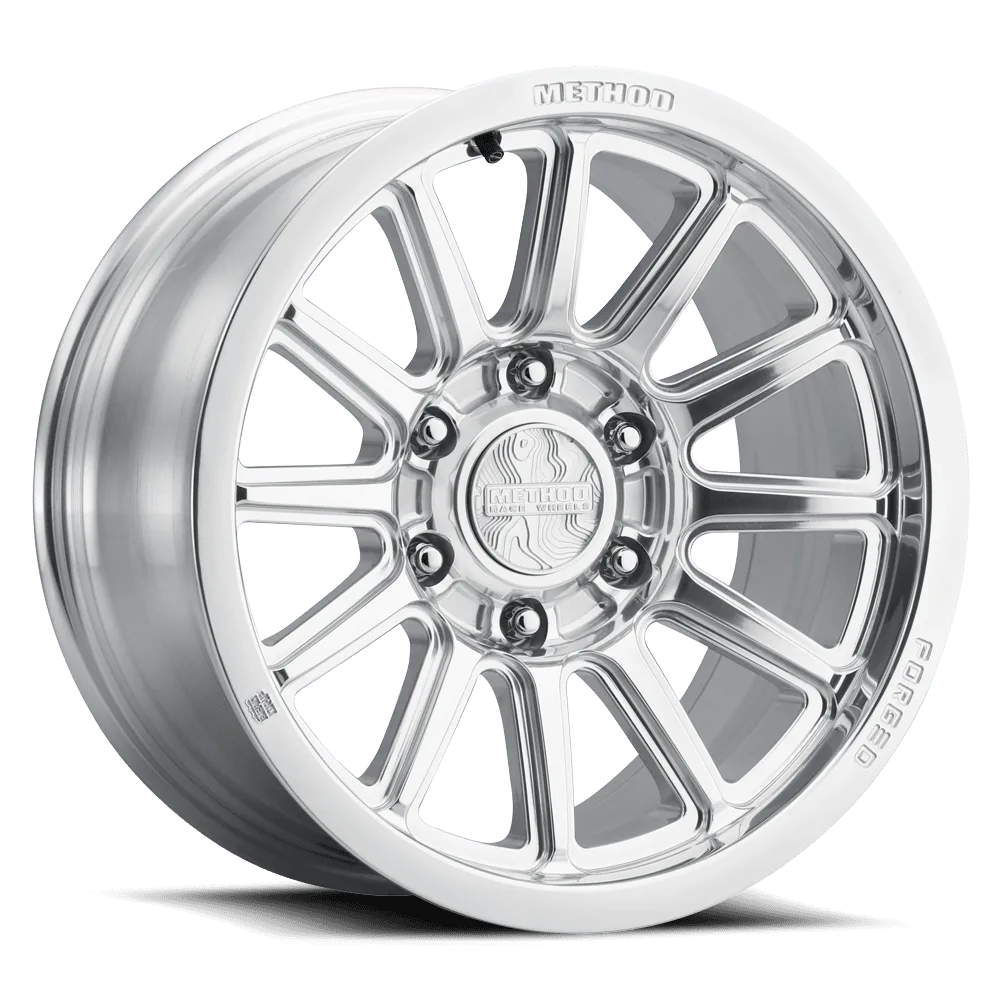
- 204 | Forged Bead Grip® | Machined - Polished: The 204 Forged Bead Grip Wheel combines forged aluminum strength with Bead Grip technology, offering a premium option for trucks. Forged construction reduces weight, which can offset the added stress of a wider stance, helping maintain steering response and reduce unsprung weight.
Who Should Choose Which Offset
Best For
- Drivers running 35-inch or larger tires who need extra clearance
- Rock crawlers who want a wider stance for stability on slopes
Not For
- Daily drivers who prioritize steering feel and fuel economy
- Stock-height trucks with limited fender clearance
