Quick Answer
To choose the right omega-3 supplement, first determine your primary goal—heart, brain, or skin health—then decide between fish oil and algae oil based on dietary preferences and purity. Look for a product with clear EPA and DHA amounts, and consider a reputable brand that offers third-party testing. For most beginners, a high-quality fish oil with at least 500 mg of combined EPA and DHA per serving is a solid starting point.
Omega-3 fatty acids are essential for heart, brain, and skin health, but with so many supplements on the market, choosing the right one can be overwhelming. This guide breaks down the key factors—type, dosage, form, and quality—so you can make an informed decision that fits your needs.
Whether you're looking to support your heart, boost brain function, or improve your skin, understanding the differences between fish oil and algae oil, and knowing what to look for on the label, will help you buy omega-3 with confidence.
Why Omega-3 Matters: The Key Benefits
Omega-3 fatty acids, particularly EPA and DHA, are known for their anti-inflammatory properties and their role in maintaining cell membrane health. Research suggests they support heart health by helping to maintain normal blood pressure and triglyceride levels, and they are also crucial for brain health, potentially improving memory and cognitive function. Additionally, omega-3s contribute to skin health, helping to maintain hydration and an even skin tone.
While the body can produce some omega-3s, it cannot make EPA and DHA in sufficient amounts, so they must come from your diet or supplements. Fish oil is the most common source, but algae oil offers a plant-based alternative. Understanding the benefits can help you identify which omega-3 supplement aligns with your health goals.
- Heart health: EPA and DHA help maintain healthy cholesterol levels and support cardiovascular function.
- Brain health: DHA is a major structural component of the brain, supporting memory and cognitive performance.
- Skin health: Omega-3s help keep skin hydrated and may reduce inflammation, promoting a more even skin tone.
Fish Oil vs. Algae Oil: Which Source Is Right for You?
Fish oil is derived from fatty fish like salmon, mackerel, and sardines. It is rich in both EPA and DHA, making it a potent source of omega-3s. However, fish oil can have a fishy aftertaste, and some people are concerned about contaminants like mercury. High-quality brands use molecular distillation to purify their oil, ensuring it is free from heavy metals and other pollutants.
Algae oil is a plant-based alternative that is also rich in DHA and EPA. It is an excellent choice for vegetarians and vegans, and it is generally free from ocean contaminants. Algae oil is also more sustainable, as it does not deplete fish populations. The trade-off is that algae oil can be more expensive, and some products may contain only DHA, so check the label to ensure it provides both EPA and DHA for comprehensive benefits.
- If you follow a plant-based diet, choose algae oil to ensure you get omega-3 without animal products.
- If you are concerned about purity, look for fish oil that is third-party tested for contaminants.
- For a budget-friendly option, fish oil is typically more affordable than algae oil.
Understanding Omega-3 Dosage: How Much Do You Need?
The recommended daily intake of omega-3s varies depending on your health goals. For general health, many organizations suggest at least 250–500 mg of combined EPA and DHA per day. For specific conditions like high triglycerides, higher doses (up to 2000 mg) may be recommended under medical supervision. Always check the supplement label to see the amount of EPA and DHA per serving, not just the total fish oil content.
When comparing products, look for the 'EPA and DHA' content, as this is the active form. Some supplements may list 'fish oil concentrate' but provide lower amounts of EPA and DHA. Also, consider the form of omega-3: triglycerides (natural) vs. ethyl esters (synthetic). Triglyceride forms are better absorbed, but they are often more expensive. Beginners can start with a moderate dose and adjust based on their needs.
- Start with a supplement that provides at least 500 mg of combined EPA and DHA per serving.
- If you have specific health concerns, consult your healthcare provider for a personalized dosage.
- Check the label for the actual EPA and DHA amounts, not just the total oil weight.
What to Look for in a Quality Omega-3 Supplement
Quality is paramount when choosing an omega-3 supplement. Look for brands that use molecularly distilled oil to ensure purity and remove contaminants. Third-party testing by organizations like USP or NSF provides additional assurance. Also, check for freshness: omega-3s can oxidize over time, reducing their effectiveness. Look for products that include antioxidants like vitamin E to prevent oxidation.
The form of the supplement matters too. Softgels are convenient and protect the oil from oxidation, but some people prefer liquid oils, which can be added to food. Consider your lifestyle and preferences. Additionally, some products are flavored to mask the fishy taste, but ensure that the flavoring does not add unnecessary sugars or artificial ingredients.
- Choose a supplement that is third-party tested for purity and potency.
- Opt for a product with added antioxidants to maintain freshness.
- Select a form (softgel or liquid) that fits your daily routine.
Decision Rules for Choosing an Omega-3 Supplement
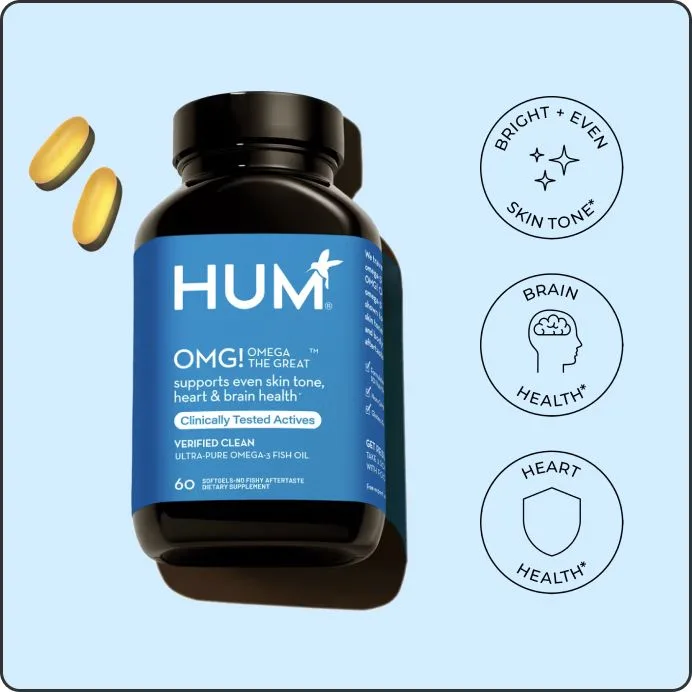
- Determine your primary health goal: If your focus is heart or brain health, opt for a supplement with both EPA and DHA. For skin health, look for omega-3s that support hydration and even tone, like OMG! Omega the Great. Match the supplement's benefits to your top priority.
- Choose your source: fish oil or algae oil: If you are vegetarian or vegan, choose algae oil. If you are not, fish oil is a cost-effective option with a long history of use. Ensure the source is purified and third-party tested. Your dietary preference and budget will guide this choice.
- Check the EPA and DHA content: Look for a supplement that provides at least 500 mg of combined EPA and DHA per serving. Avoid products that only list total fish oil without specifying EPA and DHA amounts. More EPA and DHA per serving means better value and efficacy.
Omega-3 Supplements at HUM Nutrition
- OMG! Omega the Great: Support an even skin tone, heart, and brain health with omega-3 supplements for skin. The high-quality fish oil provides omega-3 fatty acids with no fishy aftertaste. This product is ideal for those who want comprehensive omega-3 benefits without the unpleasant aftertaste, making it easier to stick to a daily routine.
- Pro ACV Gummies: Improve your gut health, metabolism, and digestion with our delicious and vegan Pro ACV Gummies. Infused with 100% organic apple cider vinegar, probiotics, and B12, each serving supports the body's natural detoxification and energy production. While not an omega-3 supplement, these gummies are a great addition to your wellness routine if you're also looking to support digestion and energy, complementing your omega-3 intake.
Who Should Choose What
Best for
- Beginners looking for a comprehensive fish oil supplement with no aftertaste: OMG! Omega the Great
- Those who want to support skin, heart, and brain health in one product
- People who prefer a simple softgel routine over liquid or gummy forms
Not for
- Vegans and vegetarians who need a plant-based omega-3 source (consider algae oil)
- Individuals who are allergic to fish or shellfish
- Those seeking a high-dose omega-3 for therapeutic purposes (consult a doctor)
Choosing the right omega-3 supplement doesn't have to be complicated. By focusing on your health goals, understanding the source, and checking the EPA/DHA content, you can find a high-quality product that fits your lifestyle. For a reliable fish oil option that supports your skin, heart, and brain, consider OMG! Omega the Great and start your journey to better health today.