Quick Answer
Choose a rod length that leaves enough room for your matte box, follow focus, and battery while keeping the rig as compact and light as possible. For most run-and-gun setups, 10-inch rods offer the best balance; longer 12-inch rods suit studio builds with more accessories, and shorter 6-inch rods work for minimal mirrorless rigs.
15 mm vs 19 mm: Which Diameter Do You Need?
Rod diameter determines compatibility with your camera cage and accessories. 15 mm rods are the standard for most mirrorless and compact cinema rigs—they're lighter and fit common follow focuses and matte boxes. 19 mm rods are thicker and stiffer, often used on heavier cinema cameras or when you need extra rigidity for long lens support.
Both SHAPE 15 mm and 19 mm rods support 15 mm or 19 mm rigging, so you can mix diameters if your accessories allow. But sticking to one diameter keeps your setup simpler and reduces the need for adapters.
Length Trade-Offs: Short, Medium, or Long
Shorter rods (6 inches) save weight and keep your rig compact, but they limit how far forward you can mount a matte box or follow focus. If you're using a small lens and a lightweight cage, 6-inch rods may be all you need.
Medium rods (10 inches) give you enough clearance for a matte box and follow focus without adding much bulk. They're the most versatile length for hybrid shooters who switch between handheld and tripod work.
Longer rods (12 inches) provide maximum support for heavy lens setups, but they extend past the back of your rig, which can snag on clothing or gear bags. They also add noticeable weight. Use them only when your accessory stack demands the extra length.
Decision Rules for Rod Length
- Measure Your Accessory Stack: Place your matte box, follow focus, and lens support on the rods you already have. Mark where each accessory sits. The rods must extend at least 1–2 inches past the furthest-forward accessory to allow for adjustments. If your current rods are too short, you'll see accessories hanging off the end with no room to slide them forward.
- Consider Your Rig's Weight and Balance: Longer rods shift weight forward, which can make a handheld rig feel nose-heavy. Shorter rods keep the center of gravity closer to the camera body. For gimbal use, shorter rods reduce inertia and make balancing easier.
- Check Your Cage and Bridge Plate Compatibility: Some cages and bridge plates have a minimum rod length requirement—usually 6 inches. If your cage uses a rod clamp that sits far back, a 6-inch rod may not leave enough forward clearance for a matte box. Always mock up the full setup before buying. When in doubt, choose 10-inch rods. They work with nearly every cage and give you room to grow.
Product Facts
-
SHAPE 15 mm Rods 6 inches: The SHAPE 15 mm Rods 6 inches is a pair of aluminum rods for 15 mm or 19 mm rigging, supporting lens, matte box, battery, and follow-focus accessories. At 6 inches, this set keeps your rig compact and light—ideal for minimal mirrorless builds where every ounce counts.
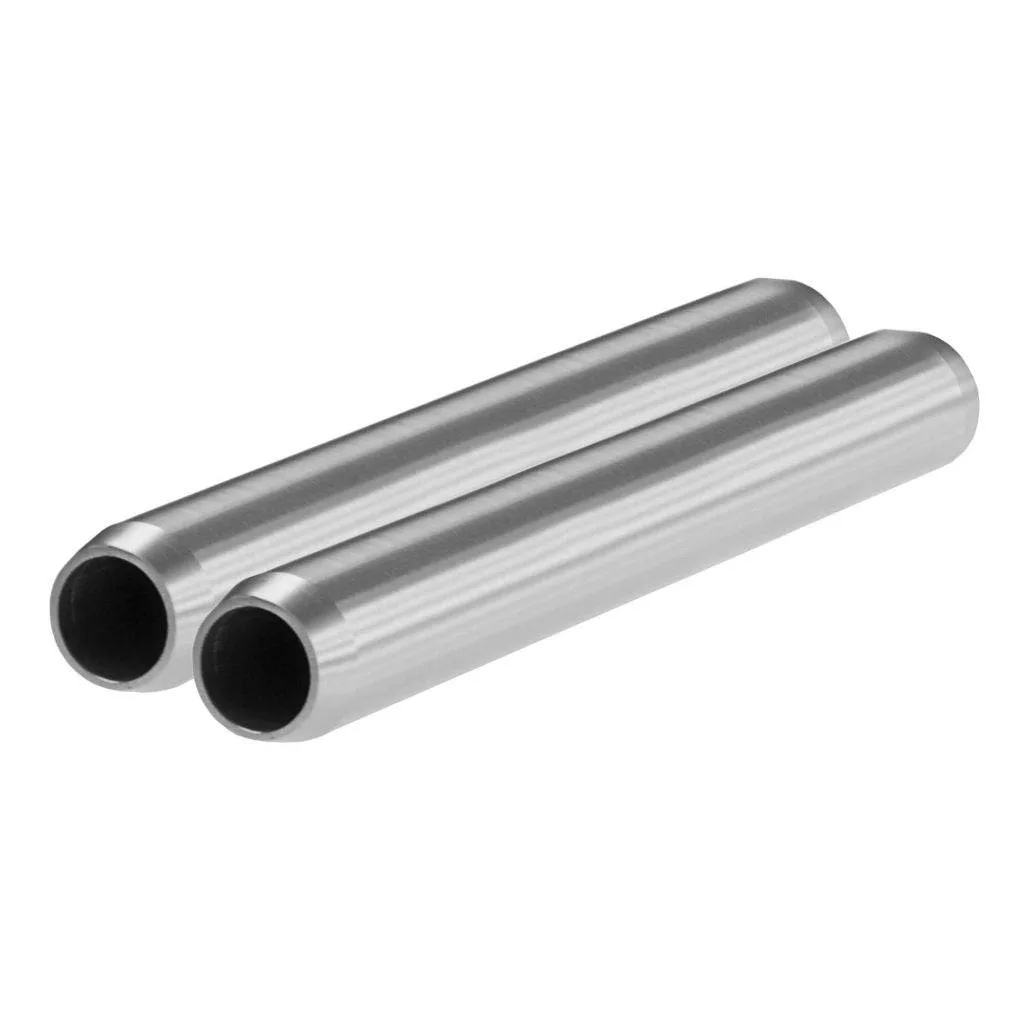
SHAPE 15 mm Rods 6 inches
-
SHAPE 15 mm Rods 12 inches: The SHAPE 15 mm Rods 12 inches is a pair of aluminum rods for 15 mm or 19 mm rigging, extending your rig to accommodate more accessories. The extra length gives you room to mount a matte box, follow focus, and battery plate without crowding, but adds weight and overhang.
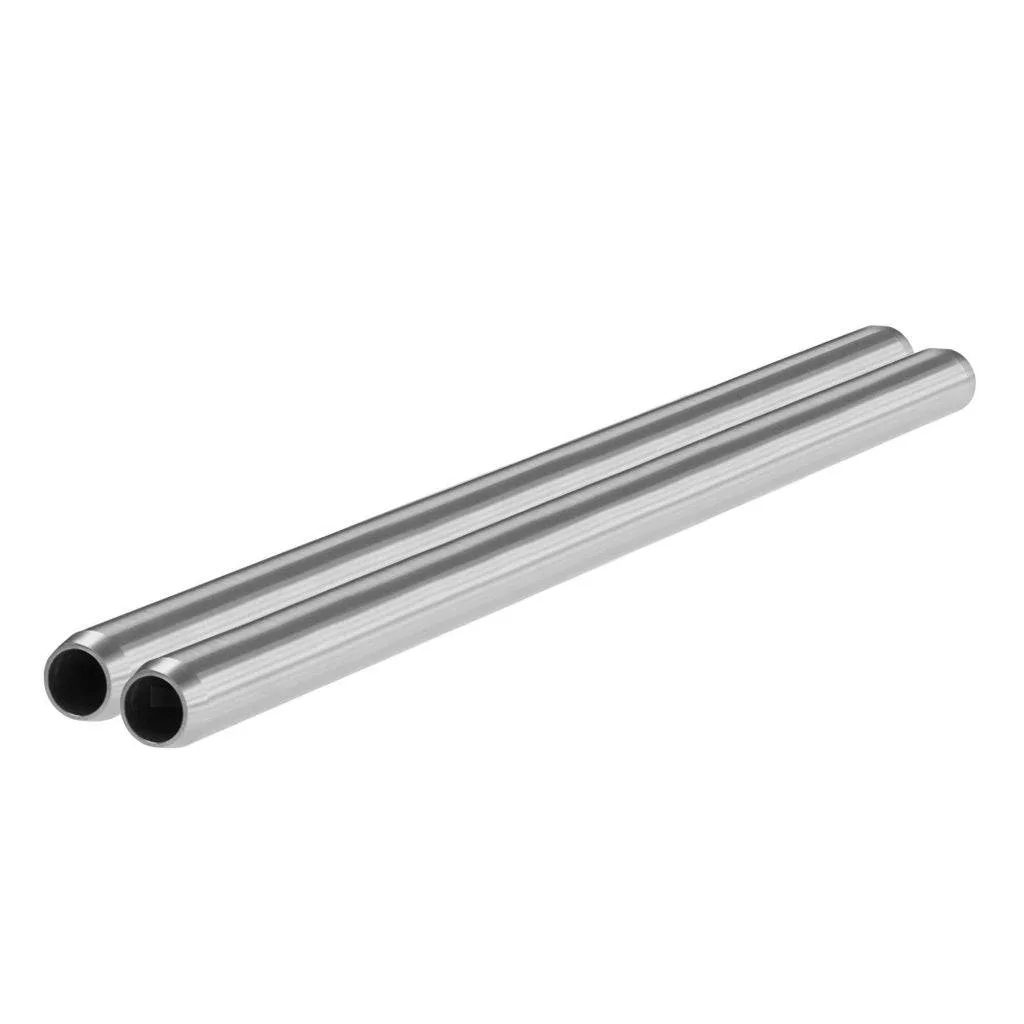
SHAPE 15 mm Rods 12 inches
Which Rod Length Fits Your Build?
Best for
- Minimal mirrorless or DSLR rigs with a single accessory (e.g., follow focus only) — choose 6-inch rods
- Hybrid shooters who need versatility for handheld, tripod, and gimbal — choose 10-inch rods
- Studio or cinema builds with matte box, follow focus, and lens support — choose 12-inch rods
Not for
- Heavy cinema lenses or long telephoto setups — 6-inch rods won't provide enough support; consider 12-inch or longer
- Ultra-compact travel rigs — 12-inch rods add unnecessary bulk and snag risk; stick with 6 or 10 inches