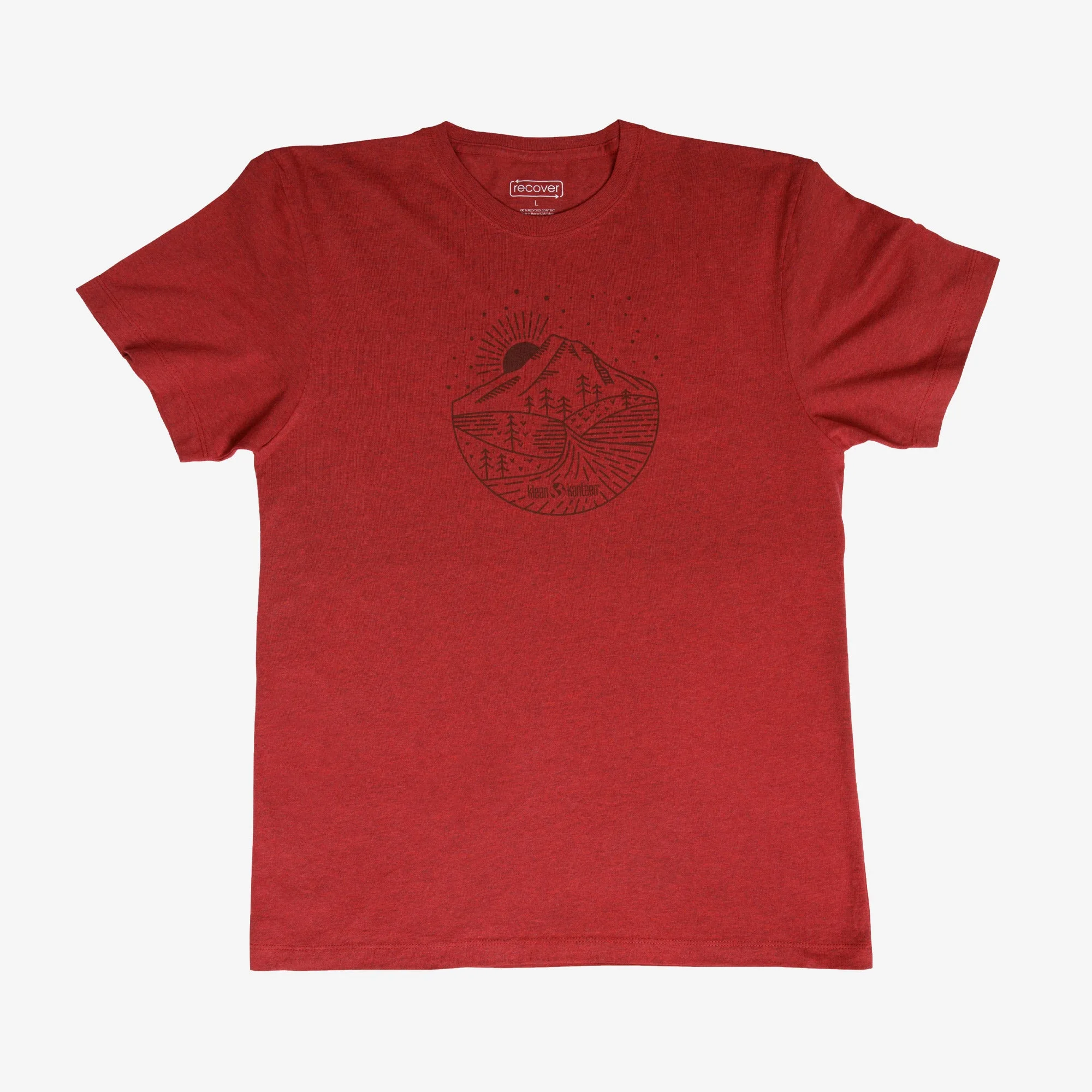
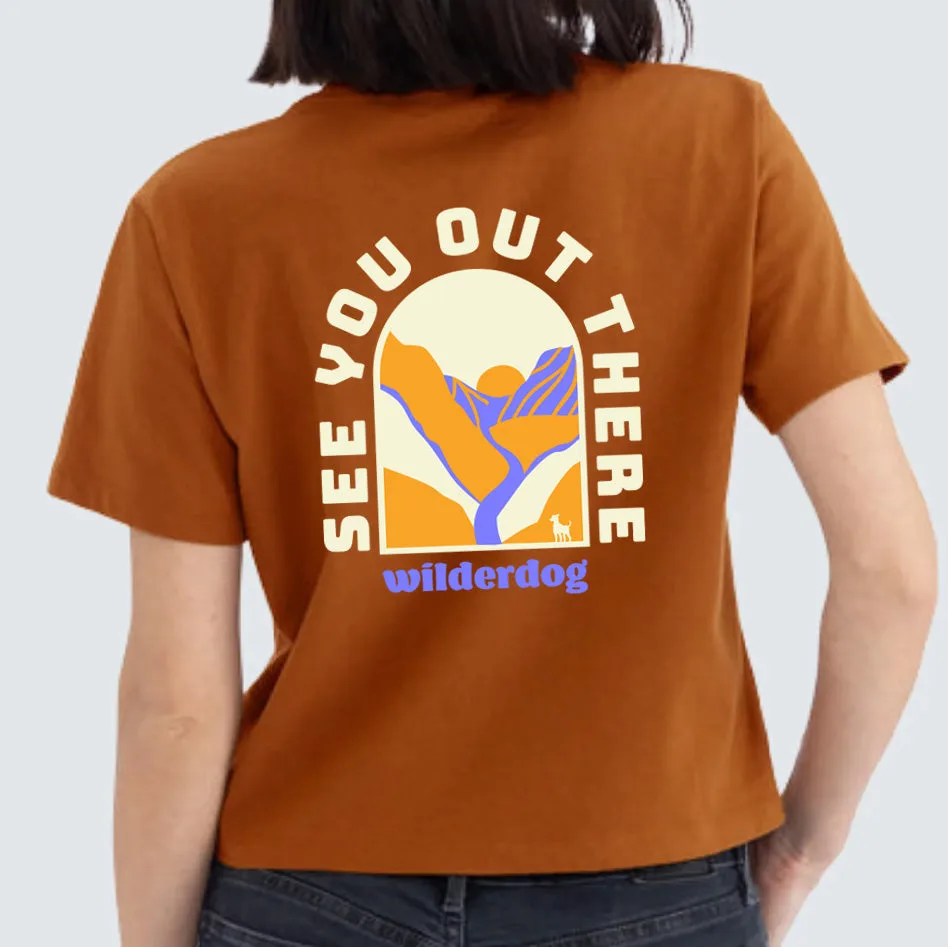
When you're heading into the backcountry, the shirt on your back is more than just a fashion statement—it's your first line of defense against the elements. Whether you're tackling a sun-exposed ridge, brushing through dense undergrowth, or layering up for a chilly alpine start, the right shirt can make the difference between a memorable adventure and a miserable one.
But with so many options—button-ups, tees, long sleeves, short sleeves, synthetic, wool, cotton—how do you choose? This outdoor shirt buying guide breaks down the key factors: fabric, fit, features, and intended use. By the end, you'll know exactly what to look for in the best shirt for hiking, camping, and everything in between.
Fabric Matters: The Foundation of Comfort
The fabric of your shirt determines how it handles moisture, temperature, and abrasion. For most outdoor activities, you'll want a moisture-wicking shirt that pulls sweat away from your skin and dries quickly. Synthetic materials like polyester and nylon excel here, as do merino wool blends, which offer natural odor resistance and temperature regulation.
Cotton, on the other hand, is a trap. It absorbs moisture, stays wet, and loses all insulating value when damp—a dangerous combination in cold or windy conditions. Save your cotton tees for camp lounging, not the trail. When comparing button up vs tee, consider the activity: a lightweight synthetic tee is great for high-output hiking, while a breathable button-up offers more coverage and ventilation options.
- Look for fabrics labeled 'quick-dry' or 'moisture-wicking'.
- Merino wool is excellent for multi-day trips due to its odor resistance.
- Avoid cotton for any activity where you'll sweat or encounter wet conditions.
Sun Protection: Long Sleeves and UPF Ratings
Prolonged sun exposure is a real risk on the trail, and a long sleeve shirt for sun protection is one of the simplest defenses. Many outdoor shirts come with a UPF (Ultraviolet Protection Factor) rating, with 50+ being the gold standard. A long-sleeve shirt with a high UPF rating can block over 98% of harmful UV rays, reducing the need for frequent sunscreen reapplication.
When choosing a sun-protective shirt, look for features like a collar that can be popped up to shield your neck, roll-up sleeves with button tabs, and breathable mesh underarm panels for ventilation. These details make a long sleeve shirt comfortable even in hot weather, as the fabric wicks moisture and allows airflow.
- Opt for UPF 50+ for maximum sun protection.
- Check for ventilation features like mesh panels or pit zips.
- A collar and roll-up sleeves add versatility.
Button-Up vs Tee: Choosing the Right Style
The classic debate: button-up or tee? For hiking and backpacking, both have their place. A moisture-wicking tee is lightweight, packable, and ideal for high-intensity activities. It moves with you and dries fast. However, a button-up shirt offers more versatility: you can unbutton it for ventilation, roll up the sleeves, and it often has chest pockets for quick-access items like a compass or lip balm.
For bushwhacking or fishing, a button-up with a durable fabric like nylon or a cotton-poly blend provides better abrasion resistance and sun coverage. Many outdoor enthusiasts carry both: a tee for the climb, a button-up for camp or town. When deciding, consider the primary activity and the conditions you expect.
- Tees are best for high-output activities and layering.
- Button-ups offer ventilation, pockets, and sun protection.
- Consider a hybrid approach: carry both for different phases of your trip.
Fit and Features: What to Look For
Fit is crucial for comfort and performance. A shirt that's too tight restricts movement and traps heat; one that's too loose can snag on branches or bunch up under a pack. Look for an athletic or regular fit that allows a full range of motion, especially in the shoulders and arms. Articulated sleeves and gusseted underarms are signs of a well-designed outdoor shirt.
Other features to consider: chest pockets with secure closures (like zippers or buttons), adjustable cuffs, and a longer tail that stays tucked in when you bend or reach. Some shirts also have a drop hem or a drawcord at the waist for a custom fit. Pay attention to seam construction—flatlock seams reduce chafing when you're wearing a pack.
- Test the range of motion by reaching overhead and across your body.
- Look for flatlock seams to prevent chafing.
- Secure pockets are essential for stashing small gear.
Layering: The Key to Temperature Control
The best outdoor shirt is one that works as part of a layering system. In cooler weather, a moisture-wicking base layer (like a long sleeve shirt) sits next to your skin, a mid-layer (such as a fleece or down hoodie) traps heat, and a shell protects from wind and rain. Your shirt should be slim enough to layer without bulk but not so tight that it compresses your insulation.
For warmer months, a lightweight shirt can be your only layer, but it should still wick moisture and offer sun protection. When temperatures fluctuate, a button-up that you can open or a tee that you can swap for a long sleeve as the day cools is ideal. Remember, layering is about adaptability—choose shirts that transition well.
- Your shirt should fit comfortably under a mid-layer or shell.
- Consider a zip-neck for extra ventilation.
- Test your layering system at home before hitting the trail.
Choosing the right outdoor shirt comes down to matching fabric, style, and features to your specific adventures. Prioritize moisture-wicking materials, sun protection, and a fit that allows freedom of movement. Whether you prefer the simplicity of a tee or the versatility of a button-up, the perfect shirt is out there. For a great starting point, check out the Helios Shirt - Shell Gray, designed with performance and comfort in mind.
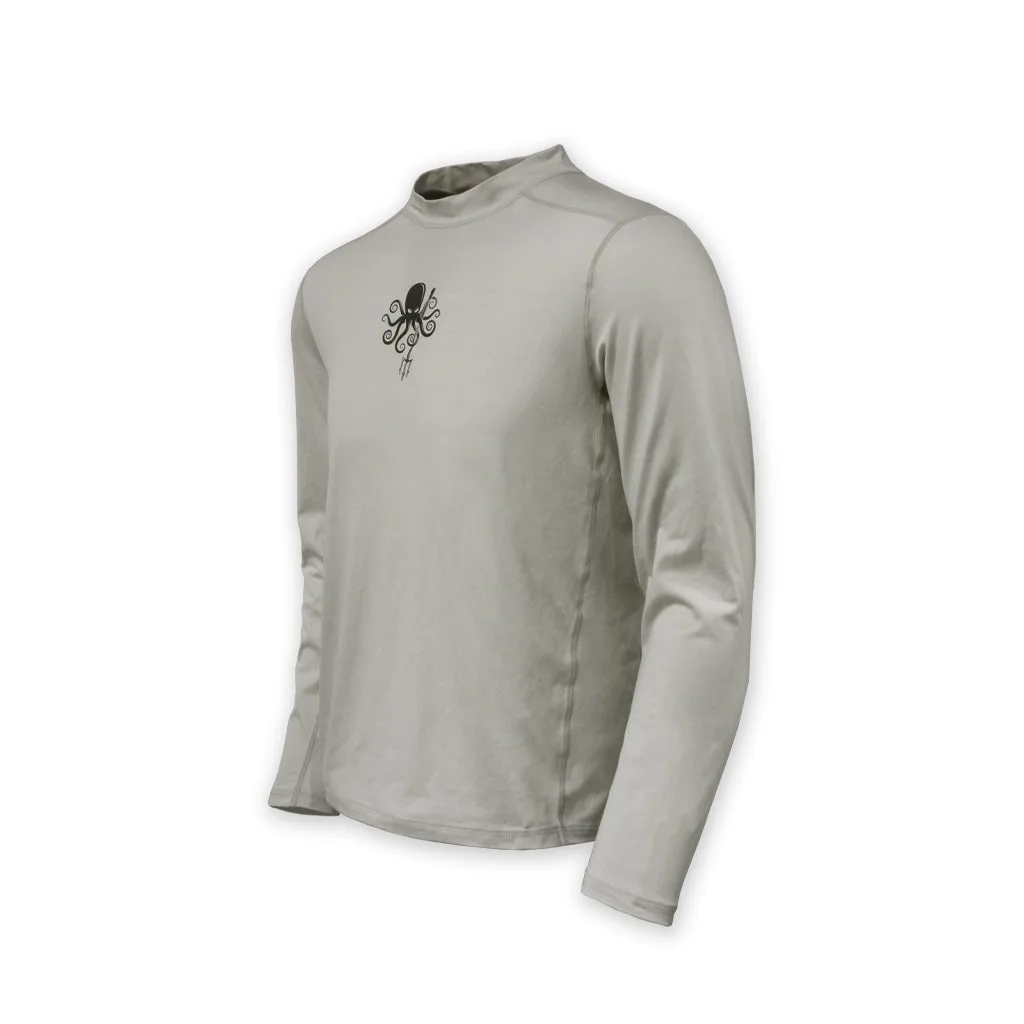
Helios Shirt - Shell Gray