If your cat devours meals in seconds, you've probably considered a slow feeder. These specially designed bowls feature obstacles that force your feline to eat at a healthier pace, reducing vomiting, bloating, and obesity risks. But with so many options available, how do you choose the right size? Getting the size wrong can make the feeder frustrating or ineffective, so it's essential to match it to your cat's unique needs.
In this guide, we'll walk you through the key factors to consider when selecting a cat slow feeder size, from your cat's breed and eating habits to the dimensions of the bowl itself. By the end, you'll know exactly what to look for to make mealtime safer and more enjoyable for your furry friend.
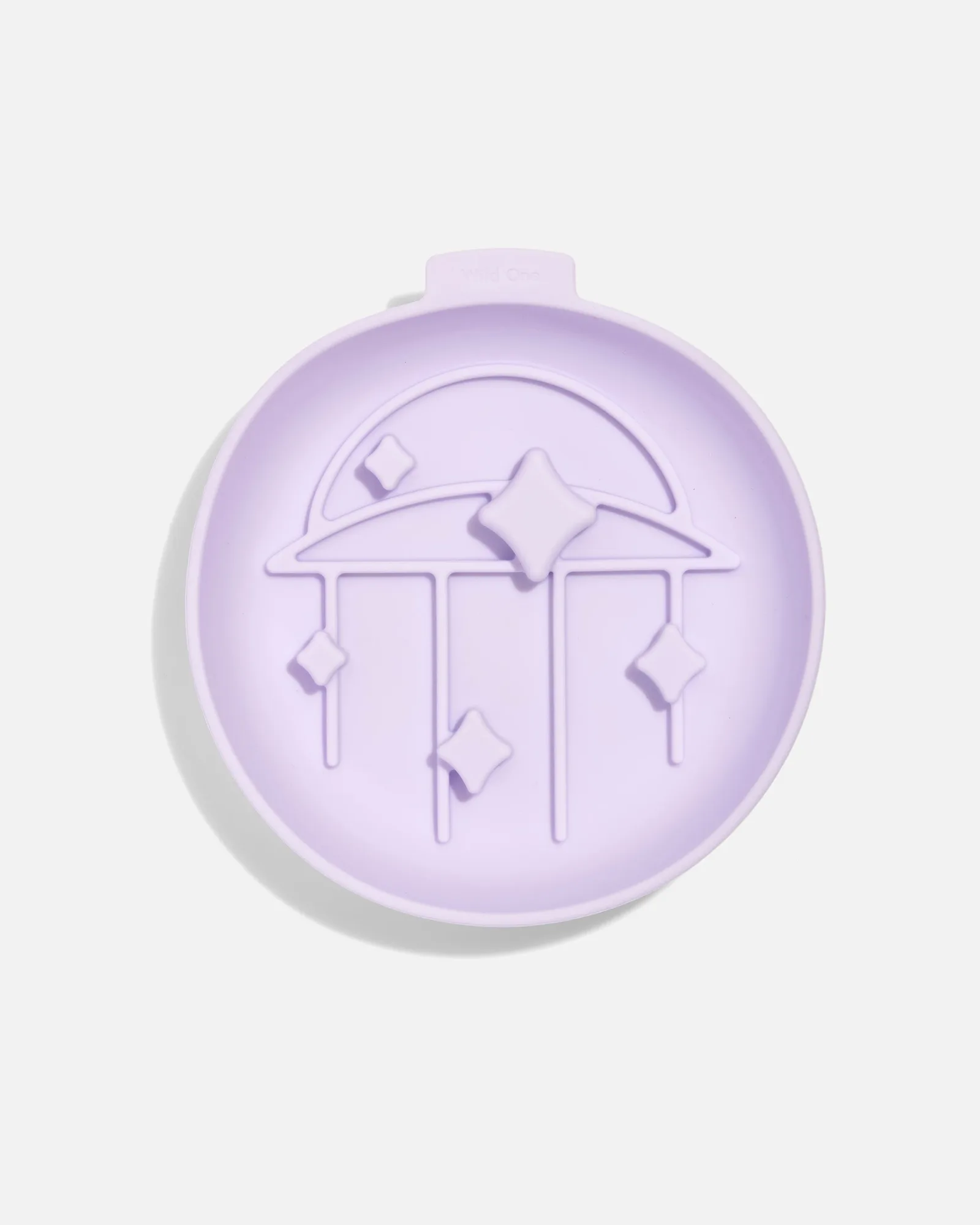
cat slow feeder
Why Size Matters in a Cat Slow Feeder
The primary goal of a slow feeder is to slow down your cat's eating, but if the bowl is too small, your cat may struggle to reach the food, causing frustration. Conversely, a feeder that's too large can make it too easy for your cat to gulp food from the edges, defeating the purpose. The right size ensures that your cat must work around the obstacles to get each bite, extending mealtime without causing stress.
Additionally, a properly sized feeder accommodates your cat's whiskers. Cats have sensitive whiskers that they dislike having bent or touched while eating. A bowl that's too narrow can cause 'whisker fatigue,' making your cat reluctant to eat. Therefore, the diameter and depth of the feeder should allow your cat's whiskers to stay comfortably clear of the sides.
- Measure your cat's whisker span (from left to right whisker tips) to ensure the bowl is wider than that length.
- Watch your cat's eating posture: if they have to crouch too low or stretch too much, the feeder may be the wrong height.
Consider Your Cat's Breed and Size
Cats come in all shapes and sizes, from petite Singapuras to large Maine Coons. A slow feeder that works for a small cat may be too small for a larger breed. For instance, a Maine Coon's paws and face are much bigger, so they need a feeder with larger compartments and shallower obstacles to comfortably access the food. On the other hand, a smaller breed like a Devon Rex may do better with a more compact feeder that doesn't require them to stretch too far.
If you have a kitten, you'll need to consider that they will grow. While a small feeder might be suitable now, you may need to upgrade as they mature. Some feeders are adjustable or come in multiple sizes, so you can start with a smaller size and move up. Alternatively, you can choose a medium-sized feeder that will accommodate your kitten as they grow, as long as the obstacles are not too challenging for their small paws.
- For large breeds, look for slow feeders with wider compartments and lower walls.
- For kittens, start with a shallow, small feeder and monitor their progress.
Evaluate Your Cat's Eating Habits
Every cat has a unique eating style. Some cats are aggressive gulpers, while others are more methodical. For a heavy gulp, you'll need a feeder with more intricate obstacles and a larger size to ensure they can't simply vacuum up the food. For a cat that eats moderately fast, a simpler design with fewer obstacles might be sufficient.
If your cat tends to flip their bowl or push it around, look for a slow feeder with a non-slip base or a heavier material. Some feeders are designed to be tip-proof, which is essential for active eaters. Also, consider the type of food you're using: wet food requires a different feeder design than dry kibble. For wet food, a feeder with wider, shallow pockets is easier to clean and allows your cat to lick the food out, while for dry food, deeper obstacles can slow down your cat more effectively.
- Observe your cat's eating speed for a few days to determine how challenging the feeder should be.
- If your cat gets frustrated easily, start with a gentle feeder and gradually increase the difficulty.
Measuring Your Cat for a Slow Feeder
To find the perfect size, you'll need to take a few simple measurements. First, measure the width of your cat's face at the widest point, typically across the cheeks. This will help you determine the minimum diameter of the bowl. Add a couple of inches to allow for whisker clearance. Next, measure the distance from your cat's nose to the top of their head; this will help you gauge the depth of the feeder. The feeder should be shallow enough that your cat can easily reach the bottom without pressing their face against the sides.
Also, consider the height of the feeder. If your cat is older or has arthritis, a raised feeder can reduce neck strain. Some slow feeders come with stands or are designed to be elevated. If not, you can place the feeder on a raised platform to make it more comfortable for your cat.
- Use a flexible measuring tape to measure your cat's face width and nose-to-head distance.
- Add 1-2 inches to the face width measurement to ensure whisker comfort.
Common Sizes and What to Look For
Cat slow feeders generally come in small, medium, and large sizes. Small feeders are ideal for kittens and small adult cats (under 8 pounds). They typically have a diameter of around 4-5 inches and shallow compartments. Medium feeders are suitable for most adult cats (8-12 pounds) and have a diameter of 6-7 inches. Large feeders are designed for big breeds like Maine Coons (over 12 pounds) and have a diameter of 8 inches or more, with deeper compartments.
When browsing options, pay attention to the product dimensions and compare them to your cat's measurements. Some brands provide guidelines based on weight, but these are not always accurate. Always measure your cat and read reviews from other owners with similar breeds to ensure the size is appropriate. Additionally, consider the material: ceramic and stainless steel are durable and easy to clean, while plastic is lightweight but may harbor bacteria if scratched.
- Check the product's diameter and depth to ensure they match your cat's measurements.
- Look for feeders with non-slip bases if your cat is a messy eater.
Top Features to Consider in a Cat Slow Feeder
Beyond size, there are several features that can enhance your cat's slow feeding experience. A non-slip base is crucial to prevent the bowl from sliding across the floor as your cat eats. Some feeders have suction cups or rubber grips for added stability. Also, consider the ease of cleaning: a feeder with smooth surfaces and no hard-to-reach crevices will be easier to wash, which is important for hygiene.
The design of the obstacles also matters. Some feeders have maze-like patterns, while others have raised bumps or ridges. Choose a design that matches your cat's skill level. For beginners, a simple pattern with wide spaces is best. As your cat gets used to it, you can move to a more challenging design to further slow down their eating. Additionally, some feeders are dishwasher-safe, making cleanup a breeze.
- Opt for a feeder that is dishwasher-safe for easy cleaning.
- Start with a simple maze design and upgrade to a more complex one as your cat adapts.
How to Transition Your Cat to a New Slow Feeder
Introducing a slow feeder can be a big change for your cat. To make the transition smooth, start by placing a few treats or a small amount of their favorite food in the feeder to encourage exploration. Let them sniff and investigate the new bowl for a day or two before using it for a full meal. You can also place the slow feeder next to their regular bowl so they get used to its presence.
When you first use the slow feeder, fill it with a smaller portion than usual to avoid overwhelming your cat. Some cats may get frustrated and try to flip the bowl or meow in protest. If this happens, try a feeder with a simpler design or offer a few pieces of food outside the feeder to help them understand that food is available. With patience and positive reinforcement, most cats adapt within a few days.
- Place treats in the slow feeder to create a positive association.
- Monitor your cat's progress and adjust the difficulty level as needed.
Choosing the right cat slow feeder size is essential for your cat's health and happiness. By considering your cat's breed, eating habits, and measurements, you can find a feeder that slows down mealtime without causing frustration. Remember to start with a simple design and gradually increase the challenge as your cat gets used to it. With the right slow feeder, you'll help your cat eat at a healthier pace, reducing the risk of digestive issues and obesity.