Start with the event and the meal
When you're choosing large plates for a party, the first decision isn't the pattern—it's the size and material. A plate that works for a sit-down dinner may feel flimsy for a buffet, and a Christmas-themed plate might clash with a neutral wedding reception. This guide helps you match plate dimensions and style to your actual event, using two real examples from the Party Delights catalog.
Two plate options at a glance
-
Silver Wreath Merry Christmas Paper Plates - 25cm (8pk): Silver Wreath Merry Christmas Paper Plates – 25cm (8pk). Each pack contains 8 paper plates measuring 25cm in diameter. 25cm is a standard dinner plate size, suitable for main courses. The paper material makes it lightweight and disposable, ideal for casual or festive gatherings.
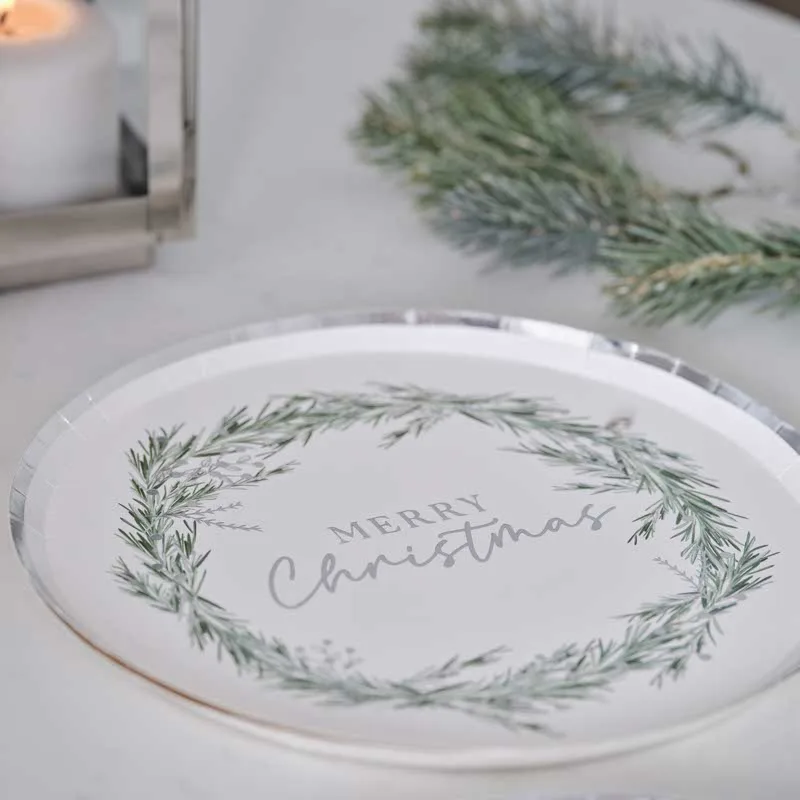
Silver Wreath Merry Christmas Paper Plates - 25cm (8pk)
-
White with Silver Trim Plastic Plates - 30cm: White with Silver Trim Plastic Plates – 30cm. These white plastic plates with silver trim are a practical choice for parties and celebrations. 30cm size. Brand: Amscan. 30cm is a larger dinner plate, offering more surface area for hearty servings. The plastic construction is sturdier than paper, so it holds up well with heavier foods and is reusable if handled carefully.
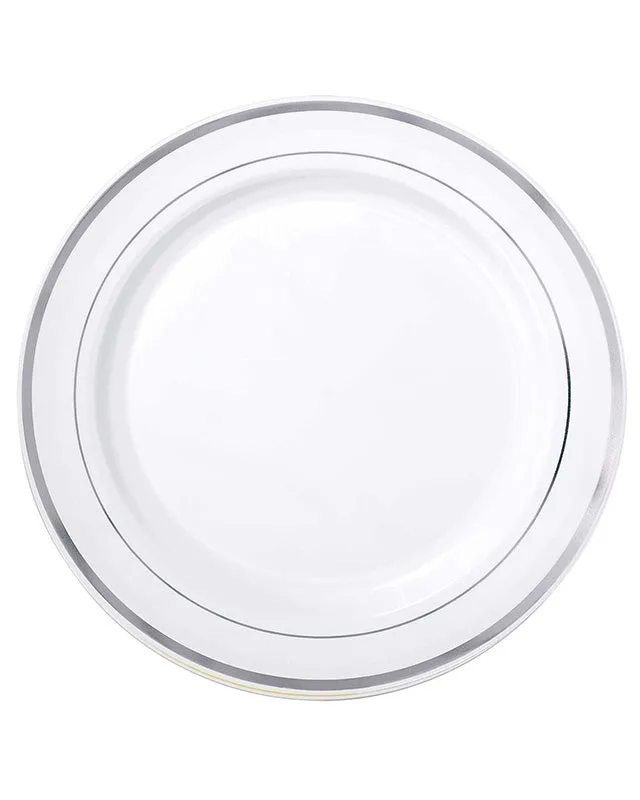
White with Silver Trim Plastic Plates - 30cm
Size matters: 25cm vs 30cm
The difference between 25cm and 30cm may seem small, but it changes how much food the plate can hold and how it fits on a table. A 25cm paper plate is typical for a standard dinner portion—think a slice of quiche, salad, and a side. A 30cm plastic plate gives you extra room for larger mains or multiple courses on one plate, which is useful for buffets or BBQ-style events where guests load up.
Consider your table size and guest count. Larger plates take up more surface area, so a 30cm plate may not fit as many place settings on a small table. If you're serving finger food or desserts, 25cm is often plenty.
Material: paper vs plastic
Paper plates are lightweight and disposable, making cleanup fast. They're best for casual parties, kids' events, or occasions where you don't want to worry about washing up. The Silver Wreath Merry Christmas Paper Plates are a good example—they're designed for a single use and add a festive touch without the weight of ceramic.
Plastic plates are more durable and can be washed and reused if you're careful. The White with Silver Trim Plastic Plates are sturdier, so they're a better choice for adults' parties, buffets, or events where food might be heavier or saucier. They also feel more substantial in hand, which can matter for formal or semi-formal celebrations.
Theme matching: Christmas vs all-occasion
The Silver Wreath Merry Christmas Paper Plates come with a seasonal design—silver wreath pattern on a Christmas theme. These are perfect for holiday parties, Christmas dinners, or festive buffets. Because the design is specific, they won't suit a birthday party in spring or a baby shower. Stick with them only when the event calls for Christmas decor.
The White with Silver Trim Plastic Plates have a neutral white surface with a silver border. This design works for a wide range of occasions: birthdays, adult parties, anniversaries, or even formal dinners. The catalog notes they are suitable for parties and celebrations generally, so you can use them across multiple events without worrying about theme clash.
Practical checks before you order
Count your guests and check how many plates you need per person. The paper plates come in packs of 8, so for a party of 16 you'd need two packs. The plastic plates are sold individually (check the pack size in the listing), so you can buy exactly the number you need.
If you're serving hot food, consider whether the plate material can handle heat. The supplied records don't specify temperature limits for either product, so for very hot dishes, plastic is generally more heat-resistant than thin paper. For cold or room-temperature food, both work fine.
Finally, think about cleanup. Paper plates can be thrown away after use, while plastic plates can be wiped or rinsed and reused. If you're hosting a large event with limited washing facilities, paper may be more practical. If you want a more durable option that looks nicer on the table, plastic is the better investment.