Chemical exfoliation with AHAs (alpha hydroxy acids) and BHAs (beta hydroxy acids) has become a cornerstone of modern skincare. These acids work by dissolving the bonds between dead skin cells, revealing a smoother, brighter complexion. However, choosing the right strength—measured as a percentage concentration—is critical to achieving results without irritation or damage.
Whether you are new to chemical peels or looking to upgrade your at-home exfoliation routine, understanding AHA and BHA strength levels will help you tailor your treatment to your skin type, sensitivity, and goals. This guide breaks down how to match concentration to your needs, what to expect at each level, and how to incorporate products like the Ultimate Brightening Peeling Gel or The Marvelous Mask Collection into your regimen safely.
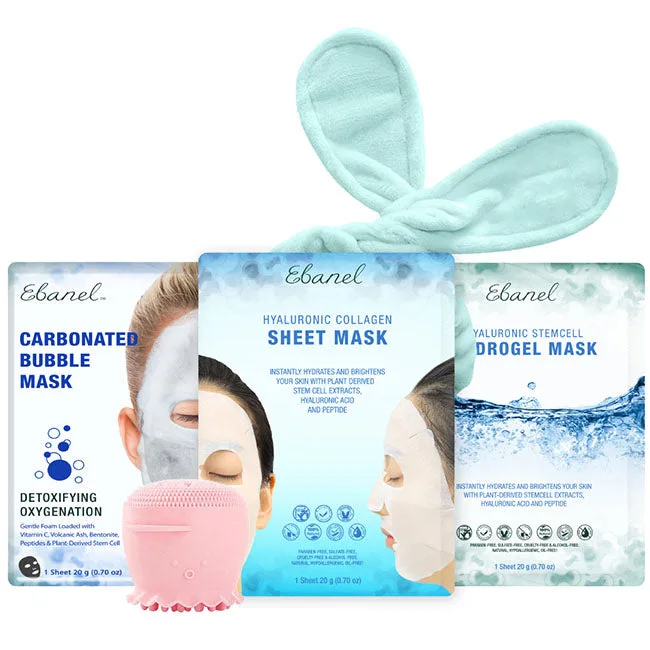
The Marvelous Mask Collection
Understanding AHA vs. BHA: Which Acid Is Right for You?
AHAs, such as glycolic and lactic acid, are water-soluble and work on the skin's surface. They are ideal for addressing uneven texture, fine lines, sun damage, and dullness. Common concentrations range from 5% to 30% in at-home peels. Lower percentages (5–10%) are suitable for daily or weekly use, while higher concentrations (20–30%) are reserved for periodic peels with short contact times.
BHAs, primarily salicylic acid, are oil-soluble and penetrate deeper into pores. They are excellent for oily, acne-prone skin and help reduce blackheads, whiteheads, and inflammation. At-home BHA peels typically range from 1% to 2% for leave-on products and up to 30% for short-contact peels. If you have combination or sensitive skin, start with a lower BHA concentration and gradually increase as tolerated.
- Choose AHA for surface concerns like uneven tone, fine lines, and dullness.
- Choose BHA for pore congestion, acne, and oily skin.
- Combination formulas (AHA + BHA) can address multiple concerns but require careful strength matching.
Decoding Chemical Peel Concentrations: Mild, Moderate, and Strong
At-home chemical peels are generally categorized by their strength. Mild peels (AHA 5–10% or BHA 1–2%) are safe for beginners and can be used several times per week. They provide gentle exfoliation with minimal downtime. Moderate peels (AHA 15–20% or BHA 2–10%) offer more visible results but may cause temporary redness or flaking. Strong at-home peels (AHA 25–30% or BHA 20–30%) should only be used by experienced users and require strict adherence to contact time and neutralizing steps.
Your skin type and tolerance should guide your choice. For example, dry or sensitive skin responds best to lower AHA concentrations with hydrating ingredients like lactic acid. Oily, resilient skin can often tolerate higher BHA percentages. Always perform a patch test before applying any new peel to your face, and never exceed the recommended contact time listed on the product label.
- Mild: AHA 5–10% or BHA 1–2% – beginner-friendly, minimal irritation.
- Moderate: AHA 15–20% or BHA 2–10% – noticeable results, possible peeling.
- Strong: AHA 25–30% or BHA 20–30% – advanced, requires caution.
How to Match Peel Strength to Your Skin Concerns
If your primary concern is fine lines and uneven texture, a low to moderate AHA peel (10–15% glycolic acid) used weekly can stimulate collagen production and improve smoothness. For hyperpigmentation, higher AHA concentrations (20–30%) applied as a short-contact peel every two weeks may accelerate fading. Meanwhile, acne and clogged pores respond best to BHA peels in the 2–10% range, applied once or twice weekly depending on tolerance.
For those with combination skin or multiple concerns, alternating between an AHA and BHA peel on different nights can be effective. However, it is crucial not to layer strong AHAs and BHAs in the same routine without proper buffering or pH balancing. Products like the Ultimate Brightening Peeling Gel offer a gentle, non-irritating way to exfoliate without the harshness of high-concentration acids, making them a great starting point for beginners.
- Fine lines and texture: Start with AHA 10–15%.
- Hyperpigmentation: Consider AHA 20–30% short-contact peels.
- Acne and congestion: Use BHA 2–10% up to twice weekly.
Safe Usage Tips for At-Home Chemical Peels
Regardless of the strength you choose, safety should always come first. Begin with the lowest effective concentration and gradually increase as your skin builds tolerance. Always apply the peel to clean, dry skin and use a timer to ensure you do not exceed the recommended contact time. After rinsing with cool water, follow up with a soothing moisturizer and broad-spectrum sunscreen the next day, as exfoliated skin is more susceptible to UV damage.
Avoid using other active ingredients (retinoids, benzoyl peroxide, or other acids) on the same day as your peel. If you experience stinging, redness, or peeling, scale back frequency or switch to a milder formula. Incorporating a hydrating mask from The Marvelous Mask Collection can help calm and replenish your skin post-peel, supporting recovery and enhancing your glow.
- Always patch test 24 hours before full application.
- Use a timer and never exceed the recommended contact time.
- Apply sunscreen daily after peeling to protect new skin.
Choosing the right AHA or BHA strength is a personal journey that depends on your skin type, concerns, and experience level. Start low, go slow, and listen to your skin's feedback. For a gentle yet effective introduction to chemical exfoliation, explore the Ultimate Brightening Peeling Gel from Ebanel Skincare — it offers a balanced approach to revealing a smoother, more radiant complexion without the guesswork.