Quick Answer
To choose the right tactical hat, first match the material to your activity: breathable cotton or nylon for hot weather, water-resistant synthetics for wet conditions, and durable fabrics like ripstop for rough use. Then prioritize fit—adjustable closures like hook-and-loop or snapback allow a secure, customized fit—and consider features like moisture-wicking sweatbands, ventilation, and brim style. For most outdoor activities, a mid-weight, adjustable tactical hat with a moisture-wicking band offers the best balance of comfort and durability.
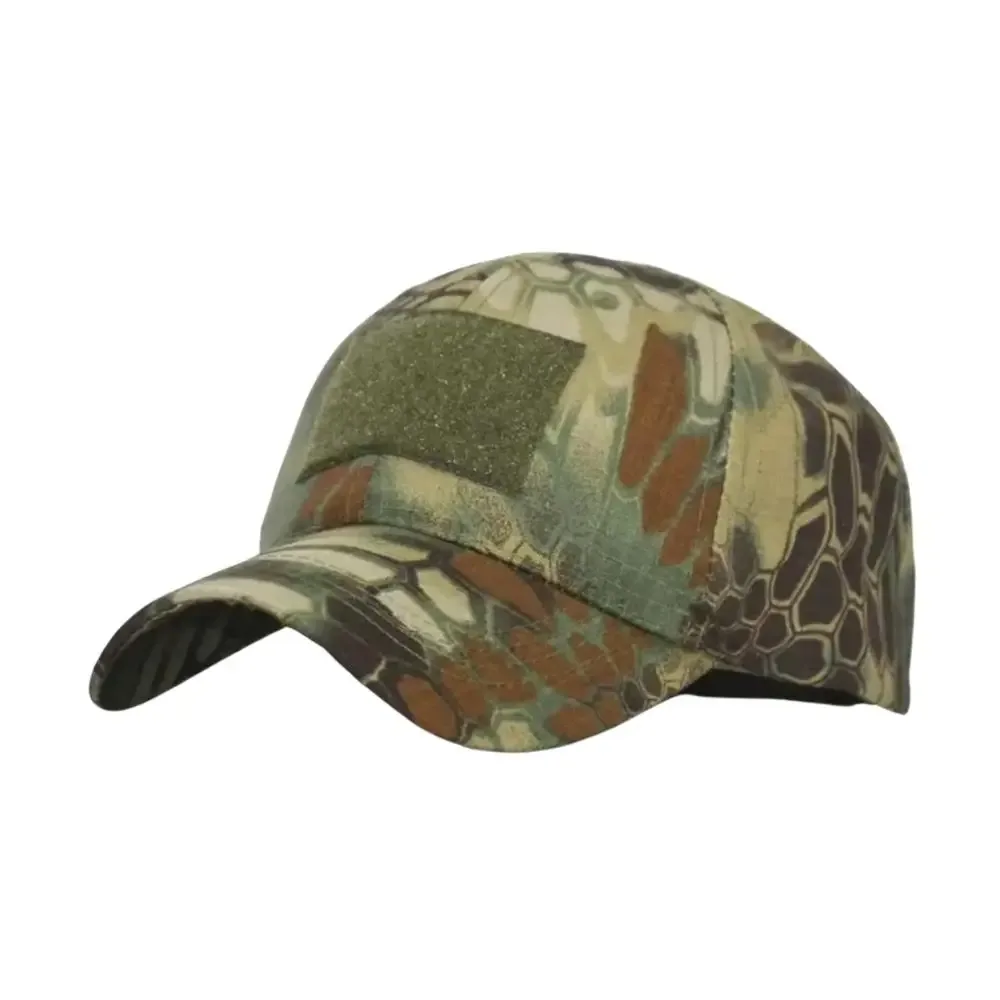
tactical hat
When you're out on the trail, at the range, or just running errands, the right hat does more than shield your eyes. A tactical hat is built to handle rough conditions, stay put during movement, and keep you comfortable over long hours. But with so many options, how do you know which one fits your outdoor routine?
This guide breaks down the key factors—material, fit, and features—so you can choose a tactical hat that works for your specific activities, whether that's hiking, shooting, or everyday carry (EDC).
Material Matters: Match the Fabric to Your Activity
The material of a tactical hat determines how it performs in different conditions. Cotton is breathable and comfortable in mild weather but absorbs sweat and dries slowly. Nylon and polyester are lightweight, quick-drying, and often water-resistant, making them better for humid or wet environments. Ripstop fabrics add durability against snags and tears, ideal for brushy trails or rugged use.
For hot and sunny days, look for a hat with mesh panels or ventilation holes to let heat escape. In cooler or wet conditions, a water-resistant or treated fabric helps keep your head dry. Consider the climate and intensity of your activity: a heavy wool or insulated hat suits cold-weather missions, while a lightweight, breathable cap works for summer hikes.
- Cotton: breathable but slow to dry—best for dry, mild weather.
- Nylon/polyester: quick-drying and often water-resistant—good for active use.
- Ripstop: reinforced for durability—ideal for rough terrain.
Fit and Adjustability: Get a Hat That Stays Put
A tactical hat that doesn't fit well will shift, slide, or cause headaches during activity. Look for adjustable closures—hook-and-loop, snapback, or strap-back—that let you fine-tune the fit. A snug but comfortable fit ensures the hat stays in place when you're moving, bending, or looking down.
Consider the crown depth: a deeper crown fits better for those with larger heads or longer hair, while a shallow crown suits smaller heads. Also, check the brim: a curved brim offers better sun protection and a classic look, while a flat brim provides a more modern style and can be easier to tuck into gear. Try the hat on with the gear you'll wear, such as headphones or a headlamp, to ensure compatibility.
- Adjustable closures: hook-and-loop, snapback, or strap-back for a customized fit.
- Crown depth: deeper for larger heads or longer hair, shallower for smaller heads.
- Brim style: curved for sun protection, flat for a modern look and gear compatibility.
Key Features to Look For
Beyond material and fit, specific features can make a tactical hat more functional. A moisture-wicking sweatband keeps sweat out of your eyes during intense activity. Ventilation ports or mesh panels increase airflow, reducing heat buildup. Some hats include a loop or patch area for attaching morale patches or identification, which is common in tactical settings.
Also consider the brim length and stiffness: a longer, stiffer brim offers better sun protection, while a softer brim can be folded for storage. If you'll be wearing the hat under a helmet or headset, look for a low-profile design that doesn't interfere. Weigh these features against your primary use—a shooter might prioritize a patch panel and sweatband, while a hiker might value ventilation and a packable design.
- Moisture-wicking sweatband: keeps sweat away from eyes.
- Ventilation: mesh panels or ports for airflow.
- Patch panel: for attaching patches or identification.
- Low-profile: fits under helmets or headsets.
Decision Rules for Choosing a Tactical Hat
- Match material to conditions: If you're active in hot, dry weather, choose cotton for breathability. For humid or wet conditions, opt for nylon or polyester that dries quickly. For rough terrain, pick ripstop for durability. Material choice directly impacts comfort and longevity.
- Prioritize adjustable fit: Look for hook-and-loop, snapback, or strap-back closures to fine-tune the fit. Ensure the hat stays secure during movement. A secure fit prevents distractions and discomfort.
- Select features based on activity: For hot weather, choose ventilation and a moisture-wicking sweatband. For tactical use, consider a patch panel and low-profile design. For hiking, prioritize packability and sun protection. Features should serve your primary activity, not just look cool.
Related Gear to Complete Your Outdoor Setup
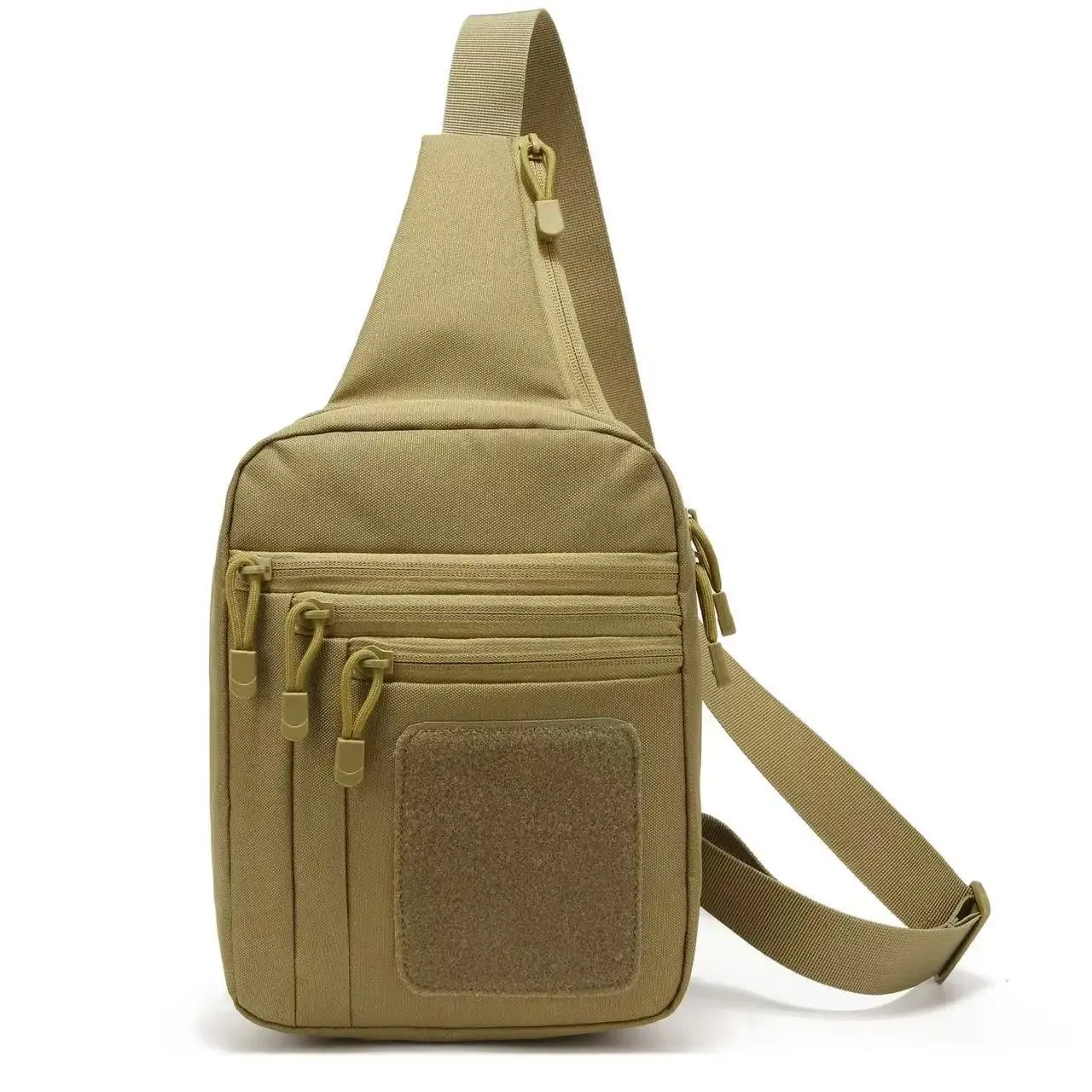
- Tactical Cross Body Bag with Holster: Carry your essentials and stay ready with our tactical crossbody bag with holster. MOLLE-compatible, rugged, and perfect for EDC, travel, or outdoor missions. A tactical hat pairs well with a crossbody bag that keeps your hands free and your gear organized, making it easier to stay prepared on the move.
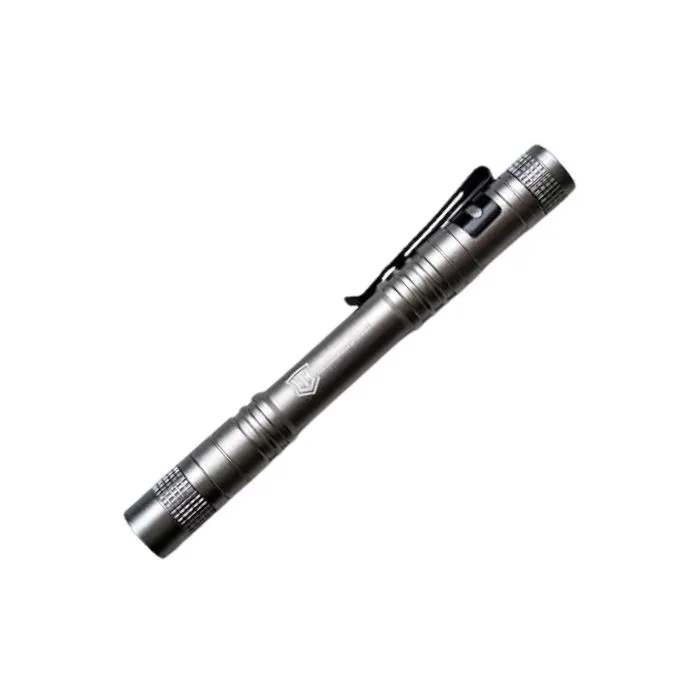
- Tactical Flashlight: Stay prepared for any adventure with the Tactics and Gear Tactical Flashlight — built for performance, durability, and reliability. Crafted from high-grade aluminum alloy, this flashlight delivers ultra-bright illumination while remaining lightweight and easy to carry. Perfect for camping, hiking, emergencies, and everyday carry (EDC), it features multiple lighting modes, long battery life, and a rugged, durable build. When you're out after dark, a reliable flashlight complements your tactical hat by improving visibility and safety, especially on trails or during emergencies.
Fit and Use Guidance
Best for
- Hikers and campers who need breathability and sun protection
- Shooters and tactical users who want a secure fit and patch compatibility
- Everyday carry (EDC) enthusiasts who value comfort and durability
Not for
- Extreme cold weather unless insulated or lined for warmth
- Formal occasions or settings requiring a dress code
Choosing the right tactical hat comes down to matching material, fit, and features to your specific outdoor activities. Take time to assess your typical conditions and needs, and you'll find a hat that keeps you comfortable and ready for whatever comes your way.