Teething is one of the most challenging milestones for both babies and parents. The constant drooling, irritability, and urge to chew can turn peaceful days into restless nights. Choosing the right teether can make a world of difference, but with so many options on the market, it’s easy to feel overwhelmed. The key is to match the teether to your baby’s developmental stage, ensuring safety, comfort, and effectiveness.
In this guide, we’ll walk you through the best teether choices for each age group, from the first signs of teething at 3 months to the molars that appear around age two. We’ll also share practical tips on materials, safety, and how to soothe sore gums. Whether you’re a first-time parent or adding to your baby gear stash, this baby teether age guide will help you make an informed decision.
Why Age Matters When Choosing a Teether
Babies develop at different rates, but their oral motor skills, grip strength, and chewing needs change rapidly in the first two years. A teether designed for a 3-month-old may be too soft or small for a 12-month-old who is cutting molars. Conversely, a hard teether meant for older babies could hurt tender gums in younger infants. Choosing by age ensures the teether is both safe and effective at relieving pain.
Age-appropriate teethers also reduce choking risks. Younger babies have a strong gag reflex and need larger, softer shapes that are easy to hold. As they grow, they can handle textured, firmer teethers that massage gums and help with the eruption of new teeth. Always check the manufacturer’s recommended age range and inspect the teether regularly for wear and tear.
- Always supervise your baby during teething time, regardless of age.
- Avoid teethers with small parts, liquid-filled centers, or breakable seams.
- Clean teethers according to instructions – most silicone options can be boiled or washed in warm soapy water.
Best Teethers for 3 to 6 Months: First Signs of Teething
Around 3 to 6 months, many babies begin to show early teething signs: excessive drooling, chewing on fists, and fussiness. At this stage, the incisors (front teeth) are starting to push through. The best teethers are soft, flexible, and easy for tiny hands to grasp. Look for teethers made from 100% food-grade silicone, which is gentle on gums and free from harmful chemicals like BPA, PVC, and phthalates.
Simple ring-shaped teethers or those with multiple textures are ideal. They can be chilled in the refrigerator (never the freezer) for added soothing relief. Avoid teethers with straps or long cords that could wrap around the baby’s neck. A popular choice is a silicone teether with easy-grip handles, which helps develop fine motor skills while providing comfort.
- Choose teethers that are at least 3 inches wide to prevent choking.
- Chill teethers in the fridge for 30 minutes – never freeze them, as frozen teethers can damage gums.
- Look for teethers with different textures (bumps, ridges) to massage gums.
Best Teethers for 6 to 12 Months: Active Chewing and New Teeth
Between 6 and 12 months, babies typically have several teeth erupting, including the central and lateral incisors. Their grip improves, and they start to explore objects with their mouths more intentionally. At this stage, you can introduce teethers with more texture and slightly firmer silicone. Teethers that combine a teething surface with a rattle or toy can keep your baby engaged longer.
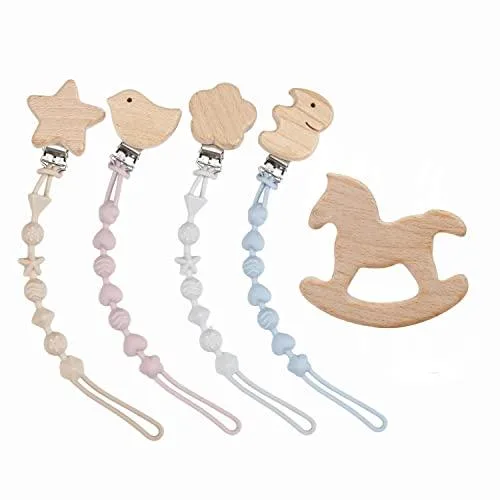
Many parents find that a versatile teether that can be used as a toy or attached to a bib or pacifier clip is very convenient. For example, a silicone teether shaped like a small animal or fruit is easy to hold and offers multiple chewing surfaces. Avoid teethers that are too heavy or have sharp edges. Always check for cracks or tears, as weakened silicone can become a choking hazard.
- Rotate teethers to keep your baby interested – having 2-3 different options helps.
- If your baby is also eating solids, clean teethers after every meal to prevent bacterial buildup.
- Consider teethers that can be paired with a bib to catch drool and keep clothing dry.
Best Teethers for 12 to 24 Months: Molars and More Intense Chewing
Toddlers aged 12 to 24 months are cutting their first molars, which can be especially painful. They need teethers that can withstand stronger chewing and reach the back of the mouth. Look for teethers with longer, angled shapes or those designed specifically for molars. Silicone remains a top choice, but some parents also prefer natural rubber wood teethers for their durability and eco-friendliness.
At this age, teethers can double as sensory toys. Some have crinkly textures, squeakers, or multiple parts that encourage exploration. However, always ensure that any attachments are securely fastened and cannot be pulled off. Avoid teethers with batteries or small electronic components. If your toddler is prone to throwing teethers, choose a sturdy, easy-to-clean option that won’t break on impact.
- For molars, look for teethers with a longer handle or a curved shape to reach back teeth.
- Natural rubber teethers are biodegradable but may have a slight smell – air them out before use.
- If your toddler uses a pacifier, consider a teether that also functions as a pacifier clip for convenience.
Key Features to Look for in a Safe Teether
Safety should always come first when selecting a teether. The material should be non-toxic, BPA-free, and phthalate-free. Silicone is widely recommended because it is soft, durable, and easy to sanitize. Avoid teethers made from PVC or those with painted surfaces that could chip. Also, ensure the teether is one-piece construction – no glued parts or small pieces that could break off.
Another important feature is ease of cleaning. Babies put everything in their mouths, so teethers should be dishwasher-safe or boilable. Silicone teethers are naturally resistant to bacteria and mold, making them a hygienic choice. Additionally, consider teethers that can be chilled to provide extra relief. Always follow the manufacturer’s care instructions to extend the life of the teether.
- Check for ASTM or CE safety certifications on the packaging.
- Replace teethers if they show signs of wear, such as cracks, sticky surfaces, or color fading.
- Avoid teethers with liquid or gel fillings – they can leak and pose a health risk.
How to Soothe Your Baby’s Gums Beyond Teethers
While teethers are excellent tools, they work best when combined with other soothing techniques. Gently massaging your baby’s gums with a clean finger or a soft, damp washcloth can provide immediate relief. Cold foods like chilled yogurt or pureed fruits (if your baby is eating solids) can also help. For older babies, a chilled silicone spoon can double as a gum massager.
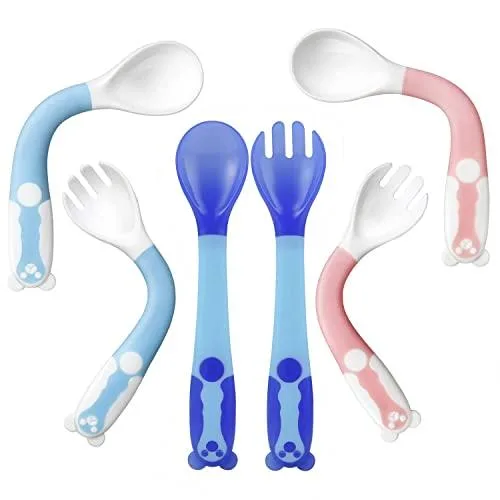
spoon
Teething necklaces or bracelets worn by parents are not recommended, as they can pose strangulation or choking risks. Instead, stick to age-appropriate teethers that are designed for your baby’s stage. Remember that every baby is different – some may prefer one texture over another, so it’s okay to try a few options. Patience and a little creativity can go a long way during this tough phase.
- Offer a chilled (not frozen) teether or washcloth for 10-15 minutes at a time.
- Keep your baby’s face dry to prevent drool rash – use a soft bib and gentle moisturizer.
- Consult your pediatrician if your baby develops a fever or seems excessively uncomfortable.
Choosing the right teether for your baby’s age doesn’t have to be complicated. By focusing on safety, material, and developmental stage, you can find a teether that soothes sore gums and keeps your little one happy. At PandaEar, we offer a range of safe, high-quality silicone baby products designed with parents and babies in mind. Explore our collection of teethers and feeding essentials to make teething time easier for everyone.