Quick answer
Choose 5mm for most daily yoga, 6mm if you want extra cushioning for sensitive knees or wrists, and 1.5mm for travel or a closer-to-the-floor feel. Match thickness to your joints, floor, sweat level, and how you carry the mat.
Thickness is one of the few specs you can feel the moment you unroll a mat, yet it gets less attention than color or grip. The right number depends less on trends and more on your body, your floor, and how you practice.
This guide walks through 1.5mm, 5mm, and 6mm options, explains why density matters as much as thickness, and gives concrete rules so you can stop guessing and start practicing.
Why yoga mat thickness matters more than you think
A thicker mat feels softer under knees and wrists, but it can also make balance poses feel less stable because your feet sink slightly. A thinner mat puts you closer to the floor, which helps with grounding and balance, but offers less cushioning for sensitive joints or hard floors.
Thickness also changes how a mat rolls, folds, and travels. A 1.5mm travel mat folds into a bag; a 5mm or 6mm mat usually rolls and needs a strap or bag. There is no single best number, only the best match for your practice and body.
- If your knees hurt in kneeling poses, add cushioning before changing anything else.
- If you wobble in tree pose, a thinner or firmer mat may help more than a thicker one.
How thick should a yoga mat be for your joints and floor?
For most people on a wood or tile floor, 5mm is the sweet spot: enough cushioning for knees and wrists without losing balance. If you practice on concrete or have sensitive joints, 6mm gives more protection. If you practice on carpet or a padded studio floor, 1.5mm to 5mm can feel plenty.
Joint comfort is personal. A 6mm mat can reduce pressure in lunges and tabletop, but it may feel unstable in standing balances. A 1.5mm travel mat is ideal for portability but is not the best choice for a daily home practice on a hard floor.
- Hard floor plus sensitive knees: start with 6mm.
- Carpet or studio floor plus balance work: 5mm is usually enough.
- Travel or minimalist feel: 1.5mm is the practical choice.
5mm vs 6mm yoga mat: what actually changes
The 1mm difference sounds small, but it changes stability and packability. A 5mm mat tends to feel more grounded and rolls tighter. A 6mm mat adds cushioning for joints and can be more comfortable for restorative or yin practice, but it may feel slightly softer in standing poses.
Neither is better in every case. If you mainly flow, 5mm is often the better default. If you hold long stretches or have joint sensitivity, 6mm can be worth the trade-off in stability.
- Choose 5mm if you want one mat for vinyasa, balance, and everyday use.
- Choose 6mm if comfort in floor poses matters more than a firm feel.
Density and material matter as much as thickness
Two mats can both be 5mm and feel completely different. Density determines how much the surface compresses under your hands and feet. A denser mat feels firmer and more stable; a less dense mat feels plusher but can bottom out under pressure.
Material also affects grip and care. Natural rubber bases and moisture-activated microfiber tops are common in combo mats, where the top grips better as you sweat. That construction can change how a mat performs in hot yoga compared with a dry practice.
- Press your palm into the mat in the store or at home: if you feel the floor immediately, it may be too thin or too soft for you.
- For hot or sweaty practice, look for a moisture-activated top rather than just a thicker mat.
Thin vs thick yoga mat: travel, storage, and practice style
Thin mats win on portability and floor connection. A 1.5mm travel mat folds or rolls small, fits in a carry-on, and is easy to unroll in a hotel room. The trade-off is less cushioning, so it is not the mat you want for a daily home practice on tile.
Thick mats win on comfort and joint protection. A 5mm or 6mm mat stays put in one place, supports longer sessions, and feels more forgiving in kneeling poses. The trade-off is bulk: it takes more space in a bag and may need a strap or mat bag.
- If you fly or commute to class, keep a 1.5mm travel mat for the road.
- If you practice at home most days, a 5mm or 6mm mat is the more comfortable daily driver.
Choosing a yoga mat for beginners: a simple starting point
Beginners often do best with a 5mm mat. It is forgiving enough for new kneeling and wrist-bearing poses, stable enough for balance, and widely available. If you have sensitive knees or practice on a hard floor, start with 6mm instead.
Do not overthink the first mat. Pick a thickness that matches your floor and joints, then adjust later once you know how your body responds. A mat that feels comfortable and stable will help you practice more consistently than one that is theoretically perfect.
- New to yoga on a wood floor: 5mm is the safest default.
- New to yoga with knee sensitivity: 6mm is worth considering.
- New to yoga and traveling often: a 1.5mm travel mat plus a 5mm home mat covers both.
Decision rules: pick your thickness in under a minute
- If you practice on a hard floor and have sensitive knees or wrists: Choose 6mm for extra cushioning in kneeling and floor poses. Checkpoint: press into the mat; if you feel the floor, go thicker.
- If you want one mat for daily vinyasa, balance, and general use: Choose 5mm as the balanced default for stability and comfort. Checkpoint: you should feel grounded in tree pose, not wobbly.
- If you travel, commute, or want a close-to-the-floor feel: Choose 1.5mm for portability and floor connection. Checkpoint: pair it with a thicker home mat if you also practice on tile.
- If you sweat heavily or practice hot yoga: Prioritize a moisture-activated or sweat-activated top over extra thickness. Checkpoint: grip matters more than millimeters when you are slippery.
Examples from the Yoga Design Lab lineup
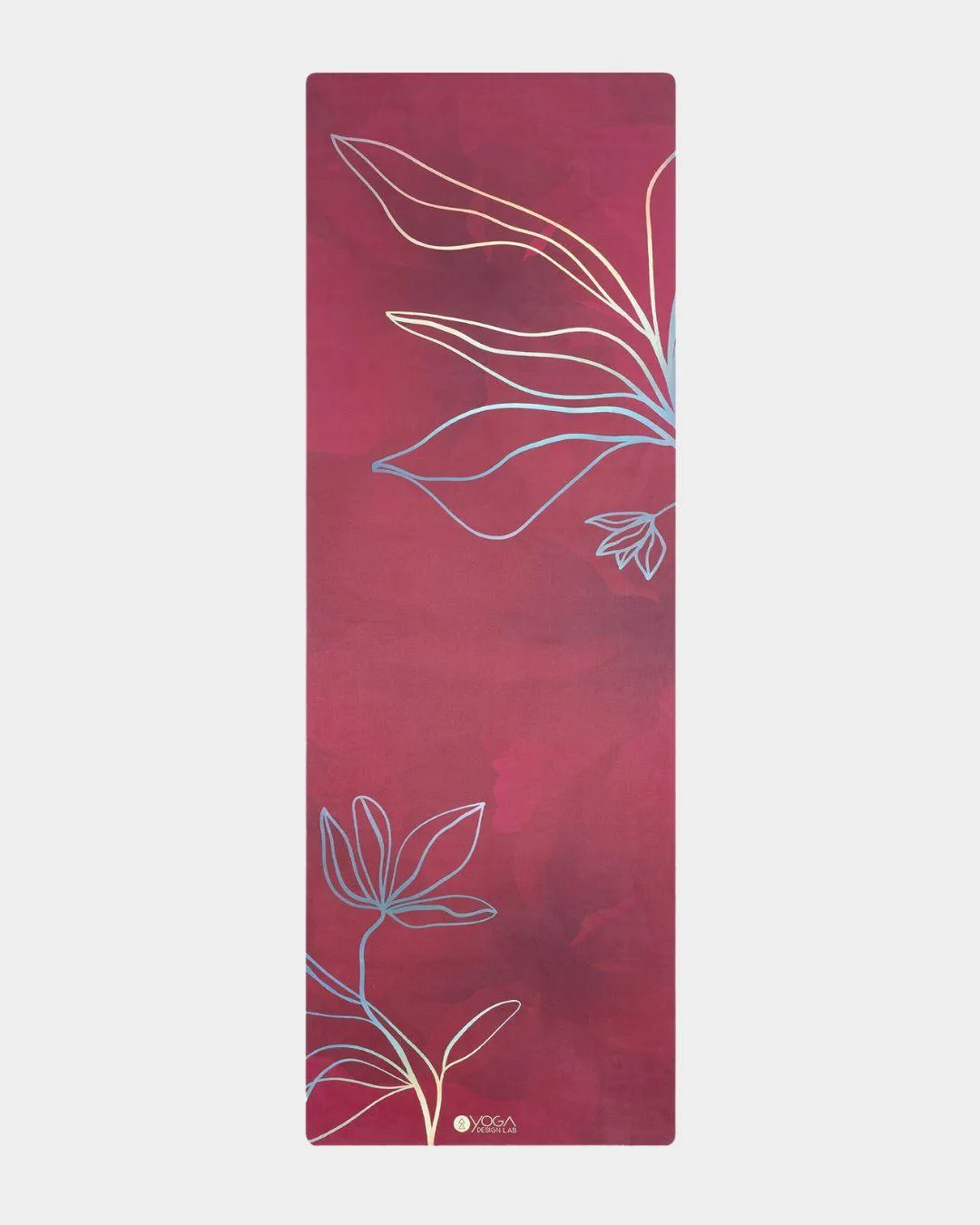
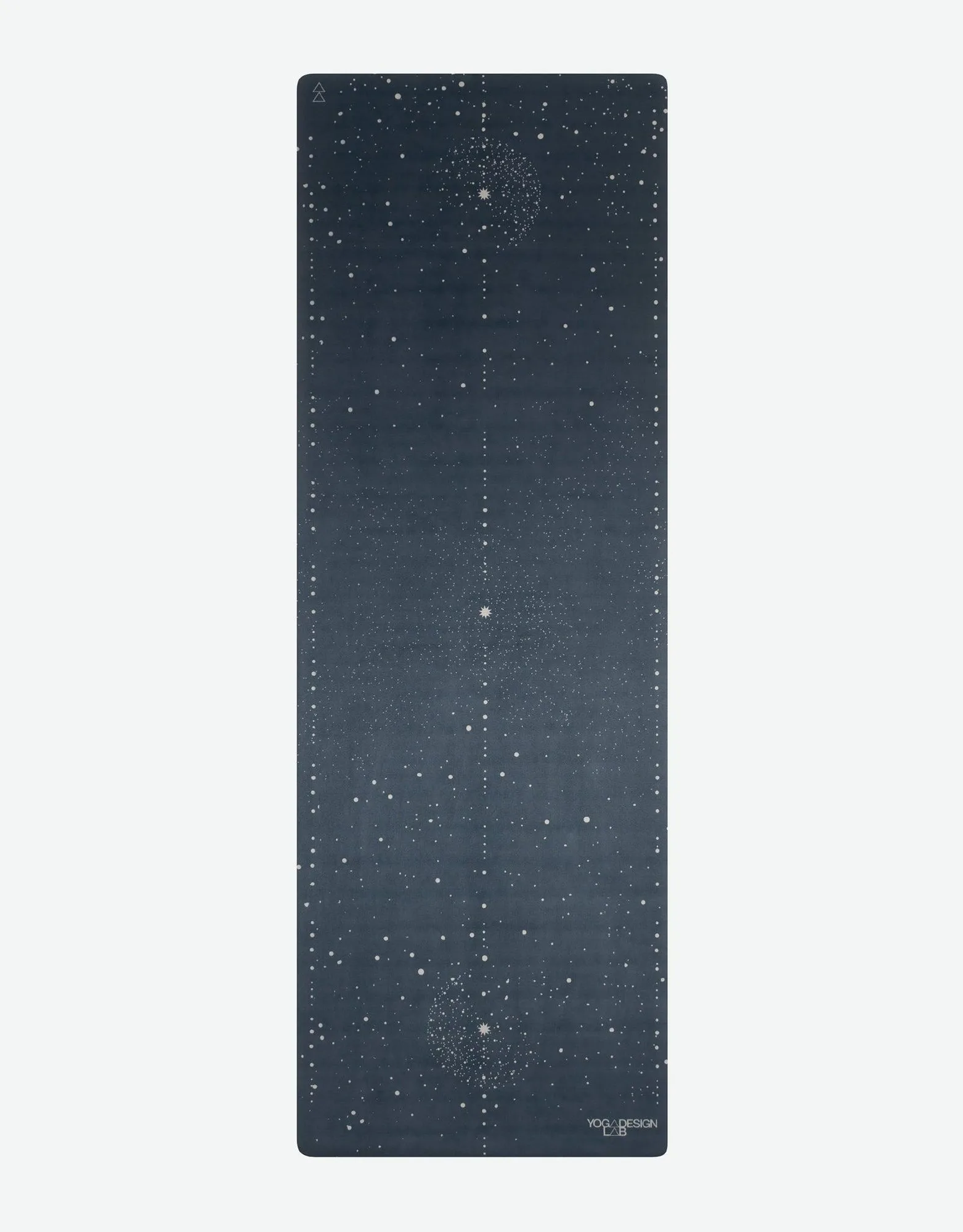
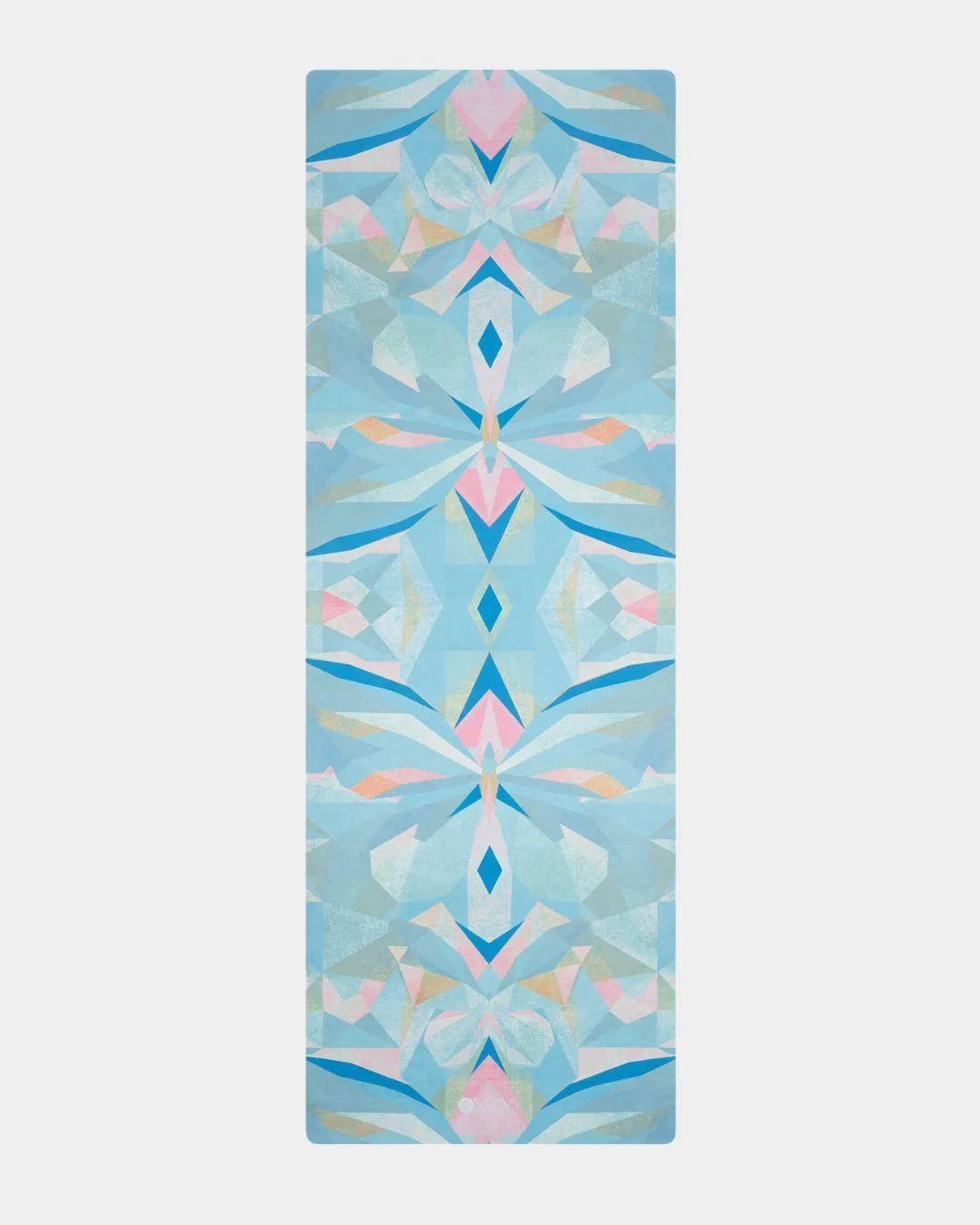
- Combo Yoga Mat - Celestial: Fuses a natural rubber base with a moisture-activated microfiber surface for grip, and is available in thickness options. A combo construction can suit sweaty or hot practice, and the thickness option lets you choose between a more grounded or more cushioned feel.
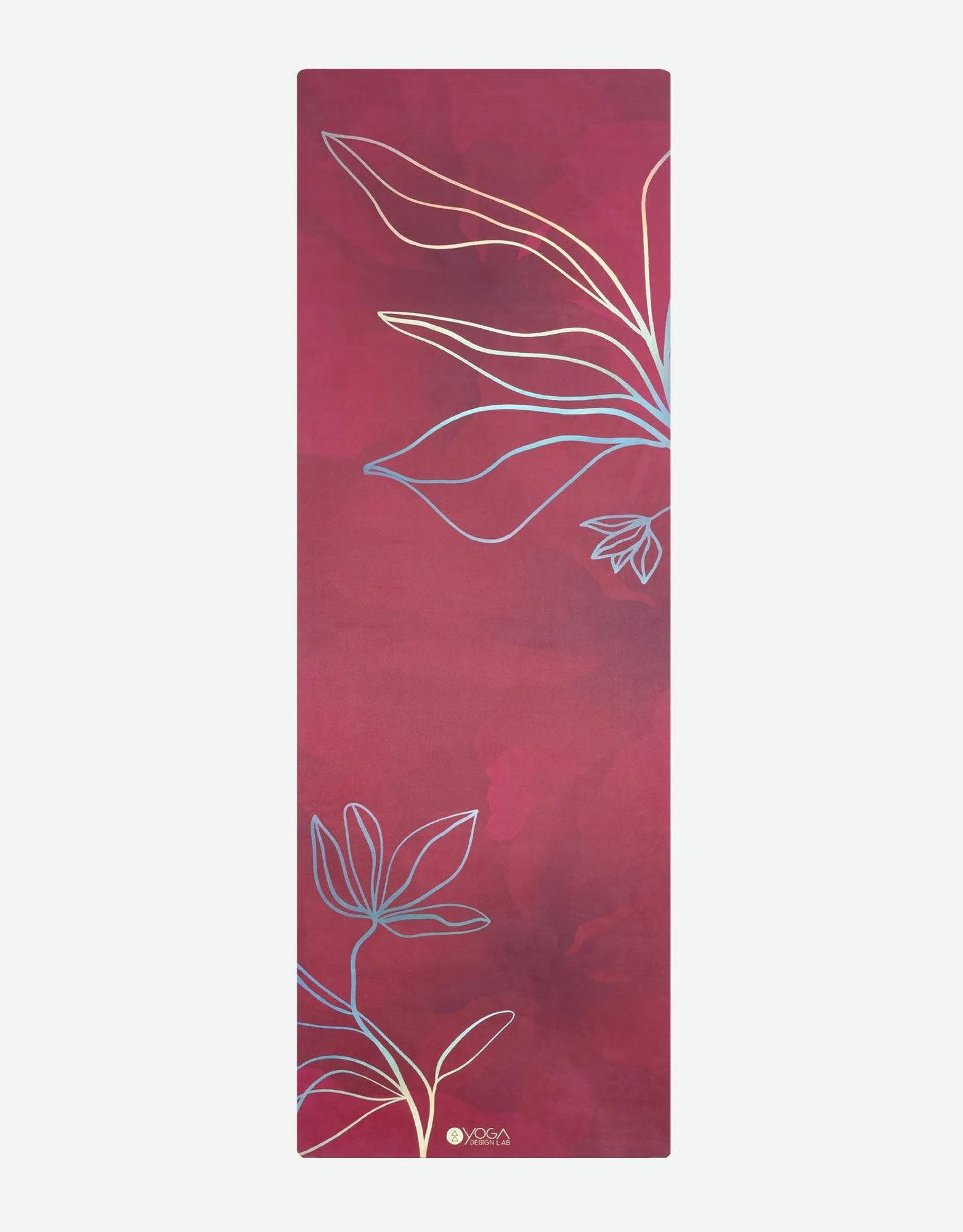
- Travel Combo Yoga Mat - Iris: Ultra-lightweight 1.5mm mat with a sweat-activated microfiber top and natural rubber base, designed to be foldable and portable. A clear example of a thin mat built for travel: it packs small and grips when you sweat, but it is not the choice for maximum joint cushioning at home.
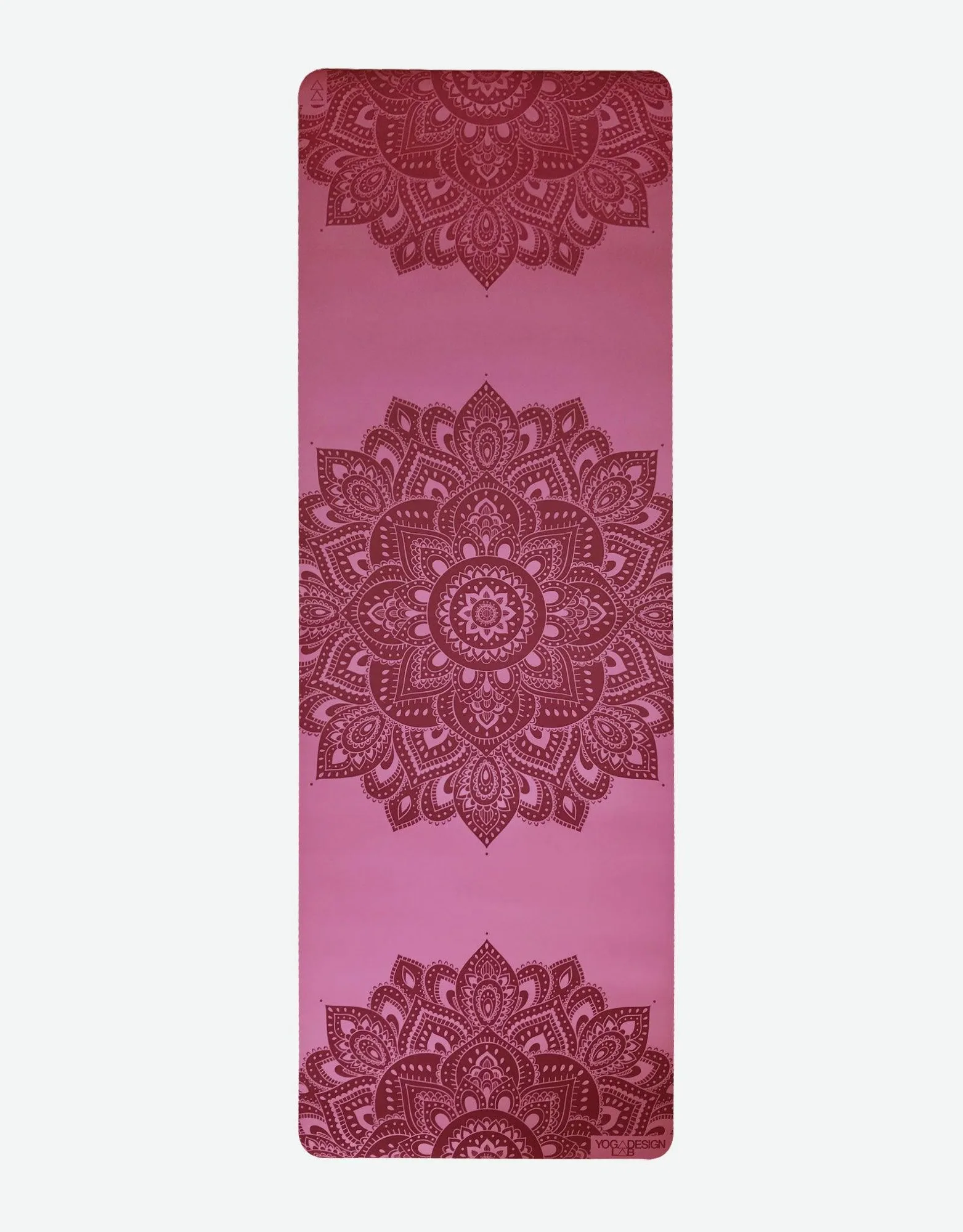
- https://yogadesignlabev.com/products/infinity-yoga-mat-mandala-rose-7ab657a92d23294935204a99-1693180Infinity Yoga Mat - Mandala Rose: Infinity surface combines durability with a soft texture, offering grip and cushioning, and is available in thickness options. Shows that surface construction and thickness work together; a soft, grippy top can make a mid-thickness mat feel comfortable without going extra thick.
Who should choose which thickness
Best for
- Daily home practice on wood or tile: 5mm
- Sensitive knees, wrists, or concrete floors: 6mm
- Travel, studio commuting, or minimalist feel: 1.5mm
Not for
- Hot yoga without a moisture-activated top, regardless of thickness
- Anyone who wants one mat to do everything without trade-offs
- Practitioners who need maximum cushioning from a 1.5mm travel mat
Pick thickness by matching your floor, joints, sweat level, and how you carry the mat. Start with 5mm for most daily practice, go 6mm for extra cushioning, and keep a 1.5mm travel mat for the road. Then adjust based on how your body feels after a week of practice.