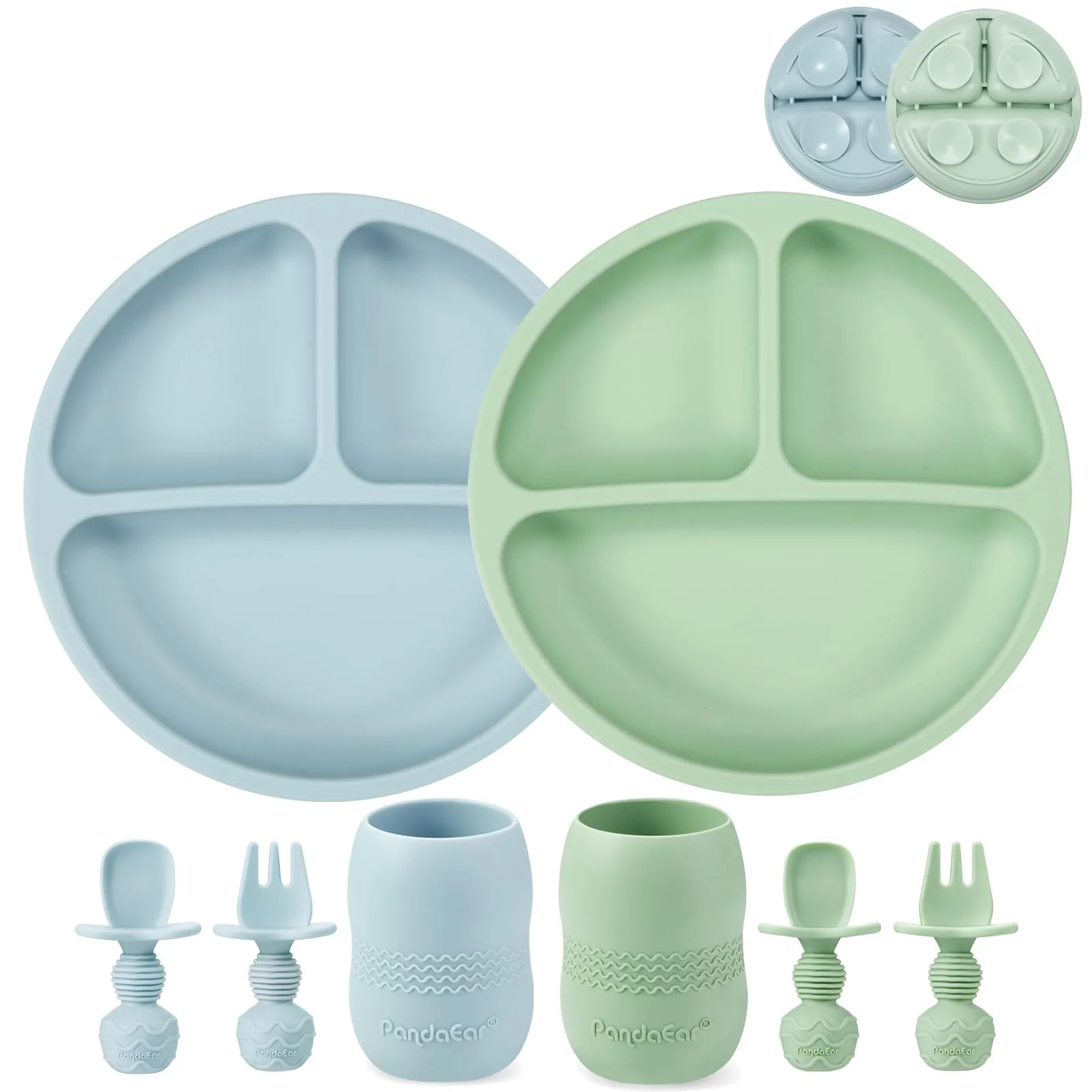
Every parent wants mealtime to be safe, fun, and mess-free. But with so many baby dinnerware options on the market, it can be overwhelming to know which products are truly non-toxic and durable. From plastic to silicone to stainless steel, each material has its pros and cons. This guide will walk you through everything you need to consider when choosing the safest baby dinnerware for your little one.
We’ll cover key factors like material safety, ease of cleaning, and age-appropriate design. Plus, we’ll highlight some trusted products that make feeding time easier and healthier. Whether you’re a first-time parent or looking to upgrade your baby’s mealtime gear, this complete guide will help you make an informed choice.
Why Material Matters for Baby Dinnerware
Babies explore the world with their mouths, and their dinnerware is no exception. Many conventional plastic dishes contain harmful chemicals like BPA, phthalates, and PVC, which can leach into food—especially when heated. Choosing non-toxic baby dishes is essential for protecting your child’s developing immune system and overall health.
Silicone is a top choice for many parents because it’s soft, flexible, and free from harmful chemicals. Stainless steel is another excellent option—it’s durable, non-toxic, and doesn’t harbor bacteria. Avoid melamine and low-quality plastics, as they can chip or release toxins over time. Always look for labels that say BPA-free, phthalate-free, and food-grade.
- Look for products certified as food-grade silicone or 304 stainless steel.
- Avoid dinnerware with decorative paints or coatings that may contain lead.
- Choose unbreakable materials to prevent sharp shards if dropped.
Key Features to Look for in Safe Baby Dinnerware
Beyond material, several design features contribute to safety and convenience. Suction bases are a lifesaver—they keep plates and bowls stuck to the table, reducing the chance of your baby flinging food everywhere. Divided plates help separate different foods, which can encourage picky eaters to try new items.
Easy-grip handles and soft, rounded edges make it easier for tiny hands to hold utensils and cups. For example, a https://terracradle.shop/products/training-cup-2-pack-120787https://terracradle.shop/products/training-cup-2-pack-120788Training Cup (2 Pack) is designed with ergonomic handles and a spill-proof lid, making the transition from bottle to cup smoother. Also, consider dishwasher-safe options to simplify cleaning and ensure thorough sanitation.
- Suction bases prevent tipping and reduce mess.
- Divided sections help with portion control and food separation.
- Dishwasher-safe dinnerware saves time and ensures hygiene.
Top Safe Dinnerware Materials Compared
To help you decide, here’s a quick comparison of the most popular baby dinnerware materials: silicone, stainless steel, and bamboo. Silicone is non-toxic, flexible, and heat-resistant up to high temperatures. Stainless steel is virtually indestructible and doesn’t leach chemicals, but it can be noisy and may dent. Bamboo is eco-friendly but can splinter or absorb stains over time.
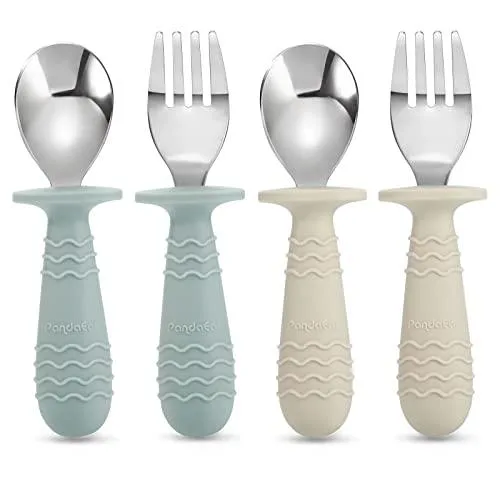
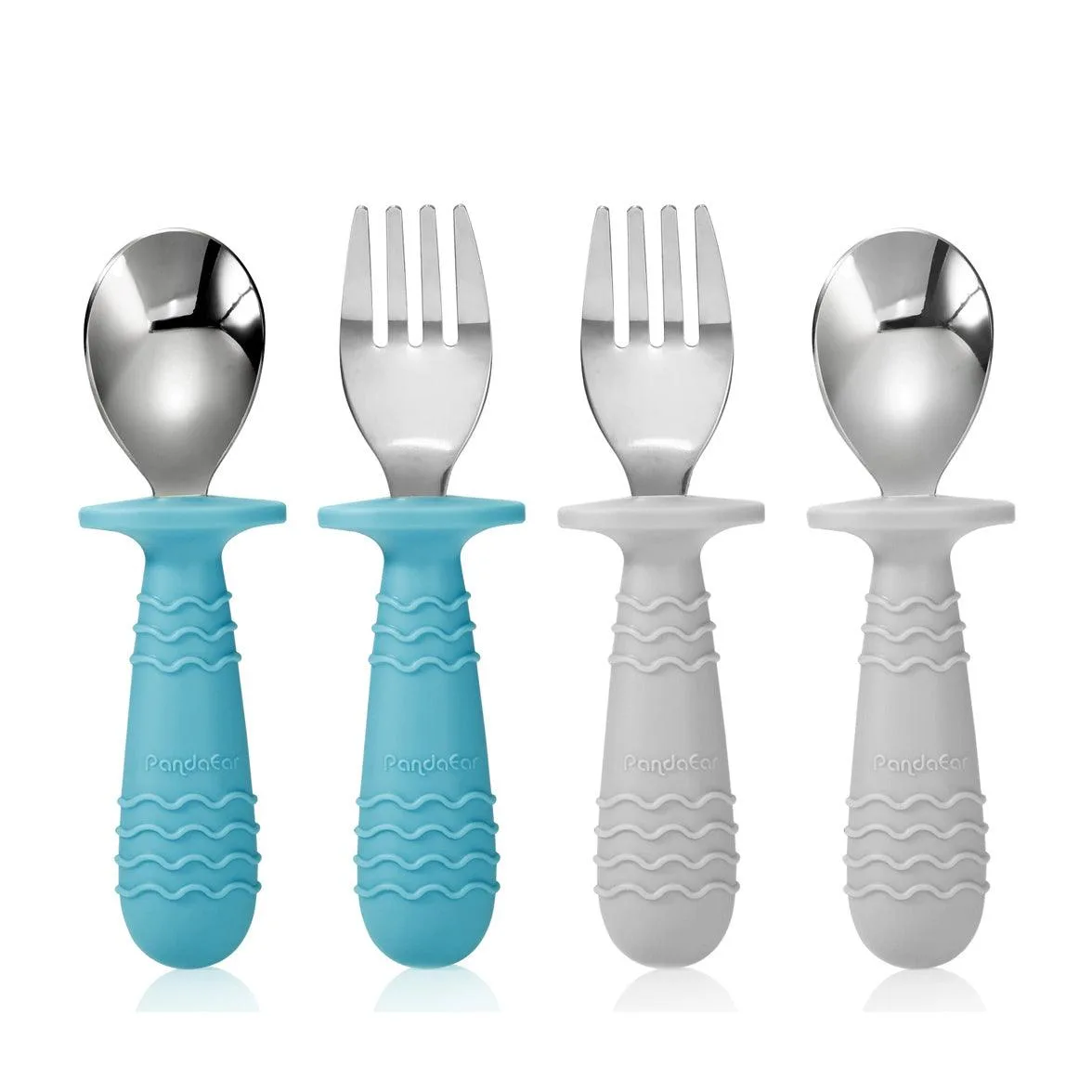
For utensils, silicone-tipped options are gentle on gums, while stainless steel with silicone handles offers durability and comfort. The Silicone Baby Spoons and Fork Feeding Set (4 Pack) combines soft silicone with easy-to-hold handles, perfect for self-feeding. For cups, look for weighted straw cups or training cups with soft spouts to prevent spills and promote oral development.
- Silicone: soft, flexible, heat-resistant, non-toxic.
- Stainless steel: durable, non-porous, easy to clean.
- Bamboo: renewable but requires careful maintenance.
Age-Appropriate Dinnerware for Each Stage
Babies develop feeding skills gradually, so their dinnerware should match their stage. For newborns and infants, start with soft silicone spoons and small bowls for purees. Around 6-9 months, introduce a suction plate and a Training Cup (3 Pack) to encourage sipping without spills.
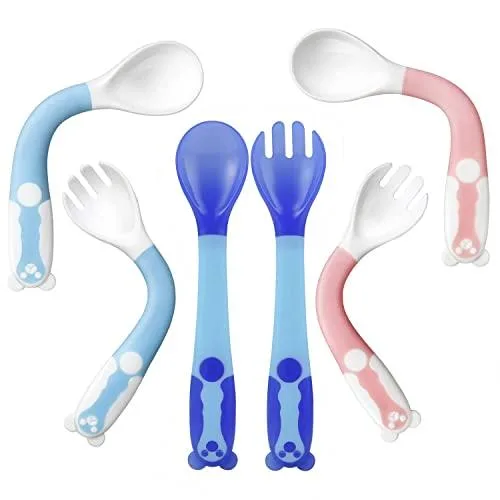
For toddlers (12+ months), switch to divided plates with raised edges and utensils with shorter handles. The Silicone Bibs (3 Pack) are a must-have for messy eaters—they catch spills and are easy to wipe clean. By age 2, your child may be ready for open cups and stainless steel utensils, always under supervision.
- 6-9 months: soft silicone spoons, suction bowls, training cups.
- 9-12 months: divided plates, easy-grip utensils, bibs.
- 12+ months: open cups, stainless steel options, placemats.
How to Clean and Maintain Baby Dinnerware
Proper cleaning extends the life of baby dinnerware and prevents bacterial growth. Most silicone and stainless steel items are dishwasher-safe, but always check the manufacturer’s instructions. Hand wash with mild soap and warm water for delicate items like bamboo or those with suction bases.
Avoid using abrasive scrubbers that can scratch surfaces and create hiding spots for germs. Inspect dinnerware regularly for cracks, chips, or discoloration—especially with plastic items. Replace any piece that shows signs of wear. For bibs, the Silicone Bibs (3 Pack) can be rinsed or tossed in the dishwasher, making cleanup a breeze.
- Dishwasher-safe items save time and sanitize effectively.
- Hand wash bamboo and items with suction bases gently.
- Replace damaged dinnerware immediately to avoid hazards.
Choosing the safest baby dinnerware doesn’t have to be complicated. Focus on non-toxic materials, practical features like suction bases and easy-grip handles, and age-appropriate designs. By investing in quality products, you’ll make mealtime safer, cleaner, and more enjoyable for both you and your baby. Explore our collection of trusted baby dinnerware to find the perfect match for your little one’s needs.