Quick answer
Choose a linen sconce shade when you want soft, diffused light and a warm, tailored look in a hallway, bedroom, or living area. Pick metal or glass when you need sharper task light, easier cleaning, or a more industrial or modern statement. Start by matching the shade material to the room's function and your maintenance tolerance, then confirm the fixture's damp rating and bulb type.
Why the shade material changes everything
The shade on a wall lamp does more than finish the look—it controls how light spreads, how much glare you see, and how often you need to dust. A fabric shade, especially linen, softens the bulb's output into a gentle wash that flatters walls and faces. Metal shades push light down and out in a more focused cone, which is useful over a reading chair or beside a mirror. Glass shades sit in between: they transmit more light than fabric but can still diffuse it if the glass is frosted or opal.
The tradeoff is maintenance and durability. Fabric can spot or fade over time and may need occasional vacuuming with a brush attachment. Metal and glass wipe clean and resist moisture better, which matters in bathrooms or covered porches. None of these are wrong—just match the material to the room's job and your willingness to care for it.
How to read a sconce listing before you buy
Most wall lamp listings hide the most useful clues in the details. Look for the shade material first, then the bulb base and wattage, then the damp-location rating. A fixture rated for damp locations is built to handle humidity, so it can go in a bathroom or covered outdoor area; a dry-rated fixture should stay indoors in a controlled climate. If a listing doesn't state the shade material or rating, treat that as a missing decision input and ask the seller before you commit.
Also check whether the bulb is included. Many sconces ship without one, which means you'll need to choose a bulb that fits the shade's shape and your desired brightness. A 60W E26 base is common, but the actual light you get depends on the bulb's lumens and color temperature. For a linen shade, a warm bulb around 2700K keeps the fabric looking soft rather than gray.
Linen vs metal vs glass: a quick comparison
Linen shades win for bedrooms, hallways, and dining rooms where you want a relaxed, layered glow. They pair well with wood and brass and rarely look harsh. Metal shades suit industrial, modern, or task-focused spots—think a home office or a stairwell where you want light aimed at a specific area. Glass shades, particularly opal or frosted, work in bathrooms and powder rooms because they resist moisture and still soften the light.
If you're replacing just the shade on an existing wall lamp, measure the fitter size and the shade's height and width before ordering. A shade that's too tall can block the bulb or cast light upward instead of outward. A shade that's too wide may overwhelm a narrow wall. When in doubt, stay close to the original shade's proportions.
Step-by-step: choosing your sconce shade material
- Define the room's lighting job: Decide whether you need ambient glow (hallway, bedroom) or focused task light (reading nook, vanity). Ambient light favors linen or frosted glass; task light favors metal or clear glass. Checkpoint: if you can't name the main activity in the space, you're not ready to pick a material.
- Check the damp rating for your location: Bathrooms, covered porches, and laundry rooms need a damp-rated fixture. A UL or cUL damp listing tells you the fixture is built for humid air. Dry-rated fixtures belong in climate-controlled rooms only. Mistake to avoid: assuming any wall lamp can go in a bathroom—without a damp rating, moisture can degrade the finish and wiring.
- Match the shade material to your maintenance reality: Linen needs occasional dusting and can stain; metal and glass wipe clean. If the sconce is in a high-touch area or you dislike upkeep, choose metal or glass even if you prefer the look of fabric. Checkpoint: be honest about how often you'll clean it—if the answer is rarely, skip linen.
- Confirm bulb type and wattage: Most sconces use an E26 base and max 60W, but the bulb is often not included. For a linen shade, a warm 2700K LED bulb keeps the fabric looking natural. For metal or glass, you can go brighter or cooler if you need task light. Mistake to avoid: buying a bulb that's too large for the shade—it can protrude or cast uneven light.
- Measure your space and the fixture: Note the sconce's width, height, and depth, and compare to your wall area. A shade that's too wide can crowd a narrow hallway; one that's too small can look lost on a large wall. If replacing a shade, measure the existing fitter and shade dimensions. Checkpoint: tape the dimensions on the wall with painter's tape to visualize the fit before ordering.
- Order and test with the actual bulb: Once the sconce arrives, install it with the bulb you plan to use and check the light quality at different times of day. If the glow is too harsh or too dim, adjust the bulb's lumens or color temperature before deciding the shade material was wrong. Next step: if the light still doesn't suit the room, consider a different shade material or a dimmer-compatible bulb.
Sconce examples with linen shades
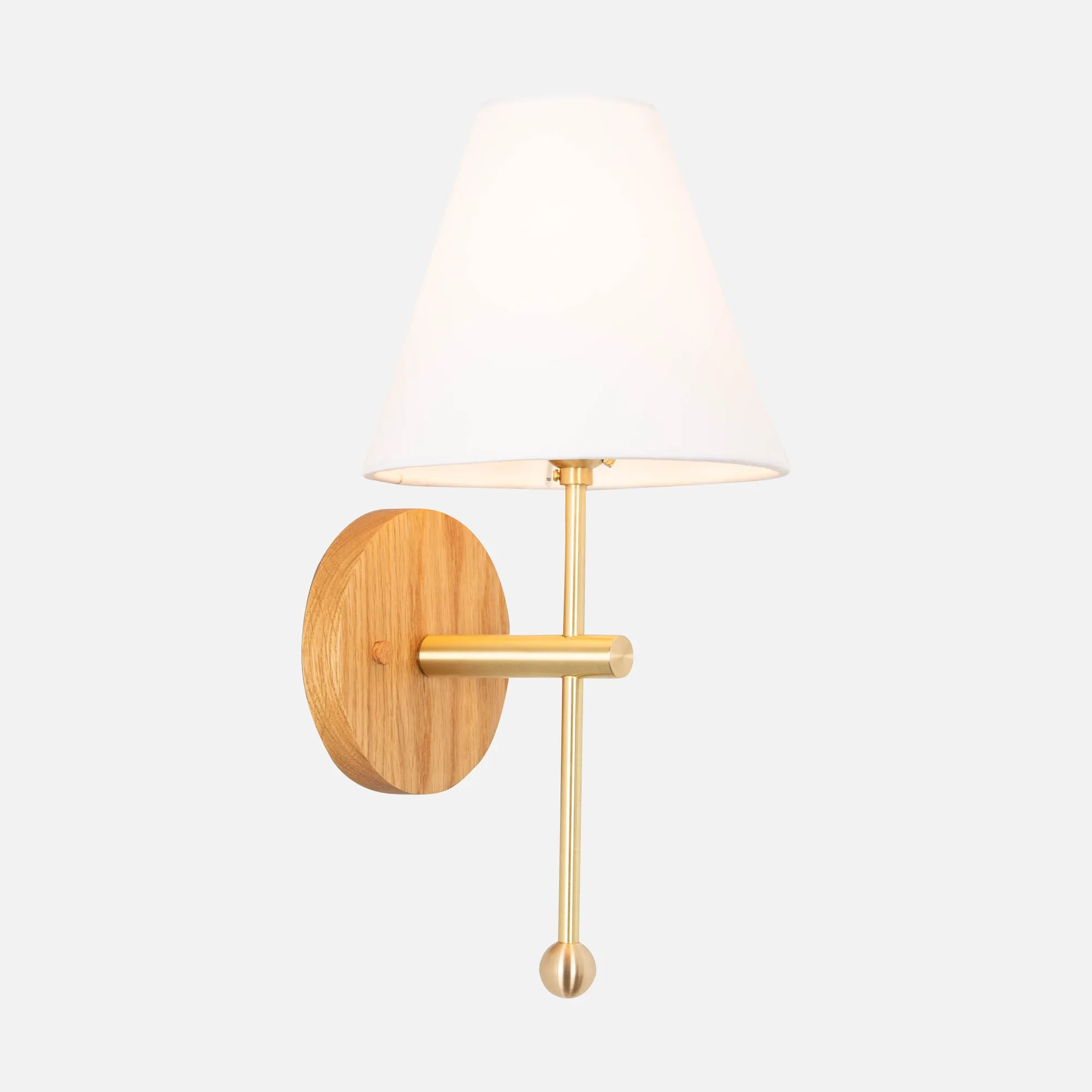
- Stem Sconce with Linen Shade: Stem Sconce with Linen Shade: a wall lamp with historic appeal featuring a crisp linen shade and handcrafted wooden backplate. Choose your wood, metal and linen finish to transform the overall look. Certifications UL and cUL damp locations. Lamping (1) E26, 60W, Bulb not included. Mounting 4", Universal. Lead Time 2-3 weeks. Dimensions 7” x 16" x 9.5”. As Shown Walnut, Classic Brass, White Linen. The linen shade softens light for hallways and bedrooms, and the damp rating means it can handle a bathroom. The customizable wood, metal, and linen finishes let you match existing trim or hardware. Remember the bulb is not included, so plan for a 60W E26 bulb.
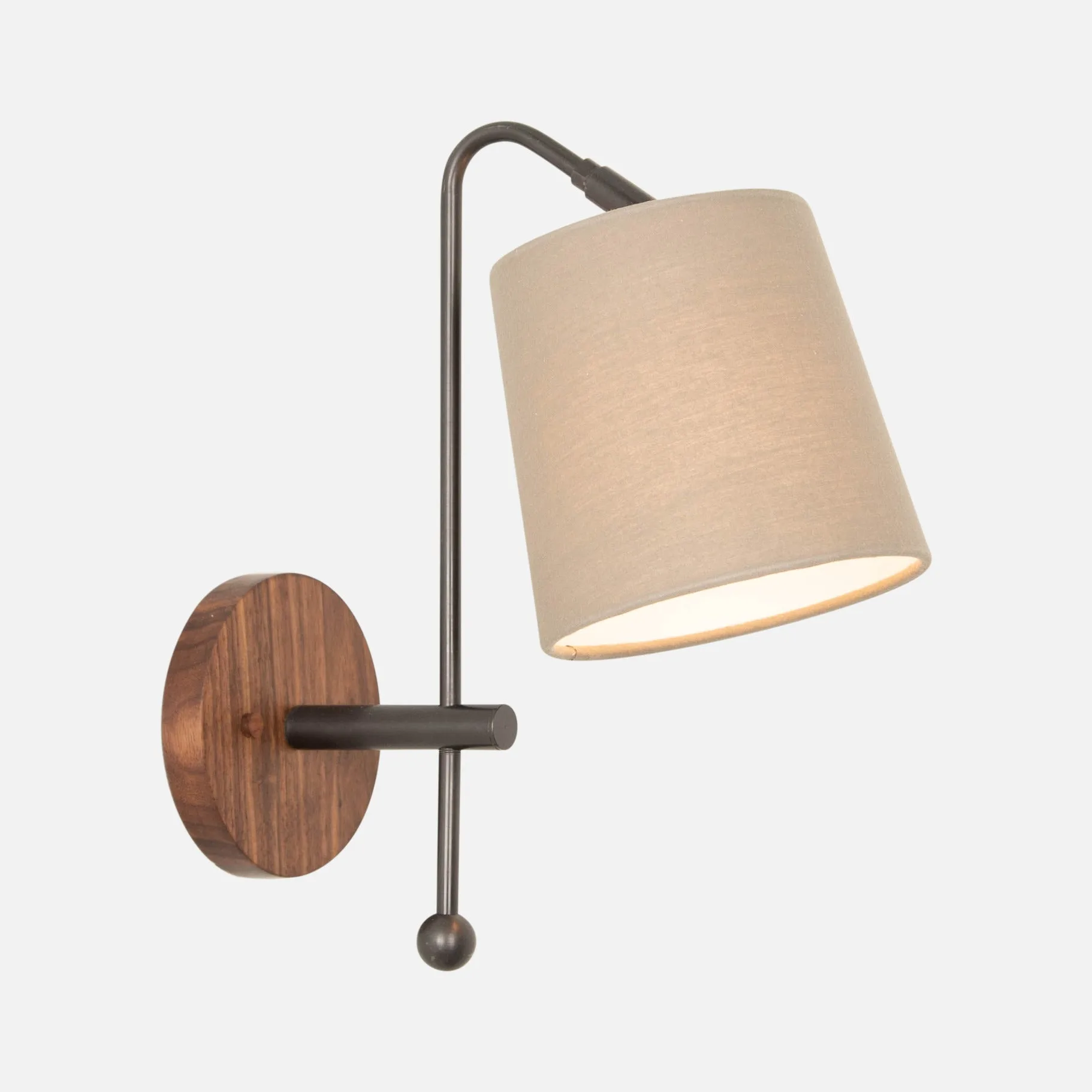
- Aurora Sconce Linen Shade: Aurora Sconce Linen Shade: a versatile wall sconce perfect for any space needing soft, diffused light. Its clean lines and tailored shade complement styles ranging from traditional to modern. Certifications UL and cUL damp locations. Lamping (1) E26, 60W, Bulb not included. Mounting 4", Universal. Lead Time 2-3 weeks. Dimensions 12” x 6" x 14”. As Shown Walnut, Oxidized Brass, Sage Linen. The linen shade provides diffused light that works in transitional spaces. The damp rating expands placement options, and the 12-inch width suits a larger wall area. As with the Stem Sconce, the bulb is sold separately.