If your dog suffers from skin allergies, hot spots, or post-surgery irritation, you know the struggle of constant scratching. It can lead to further damage, infections, and a miserable pup. Scratch pants, also known as recovery pants or dog skin protection pants, are a practical solution to prevent your dog from reaching irritated areas while still allowing freedom of movement. But with so many options on the market, how do you choose the right pair?
In this guide, we'll walk you through everything you need to know about choosing scratch pants for your dog. From understanding sizing to selecting the right material, we'll help you make an informed decision that keeps your furry friend comfortable and protected.
Why Use Scratch Pants for Dogs?
Scratch pants are designed to cover your dog's hindquarters and sometimes the front legs, creating a barrier between their claws and their skin. They are especially useful for dogs with conditions like allergies, dermatitis, or after surgical procedures where licking or scratching can disrupt healing. Unlike cones (the 'cone of shame'), scratch pants allow your dog to move more naturally, eat, drink, and sleep without obstruction.
Additionally, scratch pants can be beneficial for dogs that excessively lick their paws or legs. They provide a comfortable, breathable layer that reduces direct contact, helping to break the itch-scratch cycle. For active dogs, they are also a great way to protect the skin during outdoor adventures, especially in areas with tall grass or rough terrain.
- Prevents scratching and licking of irritated skin
- More comfortable and less restrictive than cones
- Protects healing wounds and surgical sites
- Useful for dogs with allergies or hot spots
Key Features to Look For
When choosing scratch pants, consider the material. Look for breathable, moisture-wicking fabrics like cotton or bamboo blends that keep your dog cool and dry. Avoid materials that can cause overheating or skin irritation. Some pants come with a waterproof layer, which is excellent for outdoor use or for dogs that drool or have incontinence issues.
Another important feature is the closure system. Many scratch pants use Velcro straps or adjustable snaps to ensure a snug but comfortable fit. Some designs have a belly band and leg openings with elastic to prevent slipping. For dogs that are escape artists, look for pants with a secure harness attachment or a higher waist to prevent them from wiggling out.
- Breathable, non-irritating fabric
- Adjustable closures (Velcro, snaps, or elastic)
- Waterproof or water-resistant options for outdoor use
- Machine washable for easy cleaning
Sizing and Fit: Getting It Right
Proper sizing is crucial for scratch pants to be effective and comfortable. Measure your dog's waist (the narrowest part, just in front of the hind legs), hip circumference (the widest part around the rear), and length (from the base of the tail to the waist). Compare these measurements with the manufacturer's size chart, as sizes can vary between brands.
When trying on scratch pants, ensure they are snug but not too tight. You should be able to fit two fingers between the fabric and your dog's skin. Check that the leg openings are not too restrictive, as this can chafe or cut off circulation. Also, ensure the pants cover the entire area you need to protect, whether that's the hips, thighs, or belly. For dogs with a deep chest or narrow waist, look for adjustable features to achieve a custom fit.
- Measure waist, hip, and length accurately
- Check size chart and compare with your measurements
- Ensure snug but comfortable fit (two-finger rule)
- Look for adjustable features for better fit
Material and Durability: What to Choose
The material of scratch pants affects both comfort and durability. For everyday indoor use, lightweight cotton or bamboo is ideal as it is soft and breathable. For outdoor use or for dogs that are rough on their clothes, consider a more durable fabric like nylon or polyester, which can withstand wear and tear. Some pants also feature a reinforced lining to prevent tearing from claws.
If your dog has sensitive skin, opt for hypoallergenic materials that are free from dyes and chemicals. Also, consider the ease of cleaning. Look for pants that are machine washable and quick-drying, as you may need to wash them frequently, especially if your dog has oozing wounds or excessive drooling. High-quality stitching and robust seams will ensure the pants last through multiple washes and wears.
- Choose breathable fabrics for comfort (cotton, bamboo)
- Select durable materials for outdoor use (nylon, polyester)
- Consider hypoallergenic options for sensitive skin
- Machine washable and quick-drying for convenience
Types of Scratch Pants
Scratch pants come in various styles to suit different needs. Full-body suits cover the entire torso and legs, providing maximum protection for dogs with widespread skin issues. They are often used post-surgery or for severe allergies. Half-body pants, on the other hand, cover only the hindquarters and are less restrictive, making them ideal for dogs that only scratch their rear or thighs.
Some scratch pants are designed specifically for male or female dogs, with openings for urination or accommodating a belly band. Others come with a built-in leash attachment or a hole for the tail. Think about your dog's specific needs and choose a style that offers the right level of coverage and functionality. For example, if your dog has a tail injury, look for pants with a tail opening to avoid irritation.
- Full-body suits for maximum coverage
- Half-body pants for rear protection
- Gender-specific designs for convenience
- Tail openings for dogs with tail issues
Training Your Dog to Wear Scratch Pants
Introducing scratch pants to your dog should be a gradual process. Start by letting your dog sniff and inspect the pants. Then, put them on for a few minutes at a time, rewarding your dog with treats and praise. Gradually increase the duration as your dog becomes more comfortable. It's normal for dogs to walk oddly or try to remove the pants initially, but they usually adapt within a few days.
During the adjustment period, supervise your dog to ensure they don't chew on the pants or get tangled. Some dogs may need a distraction, such as a puzzle toy or a walk, to take their mind off the new clothing. Consistency and positive reinforcement are key. If your dog continues to resist, try a different style or size that might be more comfortable.
- Introduce gradually with positive reinforcement
- Start with short periods and increase slowly
- Supervise to prevent chewing or tangling
- Distract with toys or activities during adjustment
Top Considerations for Active Dogs
For active dogs, scratch pants should not hinder movement. Look for designs that allow a full range of motion, such as those with stretchy fabric and ergonomic cuts. Pants with reinforced knees and high-quality stitching are more durable for running and playing. Also, consider the weather – in hot climates, breathable mesh panels can prevent overheating, while in cold weather, a thicker material can provide warmth.
If your dog participates in activities like agility or tracking, you might need pants that stay securely in place. Some pants come with a harness loop or can be attached to a harness for extra security. For example, our Leather Guide Dog Harness can be paired with scratch pants to keep everything in place during outdoor adventures. Additionally, our Spacer Mesh Pull Tab Leash is a great companion for walks, ensuring you have control while your dog is protected.
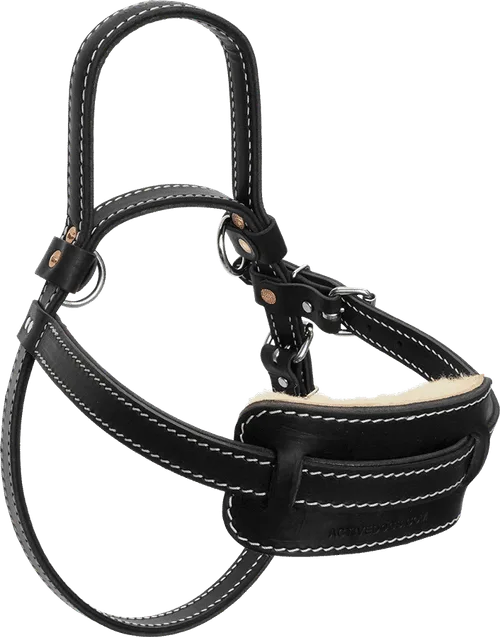
Leather Guide Dog Harness
- Choose stretchy fabrics for freedom of movement
- Look for reinforced knees and durable stitching
- Consider weather-appropriate materials
- Use a harness for added security during activities
Caring for Your Scratch Pants
To extend the life of your scratch pants, proper care is essential. Always follow the manufacturer's washing instructions. Most can be machine washed in cold water with mild detergent, but avoid using fabric softeners as they can irritate your dog's skin. Air drying is recommended to prevent shrinkage and damage to elastic components.
Regularly inspect the pants for signs of wear, such as loose threads or stretched elastic. Replace them if they become too loose or damaged, as they may no longer provide adequate protection. Having a spare pair is also a good idea, especially if your dog wears them daily or if they get dirty quickly.
- Follow washing instructions carefully
- Avoid fabric softeners and air dry when possible
- Inspect regularly for wear and tear
- Keep a spare pair for convenience
Alternatives to Scratch Pants
While scratch pants are highly effective, they aren't the only option. Elizabethan collars (cones) are a common alternative, but they can be uncomfortable and restrict vision. Inflatable collars are softer but may not prevent scratching of the rear. For some dogs, a simple T-shirt or a dog onesie can provide coverage, but they may not be as secure or durable.
Another alternative is using bitter-tasting sprays or topical treatments to deter licking, but these require frequent reapplication and may not work for all dogs. Ultimately, the best choice depends on your dog's specific needs and temperament. Scratch pants offer a balanced solution that combines coverage, comfort, and mobility, making them a popular choice among pet owners.
- Cones: effective but restrictive
- Inflatable collars: comfortable but limited coverage
- T-shirts or onesies: lightweight but less secure
- Bitter sprays: easy but not always effective
Choosing the right scratch pants for your dog involves considering their specific needs, the material, fit, and durability. By following this guide, you can ensure your dog stays comfortable and protected. For high-quality gear to complement your dog's recovery, check out our Center D-Ring Leather Dog Collar 2" – a durable and stylish choice for everyday wear.