When it comes to personal protection, your plate carrier is only as good as the coverage it provides. While front and rear plates are essential, side plates cover a critical area that many shooters overlook. Side plate pockets are the key to securing these plates, but choosing the right ones requires careful consideration of fit, compatibility, and retention.
In this guide, we'll walk you through everything you need to know about selecting side plate pockets for your armor setup. From understanding sizing and materials to ensuring compatibility with your carrier, we'll help you make an informed decision that enhances your protection without compromising mobility.
Understanding Side Plate Pockets and Their Role
Side plate pockets are specialized pouches designed to hold armor plates on the sides of your torso. They attach to your plate carrier via MOLLE or other mounting systems, providing a secure and accessible way to carry additional protection. These pockets are essential for anyone who wants comprehensive coverage, as the sides of your body are vulnerable to fragmentation and direct threats.
When selecting side plate pockets, you need to consider the type of plates you'll be using. Plates come in various sizes and curvatures, and your pockets must accommodate them snugly to prevent shifting. Additionally, the placement of the pockets on your carrier affects your range of motion, so you'll want to choose a design that balances protection with flexibility.
- Check the plate dimensions your pockets can accommodate, including thickness and curvature.
- Look for adjustable retention systems to secure plates of different sizes.
- Consider the weight and bulk of the pockets, as they add to your overall load.
Key Features to Look For in Side Plate Pockets
Not all side plate pockets are created equal. High-quality options share several features that enhance performance and durability. First, look for pockets made from robust materials like 1000-denier Cordura or similar fabrics that can withstand harsh conditions. Reinforced stitching and stress points are also crucial, as the pockets will endure constant movement and potential impacts.
Another important feature is the closure mechanism. Some pockets use hook-and-loop flaps, while others employ buckles or zippers. The best choice depends on your preference for security versus quick access. Additionally, consider pockets with drainage holes or breathable mesh to prevent moisture buildup, which can cause discomfort and corrosion of your plates.
- Opt for pockets with reinforced stress points to prevent tearing under load.
- Choose a closure that offers a balance between security and ease of access.
- Look for drainage and ventilation features to keep your plates dry and comfortable.
Compatibility with Your Plate Carrier and MOLLE
Before purchasing side plate pockets, verify that they are compatible with your plate carrier. Most tactical carriers feature MOLLE webbing, allowing you to attach pockets using straps or clips. However, the spacing and width of the webbing can vary, so it's essential to check the specifications of both your carrier and the pockets.
Some carriers have integrated side plate pockets, but if yours doesn't, you'll need to add them. The Rogue Magna Double Pistol Pouch is a versatile accessory that can be mounted on MOLLE, and while it's designed for pistols, it demonstrates the importance of compatible mounting systems. For side plates, you'll want a dedicated pocket that fits your plate size and carrier configuration.
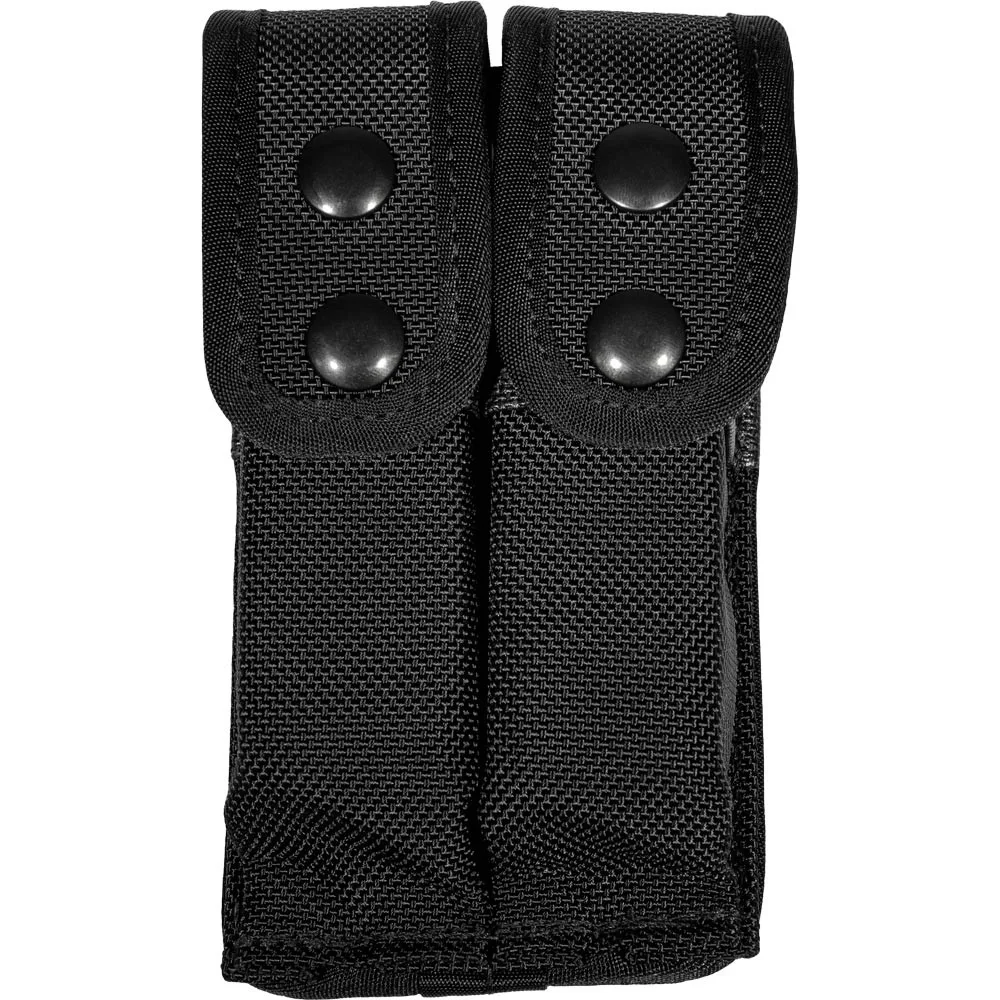
Rogue Magna Double Pistol Pouch
If you're building a custom setup, consider the MALICE Pack Frame - STRLLS Compatible as an example of how modular components can work together. While it's a pack frame, it shows how Tactical Tailor products are designed for seamless integration with other gear.
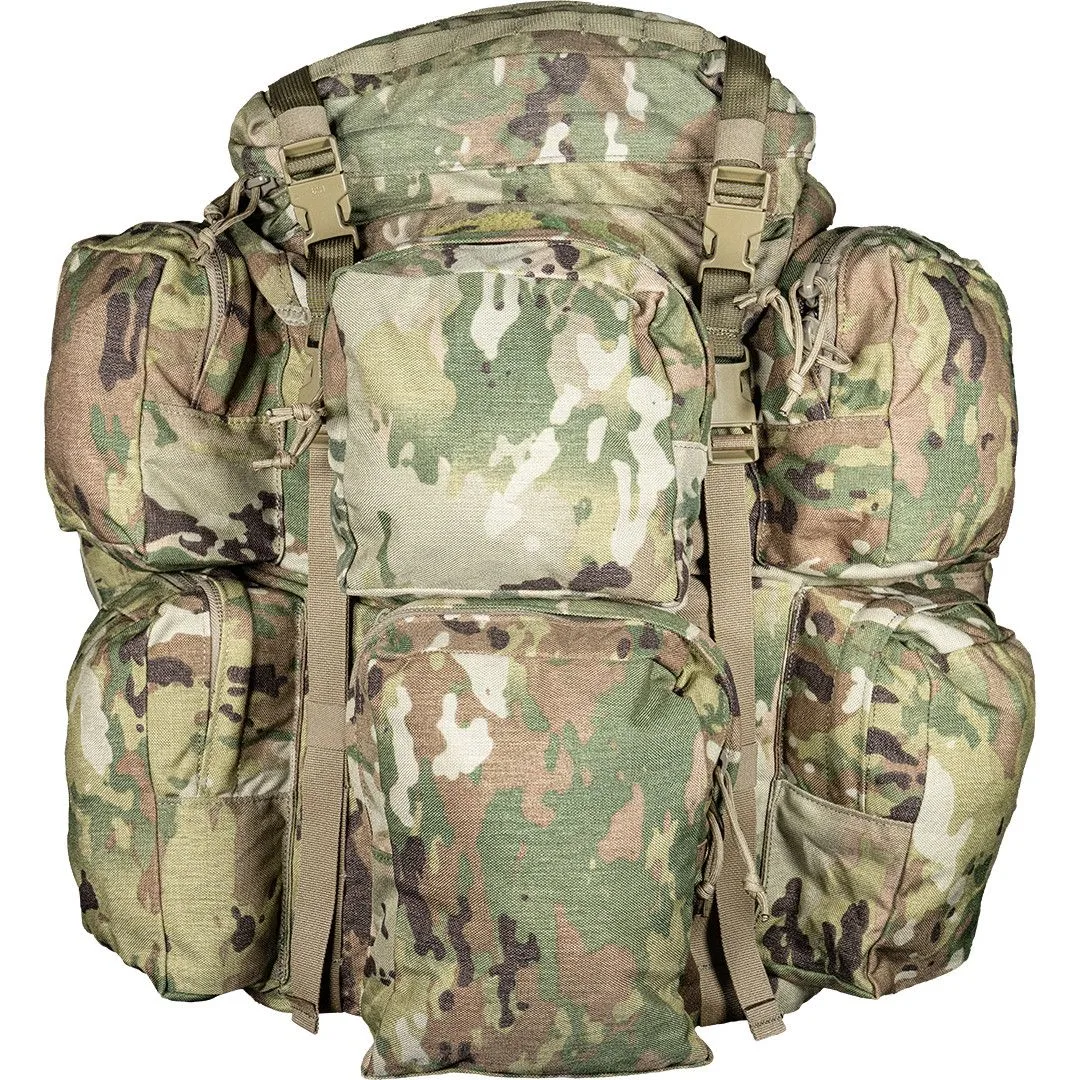
MALICE Pack Frame - STRLLS Compatible
- Measure your plate carrier's MOLLE webbing to ensure compatibility.
- Check if your carrier has built-in side plate slots or if you need to add pockets.
- Consider the weight distribution when placing side plates on your carrier.
Retention and Security: Keeping Plates in Place
A side plate that shifts or falls out is a liability. Retention systems are therefore a critical aspect of side plate pockets. Look for pockets with adjustable tension straps or elastic inserts that hold the plate firmly against your body. Some designs use a combination of hook-and-loop and buckles to secure the plate from multiple angles.
Additionally, consider how the pocket itself attaches to your carrier. Low-profile attachment methods, such as the Low Profile Super Straps - Tactical Tailor, Inc, can reduce bulk and snag hazards. These straps are designed to be slim and secure, making them an excellent choice for mounting accessories like side plate pockets without adding excessive weight or profile.
- Test the retention by shaking your carrier to ensure the plate doesn't move.
- Choose pockets with adjustable straps to accommodate different plate thicknesses.
- Avoid bulky attachment methods that can snag on gear or obstacles.
Comfort and Mobility: Balancing Protection with Flexibility
Wearing side plates can restrict your movement if not positioned correctly. The pockets should sit high enough to cover your vital organs but not so high that they interfere with your arms. Adjustable positioning is key, so look for pockets that allow you to fine-tune their placement on your carrier.
Padding is another factor. Some side plate pockets come with built-in foam padding to enhance comfort during prolonged wear. This is especially important if you'll be wearing your armor for extended periods. Remember that added protection often means added weight, so consider your mission requirements when deciding on the level of coverage.
- Position the pockets so they don't impede your arm movement.
- Look for pockets with padding to reduce pressure points.
- Balance the need for protection with the need for mobility.
Integration with Your Existing Gear
Your side plate pockets should work in harmony with the rest of your kit. This includes your plate carrier, pouches, and other accessories. Consider how the pockets interact with your existing MOLLE layout. You may need to rearrange other gear to accommodate the side plates, so plan your setup accordingly.
For example, the 5 Pocket Combo Ruck Mod is a great way to add storage to your rucksack, and similarly, you can add side plate pockets to your carrier without disrupting your current configuration. Think about how you'll access your gear and whether the side plates will interfere with drawing your sidearm or reaching for equipment.
- Plan your MOLLE layout to ensure side plates don't block access to other gear.
- Consider using modular components that can be easily moved if needed.
- Test your full setup to ensure everything works together seamlessly.
Choosing the right side plate pockets is a critical decision for your armor setup. By considering factors like fit, compatibility, retention, and comfort, you can ensure that your side plates provide the protection you need without compromising your mobility. Remember to test your setup thoroughly and make adjustments as necessary. For high-quality tactical accessories that integrate seamlessly with your gear, explore the range of products available at Tactical Tailor, including the Rogue Magna Double Pistol Pouch and the MALICE Pack Frame - STRLLS Compatible.