Quick answer
For a child or a smaller-framed sleeper, skip the adult-size bag and choose a quilt or sheet system sized to their mattress width and height. A quilt like the Zenbivy Core Quilt paired with a Fast Sheet gives you adjustable coverage and a lower weight than a traditional bag, and it grows with them better than a fixed mummy bag. If you want a simple, affordable youth setup, start with the Core Quilt in the smallest size that fits their pad.
Fast Sheet
Most sleeping bags are built for a 5'10" to 6'2" adult, so a child or a smaller adult ends up swimming in fabric, losing warmth, and carrying dead weight. The fix is not to buy a smaller version of an adult bag. It is to switch to a quilt-and-sheet system that matches their actual mattress size and sleep style.
This guide walks through the fit rules that matter, the temperature trade-offs you should accept, and two real Zenbivy products that solve the problem without guessing. I will also explain when a traditional kids sleeping bag is still the better call.
Why adult bags fail smaller frames
A sleeping bag only insulates the space your body fills. When a 4-foot sleeper is inside a 6-foot bag, the extra volume becomes dead air that your body has to warm. That is why a 20°F adult bag can feel colder to a child than a 30°F bag that actually fits. The same problem shows up in width: too much shoulder room means drafts along the sides every time they roll over.
The second issue is weight and pack size. A smaller person has a smaller comfortable carry load, so an oversized bag eats into the gear budget fast. Quilts and sheets solve both problems because they attach to the mattress rather than wrapping the whole body, so the coverage scales with the sleeper, not with a generic adult pattern.
- Measure the sleeper's height and the mattress width before shopping. Fit beats temperature rating every time.
- If the bag is more than 6 inches longer than the sleeper, expect cold spots and extra weight.
The fit rules that actually matter
Start with mattress width, not bag length. A quilt or sheet that is wider than the pad will hang off the sides and create cold gaps. Zenbivy sizes its sheets to specific mattress widths, so a 25-inch sheet is designed for pads up to 25 inches wide. If your child sleeps on a 20-inch pad, a 25-inch sheet is the right match; a 30-inch sheet is not.
Next, check the length. A quilt should reach roughly from the shoulders to just past the feet, and it should be able to tuck around the sides without a lot of leftover fabric. For a smaller frame, a half-length sheet or a shorter quilt often works better than a full-length bag because there is less material to manage in the middle of the night.
Finally, think about how they sleep. Kids who move a lot do better with a quilt that stays attached to the mattress than with a zipped bag they can wiggle out of. Side sleepers need room at the knees and hips, which a quilt provides more easily than a tapered mummy bag.
- Match sheet width to mattress width exactly. Do not size up for growth.
- Choose a quilt length that covers shoulders to feet with 2–4 inches of margin, not 12.
Temperature ratings for kids and smaller sleepers
Children lose heat faster than adults because they have a higher surface-area-to-volume ratio. A bag rated for 30°F comfort for an adult may only keep a child comfortable to 40°F. That does not mean you need a heavier bag; it means you should treat the comfort rating, not the limit rating, as your planning number.
The Zenbivy https://zenbivyli.com/products/light-sheet-half-length-10-2025-model-3b084b3869fafd7ef96bd16f-1913145Light Sheet Half Length 10° (2025 model) is a good example of reading the labels correctly. It carries a 10°F limit rating and a 20°F comfort rating. For a smaller sleeper, plan around the 20°F comfort number and add a warm layer if you expect temps near that. The 800FP HyperDRY down and 15D nylon shell keep it light, at 9 oz, which matters when a child is carrying their own gear.
If you are shopping for summer only, a 30°F or 40°F quilt is plenty and saves weight. If you want one setup for three seasons, aim for a comfort rating about 10°F below the coldest night you expect.
- Use the comfort rating, not the limit rating, for anyone under about 5 feet tall.
- Add a closed-cell pad under an inflatable mattress for cold sleepers; it is cheaper than a warmer bag.
Quilt and sheet systems vs traditional kids bags
A dedicated kids sleeping bag is simple and familiar, and for car camping or a first sleepover it is hard to beat. The trade-off is growth: a bag sized for a 4-year-old will be too small in two seasons, and a bag sized for a 10-year-old will be too big for a 6-year-old. You end up buying twice.
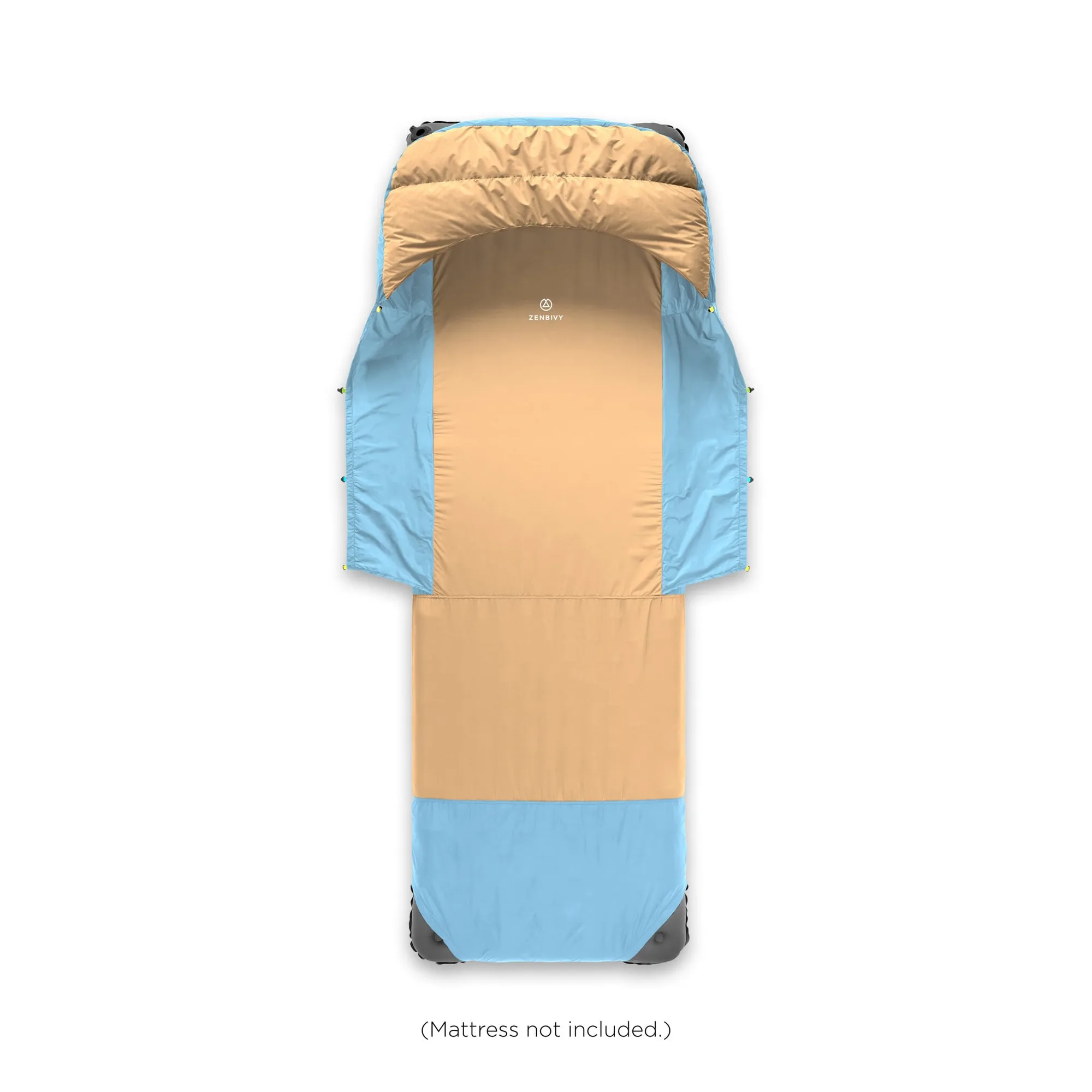
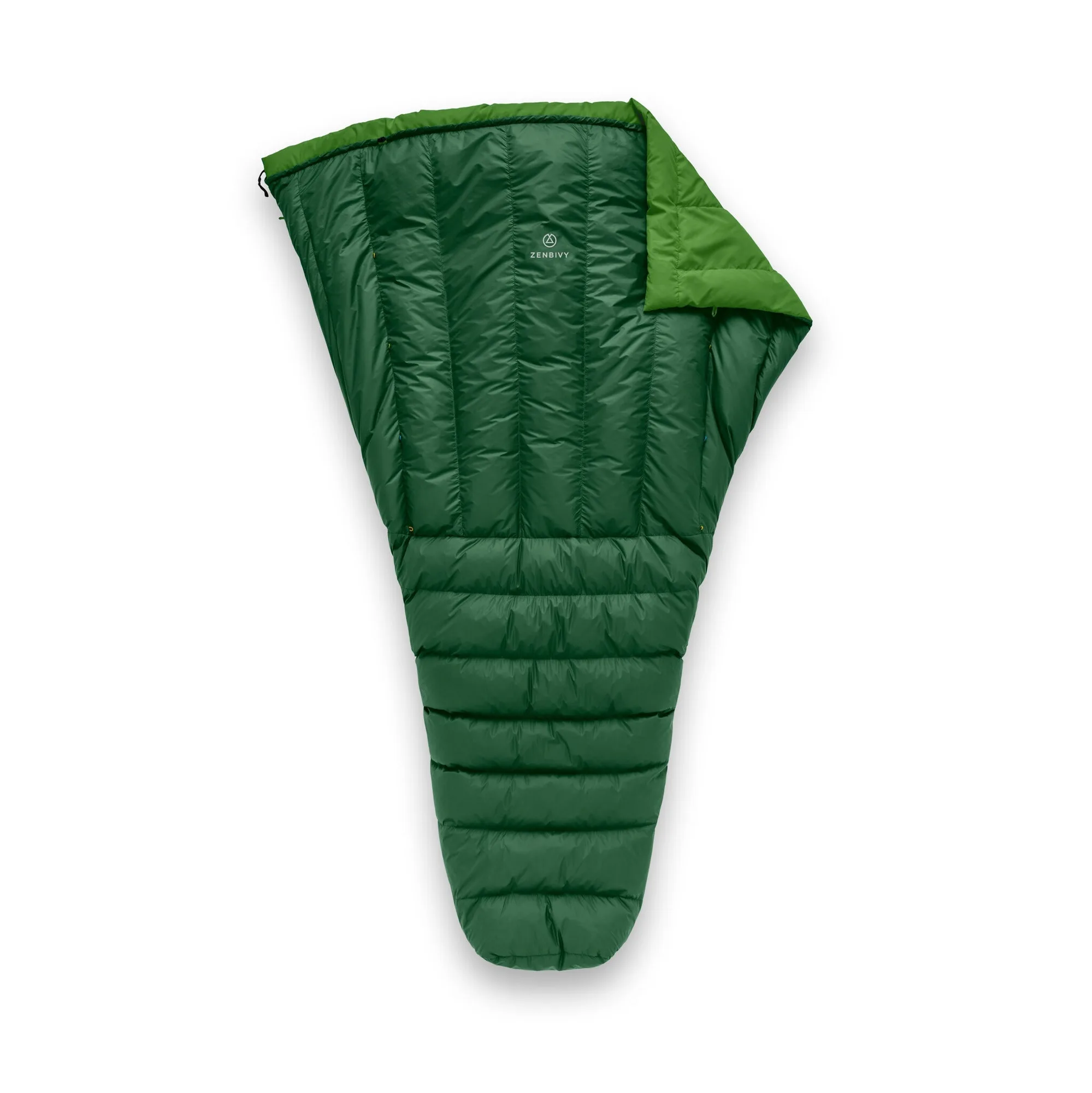
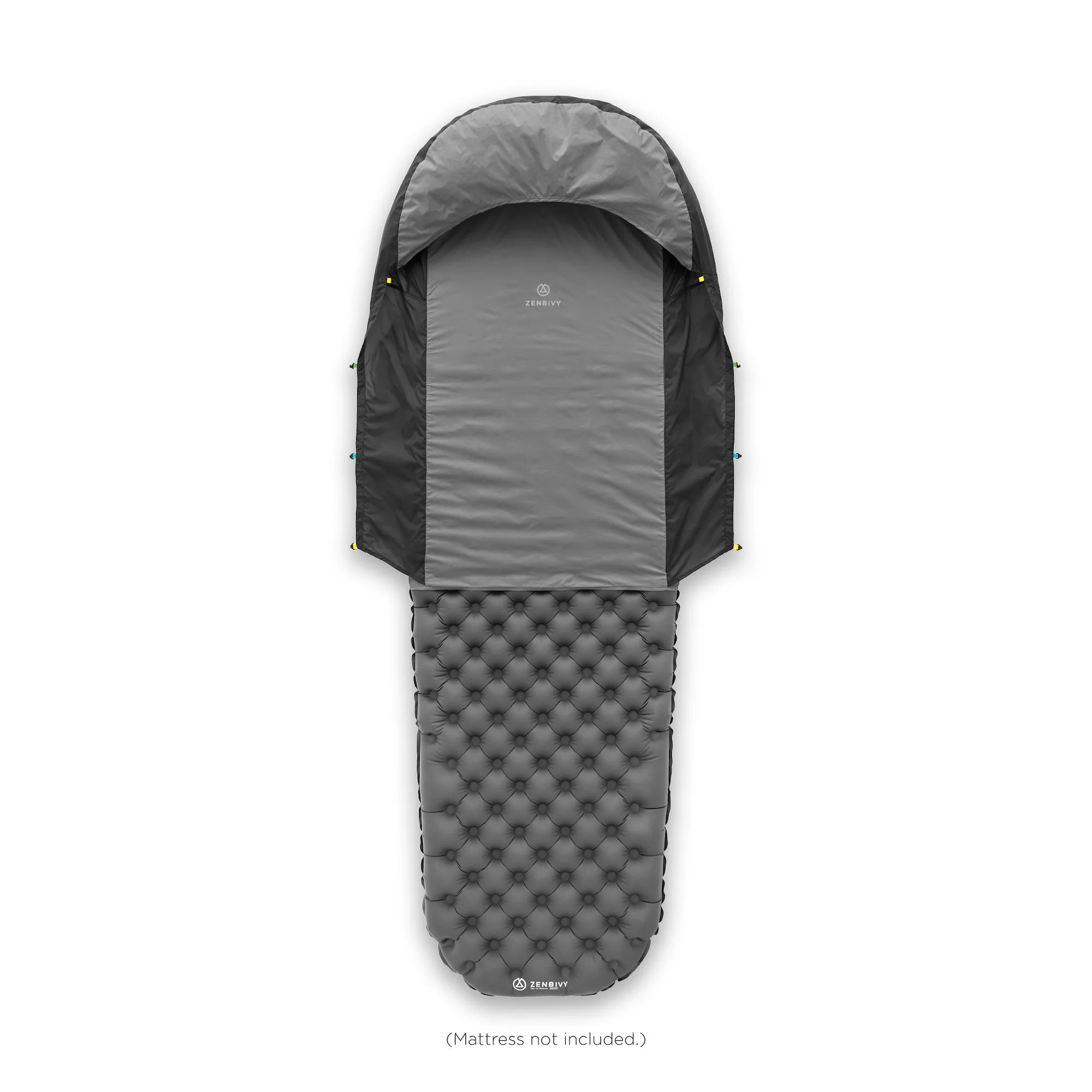
A quilt-and-sheet system is more adjustable. The Fast Sheet is built for minimalist, ultralight backpackers and pairs with any Zenbivy quilt to create a light sleep system. Starting at just 3 ounces, it blocks drafts while allowing freedom of movement. The Core Quilt is the simplest, softest, and most affordable backpacking quilt in the lineup, with a 50D Pongee lining. Together they let you change the quilt for temperature and keep the same sheet as the child grows.
The honest trade-off: a quilt system has a small learning curve. You have to attach it to the mattress and adjust the straps. Most kids figure it out in one trip, but if you want zero setup at bedtime, a traditional bag is still valid.
- Choose a quilt system if you want one purchase to last through growth spurts.
- Choose a traditional kids bag if simplicity at bedtime matters more than long-term adjustability.
Mattress and sheet pairing for small sleepers
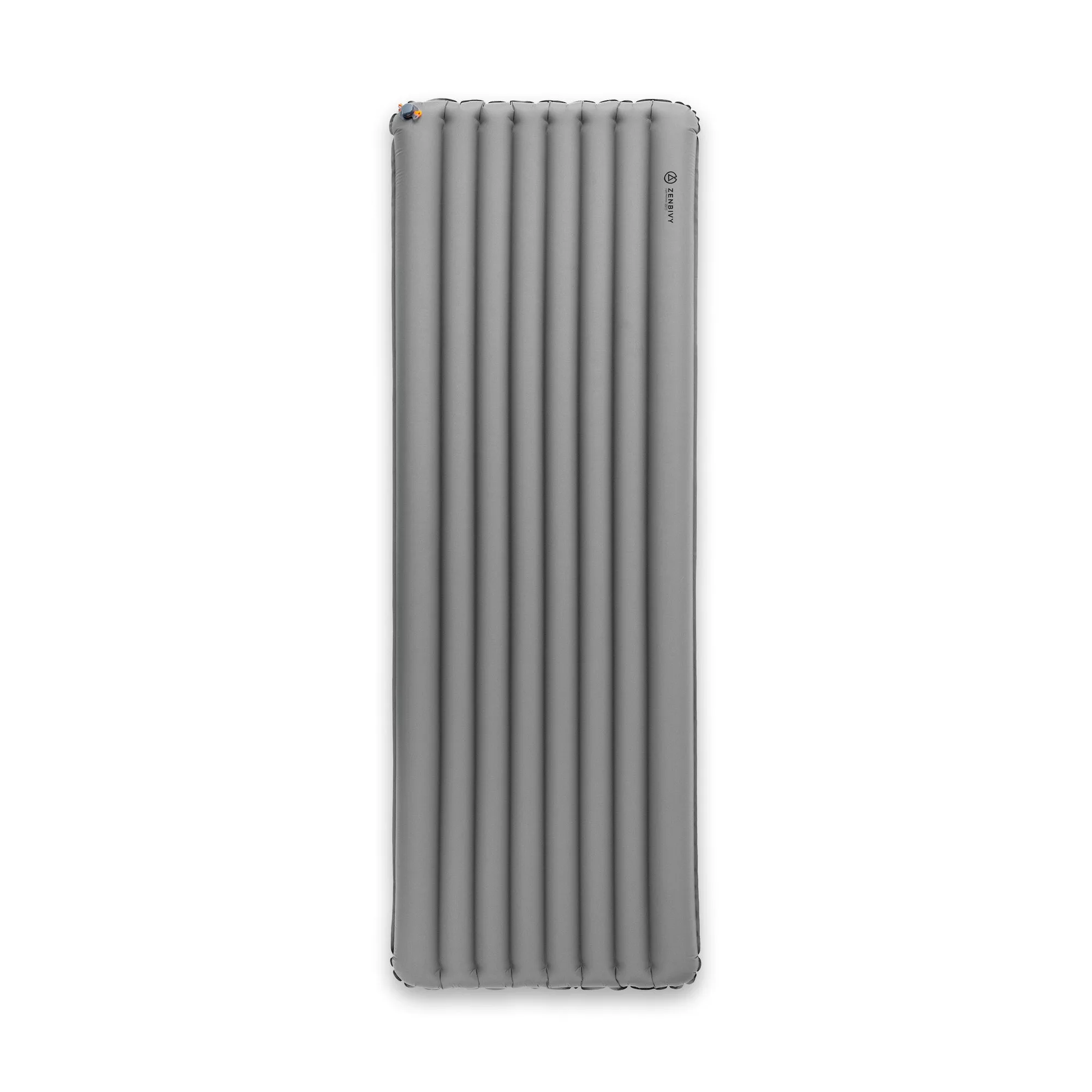
The mattress is half the system. A quilt only works if it stays put, and that depends on the pad underneath. The Light Mattress offers lightweight comfort and 3-season warmth with 200g of fully baffled synthetic insulation and EN/ISO-matched performance. It comes in sizes, so you can match a 20-inch or 25-inch width to your child's frame without oversizing.
If your child is a cold sleeper or you camp in shoulder seasons, the mattress insulation matters as much as the quilt. Synthetic insulation like the Light Mattress handles damp conditions better than down, which is a real advantage for kids who may not keep their gear perfectly dry. Pair it with a sheet sized to the same width, then add the quilt on top.
- Match mattress width and sheet width. A 25-inch sheet on a 20-inch pad will drape and create drafts.
- For cold sleepers, upgrade the mattress insulation before upgrading the quilt.
Decision rules for choosing a kids or small-frame sleep system
- Measure first, then pick a width: Lay out the mattress and measure its width. Choose a sheet or quilt that matches that width exactly. If the sleeper is under 5 feet, prioritize a 20- to 25-inch width over a longer length. Wrong width causes drafts; wrong length mostly causes weight.
- Use the comfort rating, not the limit rating: For anyone under about 5 feet tall, plan around the comfort rating. The Light Sheet Half Length 10° has a 20°F comfort rating, so treat 20°F as the realistic floor, not 10°F. If the forecast is near the comfort rating, add a warm base layer.
- Choose a quilt system if the child will grow: A quilt plus sheet lets you keep the sheet and swap the quilt as they grow or as seasons change. The Fast Sheet pairs with any Zenbivy quilt, and the Core Quilt is the affordable starting point. One sheet, multiple quilts, several years of use.
- Choose a traditional kids bag if setup simplicity wins: If bedtime at camp needs to be zero-fuss, a dedicated kids sleeping bag is still a reasonable choice. Accept that you will likely replace it as they grow. Simple now, shorter lifespan.
- Upgrade the mattress before the quilt for cold sleepers: If your child sleeps cold, add insulation underneath first. The Light Mattress uses 200g of fully baffled synthetic insulation and EN/ISO-matched performance, which helps more than a heavier quilt on a thin pad. Warmth from below is cheaper than warmth from above.
Product facts that matter for smaller frames
- Core Quilt: The Zenbivy Core Quilt is the simplest, softest, and most affordable backpacking quilt, featuring a soft 50D Pongee lining for premium comfort. It is the lowest-cost way to get a quilt system for a child, and the soft lining reduces the scratchy-feeling complaints that make kids resist sleeping in a bag.
- Fast Sheet: The Fast Sheet is built for minimalist, ultralight backpackers, blocks drafts while allowing total freedom of movement, pairs with any Zenbivy quilt, and starts at just 3 ounces. At 3 ounces it adds almost nothing to a child's pack, and the draft blocking means you can use a lighter quilt without getting cold.
- Light Mattress: The Light Mattress features 200g of fully baffled synthetic insulation and delivers EN/ISO-matched performance for lightweight 3-season warmth. Synthetic insulation tolerates damp conditions better than down, which is useful for kids who are still learning to keep gear dry.
- Light Sheet Half Length 10° (2025 model): The Light Sheet Half Length 10° (2025 model) has a 10°F limit rating and a 20°F comfort rating, weighs 9 oz, uses 800FP HyperDRY fluorocarbon-free water-resistant 90/10 duck down, and fits mattresses up to 25 inches wide. The 25-inch width limit and the 20°F comfort rating give you a clear planning number for a smaller sleeper, and the 9-ounce weight keeps the load light.
Who this system fits
Best for
- Children ages 6–12 who are ready for their own lightweight sleep system
- Smaller adults under about 5'4" who find adult bags too long and too wide
- Families who want one sheet and multiple quilts to cover growth and seasons
Not for
- Toddlers who still need a fully enclosed, zipped bag for safety and containment
- Campers who want zero setup at bedtime and will not adjust straps
- Anyone sleeping on a mattress wider than 25 inches who needs a wider sheet
The right sleeping bag for a child or smaller adult is the one that fits their mattress and their body, not the one with the lowest temperature number. Match the width, plan around the comfort rating, and choose a quilt-and-sheet system if you want it to last through growth. Start with the Core Quilt and a Fast Sheet, and upgrade the mattress insulation first if they sleep cold.