Quick answer
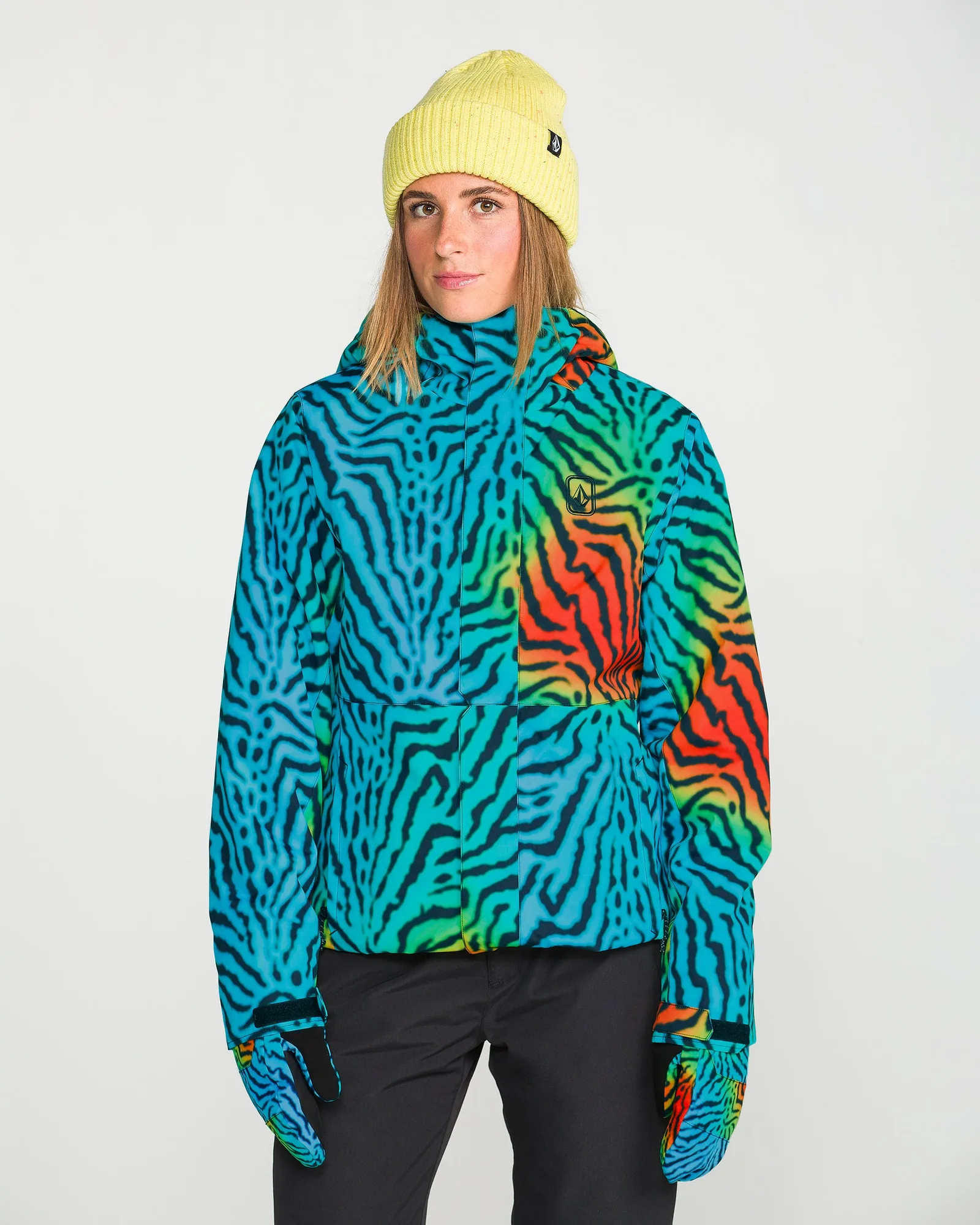
For wet coastal winters, prioritize a 2-layer shell with a 10K/10K waterproof-breathability rating and PFAS-free DWR, then add insulation only if you run cold. The Women's Bolt Insulated Jacket hits that balance with 80/60g recycled warmth, critically taped seams, and Zip Tech® jacket-to-pant connection. If you already own a shell, add a midlayer instead.
Waterproofing and Breathability: What the Numbers Mean
Waterproof ratings measure how much water pressure a fabric resists before leaking; breathability ratings measure how much moisture vapor escapes. A 10K/10K jacket like the Women's Bolt Insulated Jacket handles steady rain and wet snow while venting sweat on active days. Higher numbers (20K+) help in torrential rain but cost more and often feel stiffer. For most coastal winters, 10K/10K with fully taped seams is the practical sweet spot.
- 10K waterproofing: fine for rain, slush, and moderate snow; not for prolonged downpours.
- 10K breathability: adequate for resort skiing and snowboarding; not for high-output touring.
- Critically taped seams: seal the most exposed seams; fully taped seals all seams for maximum wet-weather protection.
- PFAS-free DWR: sheds water without forever chemicals; reapply when water stops beading.
Insulated vs. Shell: Match Your Layers to the Weather
An insulated jacket like the Women's Bolt Insulated Jacket (80/60g recycled insulation) works for cold, wet days when you want warmth without extra layers. A shell lets you add or remove midlayers as temps swing. Coastal winters often hover around freezing with rain, so insulation plus a breathable shell is more versatile than a heavy parka. If you run hot or plan to hike, choose a shell and layer a fleece underneath.
- Choose insulated if you feel cold easily or want one-and-done convenience.
- Choose a shell if you already own midlayers or expect variable output levels.
- Avoid down insulation for wet coastal climates; synthetic stays warm when damp.
Fit and Features That Keep Water Out
A snow jacket for wet winters needs an adjustable hood that fits over a helmet, cinchable cuffs, and a powder skirt to block snow and rain from riding up. The Women's Bolt Insulated Jacket includes a cinch hood, adjustable cuffs, and a powder skirt, plus a Super Suede chin guard for comfort. Zip Tech® lets you connect the jacket to compatible pants, preventing drafts and water entry during falls. Look for a mid-length cut that covers your hips without restricting movement.
- Helmet-compatible hood: adjust it snug to keep rain off your face.
- Powder skirt: essential for deep snow; helpful in wind-driven rain.
- Zip Tech®: links jacket to pants; stops snow from packing into your waistband.
- Tricot hand pockets: warm, dry storage for small items.
How to Test Waterproofing and Breathability Before You Buy
You cannot test a jacket in-store, but you can check the label for a waterproof/breathability rating and seam sealing. If the rating is absent, treat it as a casual jacket, not a wet-weather shell. For coastal winters, avoid jackets labeled only 'water-resistant'—they wet out quickly. Also check for a DWR finish; if water beads and rolls off, it is working. When it stops, wash with a technical cleaner and tumble dry low to reactivate.
- Look for a numeric rating (e.g., 10K/10K).
- Check seam taping: critical vs. fully taped.
- Confirm DWR is PFAS-free if environmental impact matters to you.
- Read care instructions; regular washing maintains breathability.
Decision rules for wet coastal winters
- If you ride in frequent rain or wet snow: Choose a jacket with at least 10K waterproofing, critically taped seams, and a PFAS-free DWR. The Women's Bolt Insulated Jacket meets these specs. Check the rating label; no number means no guarantee.
- If you run warm or hike to your runs: Pick a shell and layer a fleece or synthetic midlayer underneath. Skip insulation to avoid overheating. Breathability matters more than waterproofing when you sweat.
- If you want one jacket for everything: An insulated jacket with 80/60g synthetic fill like the Women's Bolt Insulated Jacket covers cold resort days and wet coastal storms. Synthetic insulation stays warm when damp; down does not.
- If you fall often in deep snow: Prioritize a powder skirt and Zip Tech® jacket-to-pant connection to keep snow out. These features also block wind-driven rain.
Product facts
- Women's Bolt Insulated Jacket: The Bolt Insulated Jacket packs 80/60g recycled warmth inside V-Science 2-Layer protection with 10K/10K and PFAS-free DWR. This combination handles wet coastal winters without overheating, and the PFAS-free DWR avoids harmful chemicals.
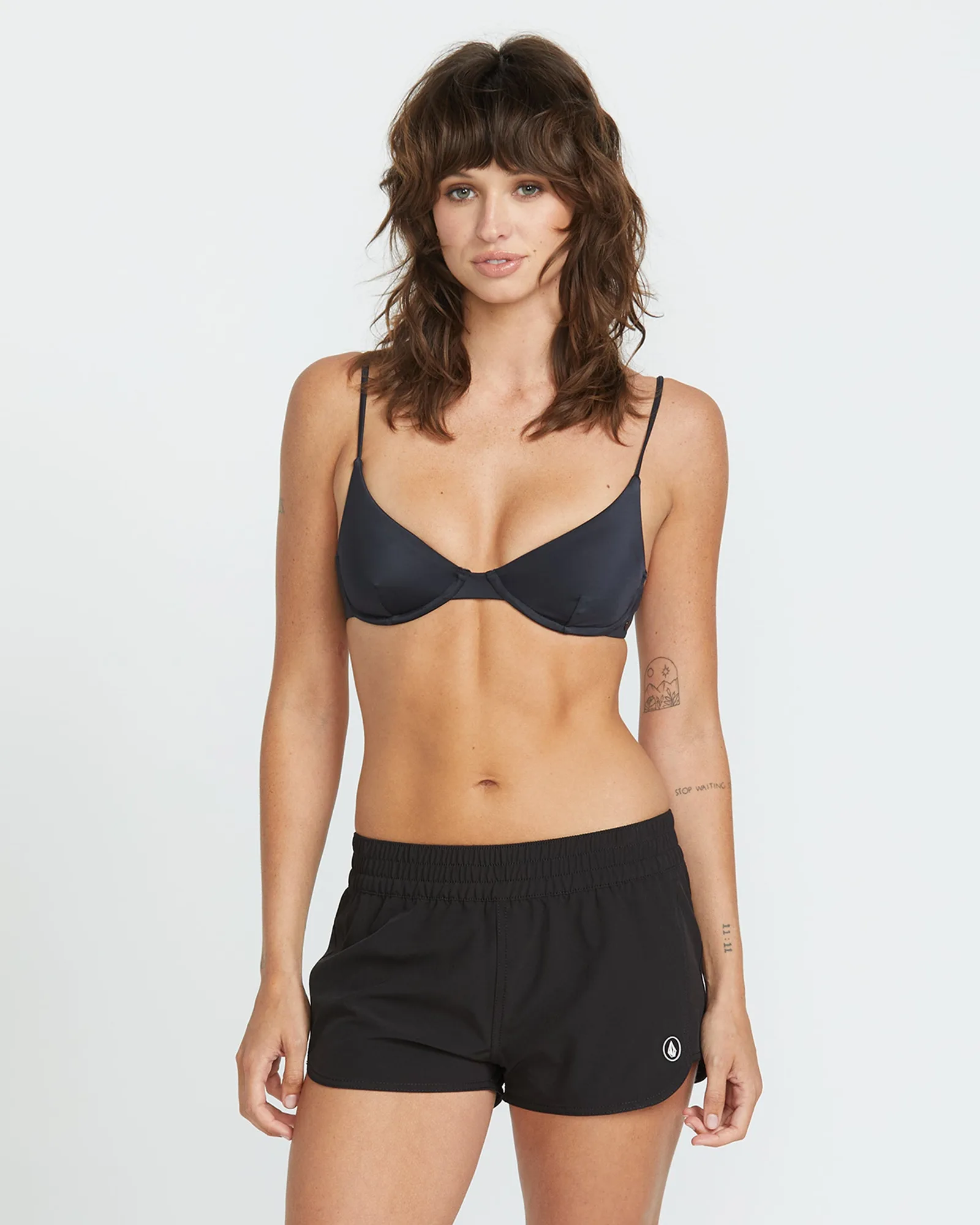
- Women's Simply Solid Boardshorts: The Simply Solid 2-inch is a sleek black pull-on with a smocked waist, 4-way stretch and UPF 50+ for marathon sessions. While not a snow jacket, these boardshorts are a reminder that Volcom builds for water; the same attention to wet-weather performance applies to their snow line.
Fit guidance
Best for
- Skiers and snowboarders who face rain, sleet, and wet snow
- Riders who want one insulated jacket for cold, damp days
- Anyone who values PFAS-free DWR and recycled insulation
Not for
- High-output backcountry tours where breathability above 10K is needed
- Warm spring conditions where an uninsulated shell is sufficient
- Prolonged heavy downpours where 20K+ waterproofing is warranted