Quick answer
Choose socks by matching fiber to your sweat level, then dialing in fit: a smooth toe seam, a cuff that stays up without pinching, and a heel that sits at your heel bone. Breathable socks for daily wear usually blend a moisture-friendly fiber with a small amount of stretch, and they should feel snug but never tight.
Most sock discomfort is not mysterious. It comes from a fiber that traps moisture, a cuff that digs in, or a footbed that slides because the size is slightly off. Fix those three things and you can wear the same pair from breakfast to bedtime without thinking about your feet.
This guide walks through a repeatable process you can use in a store or with socks you already own. It focuses on how to choose socks for real days, not just for a single workout, so you can build a small rotation that actually works.
Start with how much your feet sweat
Your day decides your fiber. If you sit at a desk in a cool room, a soft cotton-rich sock feels pleasant and breathes well enough. If you walk a lot, commute on a warm train, or wear closed shoes for hours, look for fibers that move moisture away from skin, such as a cotton blend with a technical yarn or a breathable synthetic blend. The goal is not the thinnest sock; it is a sock that dries while you wear it.
A common mistake is buying one fiber for every situation. A heavy cotton sock that feels great on a cool morning can feel damp and cold by afternoon. Rotate two or three weights instead of forcing one pair to do everything.
- Checkpoint: press the sock against your forearm. If it feels plasticky and does not spring back, it may not handle moisture well.
- If you often get cold feet in air conditioning, a slightly thicker breathable sock can feel better than a thin one.
Match the sock to the shoe, not just the foot
Sock thickness changes how a shoe fits. A thin dress sock in a roomy sneaker can let your foot slide, which causes friction and blisters. A thick cushioned sock in a snug dress shoe can press your toes and make them ache. Before you buy, put the sock on with the shoe you plan to wear most and walk a few steps.
If you are between two sizes, size down for a close fit in thin socks and size up for cushioned socks. The sock should not bunch under your arch or leave extra fabric at the toe. This is the part of the sock fit guide people skip, and it is the reason a good sock can still feel wrong.
- Checkpoint: your heel should sit in the sock's heel pocket, not halfway up your ankle.
- For daily wear, a low or quarter sock works with sneakers; a crew sock stays put under trousers.
Inspect the seam, cuff, and heel
Run your finger inside the toe. A flat or smooth toe seam reduces rubbing on the little toe and the top of the toes. A bulky seam is the most common cause of a sock that feels fine for an hour and annoying by lunch. Next, check the cuff: it should hold the sock up without leaving a deep mark on your calf.
Finally, look at the heel. A defined heel pocket keeps the sock from rotating around your foot. If the heel is a straight tube, the sock will slide down and bunch. These three checks take ten seconds and save you from a drawer full of socks you never reach for.
- Common mistake: assuming a tight cuff means a secure fit. Too much pressure can reduce circulation and feel worse as the day goes on.
- If you have sensitive skin, choose socks with minimal seaming and a soft, non-itchy fiber.
Test the stretch and wash behavior
Stretch helps a sock stay in place, but too much elastic can feel restrictive. Gently pull the sock widthwise and lengthwise. It should extend and recover without staying stretched out. A sock that relaxes after one wear will slide down and bunch at the heel, which is a fast route to discomfort.
Wash care matters more than most people expect. Hot water and high heat can shrink fibers and break down elastic, so follow the label. If you want a low-effort rotation, buy several pairs of the same model and wash them together so you always have a comfortable pair ready.
- Checkpoint: after washing, the sock should return to its original shape, not stay baggy at the ankle.
- Air-drying stretch blends can extend their useful life.
Your 5-step sock fit check
- 1. Match fiber to your day: Choose a breathable cotton blend for cool, low-sweat days and a moisture-moving blend for warm or active days. Checkpoint: if your feet feel damp by mid-morning, the fiber is wrong for that day.
- 2. Try the sock with your shoe: Wear the sock with the shoe you will use most and walk a few steps to check for sliding or pinching. If your toes press or your heel lifts, change sock thickness before changing shoe size.
- 3. Check the toe seam and heel pocket: Feel inside the toe for a flat seam and make sure your heel sits in the heel pocket, not above it. A bulky seam or a straight tube heel is a common cause of all-day irritation.
- 4. Test cuff pressure: The cuff should keep the sock up without leaving a deep mark or feeling tight after a few minutes. If you can see a strong indentation, size up or choose a wider cuff.
- 5. Wash and rotate: Follow the care label, avoid high heat, and keep two or three pairs in rotation instead of relying on one pair. A small rotation keeps socks elastic and comfortable for longer.
How HOM underwear thinking applies to socks
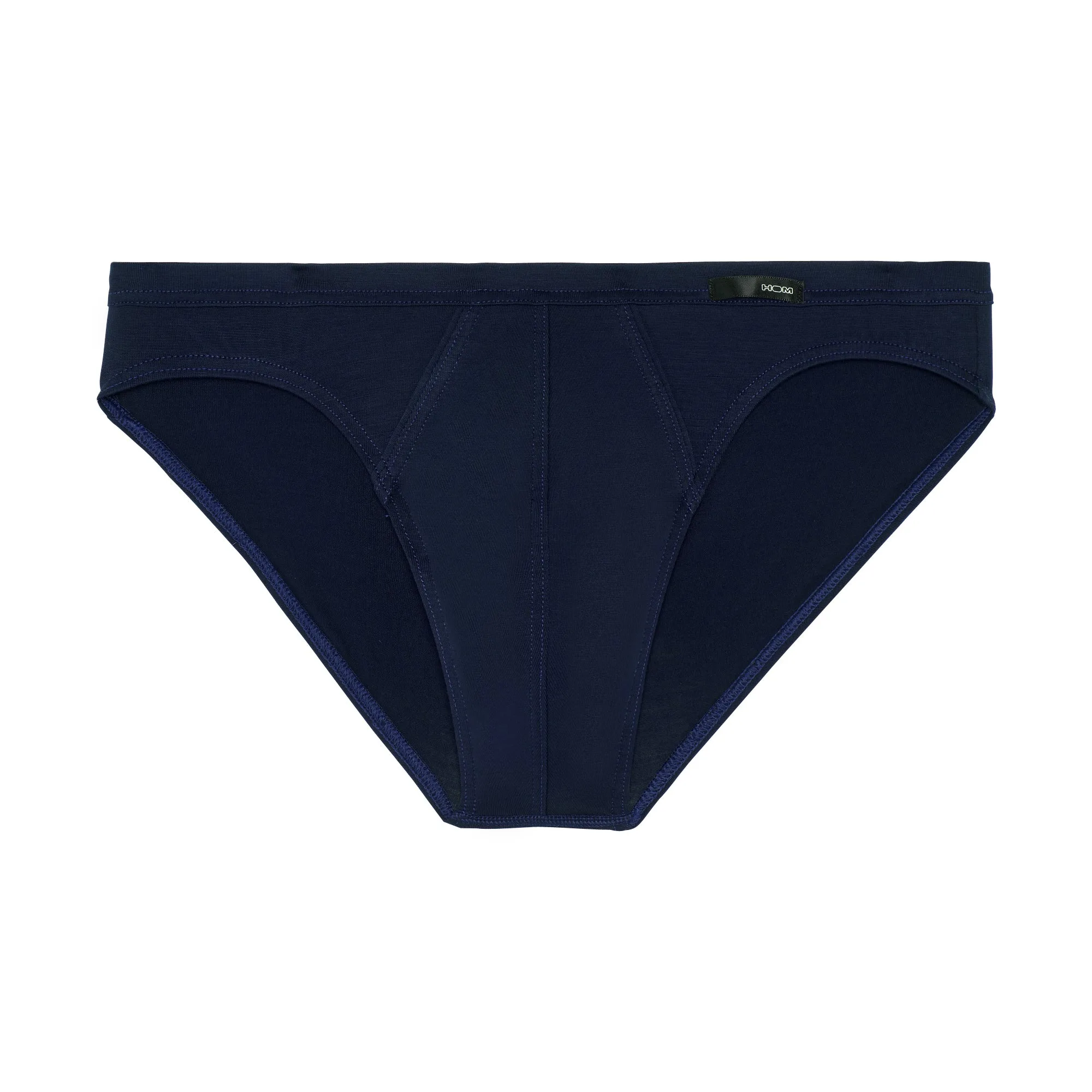
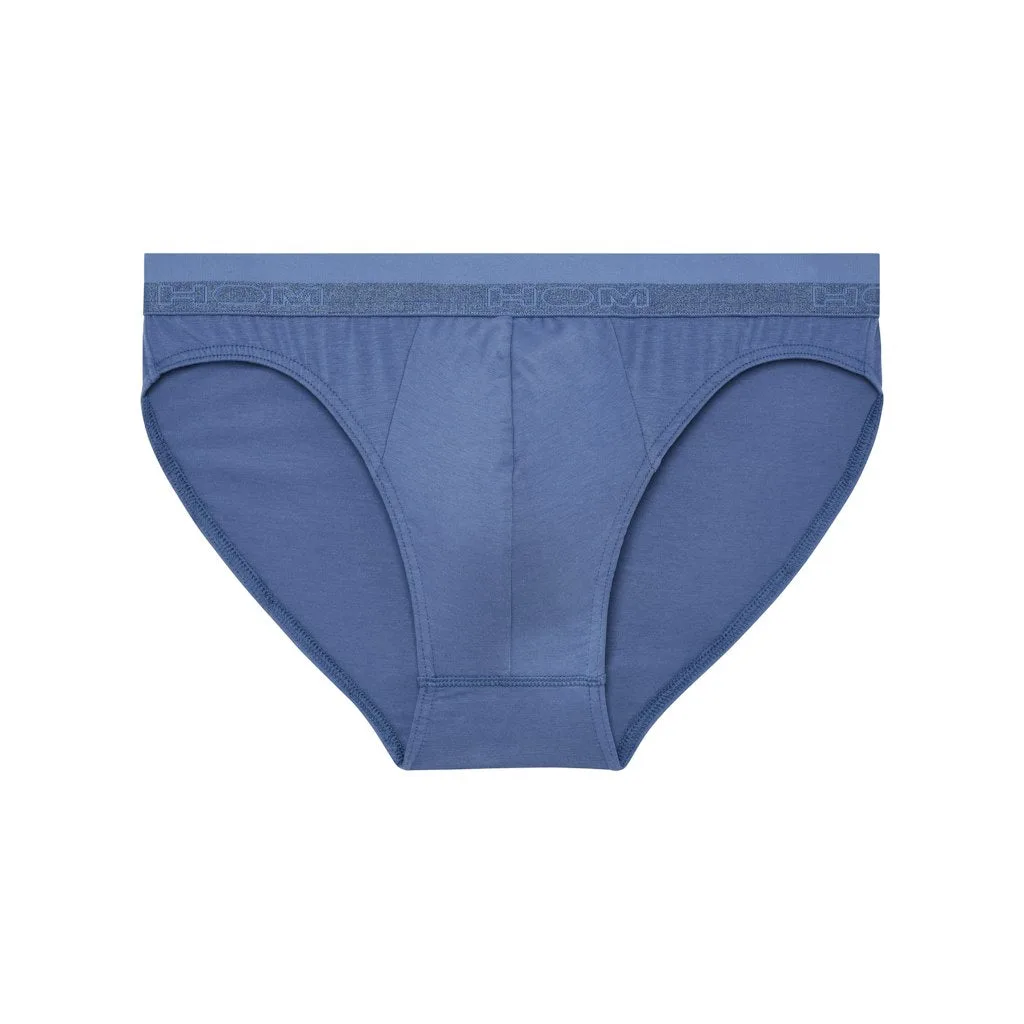
- Tencel Soft Comfort Micro Briefs | Navy 402463-00ra: Made from 97% Lyocell and 3% spandex yarn, a material of natural origin obtained from wood pulp that is four times more absorbent than cotton. The same logic applies to socks: a fiber that absorbs and releases moisture helps you stay comfortable when you are active, while a small amount of spandex keeps the fit close without pressure.
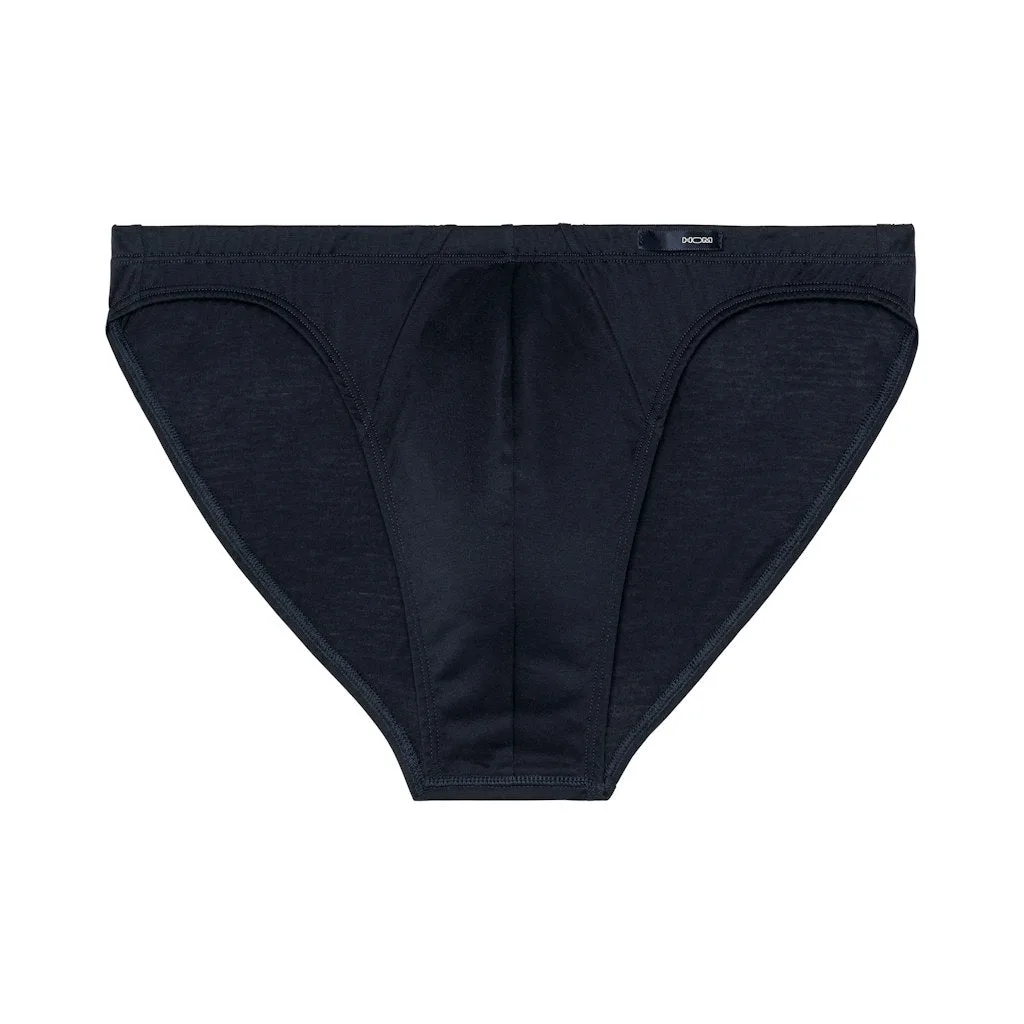
- Premium Cotton Micro Briefs | Navy 359699-00ra: Made from natural 100% mercerized cotton with a folded-down waistband and French seams, with a doubled flexible front lining and invisible inside seams. Smooth, low-bulk construction is what makes everyday basics feel good for hours. In socks, that translates to flat toe seams and a soft cuff that does not dig in.
Comfortable socks are less about brand hype and more about a simple match: the right fiber for your day, a fit that stays put, and a smooth interior. Run through the five-step check once, then buy a few pairs that pass it. Your feet will stop being the part of your day you notice.