Quick answer
For most small rooms, start with a compact two-way bookshelf or in-ceiling speaker that uses a coaxial driver, then add a subwoofer only if you need deeper bass. Prioritize fit and dispersion over raw size, and match the speaker to your amplifier and mounting options before you buy.
Choosing speakers for a small room is less about finding the biggest sound and more about matching dispersion, mounting depth, and bass output to your actual space. A large floorstanding speaker can overwhelm a 10 by 12 foot room, while a well-placed compact model often sounds cleaner and more balanced.
This guide gives you concrete decision rules for small room audio. You will learn how to pick between bookshelf, in-ceiling, and in-wall options, when a subwoofer helps, and which specifications actually matter when space is tight.
Start with room size and listening distance
Measure your room and your main listening distance before you look at speakers. In rooms under about 150 square feet, you will usually sit 6 to 9 feet from the speakers. At that distance, a compact speaker with wide dispersion fills the space more evenly than a large floorstander that needs more distance to integrate its drivers.
If your seating is against the back wall, avoid rear-ported designs unless you can leave at least a few inches behind them. Sealed or front-ported compact speakers are more forgiving in tight placements. For in-ceiling options, the ceiling height and joist spacing matter as much as the driver size.
- Measure room length, width, and your seating distance before comparing models.
- Leave 6 to 12 inches behind rear-ported speakers, or choose a sealed design.
- In-ceiling speakers need clear space above the ceiling; check joists and depth first.
Match driver size to the room, not to the marketing
A 6.5-inch woofer is a common sweet spot for small rooms because it moves enough air for music and movies without demanding a large cabinet. Smaller 4- to 5-inch drivers can work well in very tight spaces, especially when paired with a subwoofer for low frequencies.
Coaxial drivers, where the tweeter sits in the center of the woofer, are especially useful in small rooms. They spread sound over a wider area, which means you can use fewer speakers and still get consistent coverage. That is a real advantage when you cannot place multiple speakers at ideal angles.
- Choose 5- to 6.5-inch woofers for most small rooms; go smaller only with a subwoofer.
- Coaxial drivers improve coverage and reduce the need for extra speakers.
- Do not assume a bigger driver is better; it may need more distance to sound right.
Decide between bookshelf, in-ceiling, and in-wall
Bookshelf speakers on stands or a shelf give you the most flexibility for placement and future upgrades. They are the default choice for a small room speaker setup where you want stereo imaging and do not want to cut into walls. Just budget for stands or isolation pads to control vibration.
In-ceiling and in-wall speakers save floor and shelf space, which matters in tight rooms. They are ideal when furniture placement makes stands impractical. The trade-off is installation work and less flexibility to adjust placement later. If you rent or move often, bookshelf speakers are the safer bet.
- Choose bookshelf speakers for flexibility and easier upgrades.
- Choose in-ceiling or in-wall speakers when floor and shelf space are tight.
- Plan for installation depth, grille clearance, and cable routing before cutting.
Plan bass separately in small rooms
Small rooms often have uneven bass because of standing waves. A compact speaker that rolls off early can actually sound cleaner than a larger speaker that overloads the room. If you want deep bass for movies, add a subwoofer and place it where it sounds most even, not just where it fits.
If you cannot add a subwoofer, look for a compact speaker with honest low-frequency extension and consider room correction or bass traps. In-ceiling subwoofers are an option when floor space is unavailable, but they require careful installation and a compatible amplifier channel.
- Add a subwoofer only after you have placed your main speakers well.
- Try multiple subwoofer positions; the best spot is rarely the obvious one.
- In-ceiling subwoofers save space but need proper amplification and installation.
Check power, impedance, and amplifier matching
Passive speakers need an amplifier that can deliver enough clean power for your room and listening levels. In a small room, you rarely need high wattage, but you do need an amplifier that stays stable at your speaker's impedance. Check the nominal impedance and sensitivity before you buy.
If you already own an amplifier, match the speaker to it rather than the other way around. If you are starting fresh, a compact integrated amplifier or a streaming amplifier with room correction can simplify a small room setup. Wireless speakers avoid amplifier matching entirely but limit upgrade paths.
- Check nominal impedance and sensitivity before pairing with an amplifier.
- In small rooms, 30 to 50 clean watts per channel is often enough.
- Wireless speakers simplify setup but reduce future flexibility.
Decision rules for small room speakers
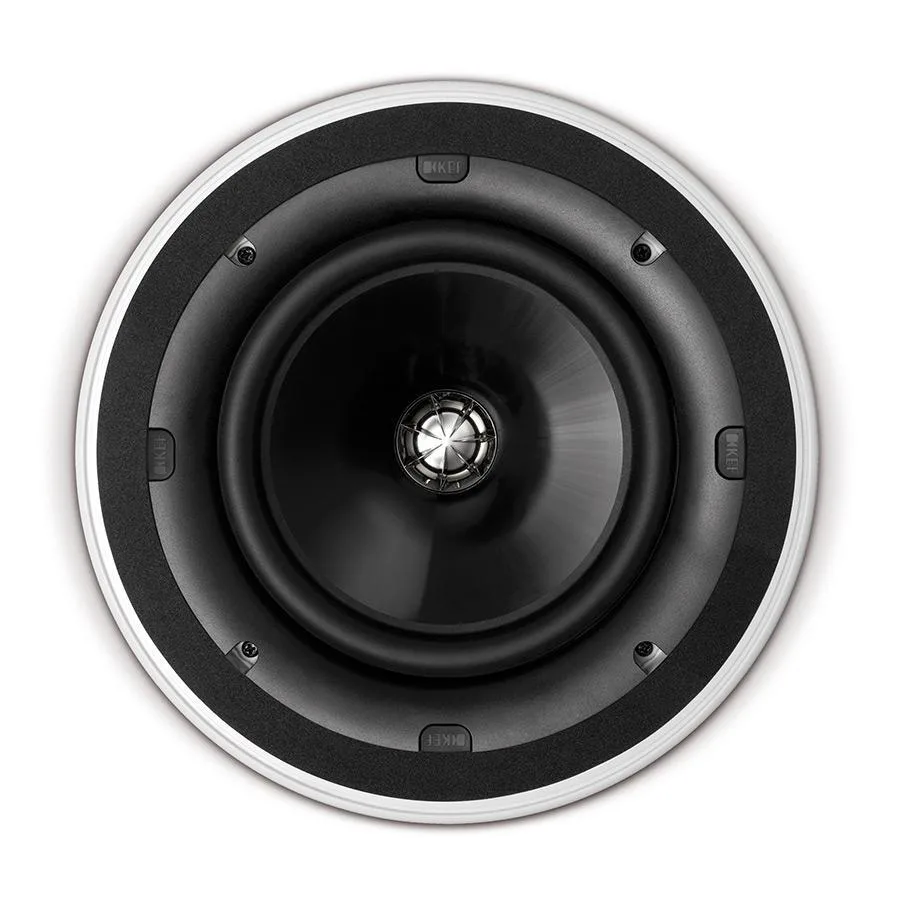
- If you sit within 6 to 9 feet: Choose a compact two-way or coaxial speaker with a 5- to 6.5-inch woofer. Wide dispersion matters more than maximum output at this distance. Prioritize coaxial designs like the Ci200QR or Ci160.2CR for even coverage.
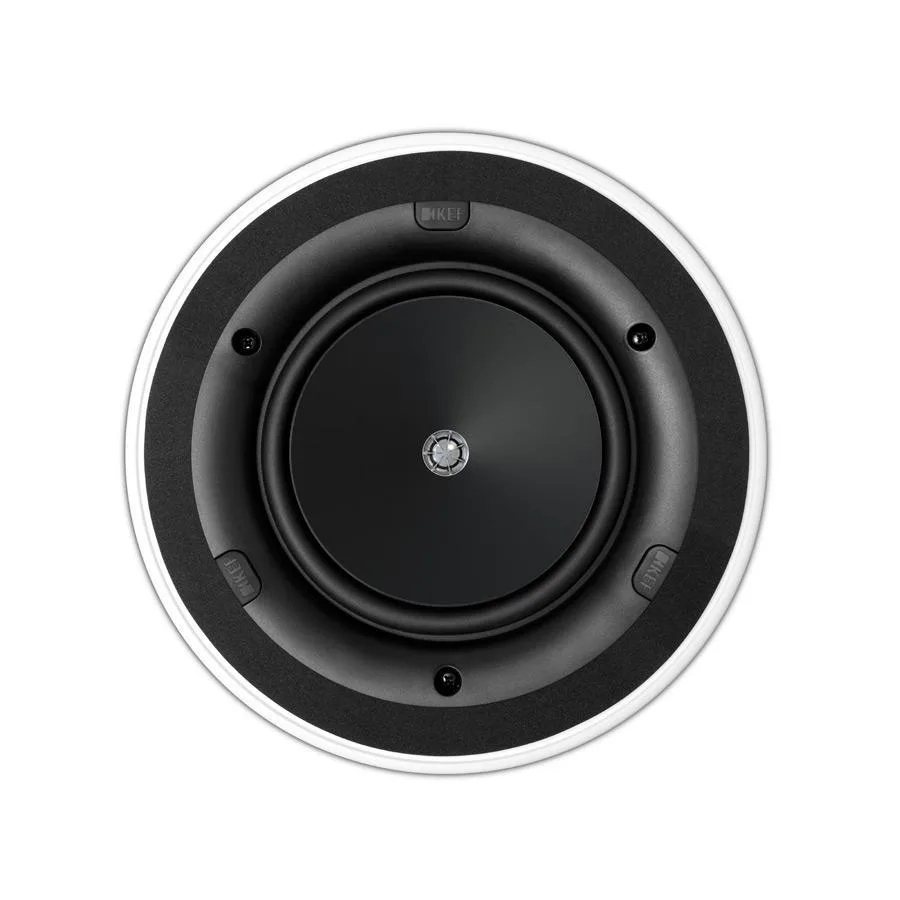
- If floor and shelf space are tight: Choose in-ceiling or in-wall speakers to free up the room. Confirm mounting depth and joist clearance before buying. The Ci160.2CR's shallow mounting depth is designed for exactly this constraint.
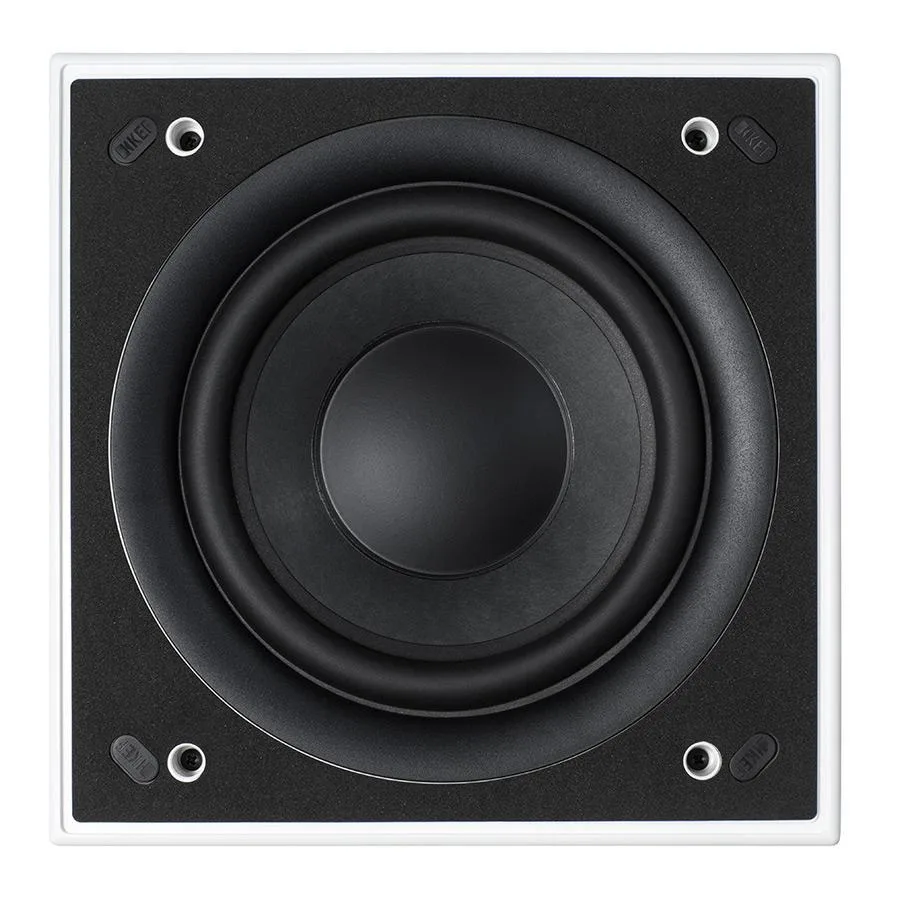
- If you want deep movie bass: Add a subwoofer rather than relying on compact main speakers. Place it where bass sounds most even, not just where it fits. An in-wall subwoofer like the Ci200QSb-THX can save space when a floor subwoofer is not an option.
- If you already own an amplifier: Match the speaker's impedance and sensitivity to your amplifier's power. In small rooms, clean power matters more than high wattage. Check the amplifier manual before buying passive speakers.
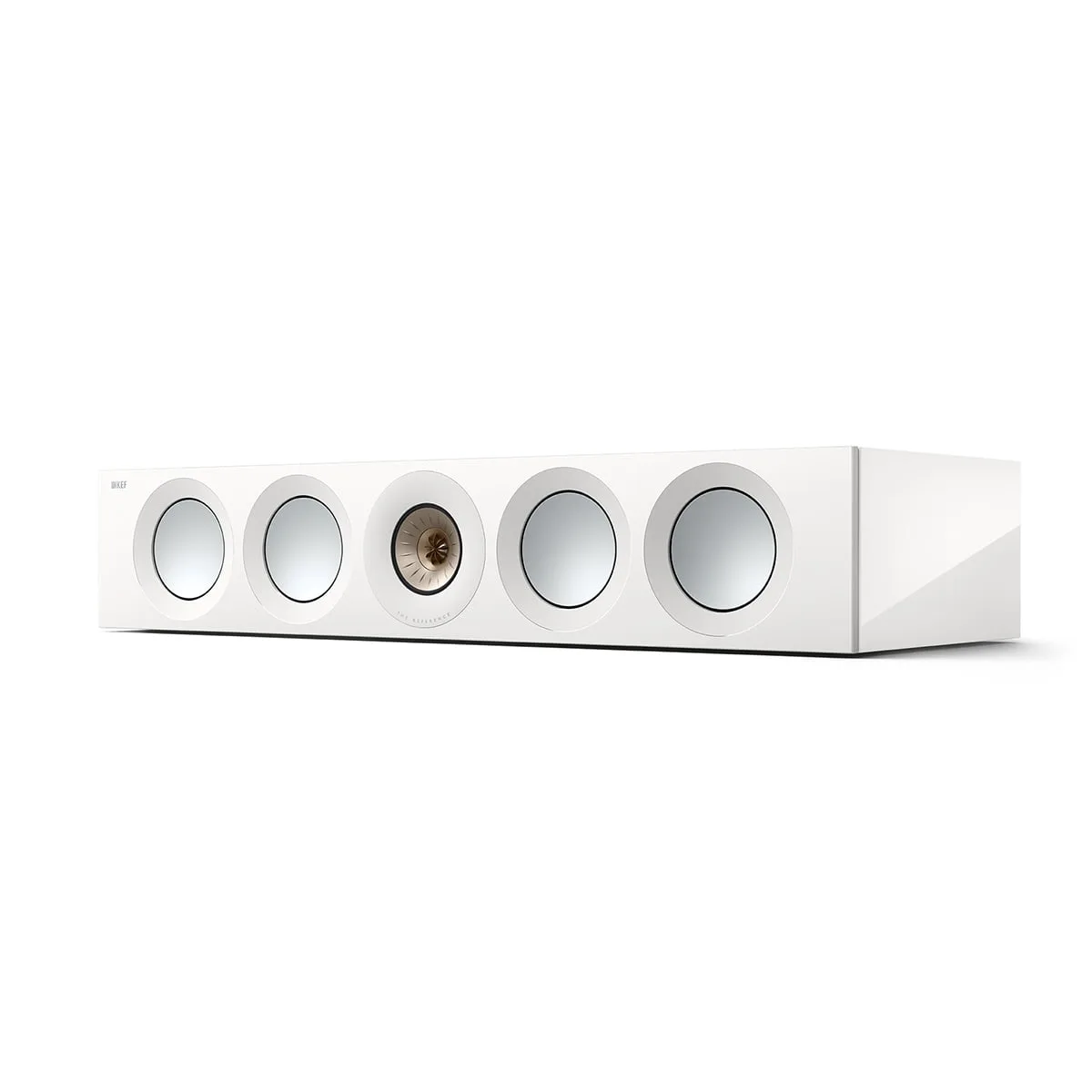
- If you want the highest clarity for a dedicated small room: Step up to a high-performance model with advanced driver technology and accept the larger size and higher cost. The Reference 4 Meta is a centre or LCR option for rooms where detail and dialogue clarity are the priority.
Product facts that matter in a small room
- Ci200QR: Thin bezel and narrow rim allow for flawless integration, and the Uni-Q driver spreads sound over a wider area enabling you to use fewer speakers. In a small room, wide dispersion means you can get even coverage from fewer in-ceiling speakers, which saves installation work and keeps the ceiling visually clean.
- Ci160.2CR: Features KEF's patented Uni-Q driver array for even sound dispersion, and an extremely shallow mounting depth allows installation where other speakers in its class won't fit. Shallow mounting depth is a real advantage in small rooms with limited ceiling cavity space, and the coaxial driver helps fill the room from a single ceiling position.
- Ci200QSb-THX: THX ULTRA Certified 200mm subwoofer delivering deep bass and theatre-level output, matched to full theatre sound quality. If you want movie bass in a small room without a floor-standing subwoofer, an in-wall or in-ceiling subwoofer can save space, but it requires proper amplification and installation planning.
- Reference 4 Meta: Features four bass drivers and 12th generation Uni-Q driver array with MAT, and can be used as a centre speaker or Left-Centre-Right speaker. This is a high-output, high-clarity option for small dedicated rooms where movie dialogue and detail matter more than floor space, though it is larger and more expensive than typical compact speakers.
Who this guide is for
Best for
- Listeners setting up stereo or movie sound in a room under about 150 square feet
- Renters or frequent movers who need flexible, non-permanent speaker placement
- Anyone choosing between bookshelf, in-ceiling, and in-wall speakers for a tight space
Not for
- Large open-plan rooms where floorstanding speakers and high output are the priority
- Listeners who want a single wireless speaker and no amplifier or installation planning
- Buyers who cannot check ceiling depth, joist spacing, or amplifier compatibility before purchase
Choosing speakers for a small room comes down to fit, dispersion, and honest bass expectations. Measure your space, pick a compact coaxial or two-way design that matches your mounting options, and add a subwoofer only when you need deeper low frequencies. That approach gives you clean, even sound without overwhelming the room.