Quick answer
For cold water surfing, choose split toe surf boots with a 3mm neoprene thickness for warmth without sacrificing flexibility, and ensure a snug fit that prevents heel lift and water flushing.
Why split toe design matters for cold water
Split toe surf boots separate your big toe from the other toes, giving you better grip and control on the board. This design mimics the feel of barefoot surfing while adding thermal protection. In cold water, maintaining board feel is crucial for quick adjustments and stability.
Thickness and material trade-offs
Thicker neoprene (5mm or 7mm) provides more warmth but reduces flexibility and board feel. For most cold water conditions (50-60°F / 10-15°C), 3mm booties offer a good balance of insulation and dexterity. Thinner boots flush water faster and dry quicker, but offer less protection against numbness.
Fit and sizing considerations
Surf booties should fit like a second skin—snug but not painful. If your toes curl or the heel slips, the boot is too big or too small. Always try them with the socks you plan to wear (if any). Most brands recommend going up one size from your street shoe if you wear neoprene socks, but check the specific size chart.
Decision rules for choosing split toe surf boots
- Water temperature rule: Use 3mm boots for water temps 50-60°F (10-15°C). For colder water (below 50°F), consider 5mm or 7mm boots, but accept reduced flexibility.
- Fit rule: Your boots should feel snug with no heel lift and no toe curl. If your toes touch the end when standing, they are too small. If your heel moves when walking, they are too large. Test fit by walking a few steps and bending your ankles—any slipping means water will flush in and chill your feet.
- Split toe vs. round toe: Choose split toe if you prioritize board feel and grip. Choose round toe if you want simpler construction and slightly easier on/off, but accept less dexterity. Split toe boots are generally preferred by surfers who want maximum control in cold water.
- Sole type rule: Look for a sturdy rubber sole with good traction for walking on rocks or boat decks. Thin soles offer better board feel but less protection; thick soles protect better but mute feedback.
- Closure and seam rule: Sealed or taped seams reduce water entry and increase durability. Adjustable ankle straps help lock out water. Velcro closures are common and reliable if kept clean.
Product highlights
-
Men's 3MM Split Toe Bootsies: Men's 3MM Split Toe Bootsies use soft yet tough polychloropene for light, flexible feel with sturdy soles and split toe construction. The 3mm thickness keeps your feet warm in cold water while the split toe design maintains board control, making them a practical choice for chilly sessions.
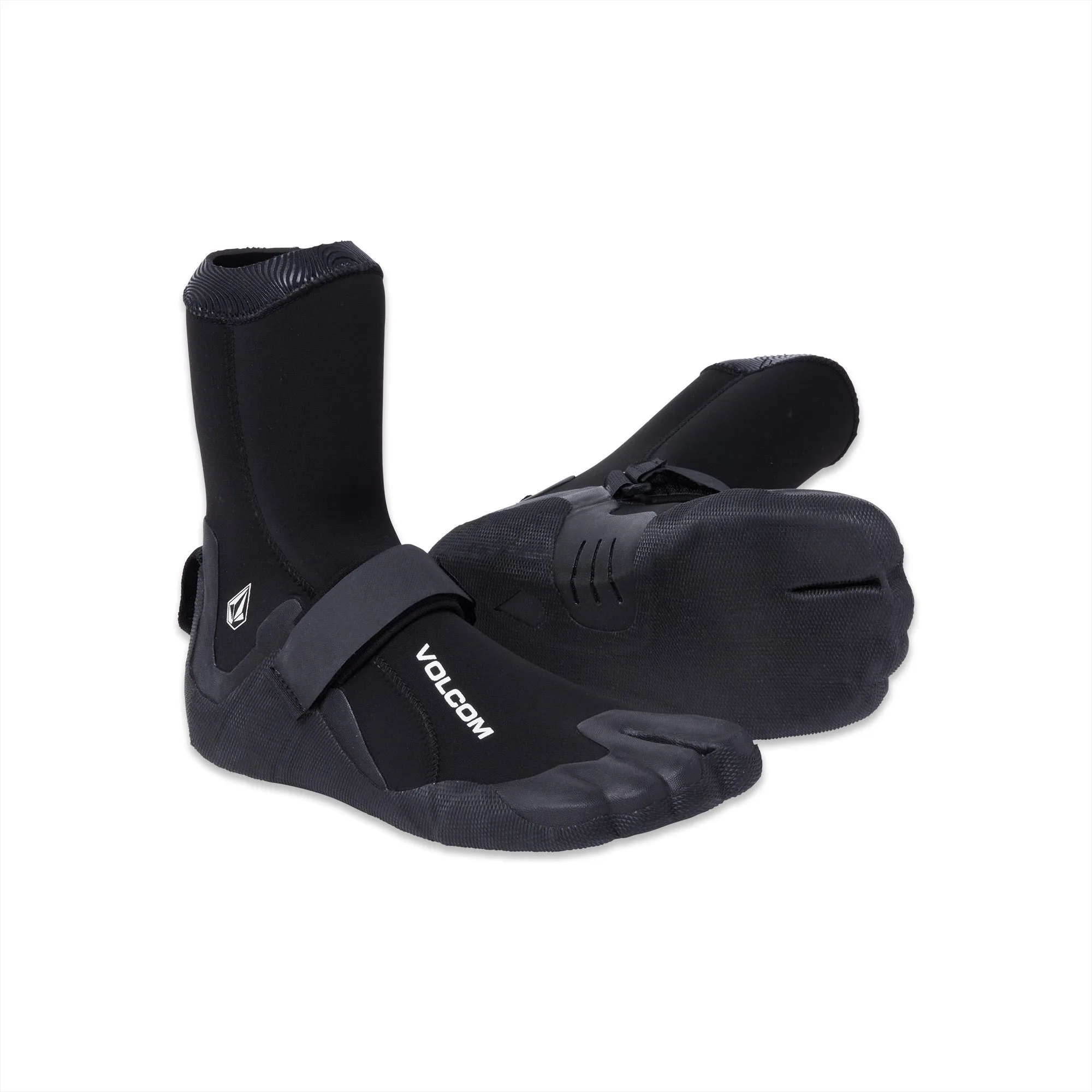
Men's 3MM Split Toe Bootsies
Who should buy split toe surf boots?
Best for
- Surfers who need board feel and control in cold water (50-60°F)
- Riders who want a secure, snug fit without heel lift
Not ideal for
- Surfers in very cold water (below 50°F) who need maximum insulation—consider 5mm or 7mm round toe boots instead
- Those who prioritize quick on/off over board feel—round toe boots are simpler