Acne can be frustrating, especially when it feels like nothing works. But spot patches have become a game-changer in acne treatment, offering a targeted, gentle way to heal breakouts overnight. However, not all patches are created equal. The key to success is matching the right patch to your specific acne type.
In this guide, we break down the different kinds of acne and explain which spot patch features you need for each. Whether you have a whitehead ready to pop or a deep, painful cyst, there is a Korean skincare solution that can help speed up healing and reduce scarring.
Understanding Acne Types and Patch Mechanisms
Acne comes in many forms: whiteheads, blackheads, papules, pustules, nodules, and cysts. Each type requires a different approach. Spot patches work primarily through hydrocolloid technology, which absorbs fluid and creates a moist healing environment. Some patches also deliver active ingredients like salicylic acid, tea tree oil, or centella asiatica to calm inflammation.
For surface-level whiteheads and pustules, a standard hydrocolloid patch works beautifully. For deeper, inflamed acne, you need a patch with anti-inflammatory properties or micro-dart technology that can penetrate the skin. Understanding the difference helps you choose the most effective product for your breakout.
- Hydrocolloid patches are best for open, oozing pimples (whiteheads and pustules).
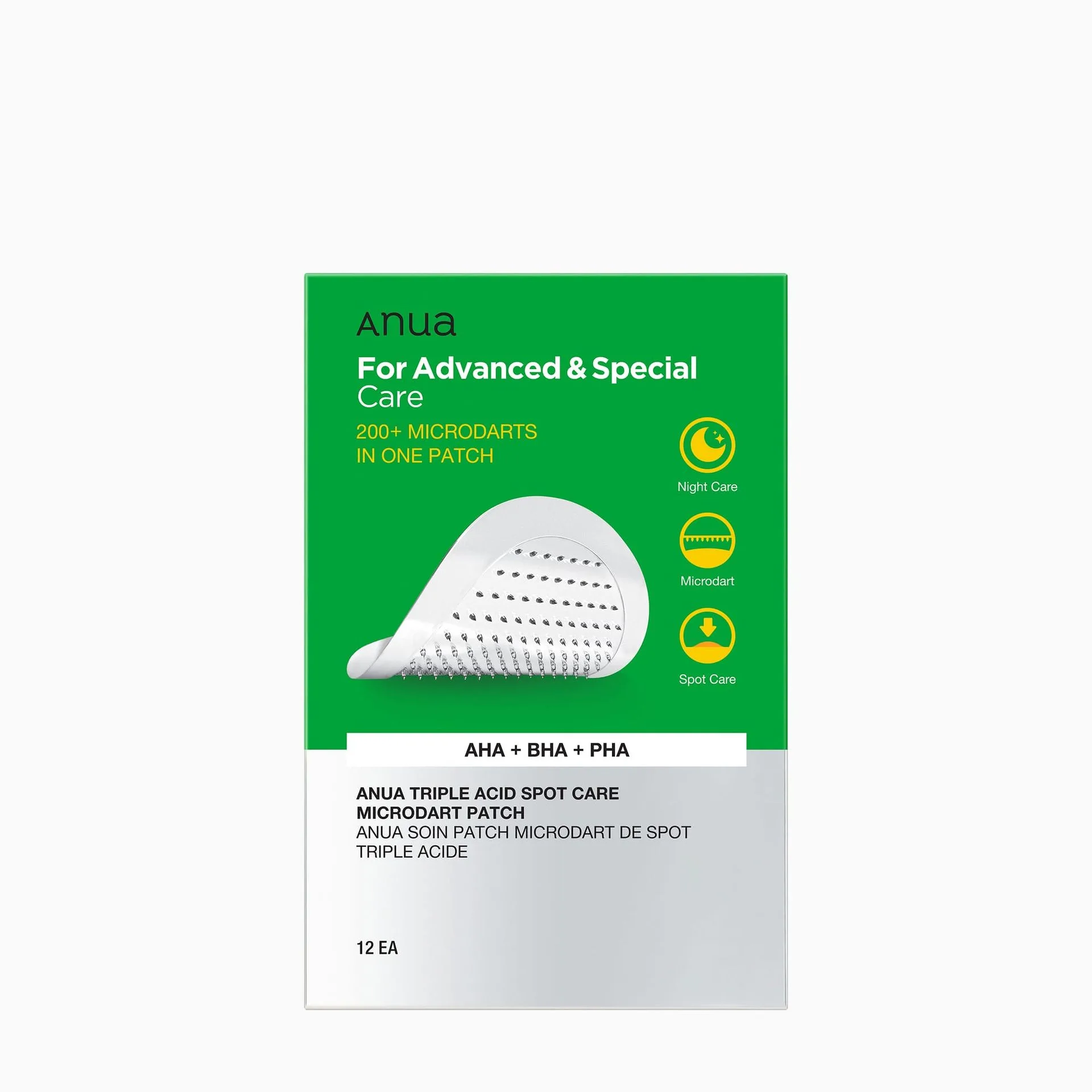
- Micro-dart patches can deliver active ingredients into deeper layers for cystic acne.
- Patches with soothing ingredients like heartleaf or centella help reduce redness and swelling.
Best Spot Patches for Whiteheads and Pustules
Whiteheads and pustules are the most common types of acne that respond well to hydrocolloid patches. These pimples have a visible head and often contain pus. A good hydrocolloid patch will absorb the fluid, flatten the pimple, and protect it from bacteria and picking.
When choosing a patch for these types, look for ultra-thin options that blend into the skin and stay put overnight. The Rumi Ultra-thin Spot Cover Patch (55ea) is an excellent choice. It is nearly invisible, highly absorbent, and gentle enough for sensitive skin. Apply it after cleansing and before moisturizer for best results.
- Use an ultra-thin patch for daytime wear under makeup.
- Change the patch every 6-8 hours or when it turns white from absorbed fluid.
- Do not pop the pimple before applying the patch — let the patch do the work.
Choosing Patches for Inflamed and Cystic Acne
Cystic and nodular acne are deep, painful, and often lack a visible head. Standard hydrocolloid patches are less effective here because they cannot reach the deeper layers. Instead, look for patches infused with anti-inflammatory ingredients or those that use micro-dart technology to deliver active compounds.
For soothing inflamed acne, consider patches that contain heartleaf or tea tree. The https://purebeautytools.store/products/heartleaf-70-intense-calming-cream-51500Heartleaf 70% Intense Calming Cream can be used as a spot treatment under a plain hydrocolloid patch to calm redness. Alternatively, some patches now include nano-retinol or niacinamide to help reduce swelling and prevent post-acne marks.
- Apply an anti-inflammatory serum or cream before the patch to boost effectiveness.
- Leave the patch on for up to 12 hours to maximize ingredient absorption.
- Never pick or squeeze cystic acne — it can lead to scarring and longer healing time.
How to Use Spot Patches Correctly for Maximum Results
Even the best spot patch won't work if applied incorrectly. Start with clean, dry skin. Do not apply any oily products before the patch, as they can prevent adhesion. Gently press the patch onto the pimple and leave it on for at least 6 hours, preferably overnight.
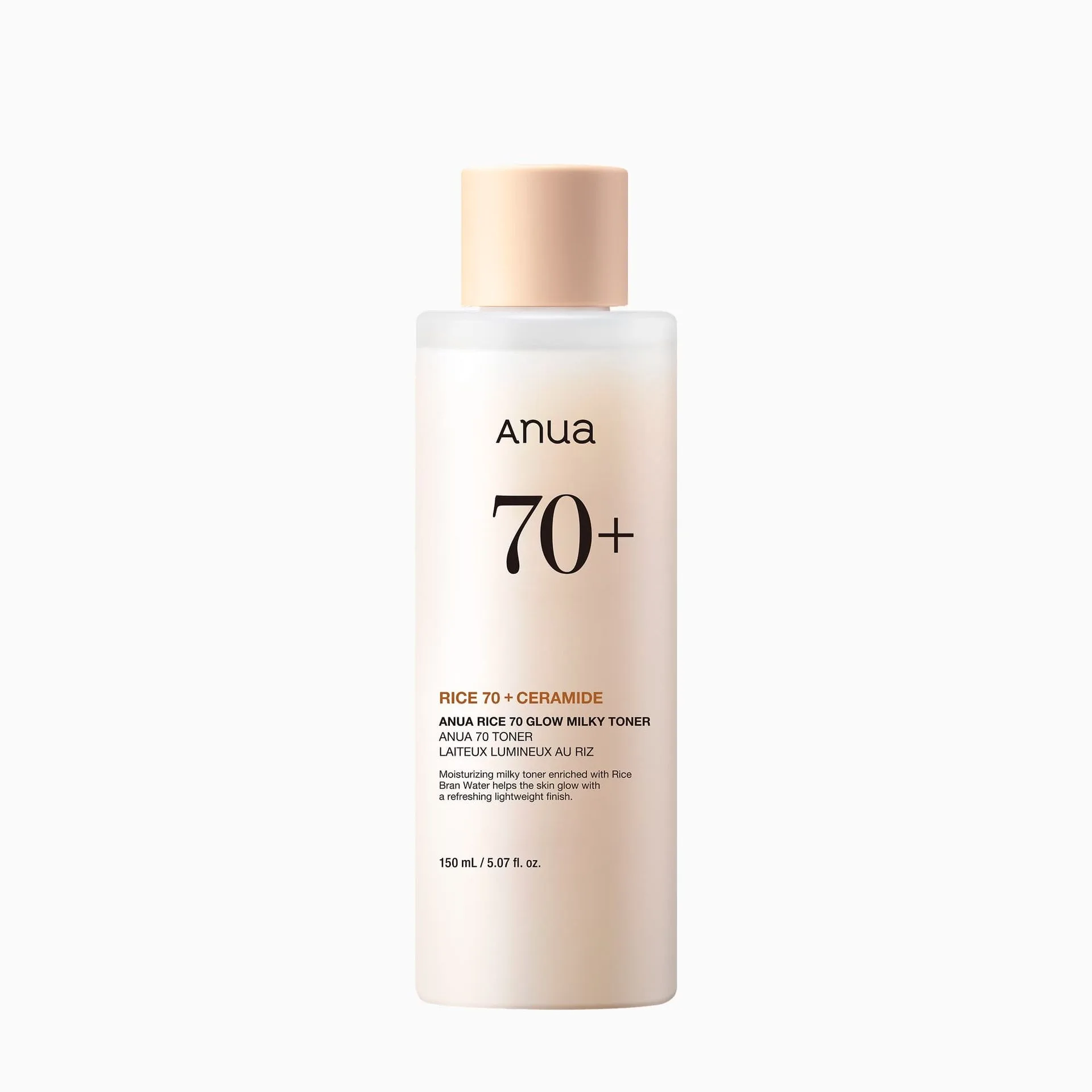
For stubborn breakouts, you can layer treatments. For example, apply a soothing toner like Rice 70 Glow Milky Toner first to hydrate and calm the skin, then follow with a spot patch. This combination helps reduce inflammation while the patch absorbs impurities.
- Always cleanse your face before applying a spot patch.
- Avoid touching the adhesive side with your fingers to maintain sterility.
- If the patch does not stick, your skin may be too damp — pat dry and try again.
Additional Tips for Acne-Prone Skin Care
Spot patches are a great tool, but they work best as part of a consistent routine. Use a gentle cleanser, a non-comedogenic moisturizer, and a lightweight sunscreen during the day. Avoid harsh exfoliants that can irritate active breakouts.
For those with recurring acne, consider adding a targeted serum to your routine. The Nano Retinol 0.3% + Niacin Renewing Serum can help regulate cell turnover and reduce future breakouts when used gradually. Always patch test new products and introduce them slowly.
- Use a mineral sunscreen daily to protect healing skin from UV damage.
- Change your pillowcase frequently to reduce bacteria transfer.
- Keep your hands away from your face to prevent spreading bacteria.
Choosing the right spot patch for your acne type can make a significant difference in healing time and skin health. Whether you need an ultra-thin patch for whiteheads or a soothing option for inflamed breakouts, Korean skincare offers effective solutions. Explore our Rumi Ultra-thin Spot Cover Patch (55ea) to start your journey to clearer, calmer skin.